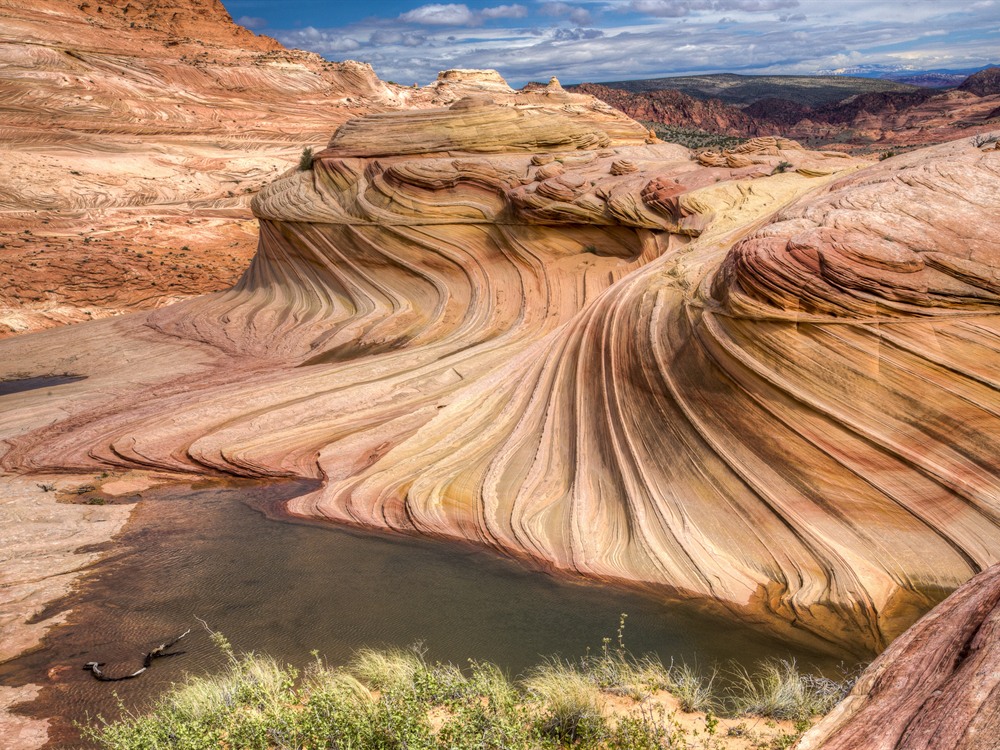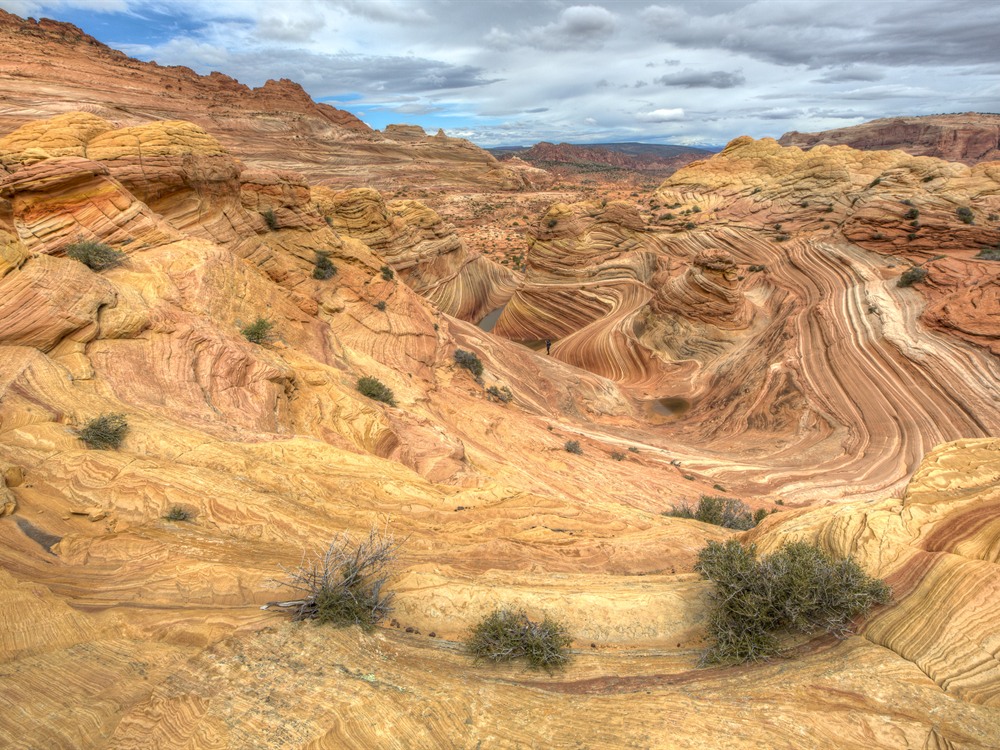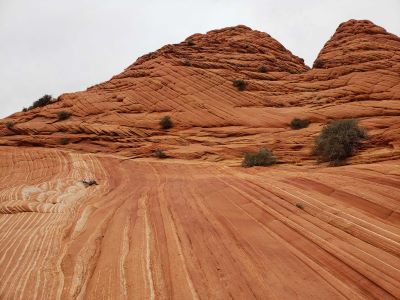
Expansive wilderness of colorful cliffs, deep canyons, and remote plateaus offering rugged backcountry hiking, scenic vistas, and rare wildlife viewing.
General Information
No visitor centers within the monument
Arizona Strip Visitor Center in St. George, UT: Mon–Fri, 8:00 AM – 4:30 PM
Permits required for Coyote Buttes North (The Wave), Coyote Buttes South, and overnight trips in Paria Canyon
Camping: Free (dispersed only, outside wilderness areas)
Permitted in Coyote Buttes and Paria Canyon with permit
Must be leashed (max 6 ft), not left unattended, and cleaned up after
How to Get There
From Page, AZ (40 mi): Take US-89 S to House Rock Valley Road, then drive south on the unpaved road to access trailheads and scenic areas; high-clearance vehicles recommended.
Overview
Vermilion Cliffs National Monument is a remote, spectacular 294,000-acre wilderness of colorful sandstone cliffs, buttes and canyons in northern Arizona just south of the Utah line, managed by the Bureau of Land Management. It protects the Paria Plateau, the Vermilion Cliffs, Paria Canyon and Coyote Buttes, home to the swirling sandstone of The Wave, and it is also a release site for endangered California condors. Elevations run from 3,100 to 6,500 feet, and the cliffs rise up to 3,000 feet.
Established by President Bill Clinton in 2000, the monument holds hundreds of Native American pueblos and one of the greatest concentrations of rock art in any protected area, and human use goes back 12,000 years. The Domínguez–Escalante expedition passed through in 1776, and Mormon settlers built a Colorado River ferry in 1871. The Honeymoon Trail, a wagon route for Mormon couples traveling to be married at the St. George temple, runs below the cliffs.
Hiking permits are required for Coyote Buttes North (The Wave) and Coyote Buttes South. Coyote Buttes also has a dinosaur trackway with more than 1,000 footprints from about 190 million years ago. Wildlife includes desert bighorn sheep, pronghorn and more than twenty raptor species, and the Wave and Buckskin Gulch share the Wire Pass Trailhead on House Rock Valley Road.
This article uses material from the Wikipedia article "Vermilion Cliffs National Monument", and "Coyote Buttes", which is released under the Creative Commons Attribution-Share-Alike License 3.0
Featured Trail
-400.jpg)
Coyotte Buttes South
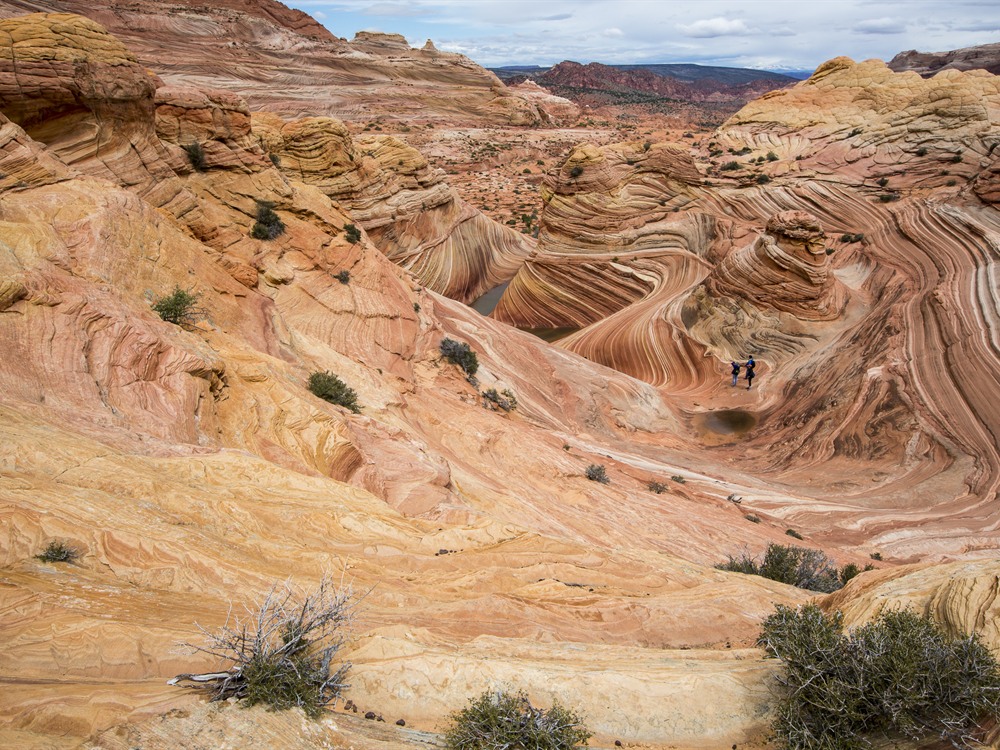
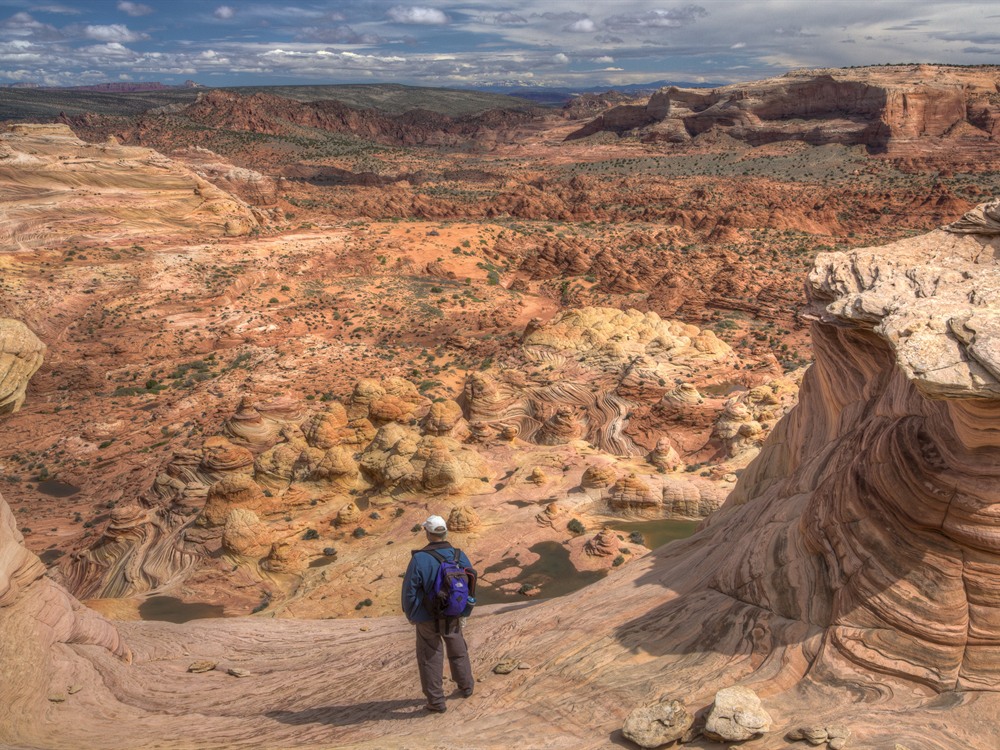
Remote sandstone landscape of eroded rock formations, ridges, and sculpted domes displaying vivid layers of red, orange, and white created by millions of years of geological processes.
Remote sandstone landscape of eroded rock formations, ridges, and sculpted domes displaying vivid layers of red, orange, and white created by millions of years of geological processes.
Paria River
Tributary of the Colorado River, approximately 95 miles (153 km) long, flowing through roadless slot canyons along part of its course and is one of the most popular destinations for canyoneering in the region.
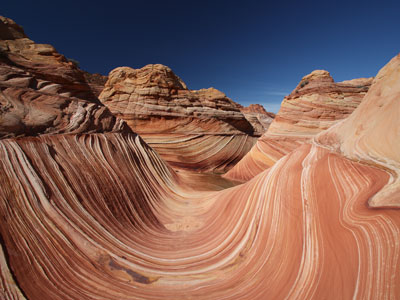
The Wave
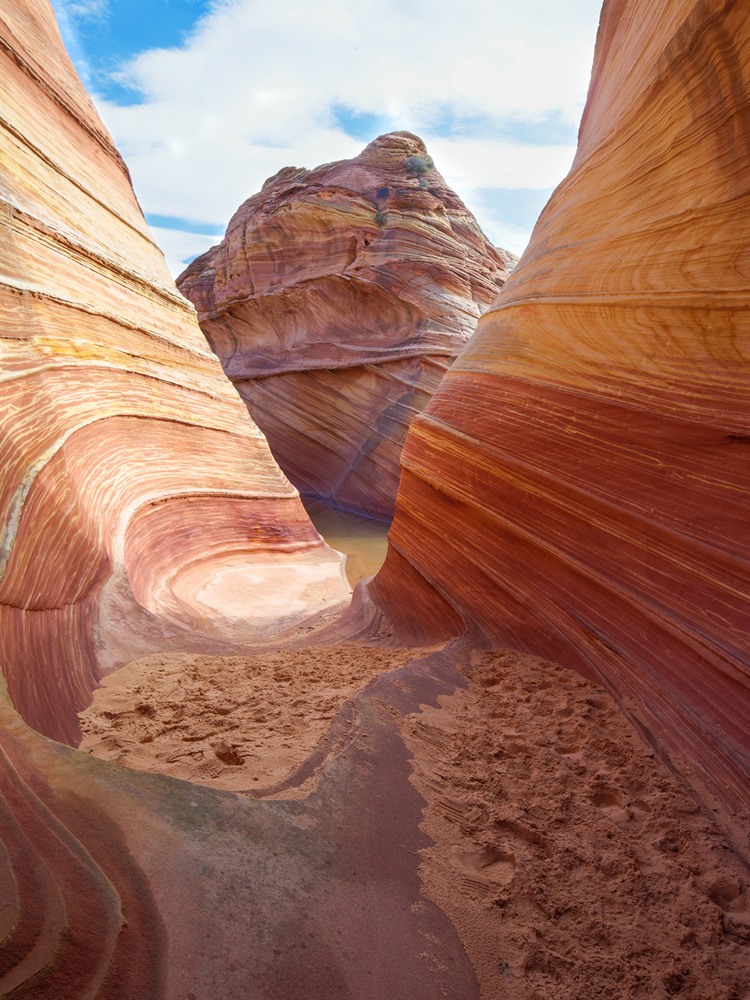
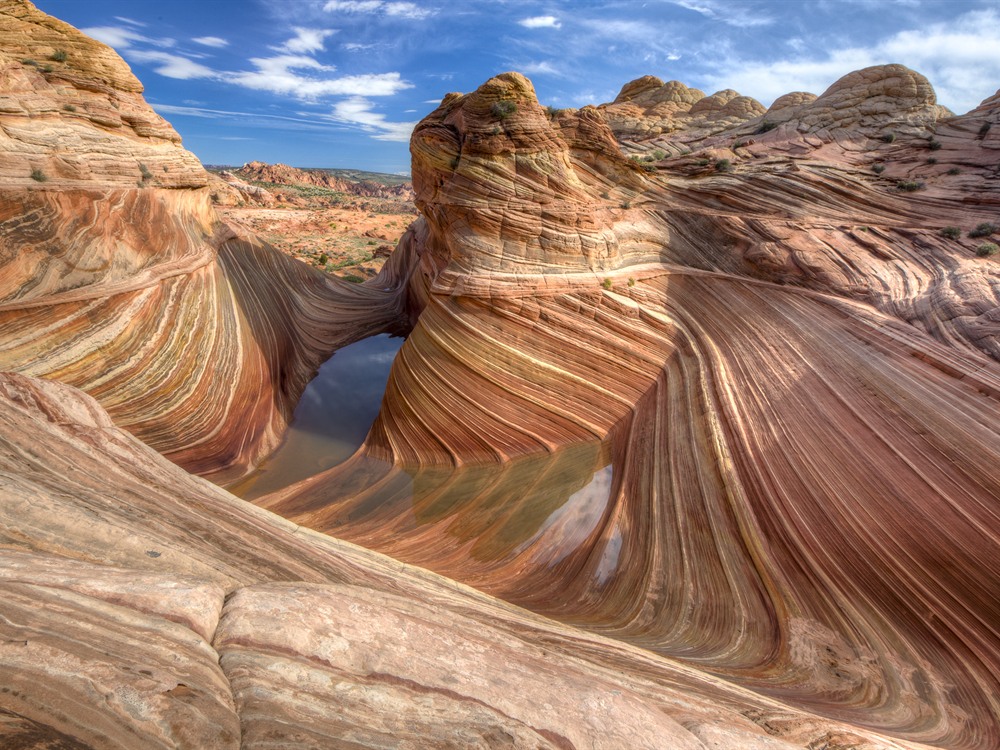
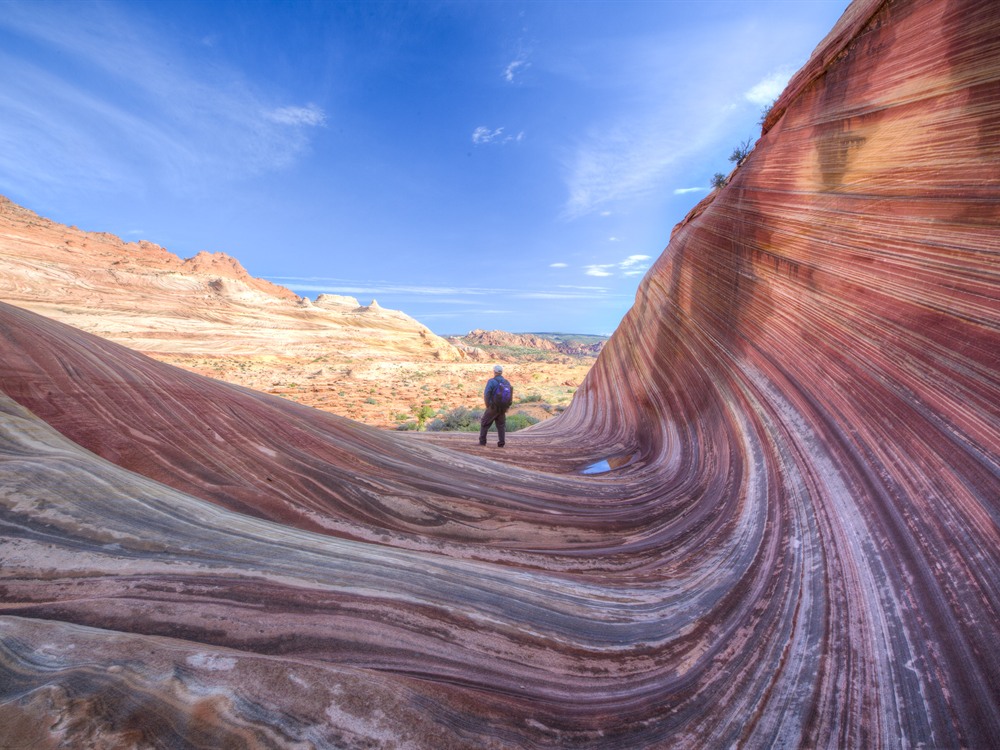
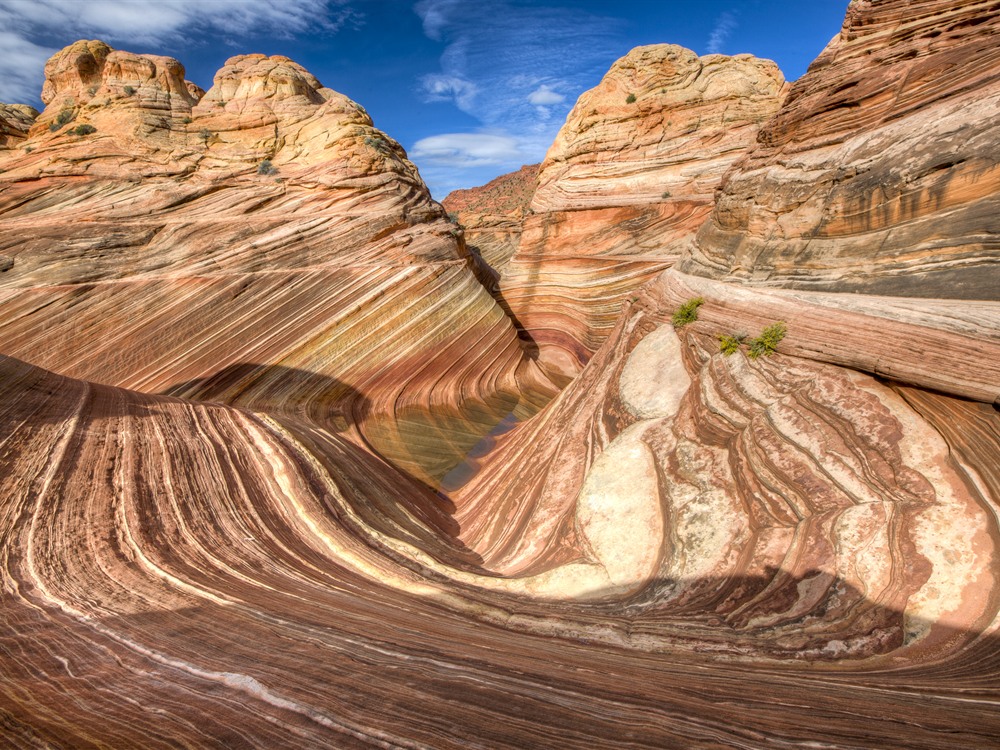
Sandstone rock formation located in Arizona, near border with Utah is well-known among hikers and photographers for its colorful, undulating forms.
Sandstone rock formation located in Arizona, near border with Utah is well-known among hikers and photographers for its colorful, undulating forms
-400.jpg)
White Pocket
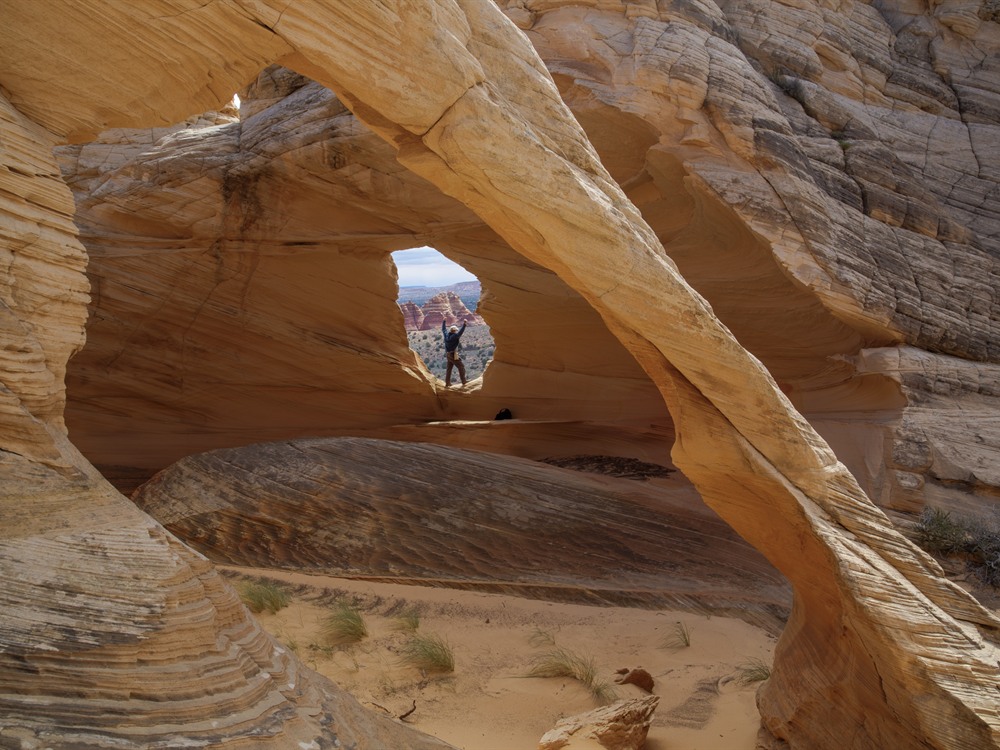
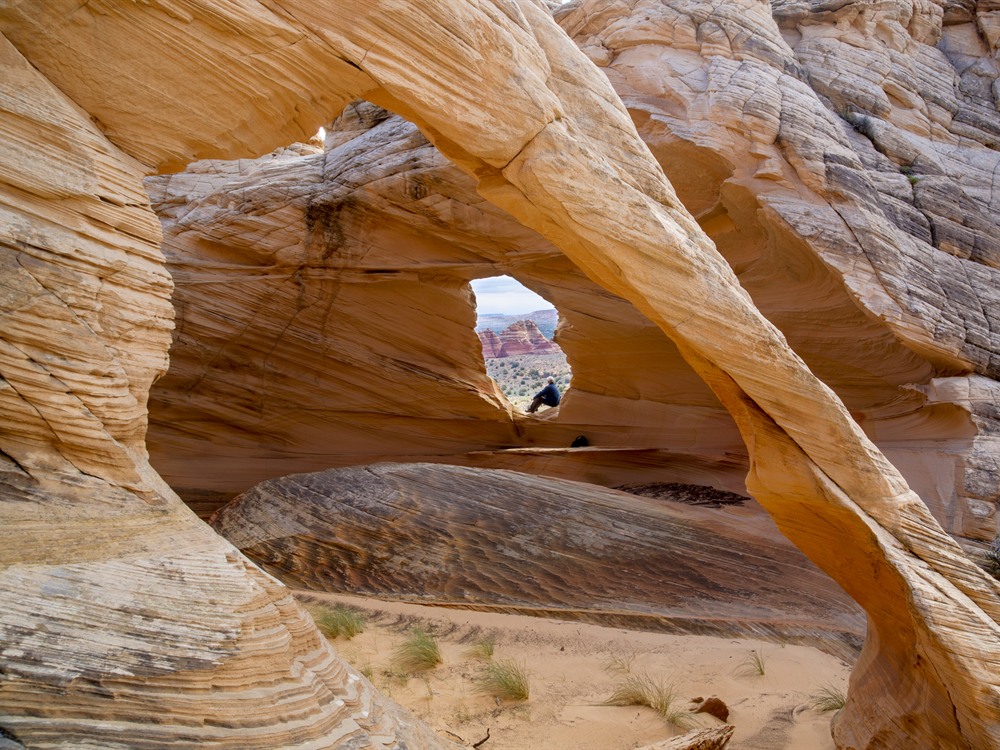
Remote sandstone formations of swirling white and red rock create an otherworldly landscape of domes, ridges, and intricate patterns shaped by wind and erosion.
Remote sandstone formations of swirling white and red rock create an otherworldly landscape of domes, ridges, and intricate patterns shaped by wind and erosion.