Tumacácori National Historical Park

Ammodramus, CC0, via Wikimedia Commons; Image Size Adjusted

Preserved Spanish mission ruins and cultural exhibits reflecting centuries of Indigenous and colonial history in the Santa Cruz Valley.

General Information

Hours:
Park and Museum: 9:00 AM – 5:00 PM daily
Closed: Thanksgiving Day and Christmas Day
Fees:
Adults (16+): $10
Children under 16: Free
Pass valid for 7 consecutive days
Pet Policy:
Leashed pets allowed on outdoor grounds and trails
Not permitted inside buildings
Must be leashed (max 6 ft) and cleaned up after
Closest cities with hotels:
Tubac, AZ (4 mi)
Seasons:
All year; best in spring and fall for mild weather
Location:
1891 E Frontage Rd, Tumacacori, AZ rel="noopener" target="_blank">nps.gov/tuma

From Tucson, AZ (50 mi): Drive south on I-19 to Exit 29, then follow signs to the park entrance on E Frontage Road.

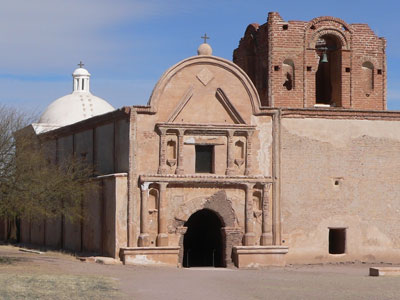
Tumacácori National Historical Park is located in the upper Santa Cruz River Valley in Santa Cruz County, in southern Arizona. The park consists of 360 acres (1.5 km2) in three separate units. The park protects the ruins of three Spanish mission communities, two of which are National Historic Landmark sites. It also contains the landmark 1937 Tumacácori Museum building, also a National Historic Landmark.

walnut-canyon-ruins
Marine 69-71, CC BY-SA 4.0, via Wikimedia Commons ; Image Size Adjusted

The first Spanish Colonial Jesuit missions in the locale were established in 1691, Mission San Cayetano de Tumacácori (at Tumacácori) and Mission Los Santos Ángeles de Guevavi, are the two oldest missions in southern Arizona. The Franciscan church of Mission San José de Tumacácori, across the river from and replacing Mission San Cayetano de Tumacácori, was built in the 1750s. The third mission was established in 1756, Mission San Cayetano de Calabazas.

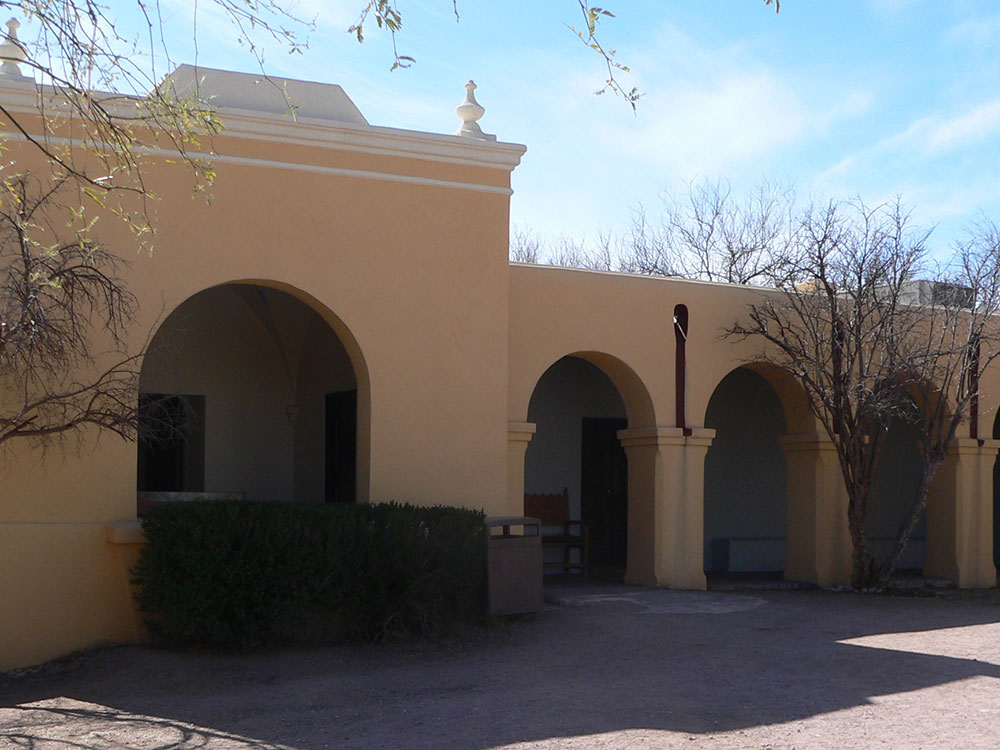
The Mission San José de Tumacácori complex is open to the public. Nearby are the park's visitor center and the Tumacácori Museum in a historic Mission Revival style building. The Guevavi and Calabazas missions are not open to the general public, but can be visited on reserved tours led by park staff.

The Tumacácori missions complex was originally protected as Tumacácori National Monument, in 1908 by President Theodore Roosevelt. It was listed on the National Register of Historic Places on October 15, 1966. In 1990 the national monument was redesignated a National Historical Park. The Guevavi and Calabazas mission units were added to the Tumacácori missions complex unit, within the new Tumacácori National Historical Park.

The site was on the route of the 1775-1776 Juan Bautista de Anza Expedition from New Spain to Alta California, the first Spanish overland expedition to claimed but un-colonized upper Las Californias territory. A 4.5 miles (7.2 km) segment of the Juan Bautista de Anza National Historic Trail lies along the Santa Cruz River between Tumacácori National Historical Park and Tubac Presidio State Historic Park.

Mission San José de Tumacácori was established in 1691 by Jesuit padre Eusebio Kino in a different nearby location. It was established one day before Mission Los Santos Ángeles de Guevavi, making it the oldest Jesuit mission site in southern Arizona. The first mission was named Mission San Cayetano de Tumacácori, established at an existing native O'odham or Sobaipuri settlement on the east side of the Santa Cruz River.

After the Pima rebellion of 1751, the mission was moved to the present site on the west side of the Santa Cruz River and renamed San José de Tumacácori. By 1848, the mission was abandoned and began falling into severe disrepair. In 1854 it became a part of the U.S. Arizona Territory, after the Gadsden Purchase.

Restoration and stabilization efforts began in 1908 when the site was declared Tumacácori National Monument by President Theodore Roosevelt. In 1990 it became part of the new Tumacácori National Historical Park.

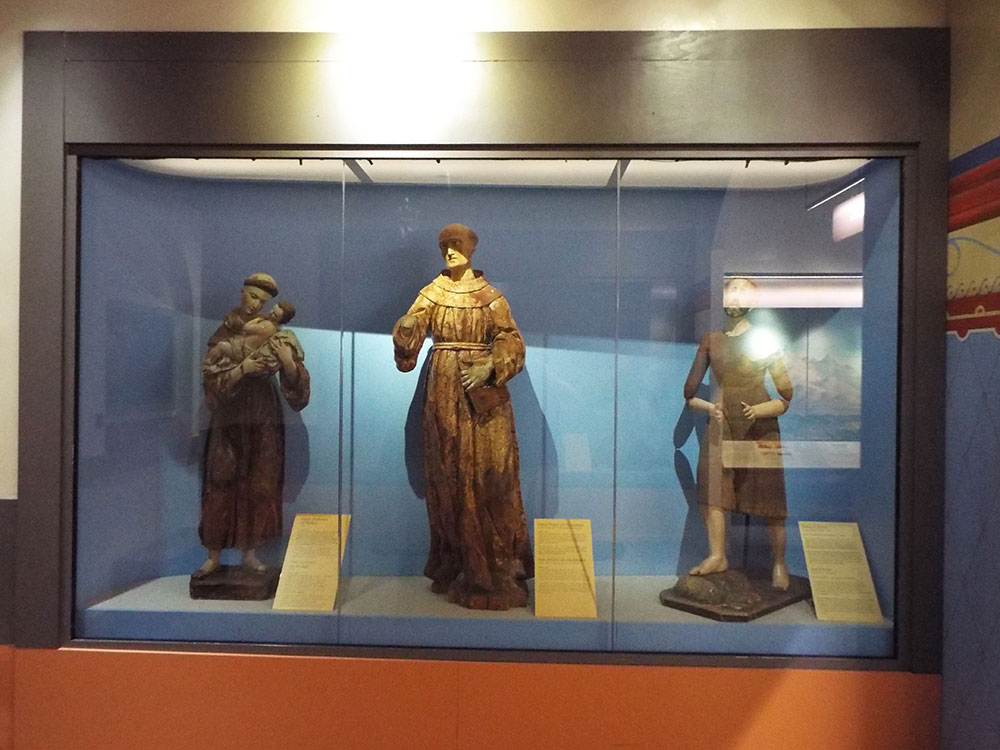
Tumacácori Museum was built in 1937 within what was then Tumacácori National Monument and is now Tumacácori National Historical Park. Designed by Scofield Delong, it contains interpretative displays relating to three historic missions preserved within the park, and includes artwork created by artist Herbert A. Collins.

The museum building, a fine example of Mission Revival style architecture, with Spanish Colonial Revival details, was declared a National Historic Landmark in 1987.

This article uses material from the Wikipedia article "Tumacácori National Historical Park", which is released under the Creative Commons Attribution-Share-Alike License 3.0
walnut-canyon-cliff-wall
Cliff Wall
Jllm06, CC BY-SA 4.0, via Wikimedia Commons ; Image Size Adjusted