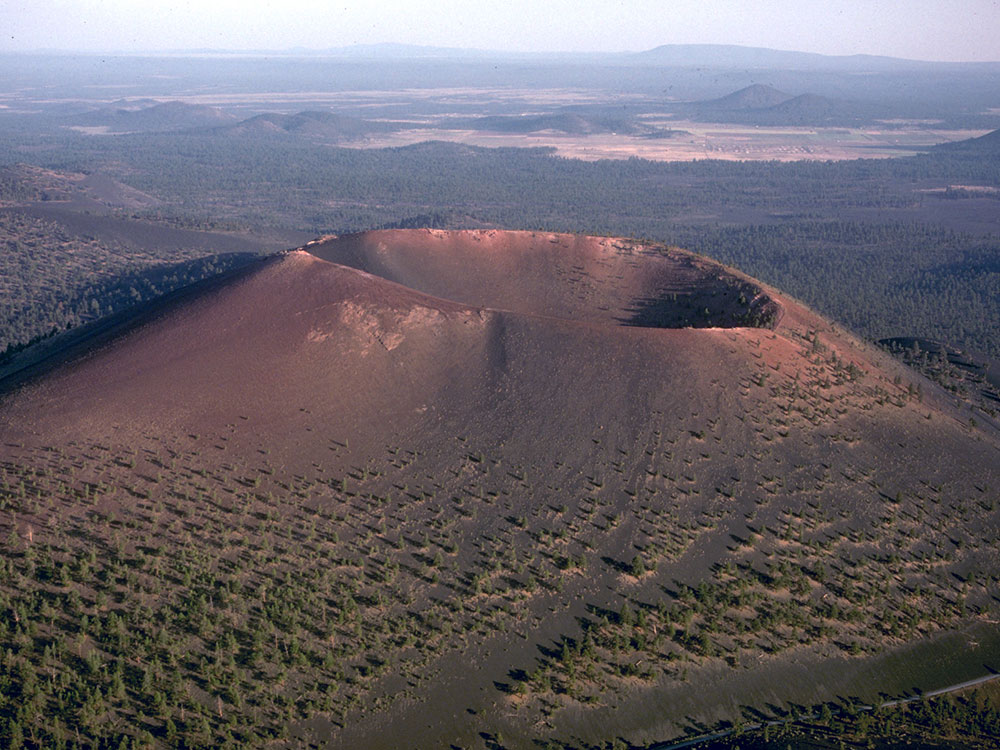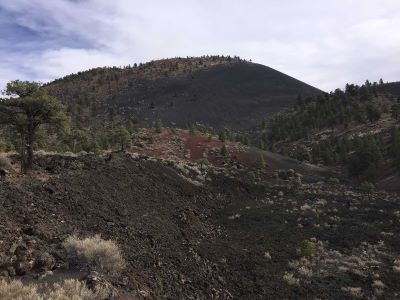
Volcanic landscape of cinder cones and lava flows offering scenic drives, hiking trails, and geological exploration.
General Information
Visitor Center: May–October: 8:00 AM – 5:00 PM; November–May: 9:00 AM – 5:00 PM
Closed: December 25
Motorcycle: $15
Individual (on foot or bicycle): $10
Annual Pass: $40
Covers entrance to both Sunset Crater and Wupatki National Monuments for 7 days
Permitted only in parking lots and must be leashed (max 6 ft)
How to Get There
From Flagstaff, AZ (18 mi): Take US-89 N for 12 miles, then turn right onto Sunset Crater–Wupatki Loop Road and continue 2 miles to the visitor center.
Overview
Sunset Crater Volcano National Monument protects a 1,120-foot cinder cone about 15 miles north of Flagstaff on U.S. Highway 89, the youngest volcano on the Colorado Plateau, and a landscape of fresh black lava flows. It erupted around AD 1085, blanketing more than 800 square miles in ash and forcing local Sinagua people to temporarily leave, and the lava flows still look nearly fresh. It is managed with nearby Wupatki National Monument.
The summit trail was closed in 1973 because of erosion, but a 1-mile self-guided loop trail at the base wanders through the Bonito Lava Flow. A visitor center is near the entrance.
Things to Do
Explore One of Arizona's Youngest Volcanoes
Sunset Crater Volcano National Monument preserves a dramatic volcanic landscape formed when Sunset Crater erupted approximately 900 years ago. Located north of Flagstaff, Arizona, the monument protects lava flows, cinder fields, volcanic cones, and forests that showcase the powerful forces that shaped the Colorado Plateau. Visitors can experience a unique blend of geology, natural history, and cultural heritage in one of Arizona's most fascinating landscapes.
See the Sunset Crater Volcano
The monument's centerpiece is Sunset Crater, a cinder cone volcano that rises nearly 1,000 feet above the surrounding landscape. The volcano earned its name from colorful bands of red, orange, and yellow cinders near the summit that resemble the colors of a sunset.
Drive the Sunset Crater-Wupatki Loop Road
One of the most scenic drives in northern Arizona, the Sunset Crater-Wupatki Loop Road passes through lava fields, cinder deposits, ponderosa pine forests, and expansive desert landscapes. The route connects Sunset Crater Volcano National Monument with nearby Wupatki National Monument, allowing visitors to experience both volcanic and cultural history.
Explore Volcanic Lava Flows and Cinder Fields
The monument contains extensive lava flows and impressive volcanic features that demonstrate how eruptions transformed the surrounding landscape. Interpretive exhibits help visitors understand the geological processes that created the region and influenced the lives of Indigenous peoples living nearby.
Learn About Indigenous History
The eruption of Sunset Crater significantly impacted ancestral Puebloan communities in the region. Interpretive displays explain how people adapted to changing environmental conditions and how volcanic ash eventually enriched local soils, supporting agriculture for centuries afterward.
Enjoy Wildlife Viewing and Photography
The monument's diverse habitats support mule deer, elk, coyotes, birds of prey, and numerous smaller wildlife species. The striking contrast between black lava rock, colorful cinders, and surrounding forests makes the area especially popular among photographers.
Top Trails
Lava Flow Trail
Length: Approximately 1 mile loop
Elevation Gain: Minimal
Difficulty: Easy
This self-guided interpretive trail winds through lava flows and volcanic landscapes near the base of Sunset Crater. Informational signs explain volcanic processes, geology, and the ecological recovery of the area following the eruption.
Lenox Crater Trail
Length: Approximately 1.6 miles round trip
Elevation Gain: About 300 feet
Difficulty: Moderate
This popular trail climbs to the summit of Lenox Crater, an older volcanic cone located within the monument. Hikers are rewarded with panoramic views of Sunset Crater, lava fields, and the surrounding San Francisco Volcanic Field.
Bonito Vista Trail
Length: Approximately 0.3 miles round trip
Elevation Gain: Minimal
Difficulty: Easy
A short walk leading to an overlook with excellent views of Sunset Crater and the surrounding volcanic landscape. It is a great option for visitors seeking scenic viewpoints with minimal hiking.
A'A Trail
Length: Approximately 0.25 miles round trip
Elevation Gain: Minimal
Difficulty: Easy
This brief interpretive trail introduces visitors to the monument's rough-textured lava flows, known as "a'a" lava, and highlights the unique geological features created during the eruption.
Sources: National Park Service official Sunset Crater Volcano National Monument information, including details on volcanic geology, Lava Flow Trail, Lenox Crater Trail, scenic drives, visitor programs, and monument history.
https://www.nps.gov/sucr/index.htm
Additional information verified through National Park Service visitor resources covering the Sunset Crater eruption, volcanic landscapes, Wupatki connection, hiking trails, educational exhibits, and recreational opportunities within Sunset Crater Volcano National Monument.
https://www.nps.gov/sucr/planyourvisit/index.htm
This article uses material from the Wikipedia article "Sunset Crater", which is released under the Creative Commons Attribution-Share-Alike License 3.0
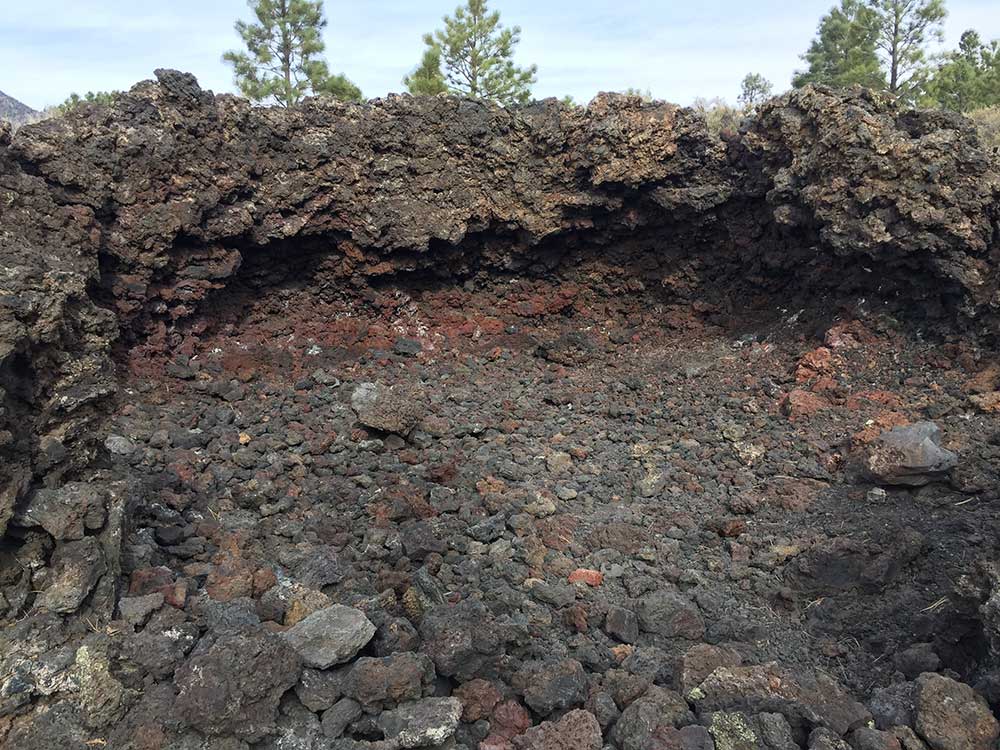
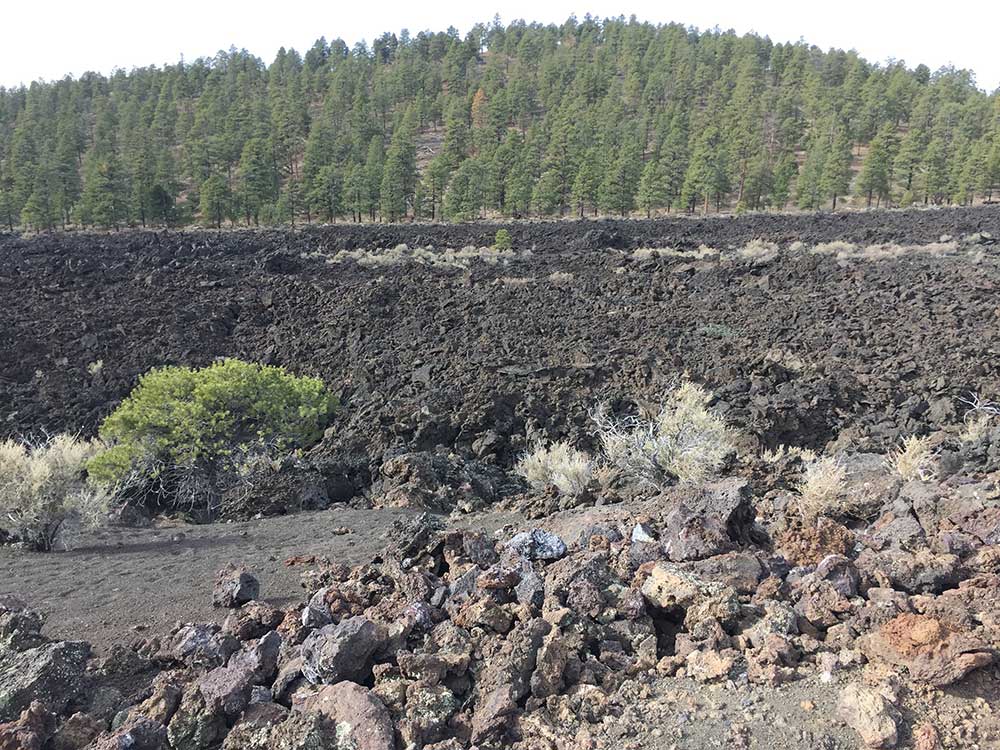
Volcanic Rock Field
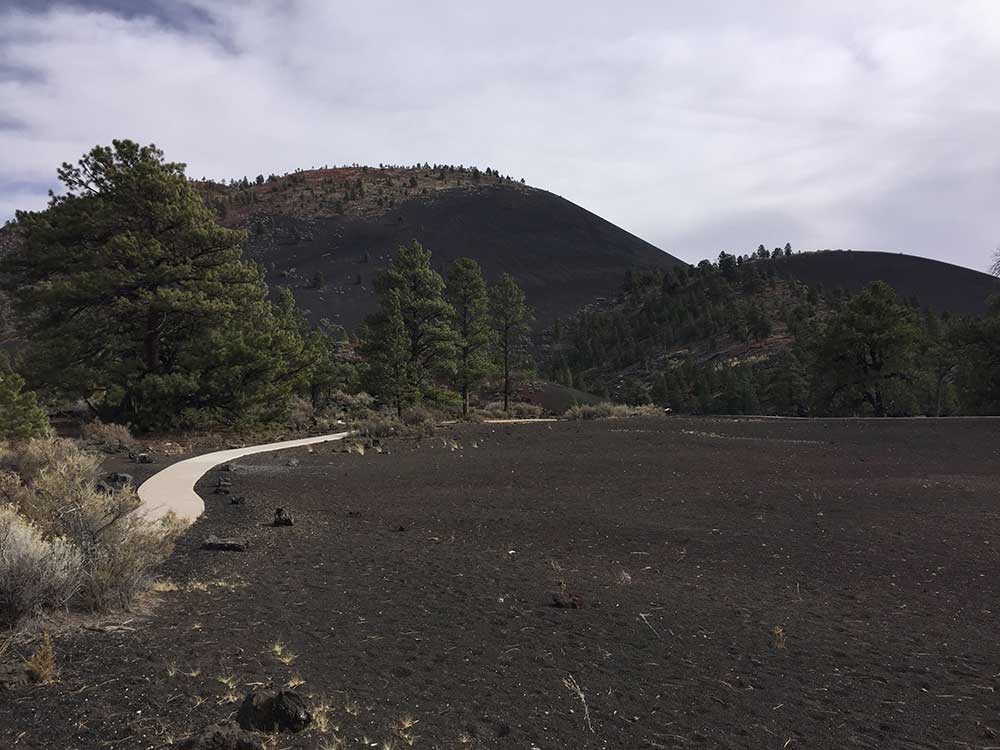
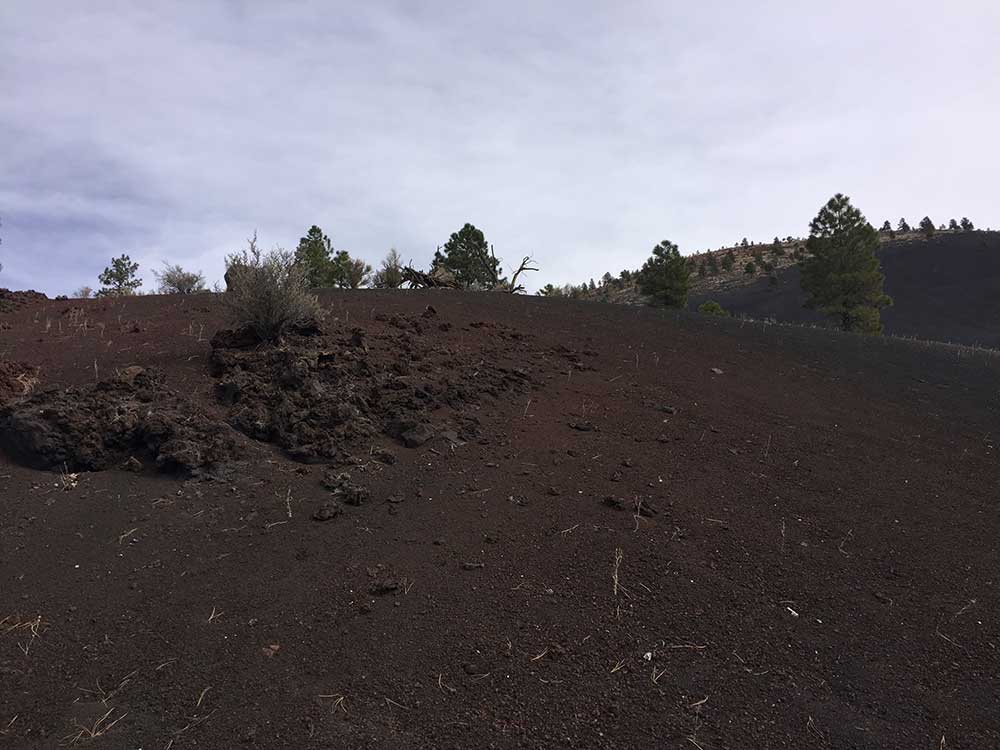
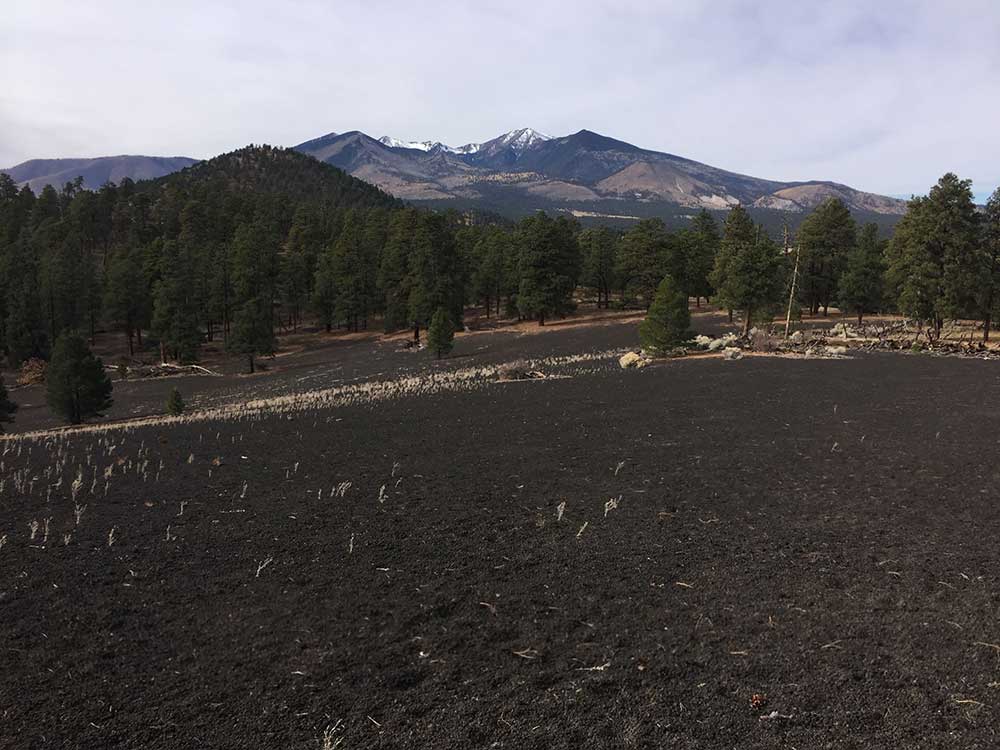
Volcanic Ash Hills