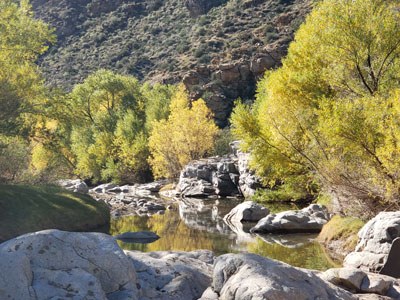
Expansive desert landscape featuring mesas, canyons, and archaeological sites with opportunities for hiking, wildlife viewing, and primitive camping.
General Information
Visitor Center (Black Canyon Heritage Park): 9:00 AM – 1:00 PM daily
Closed: New Year’s Day, Easter, Memorial Day, July 4, Labor Day, Veterans Day, Thanksgiving, Friday after Thanksgiving, Christmas Eve, Christmas Day
Camping: Free (dispersed/primitive only)
Must be leashed (max 6 ft), not left unattended, and cleaned up after
How to Get There
From Phoenix, AZ (40 mi): Take I-17 N toward Flagstaff and exit at Badger Springs Road or Bloody Basin Road for access to trailheads and scenic areas within the monument.
Overview
Agua Fria National Monument is a BLM-managed expanse of semi-desert grassland about 40 miles north of Phoenix that protects some of Arizona’s most important archaeological sites, with about 450 recorded Native American structures, including pueblos of more than 100 rooms, and thousands of petroglyphs. It was inhabited by several thousand people of the Perry Mesa Tradition between 1250 and 1450, who farmed with terraces and irrigation.
Elevations range from 2,150 to 4,600 feet, with cottonwood and willow along the Agua Fria River. More than 140 bird species have been recorded, and wildlife includes pronghorn, mule deer, javelinas and desert tortoises. Nineteenth-century mining features and Basque sheep camps also remain.
Things to Do
Explore One of Arizona's Most Significant Archaeological Landscapes
Aqua Fria National Monument protects more than 70,000 acres of high desert grasslands, mesas, canyons, and archaeological sites in central Arizona, north of Phoenix. The monument contains hundreds of ancient pueblo ruins, thousands of petroglyphs, and remarkably well-preserved evidence of Native American cultures that inhabited the region between approximately A.D. 1200 and 1450.
Discover Ancient Petroglyphs and Pueblo Sites
The monument is renowned for its extensive collection of cultural resources. Visitors can explore areas containing ancient rock art, masonry structures, terraces, and agricultural features created by Indigenous peoples who once lived along the Agua Fria River. Archaeologists consider the monument one of the most important prehistoric cultural landscapes in the Southwest.
Explore the Agua Fria River Canyon
The Agua Fria River cuts through the monument, creating a dramatic canyon system lined with mesas, cliffs, and diverse desert habitats. Visitors can enjoy scenic overlooks, photography, wildlife viewing, and opportunities to experience Arizona's rugged backcountry landscapes.
Enjoy Wildlife Viewing
The monument supports a wide variety of wildlife, including mule deer, javelina, coyotes, bobcats, golden eagles, hawks, reptiles, and numerous desert bird species. The mixture of grasslands, riparian corridors, and desert scrub habitats makes the area an excellent destination for nature enthusiasts.
Experience Arizona's Dark Skies
Due to its remote location and limited light pollution, Agua Fria National Monument is a rewarding destination for stargazing, night photography, and astronomy enthusiasts. Clear desert skies often provide exceptional viewing conditions throughout much of the year.
Enjoy Backcountry Exploration and Photography
Visitors can explore rugged roads, scenic overlooks, and remote desert landscapes featuring lava formations, mesas, wildflowers, and expansive views. The monument offers outstanding opportunities for landscape photography and solitude.
Top Trails
Badger Springs Trail
Length: Approximately 2 miles round trip
Elevation Gain: Moderate
Difficulty: Moderate
One of the monument's most popular hikes, this trail descends into Agua Fria Canyon and provides access to the river corridor. Visitors enjoy desert scenery, wildlife viewing opportunities, and seasonal water flows.
Pueblo La Plata Trail
Length: Approximately 1 mile round trip
Elevation Gain: Minimal
Difficulty: Easy
This interpretive trail leads to one of the monument's best-known archaeological sites, featuring a large prehistoric pueblo and interpretive information about the people who once inhabited the region.
Black Mesa Overlook Route
Length: Approximately 3 miles round trip
Elevation Gain: Moderate
Difficulty: Moderate
This route provides expansive views of the Agua Fria River Canyon, mesas, and surrounding desert landscapes. It is particularly popular among photographers and visitors seeking panoramic scenery.
Agua Fria Canyon Exploration Routes
Length: Varies by route
Elevation Gain: Moderate to Significant
Difficulty: Moderate to Difficult
Numerous primitive routes and backcountry paths allow experienced hikers to explore the monument's canyon systems, archaeological resources, and remote desert environments while enjoying solitude and spectacular scenery.
Sources: Bureau of Land Management official Agua Fria National Monument information, including details on archaeological sites, petroglyphs, wildlife habitats, visitor access, recreational opportunities, and monument management.
https://www.blm.gov/programs/national-conservation-lands/arizona/agua-fria-national-monumenthttps://www.blm.gov/programs/national-conservation-lands/arizona/agua-fria-national-monument
Additional information verified through Bureau of Land Management visitor resources covering Badger Springs Trail, Pueblo La Plata, Agua Fria River Canyon, cultural resources, backcountry recreation, and conservation efforts throughout Agua Fria National Monument.
https://www.blm.gov/visit/agua-fria-national-monumenthttps://www.blm.gov/visit/agua-fria-national-monument
This article uses material from the Wikipedia article "Agua Fria National Monument", which is released under the Creative Commons Attribution-Share-Alike License 3.0.
Featured Trails

Badger Springs Canyon Trail
1.6 mile roundtrip, 100ft elevation
The only major hiking path in the monument, the 0.8 mile route along Badger Springs Canyon, a west-side tributary of the Agua Fria River.