The newest National Park designed to protect and maintain the New River Gorge in southern West Virginia in the Appalachian Mountains
General Information
Canyon Rim Visitor Center is open daily (except Thanksgiving, Christmas, and New Year's) from 9:00 AM to 5:00 PM
Sandstone Visitor Center is open daily from 9:00 AM to 5:00 PM from May through November. From December through April, Sandstone Visitor Center will be on limited winter hours. Winter 2019-2020 Hours: Sandstone Visitor Center will be closed from December 9. 2019 through May 2020.
Thurmond Depot Visitor Center is open seasonally June through August from 10:00 AM to 5pm
Grandview Visitor Center is open seasonally Memorial Day through Labor Day from 12:00 Noon to 5:00 PM.
How to Get There
From Charleston, WV (59mi) Get on I-64 E/I-77 S from Lee St E and Brooks St. Follow I-64 E/I-77 S to WV-612 E in Scarbro. Take exit 60 from I-64 E/I-77 S. Follow WV-612 E to US-19 N in New Haven.
Overview
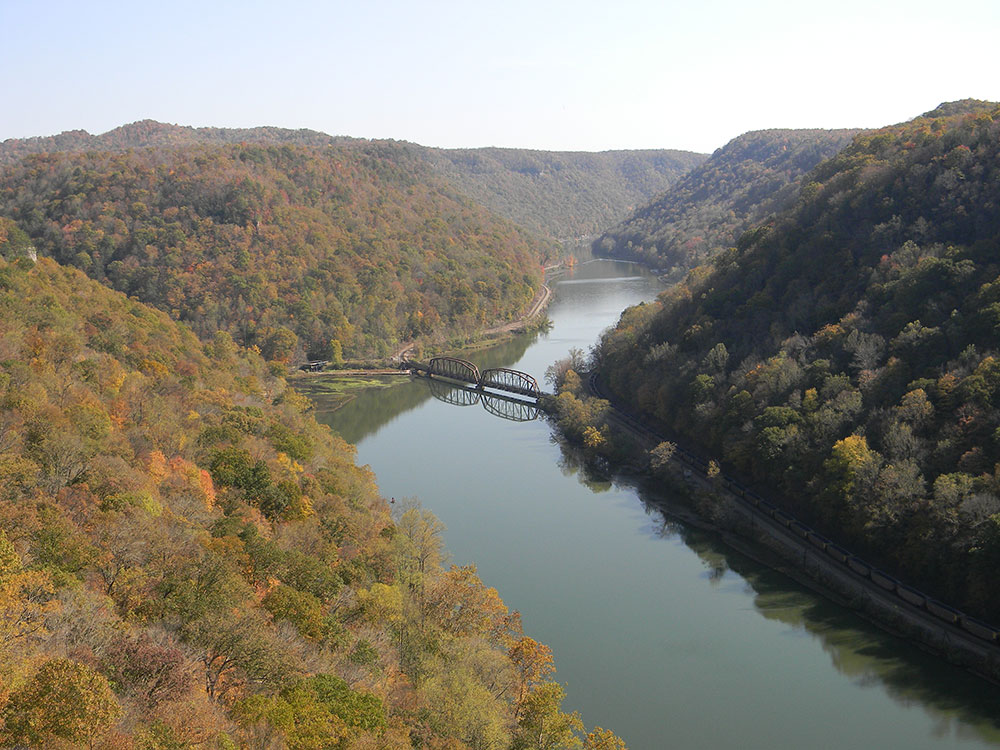
The New River Gorge National Park and Preserve is a unit of the United States National Park Service (NPS) designed to protect and maintain the New River Gorge in southern West Virginia in the Appalachian Mountains. Established in 1978 as a national river, the NPS-protected area stretches for 53 miles (85 km) from just downstream of Hinton to Hawks Nest State Park near Ansted. The park was officially named America's 63rd national park, the U.S. government's highest form of protection, in 2021.
Geologic features
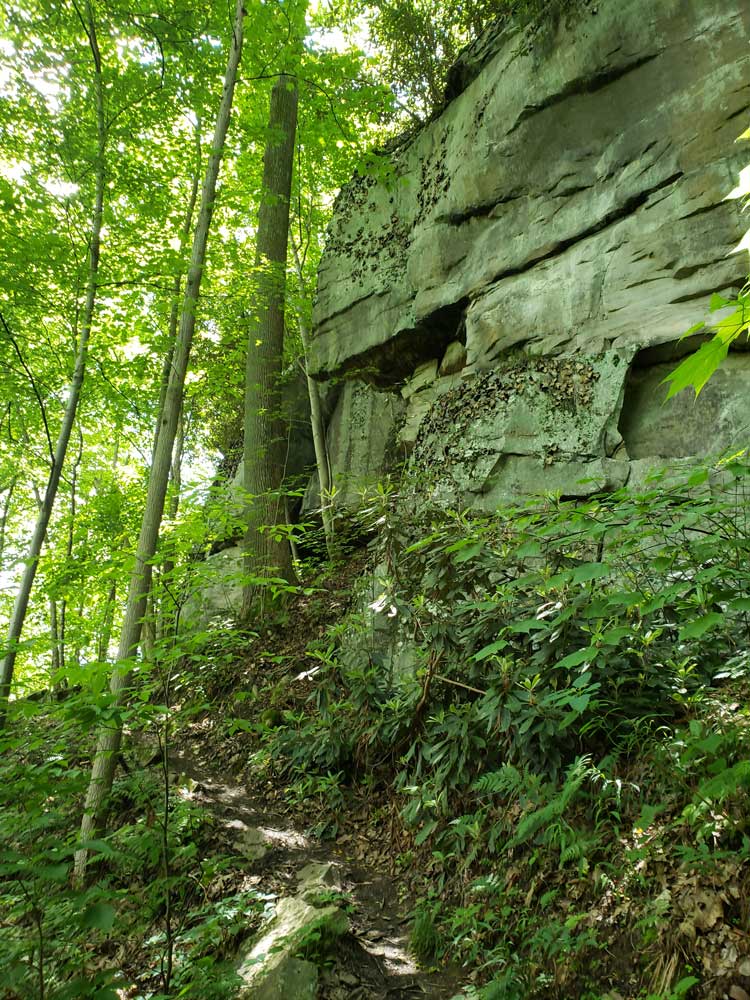
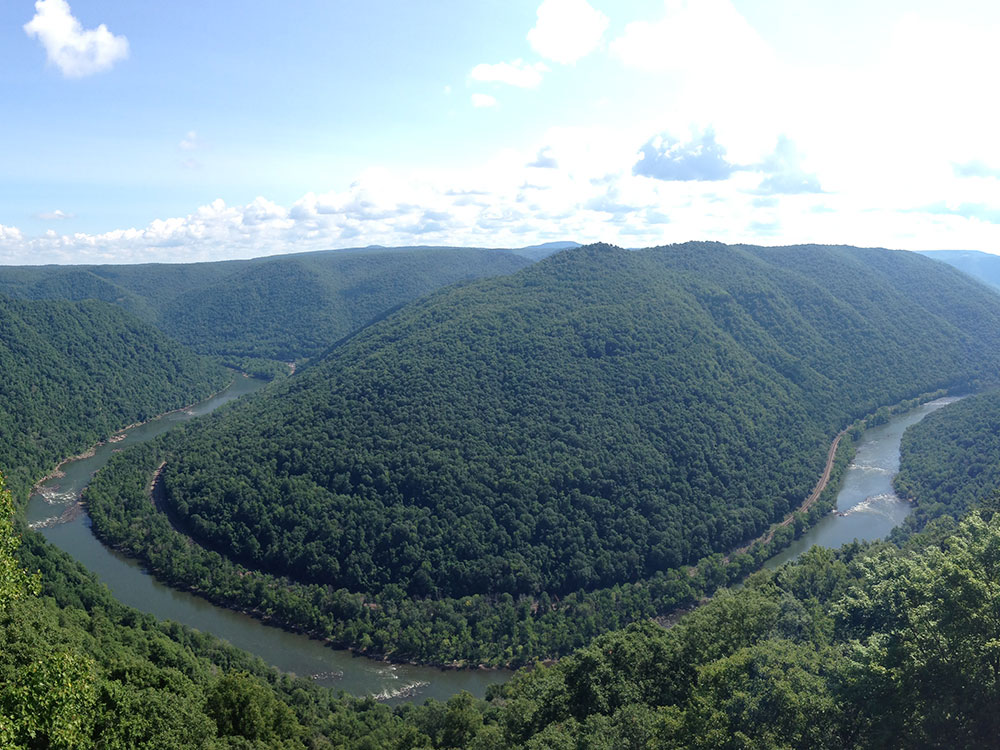
Flowing water is the creative force shaping the geologic features of the New River Gorge, as the river continues to sculpt the longest and deepest river gorge in the Appalachian Mountains. On display in the gorge, a variety of unique geologic features and processes exemplify the geology of the Appalachian Plateau, including the exposure of over 1,000 feet (300 m) of sandstone and shale, house-sized boulders scattered from rim to river, plant and invertebrate fossils, and steep channel drop-offs. The river has exposed four seams of coal, considered among the best bituminous coal in the world. The smokeless New River coal once fed the boilers of the nation's trains, factories, fleets, and power plants, and its coke fueled the nation's iron furnaces.
New River Gorge National Park and Preserve lies at the core of a globally significant forest containing the most diverse flora of any river gorge in central and southern Appalachia; it provides essential habitat for endangered mammals and rare birds and amphibians. The park contains habitats of continuous forest, cliff and rimrock, forest seeps and wetlands, mature bottomland forests, abandoned mine portals (providing a refuge for rare species, including bats, amphibians, and the Allegheny woodrat, a species of special concern in West Virginia and in decline throughout the eastern United States). New River Gorge offers shelter to at least 63 species of mammals including the endangered Virginia big-eared and Indiana bats. The river, stream tributaries, and forest provide habitat for 48 known species of amphibians, including the endangered eastern hellbender, black-bellied salamander, and cave salamander.
Diverse populations of birds such as wood warblers, vireos, and thrushes spend part of their lives in the tropics, but depend upon the unfragmented forests of the New River Gorge for breeding. The region is a vital link in the north-south migratory flyway. Each year, thousands of hawks fly across the region during the fall migratory season. The NPS and West Virginia Department of Natural Resources have initiated a multiyear program to restore peregrine falcons to New River Gorge. These majestic birds soar and dive near the cliffs.
Forty different plant communities containing at least 1,342 species and 54 rare plants have been identified in the gorge.
Within the gorge is a wealth of historically significant abandoned places, some in ruins and some stabilized and rehabilitated, where people worked and lived during the late 18th and 19th centuries, supplying the coal and lumber that helped fuel American industry. Remnants of the park's past, hidden in the forest, tell the stories of earlier life in the Appalachian Mountains. On display are the tangible remains of historic coal mining structures and coke ovens of unmatched integrity — such as at Nuttallburg Coal Mining Complex and Town Historic District and Kay Moor — and the historic structures and ruins associated with more than 50 company-owned towns.
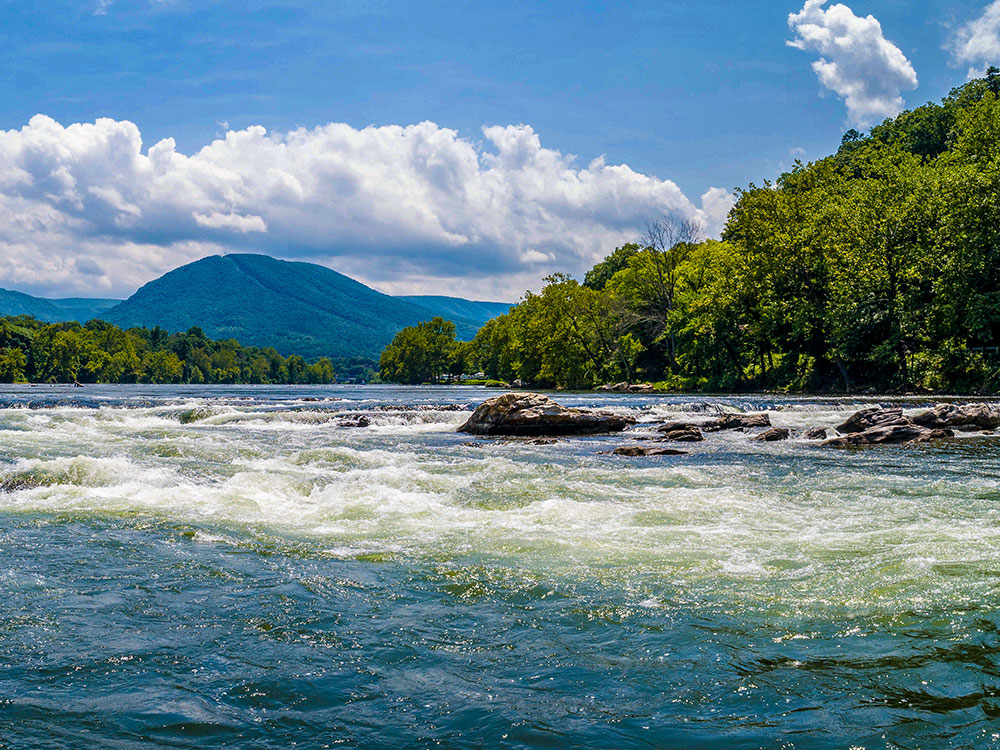
The Lower Gorge of the New River is a premier whitewater rafting location. The rapids, ranging in difficulty from class III to class V, are imposing and forceful, many of them obstructed by large boulders, which necessitate maneuvering in very powerful currents, crosscurrents, and hydraulics. Commercial outfitters conduct trips down the river from April through October. The upper part of the river offers somewhat less challenging class I to III rapids for whitewater canoeing. The NPS website lists all the licensed outfitters on their Commercial Whitewater Information page.
New River Gorge National Park and Preserve is one of the most popular rock-climbing areas in the country. Within the park are over 1,400 established rock climbs. The cliffs at "The New" located just below the rim of the gorge are made up of a very hard Nuttall sandstone. The rock is very featured, with an abundance of crack and face routes, and occasional large roofs. Almost all climbs are one pitch long and range from 30 to 120 feet (9.1 to 36.6 m) in height. The majority of the routes in the gorge are for advanced climbers in 5.10-5.12 range of the Yosemite decimal system with about an equal number of traditional and sport climbs.
Fishing is one of the most popular activities on the New River. The diversity of fish in its waters makes the New River an excellent warm-water fishery.
The over 50 miles (80 km) of hiking trails in the park range from easy walks to more challenging hikes. Several trails following old railroad grades are open to bikes. Four primitive camping areas are within the park, all located along the river.
Two year-round visitor centers are located at Sandstone and Canyon Rim.
This article uses material from the Wikipedia article "New River Gorge National Park and Preserve", which is released under the Creative Commons Attribution-Share-Alike License 3.0
Featured Locations and Trails

-400.jpg)
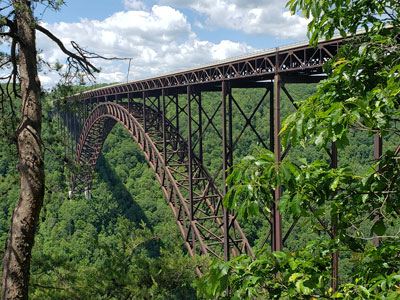
John Mueller, CC BY 2.0, via Wikimedia Commons; Image Size Adjusted
.jpg)
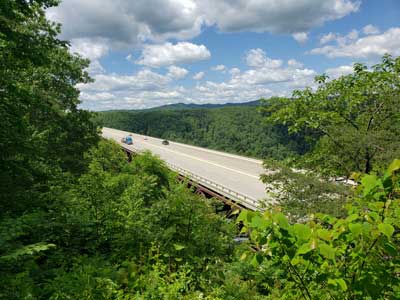
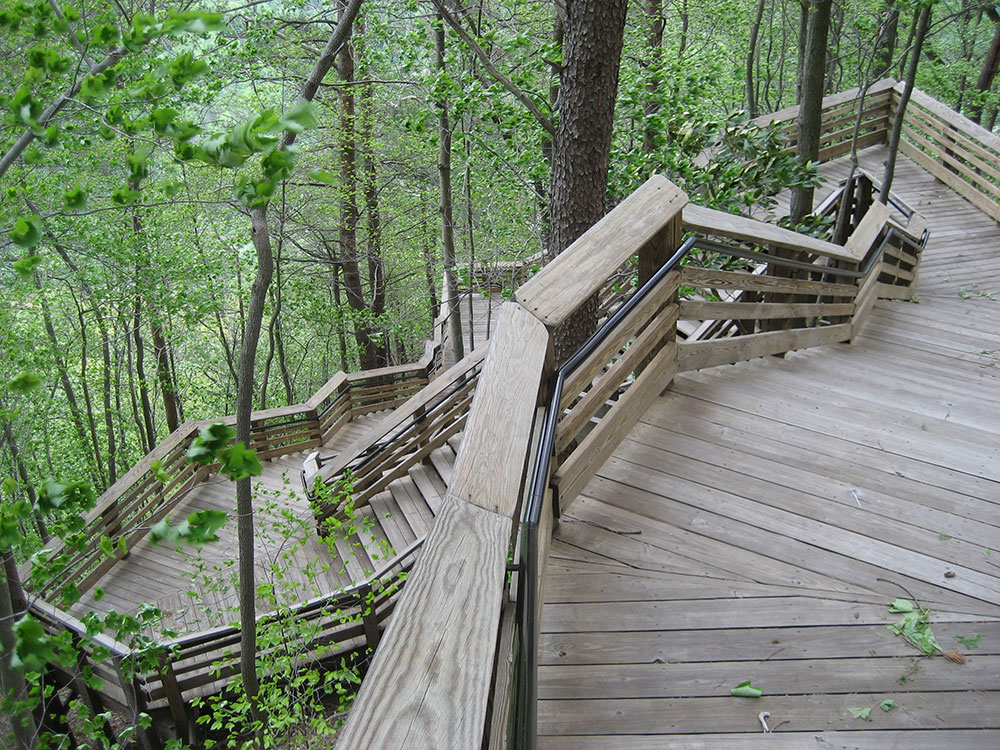
Canyon Rim Boardwalk
0.6 mile roundttip, 121 feetshort but challenging hike that offers the best views in the park. From the bare, rocky summit, a 360-degree view extends over the surrounding mountains and valleys, giving a complete look at the entire area