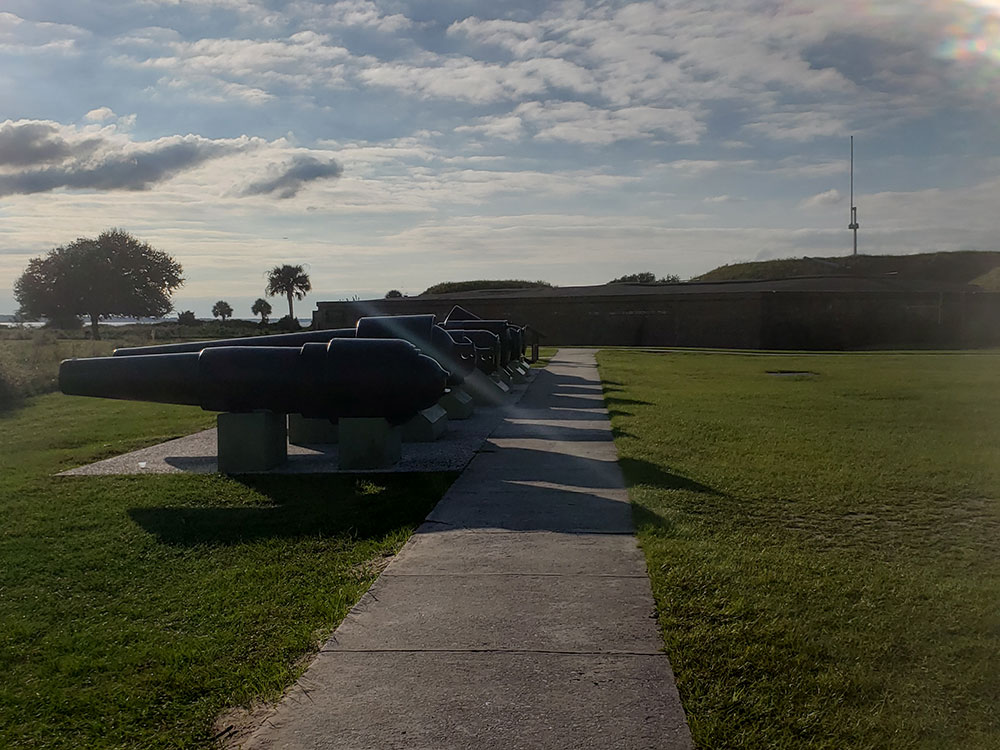
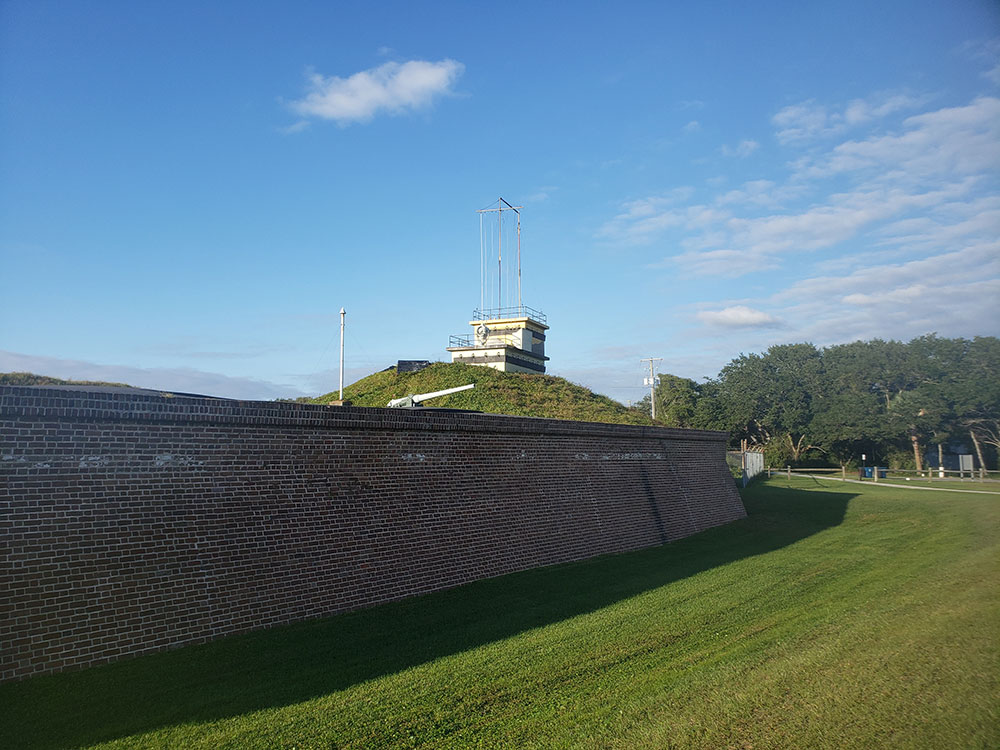
Series of fortifications on Sullivan's Island, built to protect the city of Charleston
General Information
Sunday 1pm to 5pm
How to Get There
Take Meeting St to E Bay St. Continue on E Bay St. Take US-17 N/Arthur Ravenel Jr Bridge and W Coleman Blvd to SC-703 E/Ben Sawyer Blvd in Mount Pleasant. Follow SC-703 E to Middle St in Sullivan's Island.
Overview
Fort Moultrie is a series of fortifications on Sullivan's Island, South Carolina, built to protect the city of Charleston, South Carolina. The first fort, formerly named Fort Sullivan, built of palmetto logs, inspired the flag and nickname of South Carolina, as "The Palmetto State". The fort was renamed for the U.S. patriot commander in the Battle of Sullivan's Island, General William Moultrie. During British occupation, in 1780-1782, the fort was known as Fort Arbuthnot.
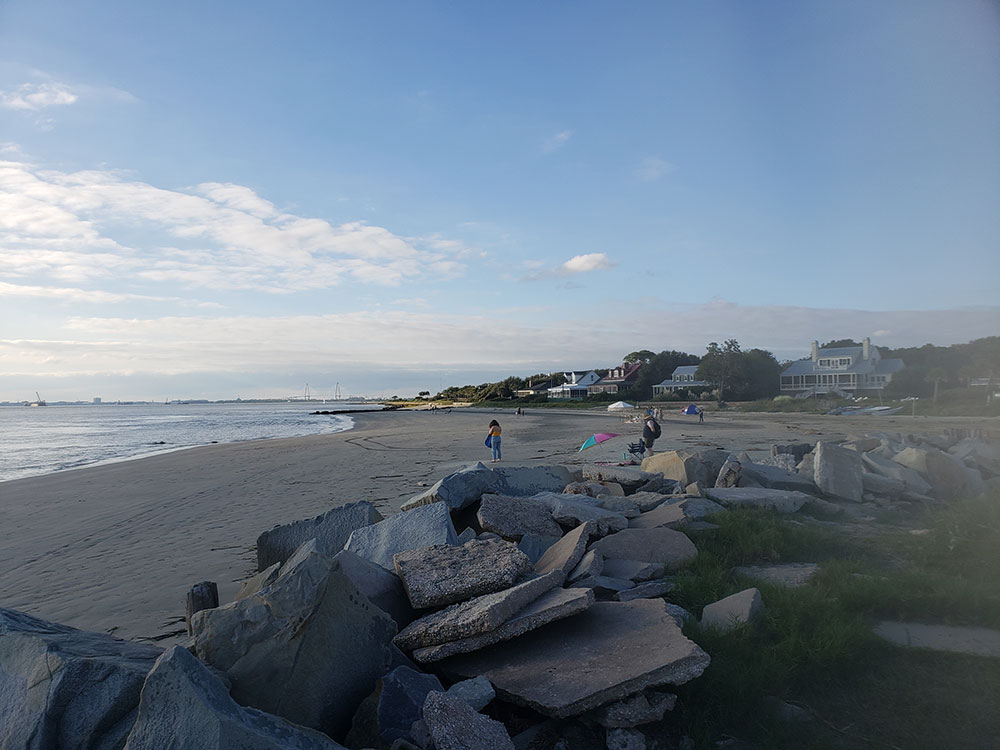
On August 15, 1947, the Army lowered Fort Moultrie's flag for the last time and ended 171 years of service. After the war, due to changes in military technology, including submarines and nuclear weapons, seacoast defense of the United States ceased to be a viable strategy.
In 1960, the Department of Defense transferred Fort Moultrie to the National Park Service. NPS manages the historic fort as a unit of Fort Sumter and Fort Moultrie National Historical Park. NPS has interpreted the fort as a tour backward in time from its defenses from World War II to the original palmetto log fort constructed by William Moultrie. The preserved Harbor Entrance Control Post and BCN 520 (now a private residence) are the main relics of the World War II era.
This article uses material from the Wikipedia article "Fort Moultrie", which is released under the Creative Commons Attribution-Share-Alike License 3.0