Park commemorates the history of Natchez
General Information
How to Get There
Overview
Natchez National Historical Park commemorates the history of Natchez, Mississippi, and is managed by the National Park Service. The park consists of four separate sites.
Fort Rosalie is the site of a former fortification from the 18th century, built by the French. It was later renamed Fort Panmure and controlled in turn by Great Britain, Spain, and the United States. The fort site is not open to the public.
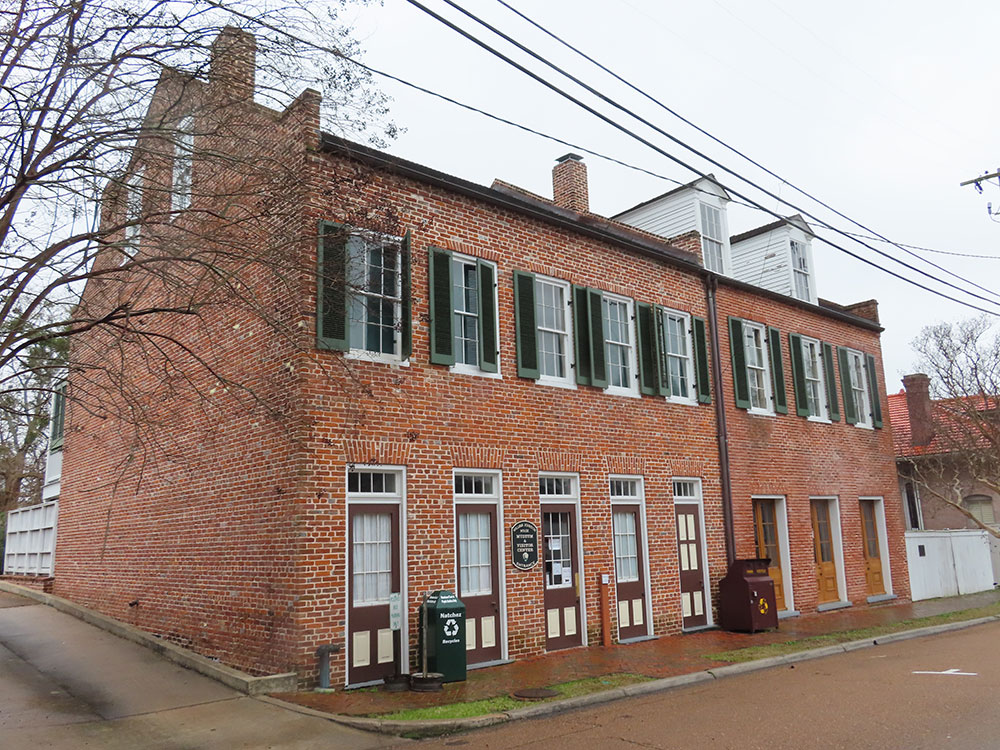
The William Johnson House was the home of William Johnson, a 19th-century free African American barber and resident of Natchez whose diary has been published.
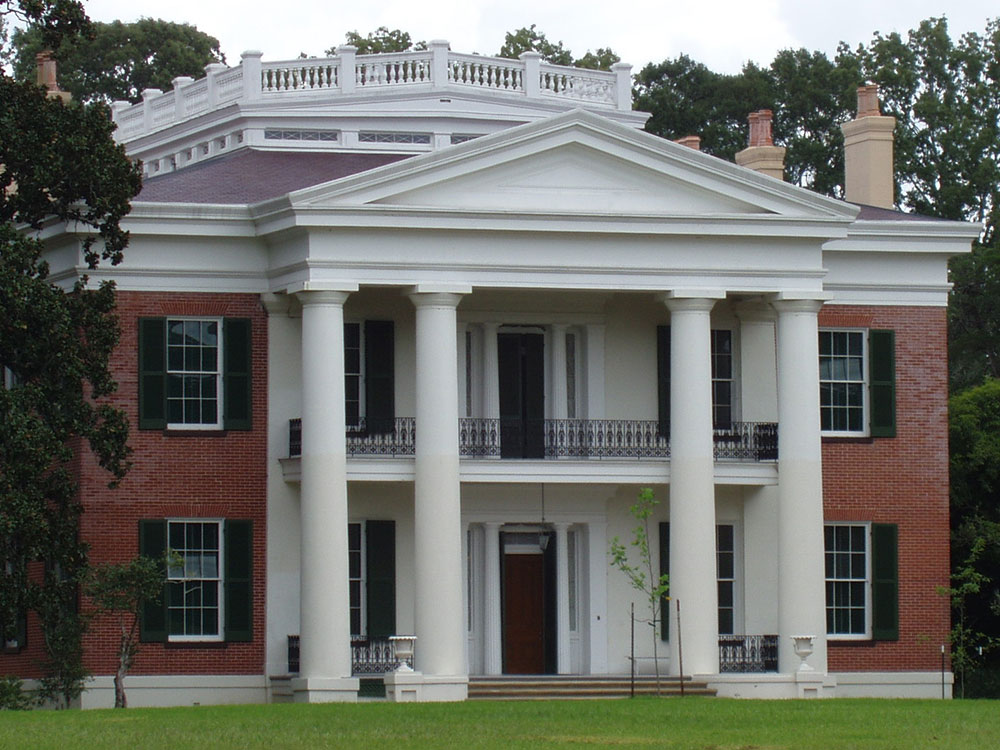
Melrose was the estate of John T. McMurran, a lawyer, state senator, and planter who lived in Natchez from 1830 until the Civil War.
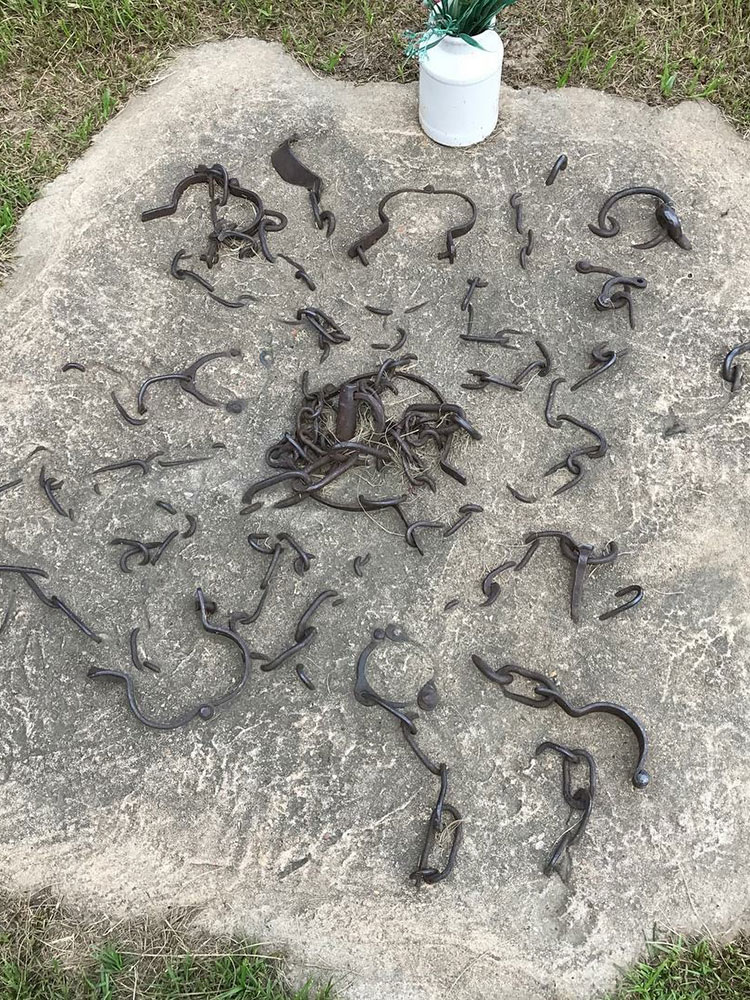
Forks of the Road marks what was the second-busiest slave trading market in the Deep South between 1832-1863. The park opened in an official ceremony on June 18, 2021.
Both Melrose and the William Johnson House contain furnishings related to life in antebellum Natchez and other exhibits. The collection at Melrose's two-story Greek Revival mansion and its slave quarters include painted floor cloths, mahogany, a punkah, a set of Rococo Revival parlor furniture, a set of Gothic Revival dining room chairs, and bookcases with books dating to the 18th century. These were collected from Natchez families, including the McMurran family. The collection in the Johnson house includes furnishings from his life and family. Archaeological objects found in the park are also on display.
This article uses material from the Wikipedia article "Natchez National Historical Park", which is released under the Creative Commons Attribution-Share-Alike License 3.0

-1000.jpg)
.jpg)

,_11-1000.jpg)
,_11.JPG)
,_2-750.jpg)
,_2.JPG)
,_7-1000.jpg)
,_7.JPG)