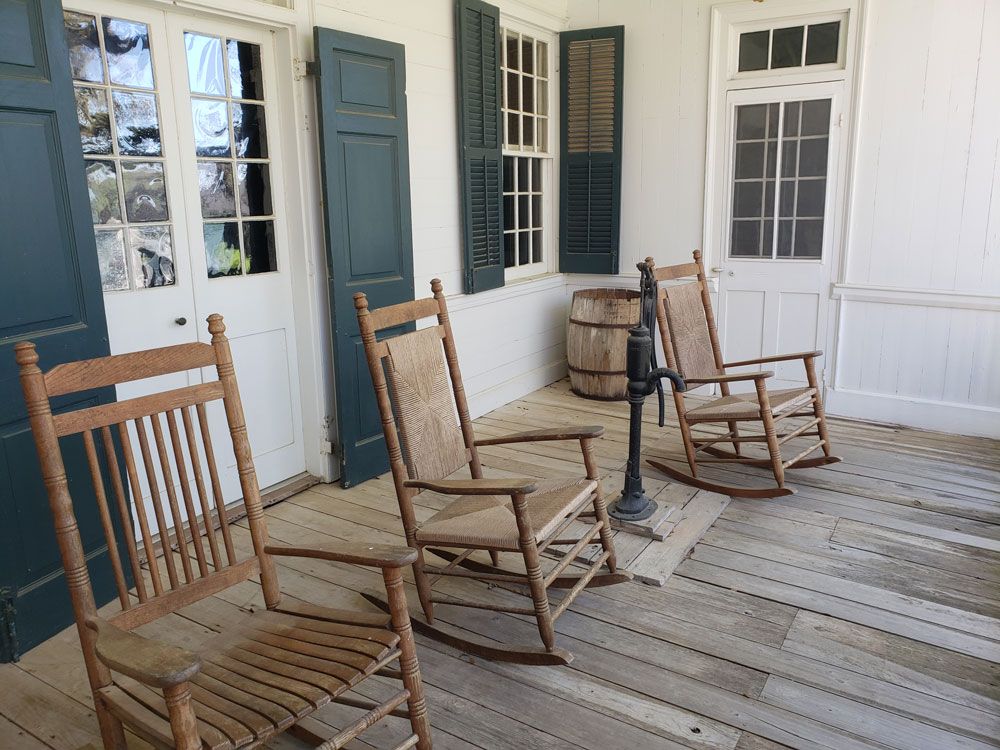
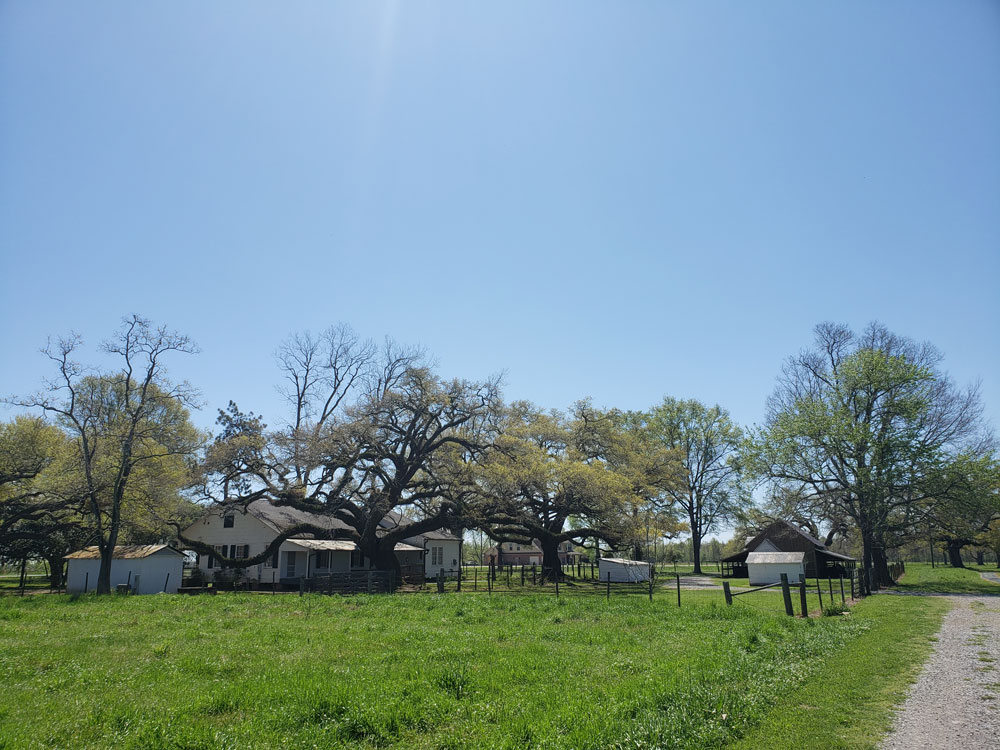
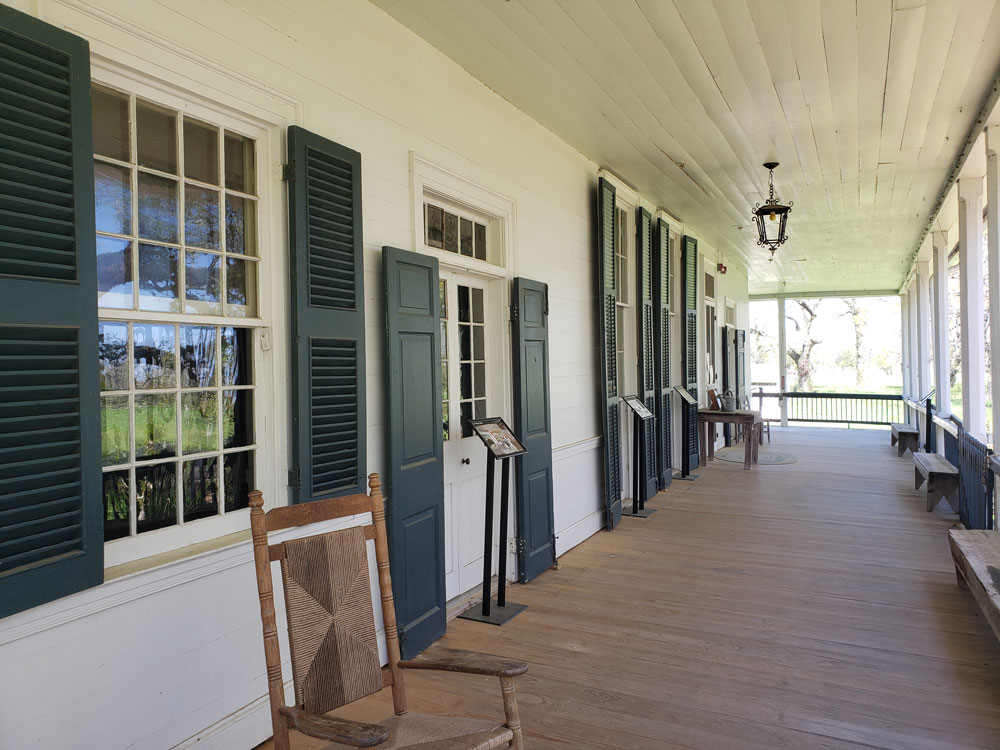
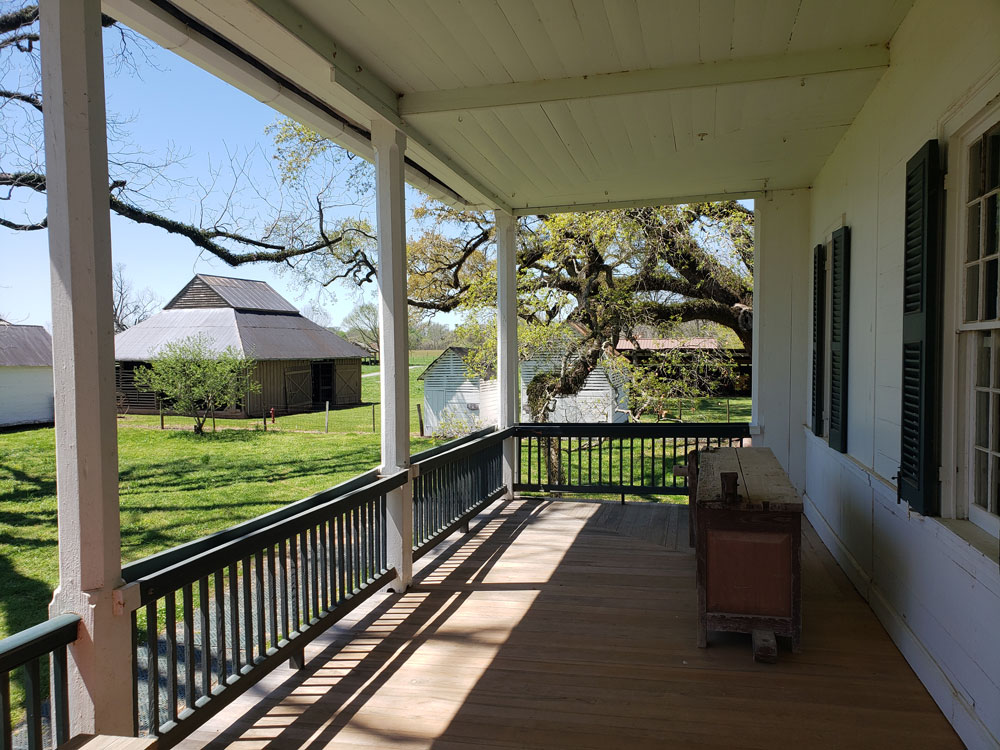
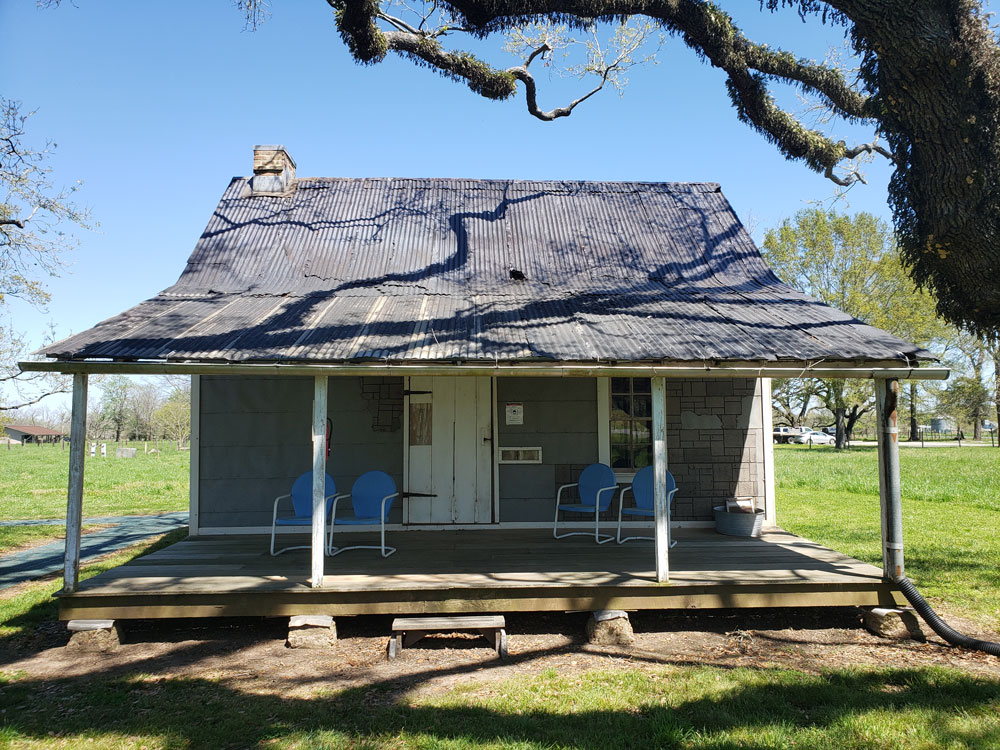
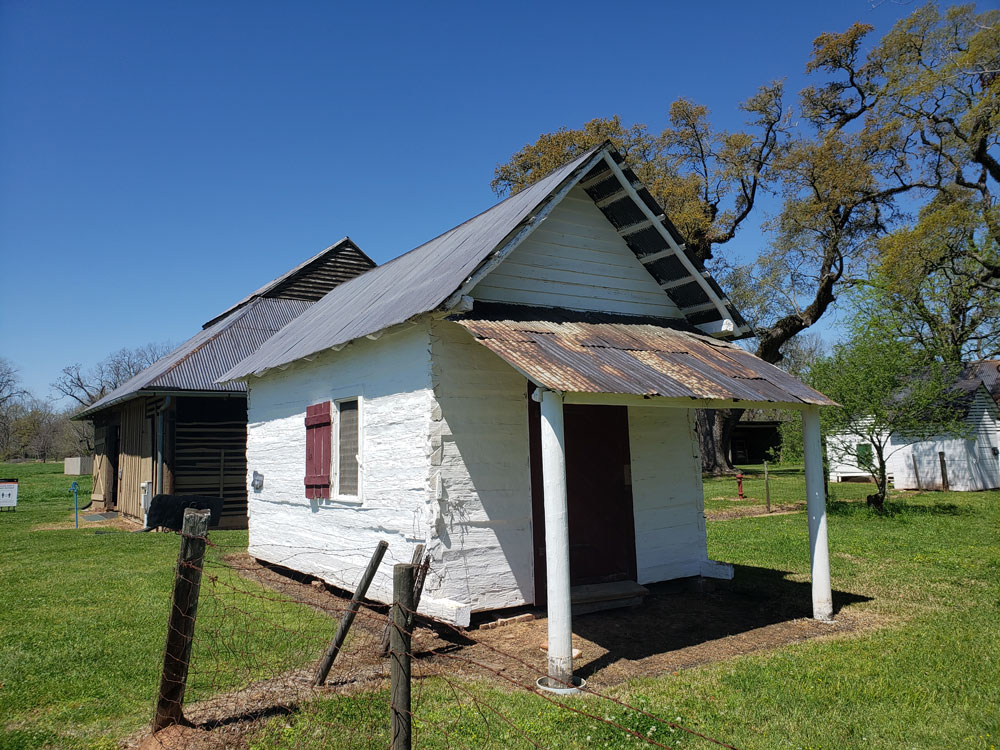
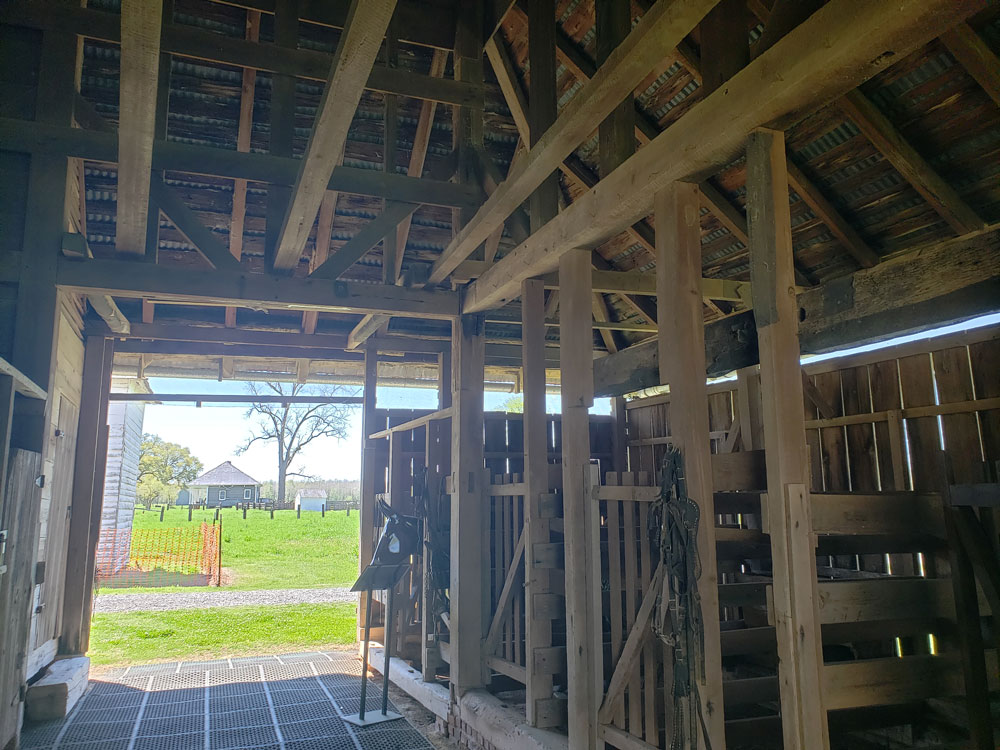
Site preserves outbuildings, sheds, store houses, and tenant cabins illustrate the daily life of a working cotton plantation and offers a window into the Creole colonial culture
General Information
-Guided grounds tours and self-guided tours of outbuildings are available Wednesday through Sunday.
-An outdoor visitor services station and bookstore are available at Oakland.
-The Oakland Main House is open on weekends from 10 am to 2 pm.
-The Oakland and Magnolia Plantation Stores remain closed.
How to Get There
From Natchitoches to Oakland Plantation:
Continue to S Williams Ave. Continue on S Williams Ave to LA-1 BUS S/South Dr. Take LA-1 S to LA-119 S/LA-494 W
From Oakland Plantation to Magnolia Plantation:
Head southwest on LA-119 S/LA-494 W toward Robert Lacaze Rd. Continue to follow LA-494 W. Turn left onto LA-1 S. Turn left onto Cat Island Rd/Par Rd 711
Overview
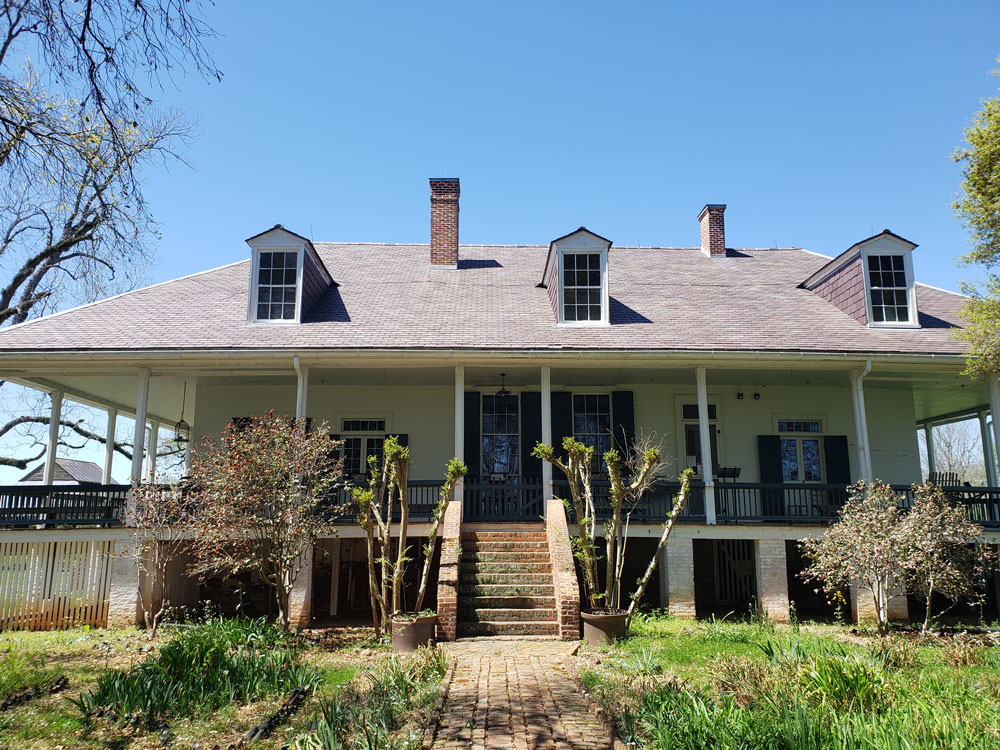
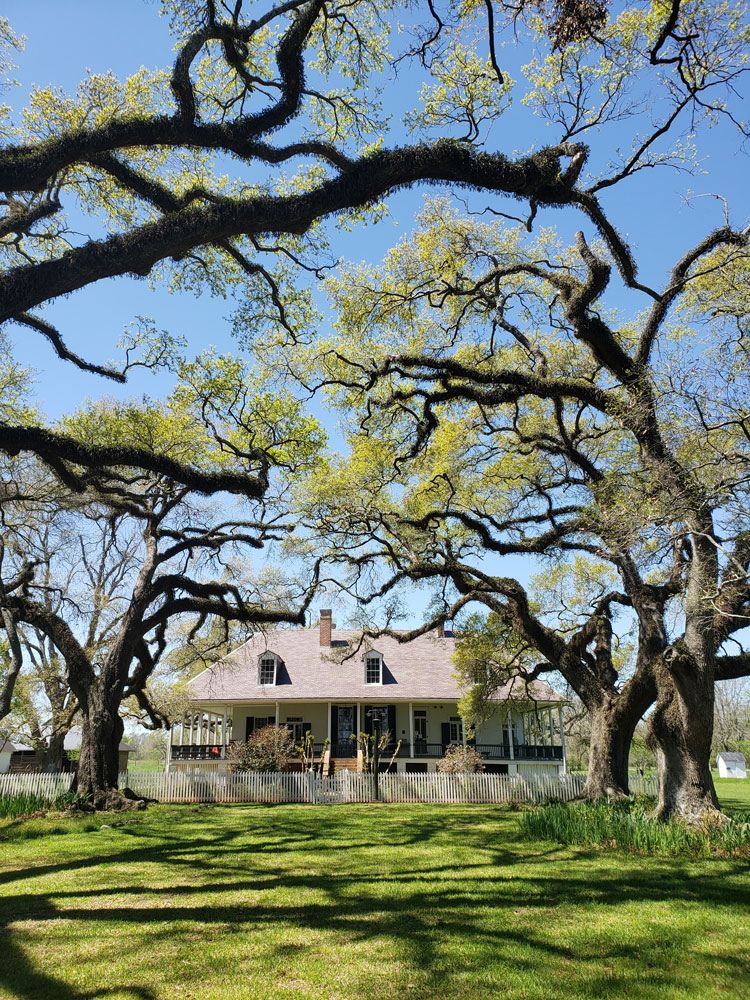
Oakland Plantation was started in the 18th century with a land grant to the French Creole Prud'homme family. In 1789, Emanuel Prud'homme received a land grant from the Spanish government, who ruled Louisiana during that time. Emmanuel was one of the first planters to grow cotton in the area. During this period, Emmanuel began to purchase enslaved workers to labor in the fields and build the structures needed on the plantation. In 1818, Prud'homme began construction of his plantation home. In the late 1820s, Emanuel's son, Pierre Phanor Prud'homme, took over management of the plantation.
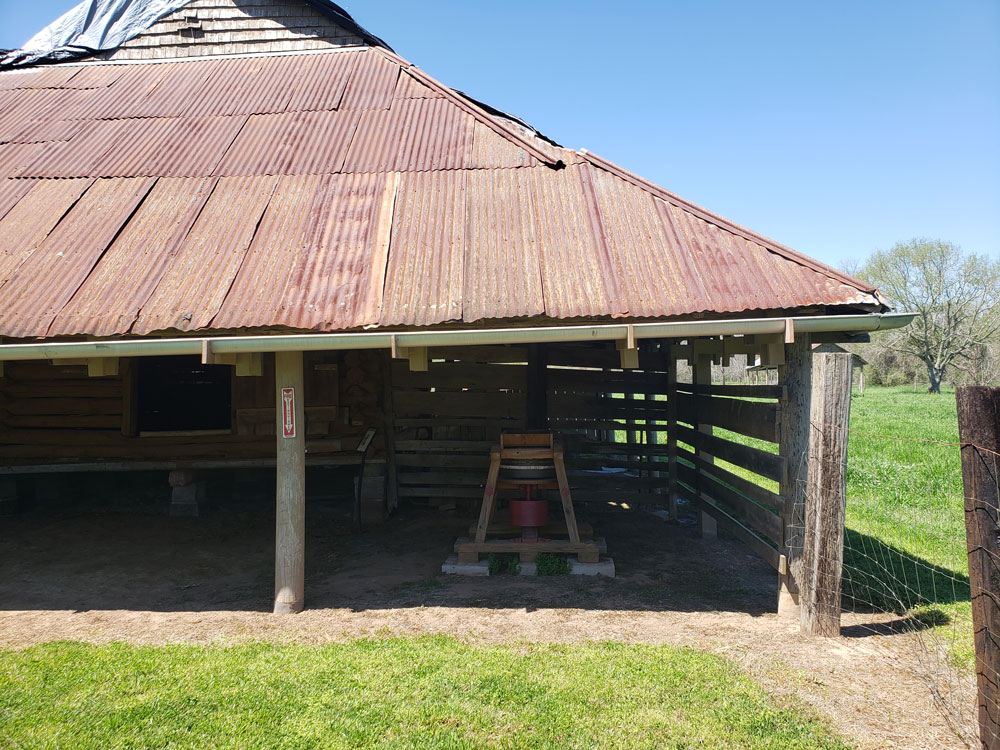
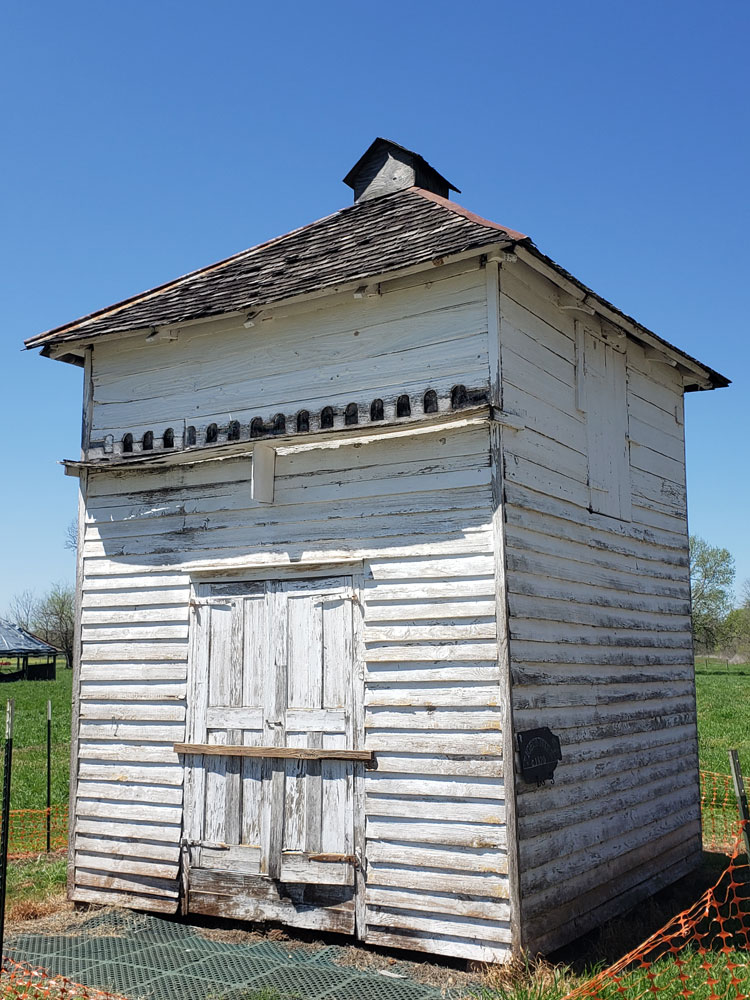
As with Magnolia and most large plantations of the early 19th century, the Prud'homme plantation was a self-sufficient community that grew or made everything that was needed. Its commodity crop was cotton, but produce was grown for use on the plantation, as well as food for animals. Livestock structures were constructed to house mules, chickens, horses, and turkeys. In addition, housing had to be constructed for the overseer and the enslaved people, as well as work sites, such as the wash house and the carpenter shop. An unusual building to modern eyes is the pigeonnière, where pigeons were raised to be enjoyed as a food delicacy.
Although Pierre Phanor had managed the plantation since the 1820s, he did not become the owner until 1845 upon his father's death. Phanor continued to successfully manage the plantation until the Civil War. During these years the enslaved population continued to perform a variety of skills: from cultivating the land and processing the cotton, to constructing the buildings, managing livestock, and making most of the goods needed by the plantation's occupants.
The Civil War brought destruction to the Cane River region. During the Red River Campaign both the Union and Confederate armies destroyed plantation buildings, crops, and livestock. At the Prud'homme plantation, the cotton gin was burned. The facts relating to the survival of the plantation home and Phanor's fate have become clouded by several unconfirmed stories and legends. One family legend states that Phanor was arrested by Union soldiers. He became ill as he was moved from his plantation to Natchitoches, where he died in a cousin's home.
At war's end, Phanor's two sons divided the plantation. Jacques Alphonse Prud'homme kept the land that included the main house and surrounding lands west of the Cane River. Pierre Emmanuel Prud'homme took the land on the east side of the river and established his own plantation, which he called Atahoe.
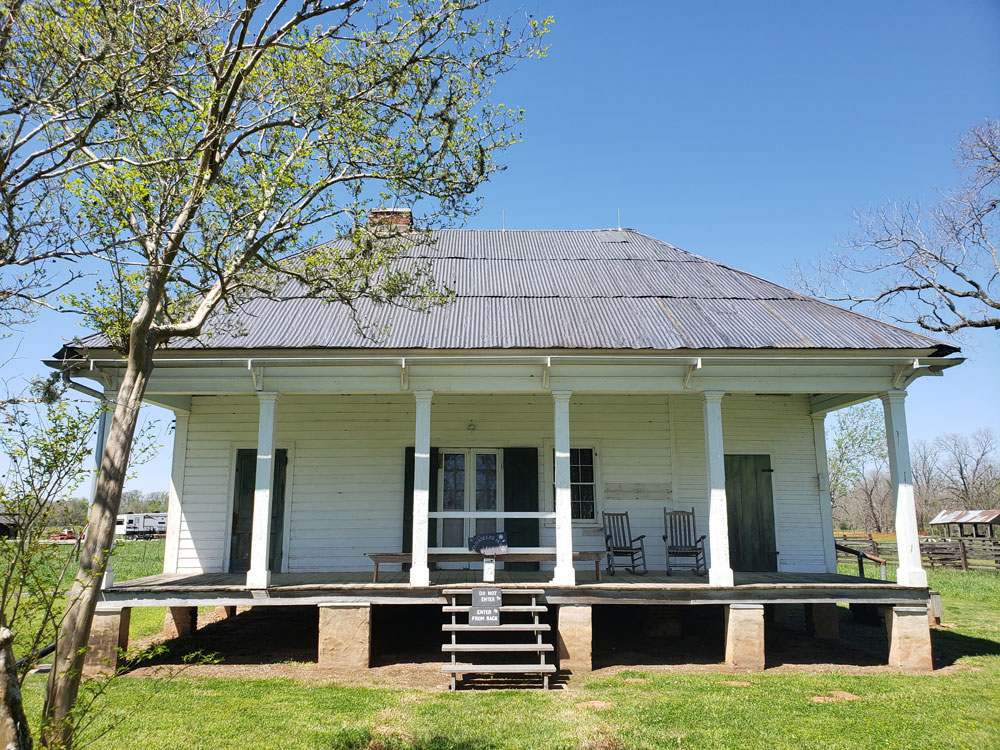
Alphonse renamed his home as Oakland and began rebuilding his fortunes. He adapted to the free labor economy, hiring freedmen as sharecroppers; some Creoles of color leased land separately as tenant farmers. During this era, the Prud'hommes opened a store and post office at Oakland to provide supplies and services for sharecroppers and tenant farmers. The plantation store operated until 1983, serving the larger community when the number of farm workers declined. Low cotton prices in the late 19th century and a boll weevil infestation in the early 20th century resulted in mostly lean times for the planter family and the workers until after World War II.
Modernization came fitfully to Cane River. Phanor Prud'homme II bought the family's first car in 1910, while most people in the area still traveled by mule-drawn wagon. By the 1960s the family adopted mechanization for agriculture, with machines doing more of the tasks long performed by mules and human workers. During World War II and after, many of the remaining black workers had left the plantations in the Great Migration for employment in war industries.
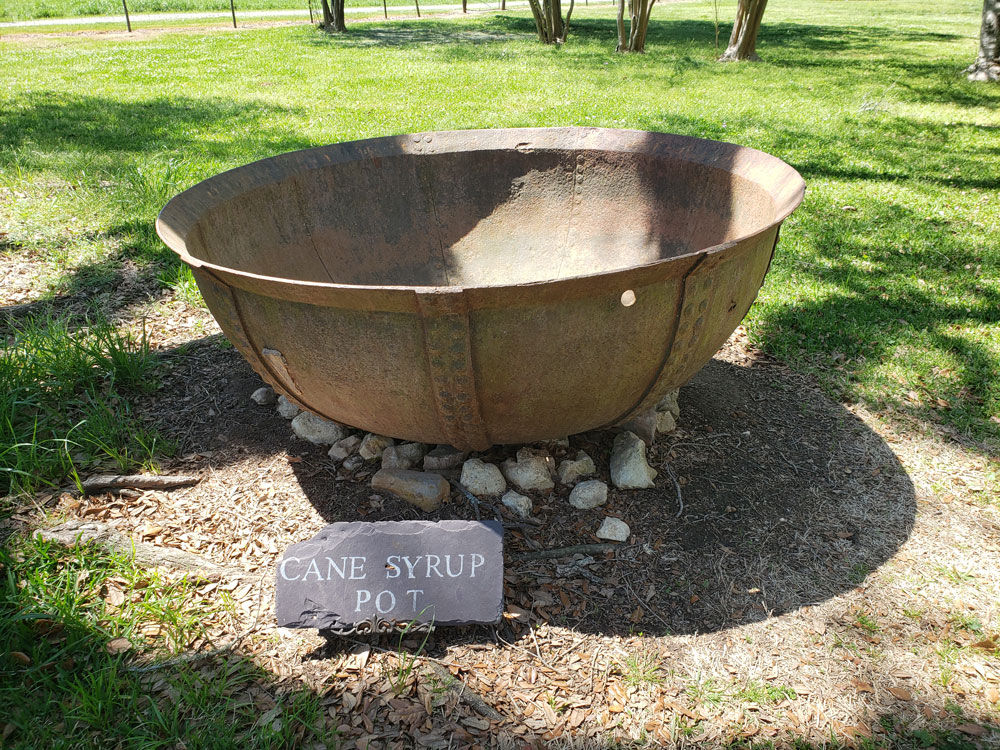
Today, Oakland Plantation is listed by the National Park Service as a National Historic Landmark and Bicentennial Farm. Open to the public as a unit of Cane River Creole National Historical Park, a unit of the National Park System, Oakland's outbuildings, sheds, store houses, and tenant cabins illustrate the daily life of a working cotton plantation. The site offers a window into the Creole colonial culture, maintained by ethnic French such as the Prud'homme family, along with generations of blacks and Creoles of color in the formation of the larger community culture and agricultural landscape.
This article uses material from the Wikipedia articles "Cane River Creole National Historical Park", which are released under the Creative Commons Attribution-Share-Alike License 3.0