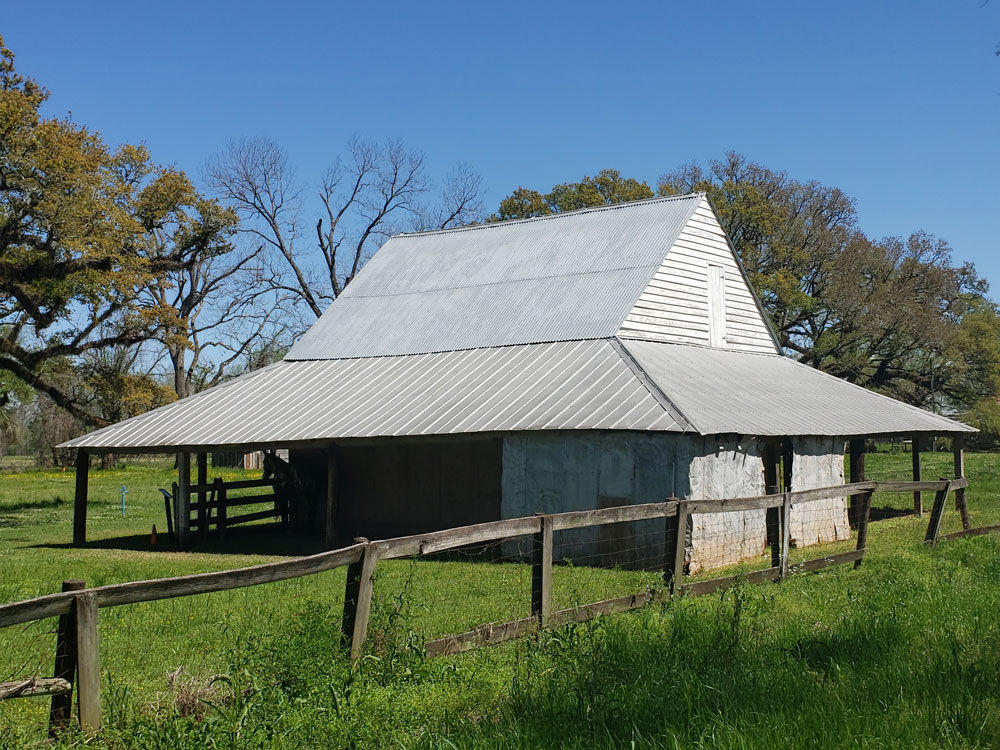
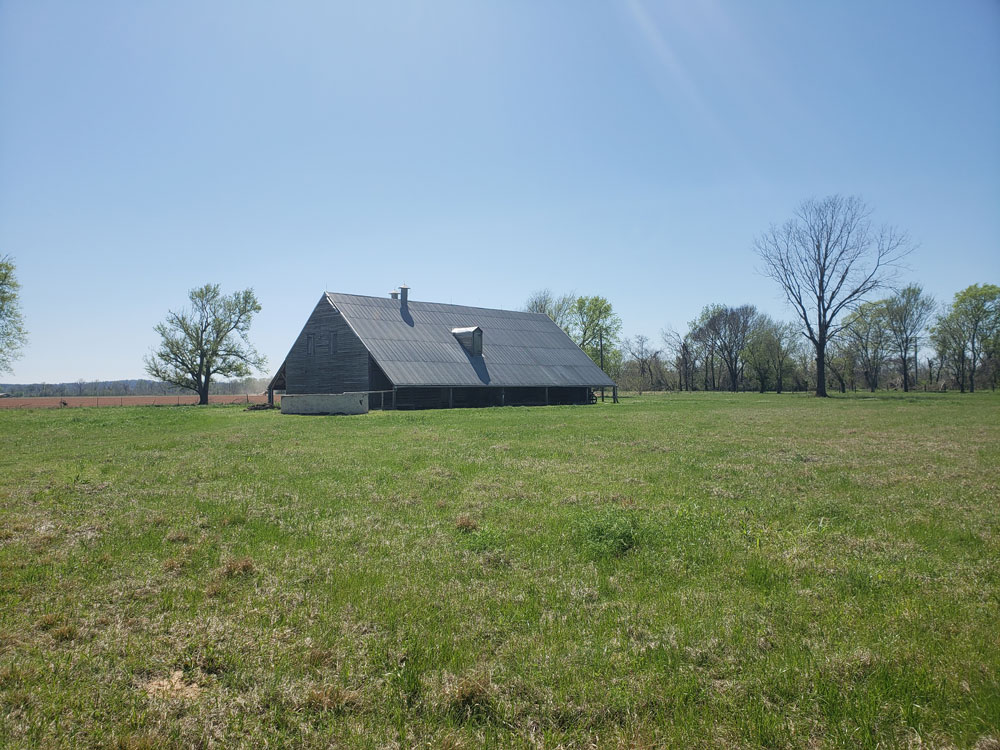
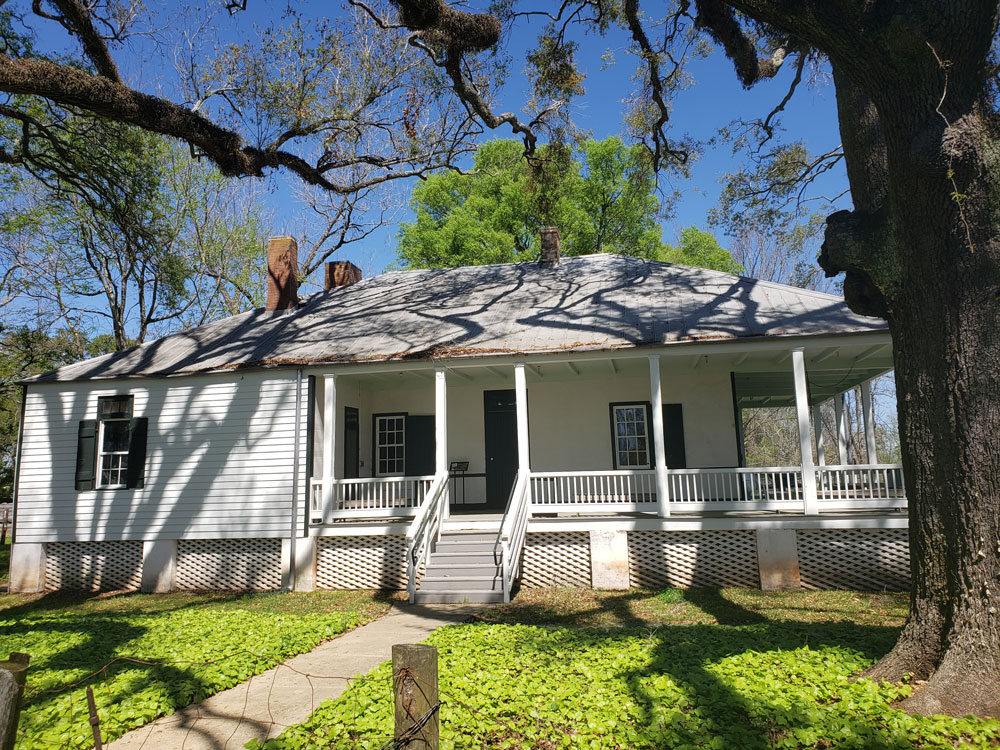
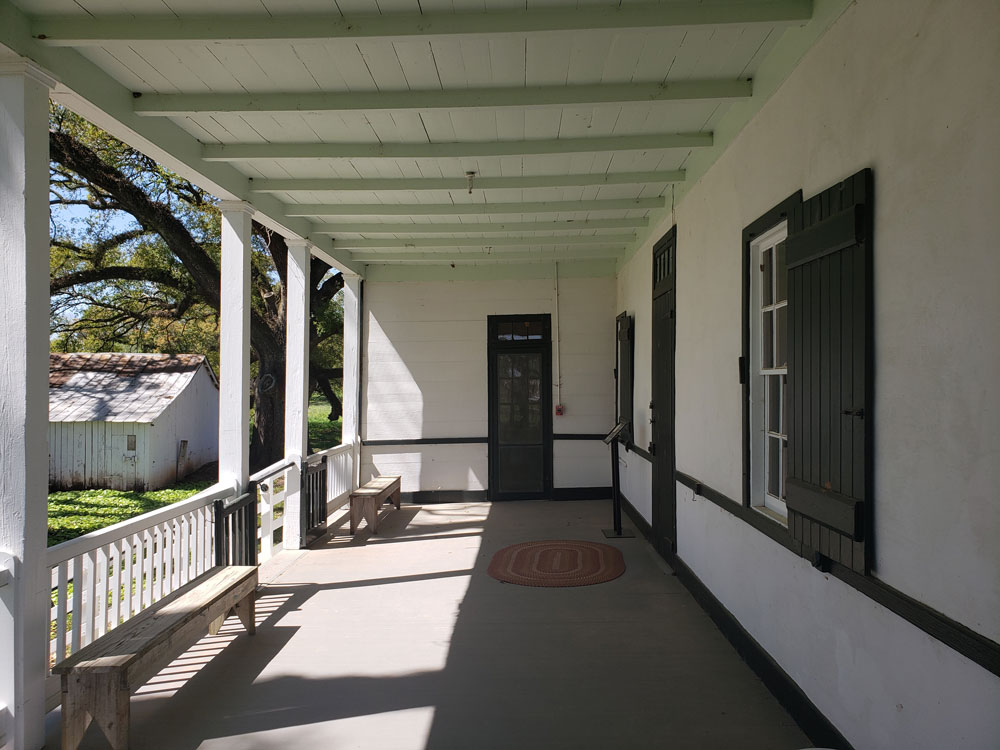
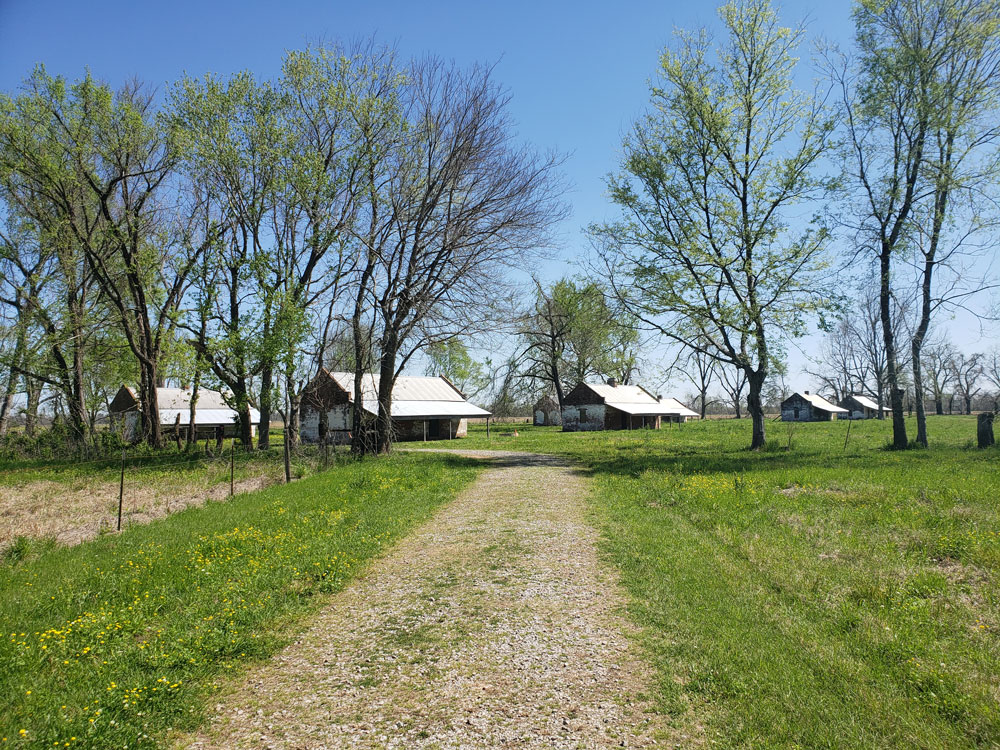
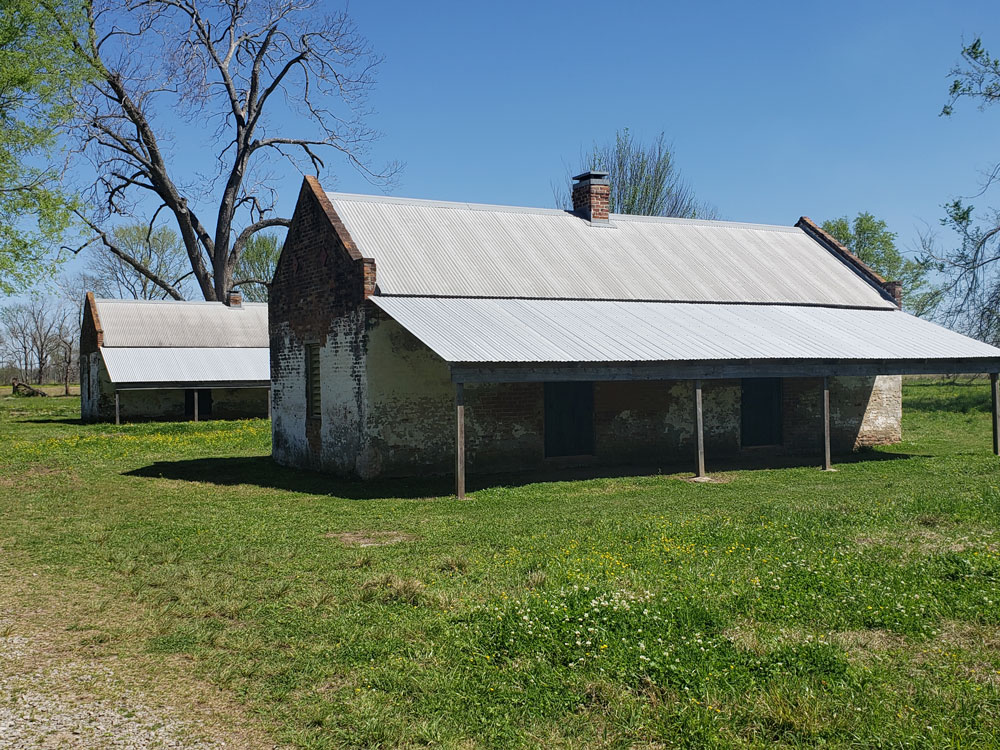
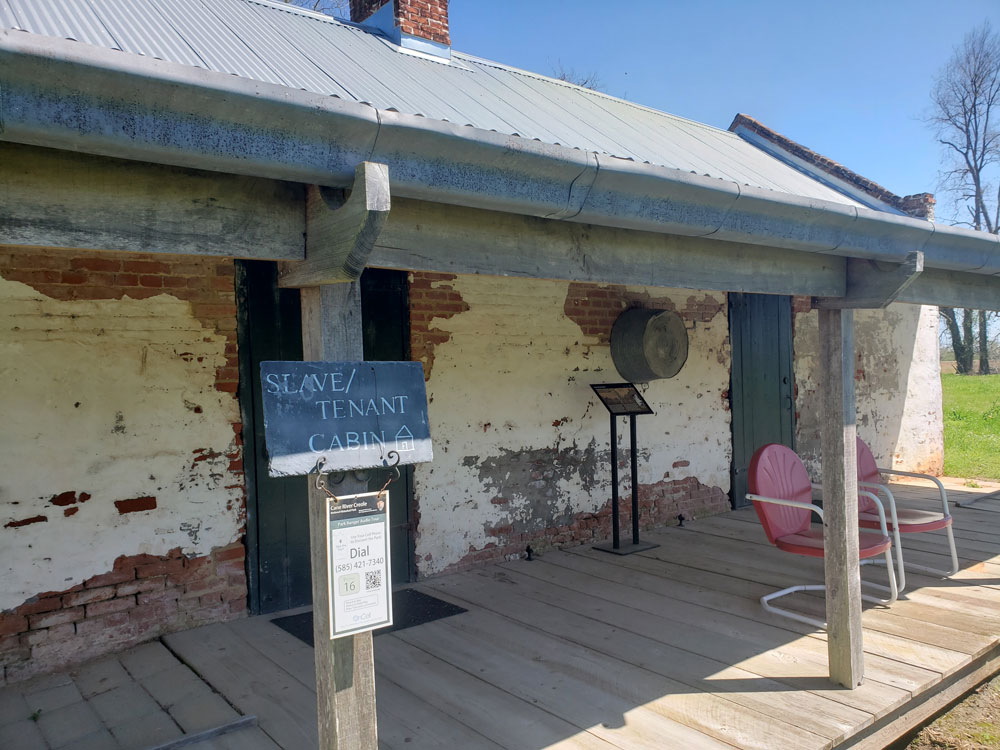
National Historic Landmark preserving Plantation Store, the Overseer's House, the Blacksmith Shop, the Slave/Tenant Quarters, the Gin Barn, Cotton Picker Shed, and Carriage House
General Information
-Guided grounds tours and self-guided tours of outbuildings are available Wednesday through Sunday.
-An outdoor visitor services station and bookstore are available at Oakland.
-The Oakland Main House is open on weekends from 10 am to 2 pm.
-The Oakland and Magnolia Plantation Stores remain closed.
How to Get There
From Natchitoches to Magnolia Plantation:
Head east on Church St toward Front St. Turn right onto Williams Ave. Continue straight onto S Williams Ave. Turn left onto Magnolia Ave. Turn right onto LA-1 BUS S/South Dr. Continue onto LA-1 S. Turn left onto Cat Island Rd/Par Rd 711
From Oakland Plantation to Magnolia Plantation:
Head southwest on LA-119 S/LA-494 W toward Robert Lacaze Rd. Continue to follow LA-494 W. Turn left onto LA-1 S. Turn left onto Cat Island Rd/Par Rd 711.
Overview
The origins of Magnolia Plantation can be traced to the mid-18th century, when the French LeComte family received grants to the land, and are continued by the French Hertzog family. In 1753, Jean Baptiste LeComte received a French land grant in Natchitoches Parish. LeComte established the Shallow Lake plantation and focused mainly on tobacco as a commodity crop, and subsistence farming. The LeComte family pioneered through the colonial rule of the French and the Spanish, and became one of the most successful landowning families in Natchitoches Parish. By the early 19th century the LeComte family was producing cotton and expanding their landholdings.
In the 1830s, Ambrose LeComte II acquired the land that would come to form Magnolia Plantation. During this period, the LeComtes were extremely prosperous and began to build most of the structures that are still located on Magnolia. By the 1850s Ambrose and his wife Julia (Buard) retired to their Natchitoches townhouse, where Ambrose could focus on his lucrative race horse business. By 1852 management of the plantation was turned over to Ambrose's son-in-law, Matthew Hertzog. The name Hertzog would eventually become inextricably linked with the plantation.
This prosperous period for the planter family would come to an abrupt halt with the Civil War. During the Civil War, Magnolia's main house was burned to the ground by Union troops during the Red River Campaign. In addition, crops and plantation structures were destroyed by both Confederate and Union armies.
After the Civil War, the LeComte-Hertzog family rebuilt their plantation along with the main house. They converted much of their land to be worked by the new labor system of sharecropping by freedmen. In addition, they leased some acreage to tenant farmers, who were mostly Creoles of color.
The system of sharecropping required an agreement between the landowner and the tenant. The sharecropper agreed to farm a section of the owner's land in exchange for part of the crops or the money the crops generated. The plantation owner often supplied the seed and agricultural equipment required to cultivate the crop. On larger plantations, such as Magnolia and Oakland, a plantation store was opened to sell goods to the sharecroppers. A hardship faced by many sharecroppers across the South was the cycle of poverty created through the constant flow of debt and repayment owed to the plantation store. There was often little money left to live on.
During the 20th century, the old plantation world was fading. Mechanization replaced many black workers on the cotton fields by the 1960s. Yet many of the community's old ways persisted. At Magnolia, workers and planters still enjoyed baseball games and horse races, and celebrated Juneteenth. The last black family left the plantation in 1968. The Hertzog family contracted with an agricultural company to work the land.
In the early 21st century, Magnolia Plantation is recognized as a Bicentennial Farm and a National Historic Landmark. The main house at Magnolia and the farming acreage are owned by the Hertzog family and are not open to the public.
But the Plantation Store, the Overseer's House, the Blacksmith Shop, the Slave/Tenant Quarters, the Gin Barn, Cotton Picker Shed, and Carriage House are all part of Cane River Creole National Historical Park, which was designated in 1994. They are open to visitors. The gin barn houses two types of cotton gins and a rare 1830s mule-powered cotton press, which is the last of its kind still standing in its original location. The lives of the diverse people associated with Magnolia are being represented to reflect the resilience, resourcefulness, dedication, and continuous interaction of families and communities along Cane River.
This article uses material from the Wikipedia articles "Cane River Creole National Historical Park", which are released under the Creative Commons Attribution-Share-Alike License 3.0