.jpg)
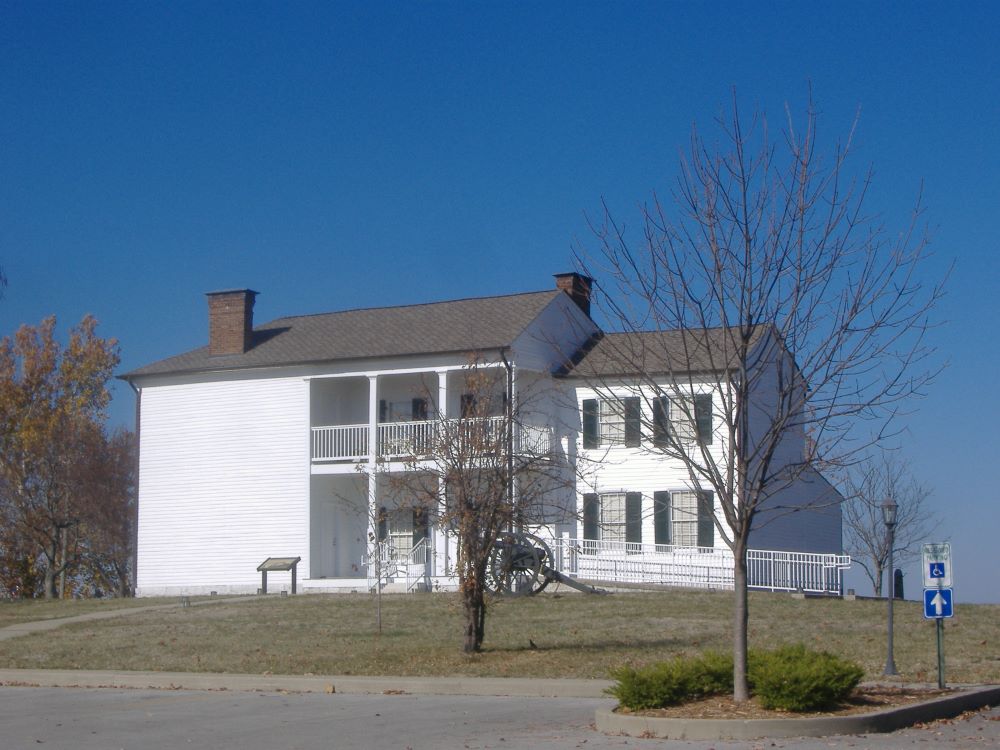
Civil War-era military site featuring a visitor center, museum, reconstructed barracks, and trails that interpret the history of African American soldiers and refugees.
General Information
Open Wednesday–Sunday: 9:00am–5:00pm
Closed Monday and Tuesday
Grounds and trails: Open daily from sunrise to sunset
How to Get There
From Lexington, KY (20 mi): Take US-27 S toward Nicholasville, turn right onto KY-34 W, then left onto Old Danville Loop 2 Road to reach the monument entrance.
Overview
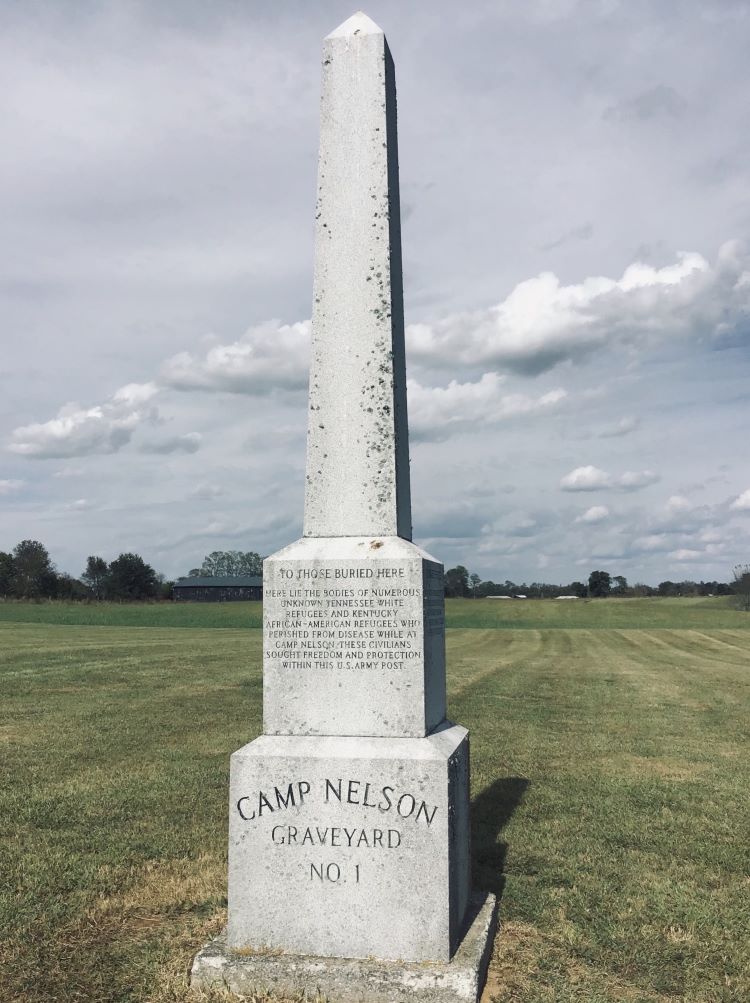
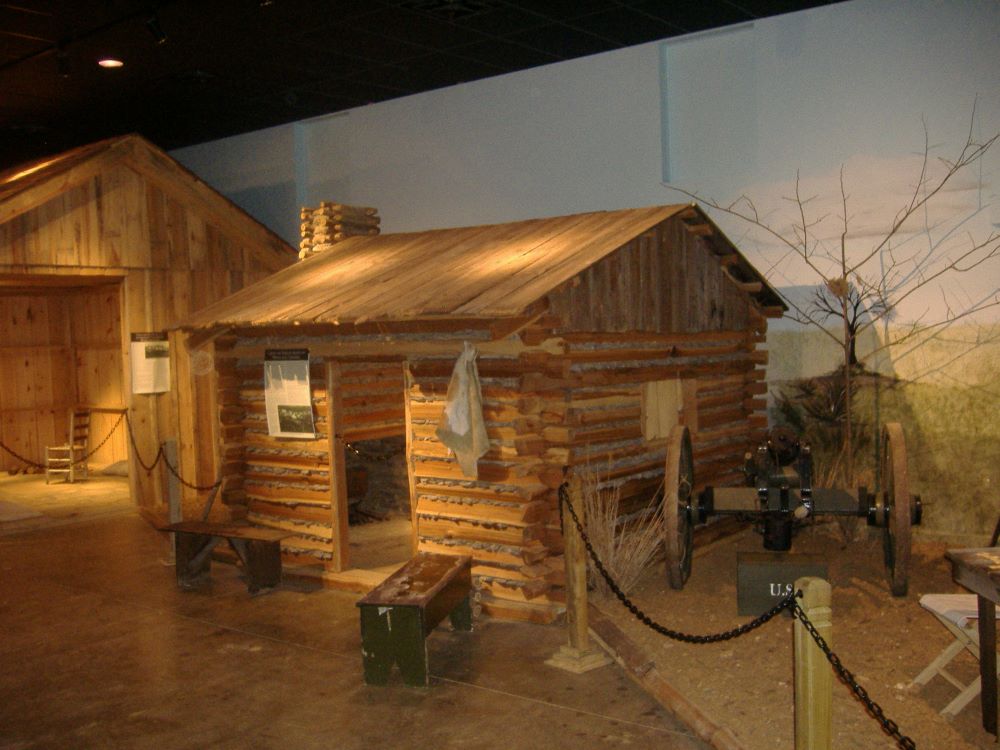
The Camp Nelson National Monument in Nicholasville, Kentucky, preserves one of the most significant Union Army supply depots and recruitment centers for African American soldiers during the Civil War. Established in 1863, the site became a sanctuary for thousands of formerly enslaved individuals seeking freedom and protection. Today, visitors can explore the reconstructed barracks, museum exhibits, and a 17-minute orientation film that brings to life the stories of soldiers, refugees, and abolitionists who shaped this pivotal chapter in American history. The monument is also part of the National Underground Railroad Network to Freedom.
Spanning over 500 acres, the site features more than four miles of interpretive trails that wind through rolling hills and historic landscapes. The grounds are open year-round and offer a peaceful setting for reflection and learning. Seasonal programs, ranger-led tours, and Junior Ranger activities provide engaging experiences for all ages. Whether you're walking in the footsteps of freedom seekers or exploring Civil War-era military history, Camp Nelson offers a powerful and educational journey into the past.
Things to Do
Explore the Historic Camp Nelson Site
Camp Nelson National Monument preserves one of the most significant Civil War recruitment and training centers for African American soldiers in the United States. Originally established as a Union Army supply depot, Camp Nelson became a major center for the enlistment of formerly enslaved men into the United States Colored Troops and played an important role in the fight for freedom and citizenship.
Visit the Visitor Center and Museum
The visitor center features exhibits, artifacts, films, and interpretive displays that explore the history of Camp Nelson, the Civil War, emancipation, and the experiences of African American soldiers and refugee families who lived at the site.
Learn About Emancipation and Civil Rights History
Visitors can explore reconstructed and preserved historic areas, including fortifications and interpretive landscapes that tell the story of Camp Nelson's transformation into a center of freedom for thousands of formerly enslaved people seeking refuge behind Union lines.
Top Trails
Heritage Trail
Length: Approximately 1.0 mile loop
Elevation Gain: Minimal
Difficulty: Easy
This interpretive trail connects key historic locations throughout the monument and provides information about military operations, recruitment efforts, refugee settlements, and daily life at Camp Nelson during the Civil War.
Fort Jones Trail
Length: Approximately 0.5 miles round trip
Elevation Gain: Minimal
Difficulty: Easy
Visitors can walk to the remains of Fort Jones and other defensive features while learning about the military significance of Camp Nelson and its role in protecting Union supply lines and personnel.
Sources: National Park Service official Camp Nelson National Monument information, including Civil War history, African American military service, emancipation history, visitor center exhibits, historic features, and visitor resources. https://www.nps.gov/cane/index.htm Additional historical, trail, and visitor information verified through National Park Service planning and interpretive resources. https://www.nps.gov/cane/planyourvisit/index.htm https://www.nps.gov/cane/learn/historyculture/index.htm
This article uses material from the Wikipedia articles and official tourism pages for the https://www.nps.gov/cane/index.htm, which are released under the Creative Commons Attribution-Share-Al


-1000.jpg)

-1000.jpg)

-1000.jpg)