.jpg)
Outdoor museum and nature preserve featuring Ice Age fossil beds, salt springs, a bison herd, and interpretive exhibits on prehistoric life and paleontology.
General Information
Museum & Visitor Center: March 16–Nov 12: Daily 8:30am–4:00pm
Nov 13–March 15: Mon–Sat 9:00am–3:00pm
How to Get There
From Cincinnati, OH (27 mi): Take I-71 S/I-75 S toward Lexington/Louisville, then take exit 175 for KY-338/Richwood Road; follow KY-338 W for about 7 miles to Beaver Road and turn left to reach the park entrance.
Overview
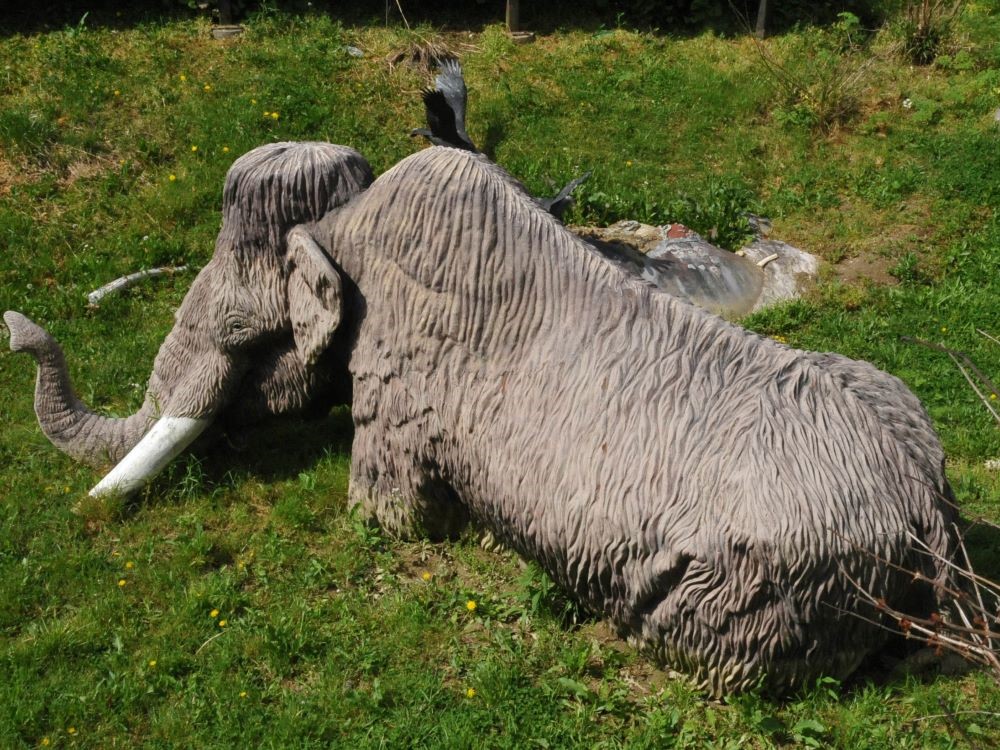
The Big Bone Lick State Historic Site is a unique blend of natural history and outdoor recreation, offering visitors a rare glimpse into the prehistoric past of North America. Known as the “Birthplace of American Vertebrate Paleontology,” the site gained scientific prominence in the 18th century when explorers and naturalists uncovered fossilized remains of mammoths, mastodons, and other Ice Age creatures. The park features active salt springs, a recreated Pleistocene marsh, and a herd of modern bison that echo the ancient megafauna that once roamed the region. Interpretive trails, a museum with fossil exhibits, and educational programs make it a rich destination for families, students, and history enthusiasts alike.
Beyond its scientific significance, the park offers a variety of recreational opportunities including hiking, birding, camping, and orienteering. The Discovery Trail and Big Bone Creek Trail provide scenic walks through woodlands and wetlands, while the museum showcases artifacts and dioramas that bring the Ice Age to life. Seasonal events and a well-equipped campground enhance the visitor experience, making Big Bone Lick a year-round destination. Whether you're drawn by its paleontological legacy or its peaceful natural setting, the park invites exploration and reflection on the deep history of life in North America.
Things to Do
See the Ice Age Fossil Site
Big Bone Lick State Historic Site is known as the "Birthplace of American Vertebrate Paleontology." The site became famous for the discovery of Ice Age fossils, including mammoths, mastodons, giant ground sloths, and other prehistoric animals that were attracted to the area's natural salt springs.
Visit the Museum and Discovery Trail
The park's museum features exhibits on paleontology, geology, archaeology, and the history of fossil discoveries at Big Bone Lick. Visitors can learn about the scientific expeditions that helped shape America's understanding of prehistoric life and explore interpretive displays throughout the park.
See the Bison Herd
A herd of American bison resides within the park, providing visitors with a glimpse of an animal that once roamed Kentucky's landscapes. Observation areas allow guests to safely view and photograph these iconic animals while learning about their ecological importance.
Top Trails
Discovery Trail
Length: Approximately 0.75 miles loop
Elevation Gain: Minimal
Difficulty: Easy
This interpretive trail leads visitors through the fossil discovery area and natural salt springs while explaining the site's paleontological significance, ancient wildlife, and geological history.
Gobbler's Trace Trail
Length: Approximately 1.5 miles loop
Elevation Gain: Minimal to moderate
Difficulty: Easy
This scenic trail travels through woodlands and natural habitats within the park, offering opportunities for wildlife viewing, birdwatching, and experiencing the landscape that helped attract prehistoric animals to Big Bone Lick.
Sources: Kentucky State Parks official Big Bone Lick State Historic Site information, including Ice Age fossil discoveries, museum exhibits, bison herd, natural salt springs, hiking trails, and visitor amenities. https://parks.ky.gov/union/parks/historic/big-bone-lick-state-historic-site Additional paleontological and visitor information verified through Kentucky State Parks educational resources and site guides. https://parks.ky.gov/parks/historic/big-bone-lick/
This article uses material from the Wikipedia articles and official tourism pages for the Big Bone Lick State Historic Site, which are released under the Creative Commons Attribution-Share-Alike License 3.0