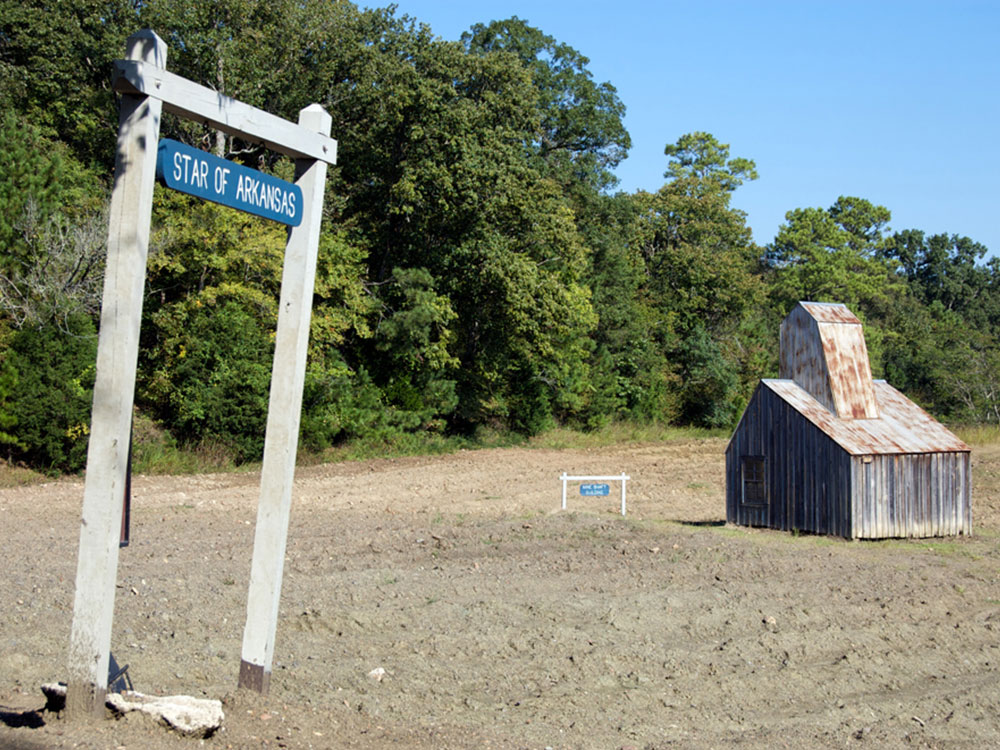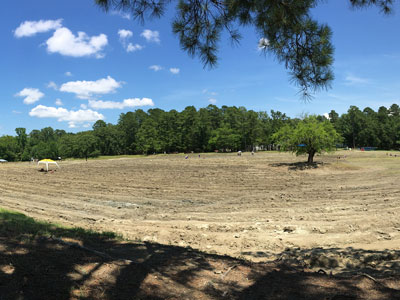

Public diamond-bearing field where visitors can search for and keep naturally occurring diamonds, gemstones, and minerals discovered in the eroded surface of an ancient volcanic crater.
General Information
Diamond Search Area: 8:00am to 4:00pm
Closed New Year's Day, Thanksgiving Day, Christmas Eve, and Christmas Day
Children (6-12): $7
Children under 6: Free
How to Get There
From Murfreesboro (2 mi): Follow AR-301 south from downtown Murfreesboro and continue directly to the entrance on State Park Road.
Overview
Crater of Diamonds State Park is a 911-acre (369 ha) Arkansas state park in Pike County, Arkansas. The park features a 37.5-acre (15.2 ha) plowed field, the world's only diamond-bearing site accessible to the public. Diamonds have continuously been discovered in the field since 1906, including the Strawn-Wagner Diamond. The site became a state park in 1972 after the Arkansas Department of Parks and Tourism purchased the site from the Arkansas Diamond Company and Ozark Diamond Mines Corporation, who had operated the site as a tourist attraction previously.
The Crater of Diamonds volcanic pipe is part of a 95-million-year-old eroded volcano. The deeply sourced lamproite magma, from the upper mantle, brought the diamonds to the surface. The diamonds had crystallized in the cratonic root of the continent long before and were sampled by the magma as it rose to the surface.
Crater of Diamonds State Park is famous for the 37.5-acre (15.2 ha) plowed field on which visitors can hunt for diamonds and other semi-precious gems. The visitor center contains information about the geology of the park, a gift shop, and a cafe. Interested visitors can continue to the Diamond Discovery Center, which offers an interpretive look at prospecting for diamonds. The Diamond Springs aquatic playground, enclosed pavilion, trails, and picnic areas surround the diamond field. The park offers camping facilities near the Little Missouri River.
Things to Do
Search for Real Diamonds
Crater of Diamonds State Park is the only diamond-bearing site in the world where the public can search for diamonds and keep any gemstones they find. Visitors can hunt for diamonds, as well as amethyst, garnet, jasper, agate, and other minerals across the park's 37-acre search field.
Learn About Geology and Gemstones
The park's Diamond Discovery Center features exhibits on geology, volcanology, mining history, and notable diamond finds. Visitors can learn how diamonds formed, how to identify gemstones, and the history of diamond discoveries at the site.
Cool Off at Diamond Springs Water Park
During the warmer months, visitors can enjoy Diamond Springs Water Park, which features water play areas, mining-themed attractions, and family-friendly recreation. The park also offers picnic areas, camping, and nature observation opportunities.
Top Trails
Little Missouri River Trail
Length: Approximately 1.2 miles round trip
Elevation Gain: Minimal
Difficulty: Easy
This scenic trail follows the Little Missouri River through woodlands and along the river corridor. Visitors can enjoy wildlife viewing, birdwatching, and a peaceful alternative to the busy diamond search area.
Prospector Trail
Length: Approximately 1.5 miles loop
Elevation Gain: Minimal
Difficulty: Easy
The Prospector Trail provides a pleasant walk through the park's natural landscape while offering interpretive information about local geology, mining history, and the unique volcanic formation that created the diamond deposit.
Sources: Arkansas State Parks official Crater of Diamonds State Park information, including diamond searching opportunities, the Diamond Discovery Center, Diamond Springs Water Park, camping facilities, and visitor amenities. https://www.arkansasstateparks.com/parks/crater-diamonds-state-park Additional trail, geology, gemstone, and visitor information verified through Arkansas State Parks educational resources and park guides. https://www.arkansasstateparks.com/parks/crater-diamonds-state-park/activities
This article uses material from the Wikipedia article "Crater of Diamonds State Park", which is released under the Creative Commons Attribution-Share-Alike License 3.0