.jpg)
Recreation area protects the waters of the Bighorn River and Bighorn Lake, which extends 71 miles (114 km) through Wyoming and Montana
General Information
Cal S. Taggart Bighorn Canyon Visitor Center (Lovell, WY District)
Open daily 8:30am to 4:30pm
Closed Thanksgiving and Christmas
Yellowtail Dam Visitor Center Fort Smith, MT District
Open daily from Memorial Day to Labor Day 8:30am to 4:30pm
Billings, MT, 114 miles
From Billings (114 miles): Get on I-90 W from S 27th St. Take US-310 E to WY-37 N in Big Horn County. Turn left onto WY-37 N.
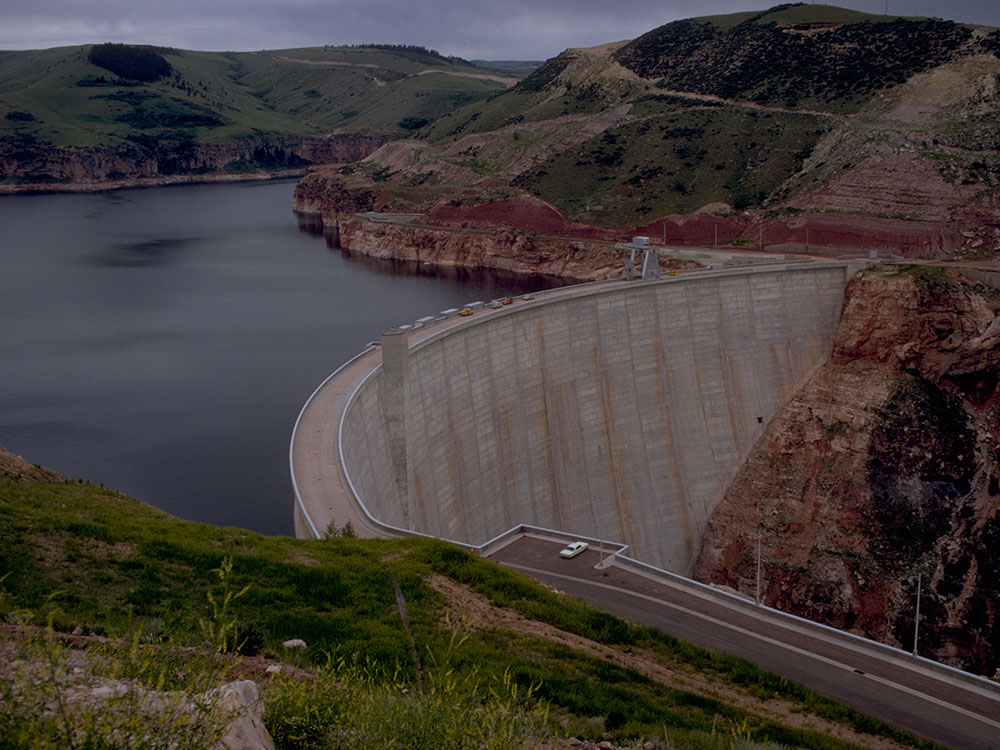
Bighorn Canyon National Recreation Area is a recreation area established by an act of Congress on October 15, 1966, following the construction of the Yellowtail Dam by the Bureau of Reclamation. It straddles the border between Wyoming and Montana. The dam, named after the famous Crow leader Robert Yellowtail, harnesses the waters of the Bighorn River by turning that variable watercourse into Bighorn Lake. The lake extends 71 miles (114 km) through Wyoming and Montana, 55 miles (89 km) of which lie within the national recreation area. About one third of the park unit is located on the Crow Indian Reservation. Nearly one-quarter of the Pryor Mountains Wild Horse Range lies within the Bighorn Canyon National Recreation Area.
Afterbay Lake, located below Yellowtail Dam, is a popular spot for trout fishing as well as for viewing ducks, geese and other animals. The Bighorn River below the Afterbay Dam is likewise a world-class trout fishing area. In addition, the area features many archeological and historical resources. Visitor centers and other developed facilities are located in Fort Smith, Montana and near Lovell, Wyoming.
Bighorn Canyon National Recreation Area has four historic ranches within its boundaries:
L Slash Heart Ranch was owned by Caroline Lockhart, a notable journalist and novelist in the early 1900s. Two of her books were made into silent films in the 1920s.
Mason-Lovell Ranch was operating during the open range days of the 1880s; the ranch once had 25,000 cattle roaming the entire Bighorn Basin.
Cedarvale Ranch, located in the ghost town of Hillsboro, Montana, was a dude ranch owned by native New Yorker Grosvener W. "Doc" Barry, and attracted people for vacations. Visitors included Doc Barry's friend President Teddy Roosevelt, but attracting other vacationers proved more difficult.
Ewing-Snell Ranch is a former family ranch started by Erastus Ewing. Ewing went west to get rich in gold mining, but he was not successful in the gold fields and turned to ranching.
North of Lovell along the Sullivan Knob's Trail is one of the national recreation area's more unusual claims to fame. There a visitor can stand in a certain spot on the canyon rim, shout across the canyon and then hear a "triple echo" in reply.
The Bad Pass Trail runs through the Bighorn Canyon National Recreation Area. For thousands of years, this trail was used by prehistoric indigenous peoples, who may also have been following paths made by migrating game. During the winter, the prehistoric people would travel southward on the trail to reach the caves in the canyon, where they took shelter. In the spring, they would travel northward to hunting grounds in what is now called Montana. The trail is considered a cultural or sacred site by Native Americans, and in the 21st century, no one is allowed to walk or drive on it.
In the mid-19th century, fur trappers and traders known as mountain men used the trail when they were in the area. They named it as the Bad Pass Trail because of its ruggedness. Jim Bridger, a noted mountain man of this period, was the first person known to float a boat down the Bighorn River and leave a record of his trip. He said the rapids, when he made his trip in 1825, seemed to charge the water like foam.
Things to Do
Explore One of the Largest Canyons in the United States
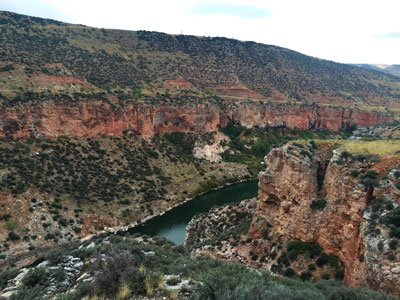
Bighorn Canyon National Recreation Area spans the Montana-Wyoming border and preserves dramatic canyon landscapes, towering cliffs, desert terrain, historic sites, and the waters of Bighorn Lake. The park offers visitors a unique combination of recreation, wildlife viewing, and cultural history in a spectacular western setting.
Cruise and Boat on Bighorn Lake
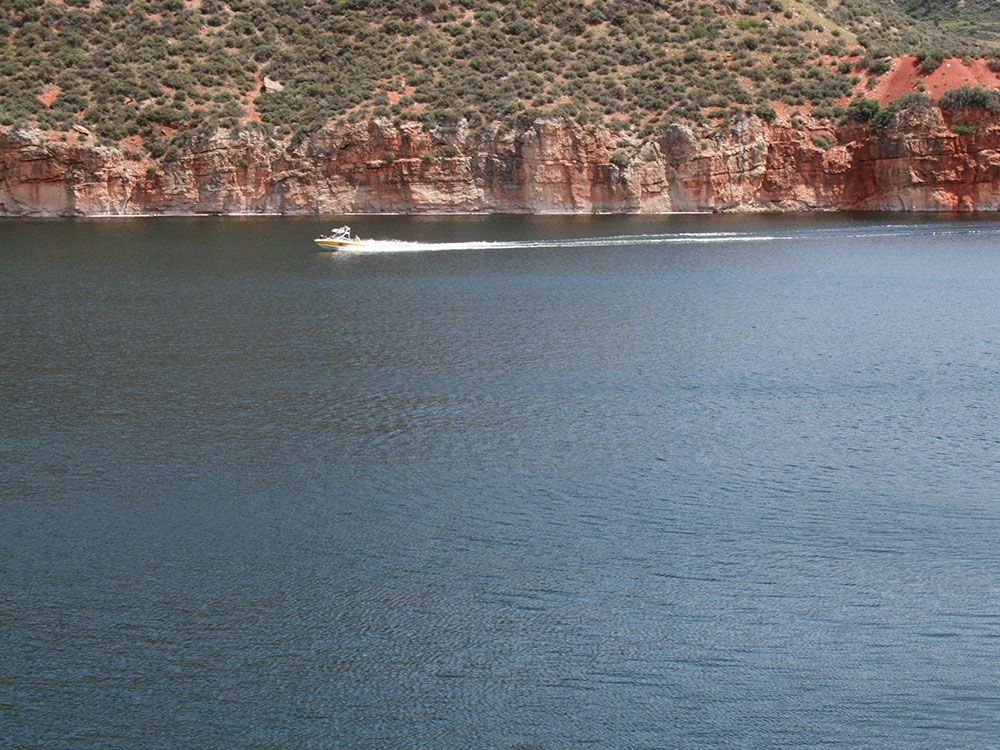
Bighorn Lake stretches for miles through the heart of the canyon, surrounded by cliffs that rise hundreds of feet above the water. Visitors can enjoy boating, kayaking, canoeing, fishing, and sightseeing while exploring portions of the canyon accessible only by water.
Visit Scenic Overlooks
Several overlooks throughout the recreation area provide sweeping views of the canyon and lake below. Popular viewpoints offer excellent opportunities for photography, wildlife observation, and appreciating the immense scale of the landscape.
Discover Historic Ranches
Bighorn Canyon preserves several historic ranches that tell the story of open-range ranching, family homesteads, and the development of the American West. Visitors can explore these sites and learn about life in this remote region.
Enjoy World-Class Fishing
The Bighorn River and Bighorn Lake are renowned fishing destinations. Anglers visit the area to fish for trout and a variety of warm-water species while enjoying some of the most scenic waters in the Northern Rockies.
View Wildlife and Wild Horses
The recreation area supports a diverse range of wildlife, including bighorn sheep, deer, bears, raptors, and one of the largest herds of wild horses in the United States. Wildlife viewing is especially popular along scenic drives and hiking trails.
Camp, Picnic, and Explore the Outdoors
Campgrounds, picnic areas, scenic drives, and more than two dozen miles of trails make Bighorn Canyon an excellent destination for outdoor recreation. Visitors can spend a few hours exploring the overlooks or several days discovering the area's diverse landscapes.
Top Trails
Beaver Pond Nature Trail
Length: 2.6 miles round trip
Elevation Gain: Moderate
Difficulty: Moderate
Located in the North District near Fort Smith, this trail follows a scenic route through wetlands and wildlife habitat. Visitors often enjoy birdwatching and views of the surrounding canyon landscape.
Barry's Island Trail
Length: 4 miles round trip
Elevation Gain: Moderate
Difficulty: Moderate
This trail provides access to scenic viewpoints and diverse terrain while offering opportunities to experience the unique geology and wildlife of Bighorn Canyon.
Sykes Mountain Trail
Length: 4.6 miles round trip
Elevation Gain: Significant
Difficulty: Difficult
One of the more challenging hikes in the South District, this trail rewards hikers with elevated views of the canyon, surrounding desert landscape, and distant mountain ranges.
Mouth of the Canyon Trail
Length: 1.8 miles round trip
Elevation Gain: Moderate
Difficulty: Moderate
This trail introduces visitors to the dramatic canyon environment and offers views of the rugged terrain that defines the recreation area's landscape.
Two Eagles Interpretive Trail
Length: 0.25 miles round trip
Elevation Gain: Minimal
Difficulty: Easy
A short accessible trail featuring interpretive displays that highlight the natural and cultural history of Bighorn Canyon. It is ideal for visitors seeking a brief but informative experience.
Sources: National Park Service official Bighorn Canyon National Recreation Area information covering boating, fishing, camping, wildlife viewing, historic ranches, scenic overlooks, and recreational activities.
Bighorn Canyon National Recreation Area - Things To Do
Official National Park Service hiking information, including trail descriptions, distances, difficulty ratings, accessibility information, and visitor hiking guidance.
Bighorn Canyon National Recreation Area - Hiking
Additional visitor information regarding Bighorn Lake, scenic overlooks, wildlife viewing, historic sites, and recreation opportunities throughout the North and South Districts of the park.
https://www.nps.gov/bica/index.htmBighorn Canyon National Recreation Area
This article uses material from the Wikipedia article "Bighorn Canyon National Recreation Area", which is released under the Creative Commons Attribution-Share-Alike License 3.0