.jpg)
Large natural lake in northwest Montana and is the largest natural freshwater lake by surface area that is west of the source of the Missouri River
General Information
Finlay Point and Wayfarers State Park: Open April thru October
Montana Residents: Day use entrance is free
Nonresidents: Day use entrance fee with a vehicle: $8
From Missoula (83 miles): Continue to I-90 W. Take US-93 N to Big Arm State Park Rd/Meadowlark Ln in Lake County. Continue on Meadowlark Ln. Drive to Big Arm State Park Rd.
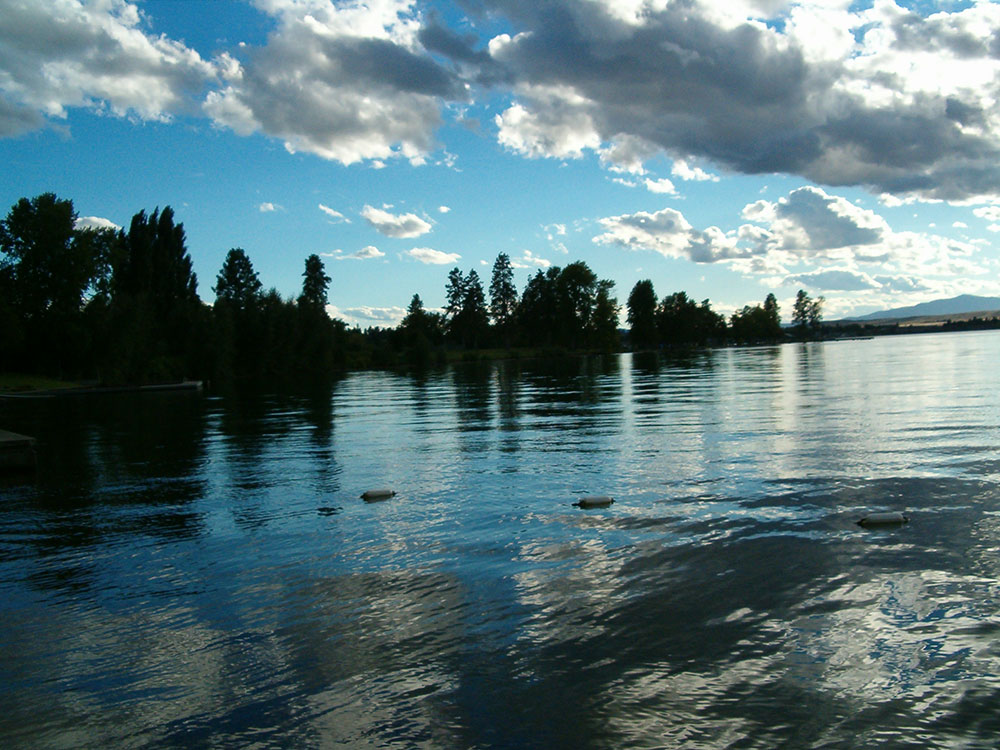
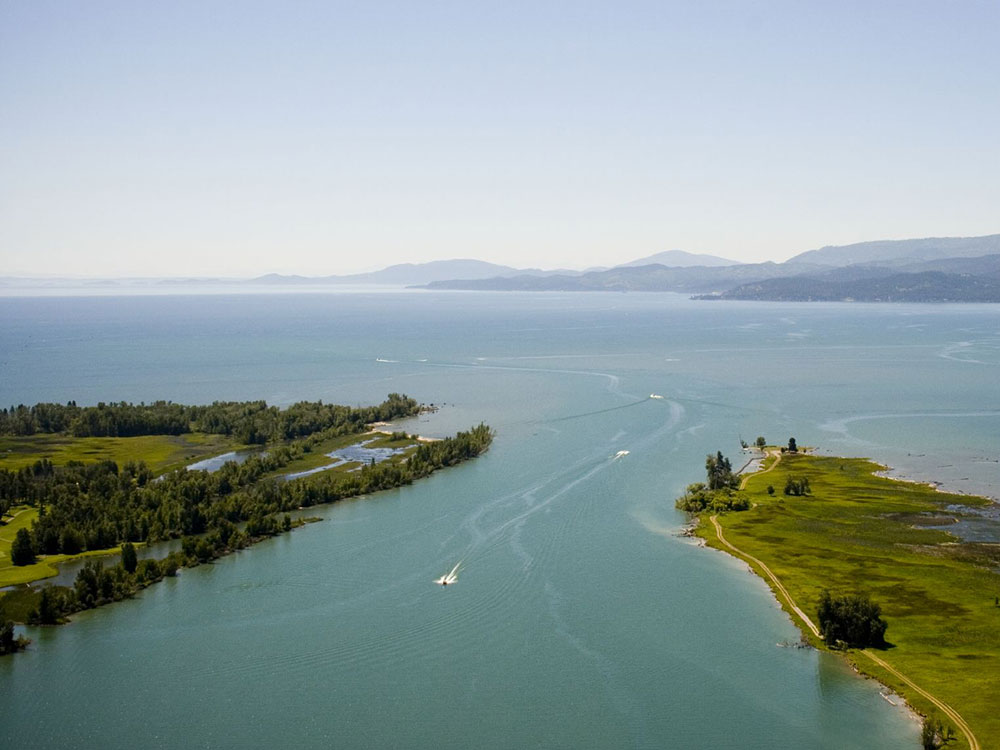
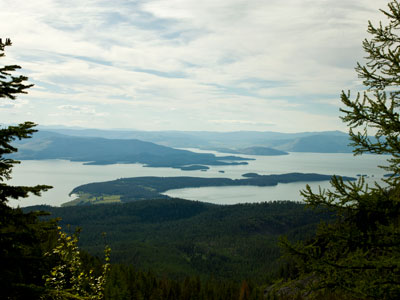
Flathead Lake is a large natural lake in northwest Montana and is the largest natural freshwater lake by surface area that is west of the source of the Missouri River in the contiguous United States.
The lake is a remnant of the ancient, massive glacial dammed lake, Lake Missoula of the era of the last interglacial. Flathead Lake is a natural lake along the mainline of the Flathead River. It was dammed in 1930 by Kerr Dam at its outlet on Polson Bay, and the lake level was raised by 10 feet (3.0 m). It is one of the cleanest lakes in the populated world for its size and type.
Located in the northwest corner of the state of Montana, 7 miles (11 km) south of Kalispell, it is approximately 30 miles (48 km) long and 16 miles (26 km) wide, covering 197 square miles (510 km2). It is a similar size as Minnesota's Mille Lacs Lake, but smaller than Red Lake. It is about half the area of San Francisco Bay (main bay). It is larger in surface area than Lake Tahoe, but it is much smaller in volume due to Tahoe's depth. Flathead Lake has a maximum depth of 370.7 ft (113.0 m), and an average of 164.7 ft (50.2 m). This makes Flathead Lake deeper than the average depths of the Yellow Sea or the Persian Gulf. Flathead Lake is in a scenic part of Montana, 30 miles (48 km) southwest of Glacier National Park and is flanked by two scenic highways, which wind along its curving shoreline. On the west side is U.S. Route 93, and on the east, is Route 35.
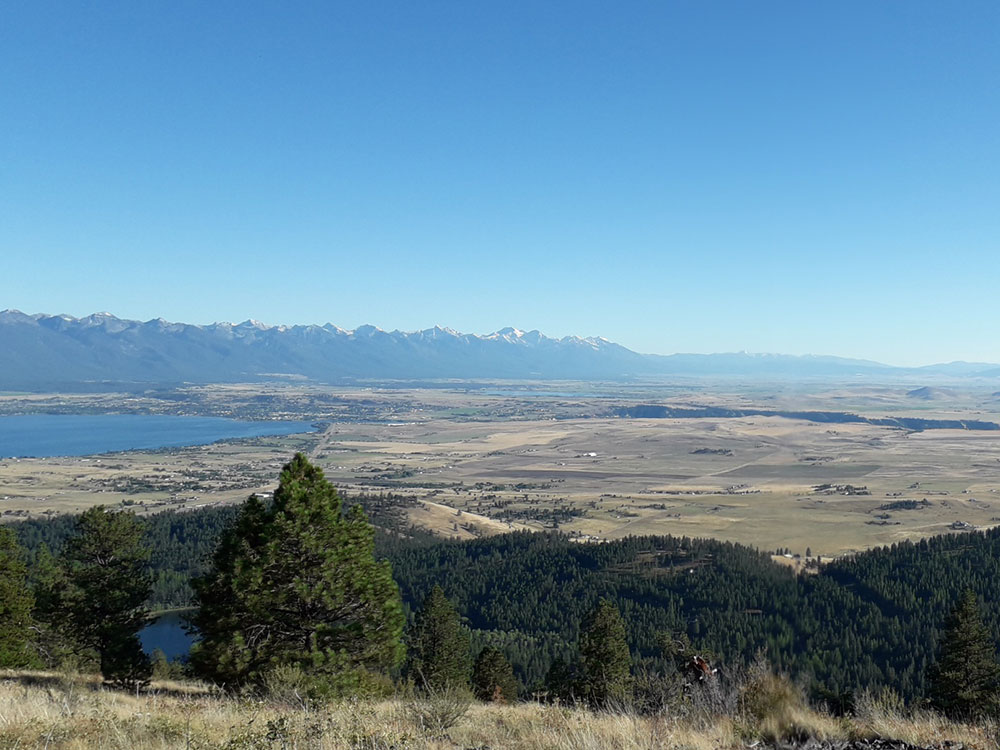
The lake is bordered on its eastern shore by the Mission Mountains and on the west by the Salish Mountains. The Flathead valley was formed by the glacial damming of the Flathead River and sustains a remarkably mild climate for a region located this far north and inland; the Pacific Ocean is almost 400 miles (640 km) to the west. The mild climate allows for cherry orchards on the east shore and vineyards for wine production on the west shore. There are also apple, pear and plum orchards around the lake as well as vegetables, hay, honey, nursery tree, Christmas tree, sod/turf, and wheat production bordering or near the lake.
Things to Do
Visit the Largest Natural Freshwater Lake West of the Mississippi
Flathead Lake is one of Montana's most treasured natural attractions and the largest natural freshwater lake in the western United States outside Alaska. Surrounded by mountains, orchards, charming lakeside communities, and scenic state parks, the lake offers outstanding opportunities for recreation and sightseeing throughout the year.
Enjoy Boating and Water Recreation
Flathead Lake is renowned for boating, sailing, kayaking, canoeing, paddleboarding, and jet skiing. Its clear waters and expansive shoreline make it a favorite destination for both casual visitors and outdoor enthusiasts looking to spend time on the water.
Explore Wild Horse Island State Park
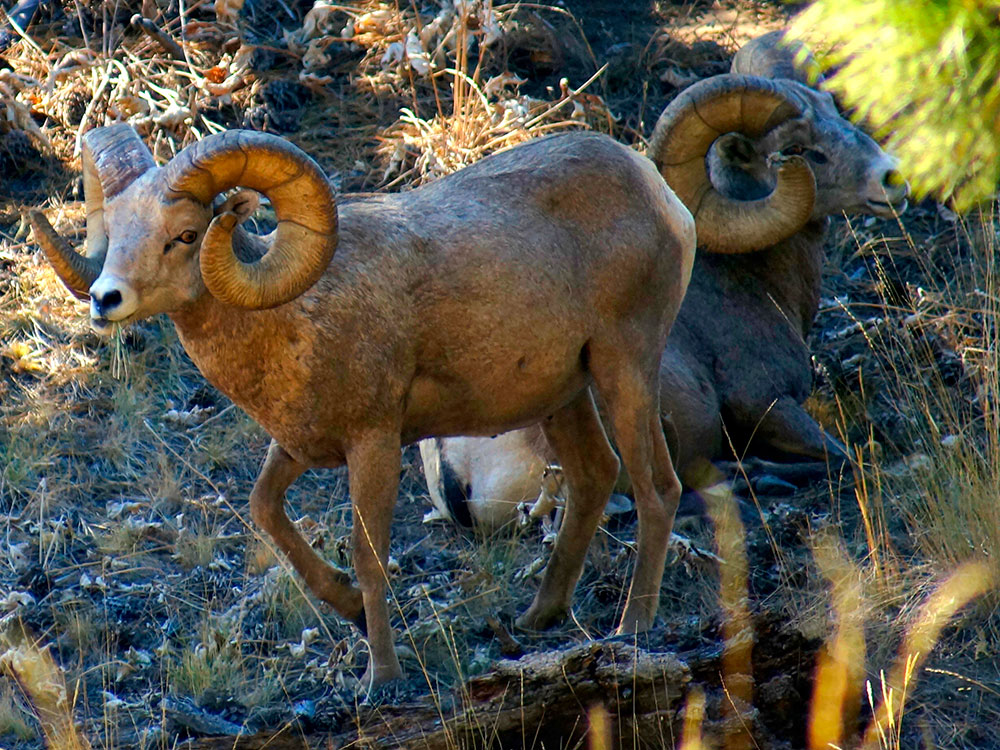
Wild Horse Island is the largest island on Flathead Lake and is accessible by boat. The island is known for its scenic hiking trails, wildlife viewing opportunities, and resident population of wild horses, bighorn sheep, mule deer, and bald eagles.
Visit Lakeside Communities
Towns surrounding Flathead Lake, including Bigfork, Polson, Lakeside, and Somers, offer shopping, dining, art galleries, local events, and waterfront parks. Each community provides its own unique character and access to the lake's scenic shoreline.
Tour the Flathead Cherry Orchards
The region surrounding Flathead Lake is famous for cherry production. During the summer harvest season, visitors can stop at orchard stands and local markets to sample fresh cherries and other locally grown produce.
Fish the Waters of Flathead Lake
Anglers can pursue lake trout, yellow perch, whitefish, and several other fish species. Fishing is popular both from shore and by boat, and the lake attracts visitors from throughout the region.
Enjoy Scenic Photography and Wildlife Viewing
Flathead Lake's combination of crystal-clear water, mountain scenery, islands, forests, and wildlife creates exceptional opportunities for photography. Visitors may observe bald eagles, osprey, deer, bighorn sheep, and a wide variety of waterfowl.
Top Trails
Wild Horse Island Trail System
Length: Multiple interconnected trails
Elevation Gain: Varies
Difficulty: Easy to Moderate
The island's trail network offers opportunities to explore forests, grasslands, lakeshore viewpoints, and wildlife habitat. Hikers can enjoy panoramic views of Flathead Lake while watching for wild horses and other animals.
Bear Dance Trail
Length: Approximately 3.8 miles round trip
Elevation Gain: Moderate
Difficulty: Moderate
Located near Bigfork, this scenic trail provides excellent views of Flathead Lake, forested hillsides, and the surrounding mountains while passing through a variety of natural habitats.
Jewel Basin Hiking Area Trails
Length: Various routes available
Elevation Gain: Moderate to Significant
Difficulty: Moderate to Challenging
A short drive from Flathead Lake, the Jewel Basin Hiking Area features dozens of alpine lakes, mountain trails, and spectacular viewpoints. It is one of northwest Montana's premier hiking destinations.
Blacktail Mountain Trail
Length: Approximately 4 to 8 miles depending on route
Elevation Gain: Moderate
Difficulty: Moderate
This trail system offers panoramic views of Flathead Lake, the Flathead Valley, and nearby mountain ranges. It is popular for hiking, wildlife viewing, and photography.
Wayfarers State Park Trails
Length: Multiple short trails
Elevation Gain: Minimal to Moderate
Difficulty: Easy
Located in Bigfork along the northeastern shore of Flathead Lake, Wayfarers State Park features easy walking trails, picnic areas, lakeshore access, and scenic viewpoints overlooking the water.
Sources: Flathead Lake visitor information covering boating, fishing, Wild Horse Island, lakeside communities, cherry orchards, recreation opportunities, and regional attractions.
https://flatheadlake.com/Flathead Lake Visitor Information
Additional information regarding
Flathead Lake's geography, history, and recreational opportunities can be found on the official Montana Fish, Wildlife & Parks website: https://fwp.mt.gov/fishing/flathead-lake
This article uses material from the Wikipedia article "Flathead Lake", which is released under the Creative Commons Attribution-Share-Alike License 3.0