.jpg)
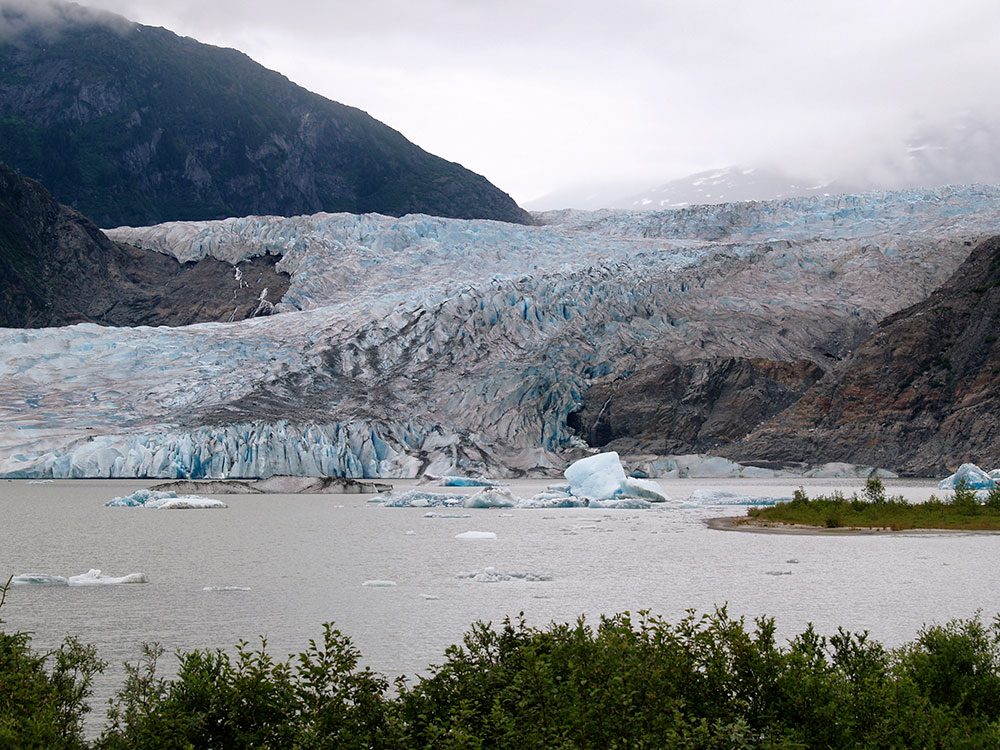
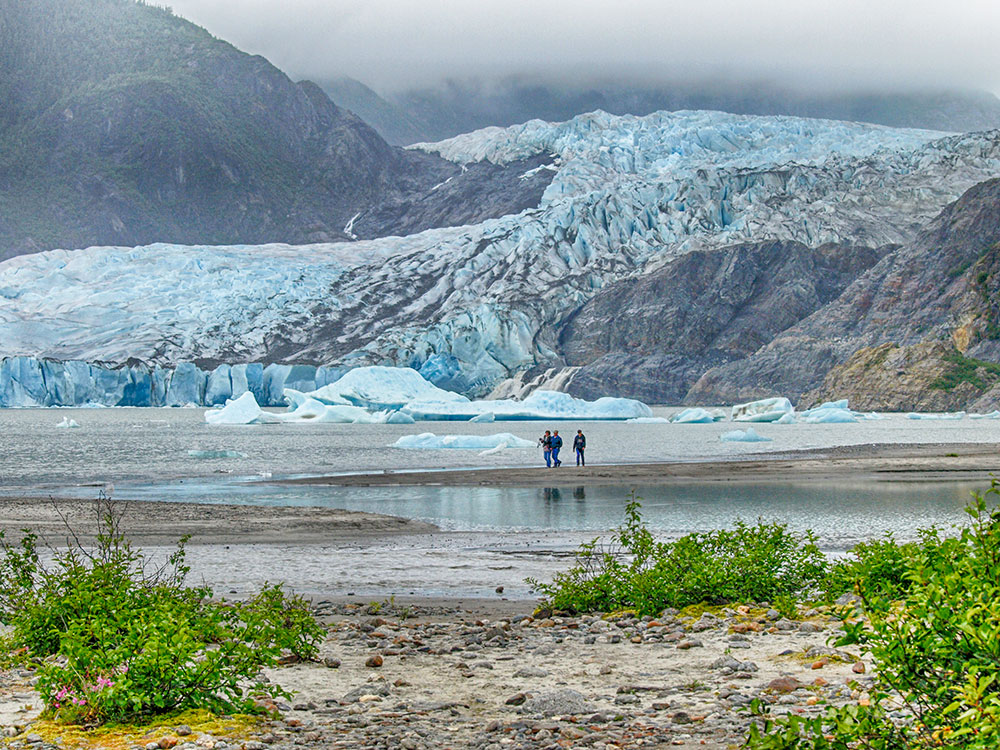
Massive river of ice flowing from a sprawling icefield, featuring a dramatic glacier face, iceberg-filled lake, and easily accessible viewpoints within a scenic wilderness setting.
General Information
Hours:
Open year-round; visitor center typically open daily 10:00am to 5:00pm during summer months
Reduced hours or closure in winter depending on conditions
Reduced hours or closure in winter depending on conditions
Fees:
$5 per person (ages 16 and older)
Children 15 and under: Free
Children 15 and under: Free
Pet Policy:
Pets are allowed on trails and outdoor areas but must be kept on a leash; not permitted inside buildings
Closest cities with hotels:
Juneau
Seasons:
Best visited May through September for accessible trails, open facilities, and optimal viewing conditions
Location:
Website:
How to Get There
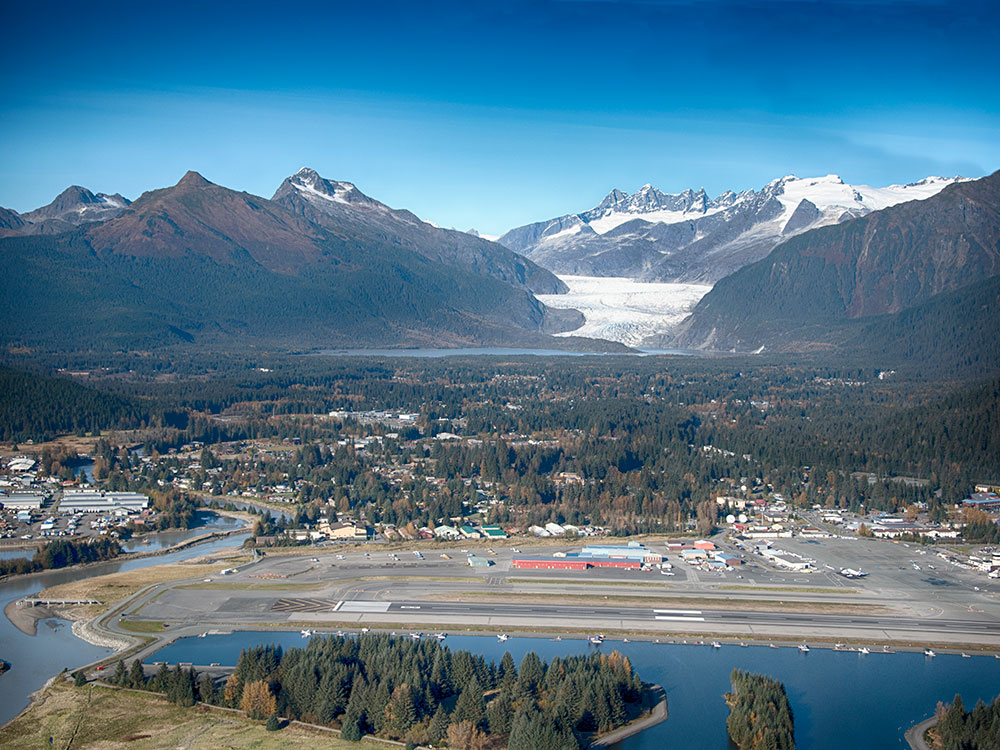
From Juneau (13 mi): Take Egan Dr to Glacier Hwy, continue northwest, then turn onto Mendenhall Loop Rd and follow Glacier Spur Rd directly to the visitor center and parking area.
Overview
Mendenhall Glacier is a 13.6-mile glacier in the Mendenhall Valley, about 12 miles from downtown Juneau, one of the most accessible glaciers in Alaska, and the U.S. Forest Service runs a visitor center on Mendenhall Lake with exhibits and a view. The glacier has been retreating for decades, and the Juneau Icefield Research Program has monitored it since 1942. It is a busy stop in cruise season.
Highlights
- Photo Point Trail and Steep Creek Trail: easy, accessible walks, with salmon and black bears at the creek in summer
- Nugget Falls: a 377-foot waterfall reached on a 1-mile trail from the visitor center
- West Glacier Trail: a long, rough hike to the glacier's edge
- Fee: from May to September a pass is required for the visitor center and some outdoor areas
This article uses material from the Wikipedia article "Mendenhall Glacier", which is released under the Creative Commons Attribution-Share-Alike License 3.0


-1000.jpg)
.jpeg)