-400.jpg)
.jpg)
Vast wilderness of tidewater glaciers, rugged mountains, temperate rainforest, and deep fjords shaped by dynamic natural forces and abundant wildlife.
General Information
Visitor Center: Late May through early September, typically 6:00am to 10:00pm (lodging season)
Limited or no services outside peak season
No entrance pass required
Additional costs may apply for tours, boats, or lodging
How to Get There
From Juneau (65 mi): Travel by small plane or ferry to Gustavus, then follow the only local road approximately 10 miles to Bartlett Cove, where park headquarters and main visitor access points are located.
Overview
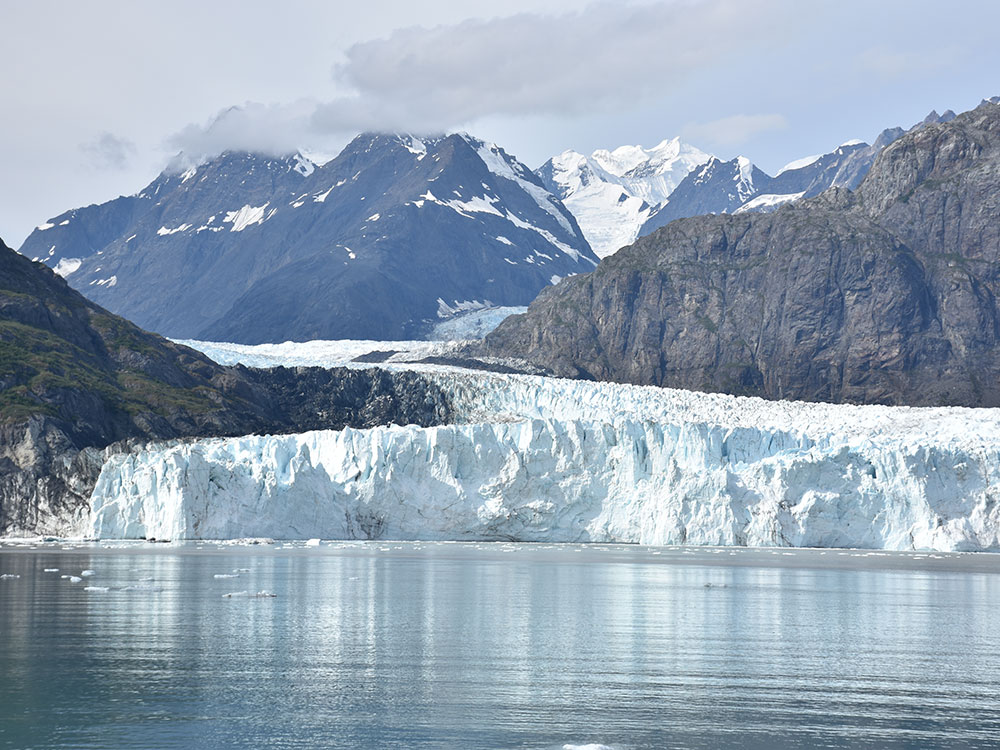
Glacier Bay National Park and Preserve in Southeast Alaska, west of Juneau, protects a huge fjord system of tidewater glaciers, mountains, and rain forest, part of a UNESCO World Heritage Site (1979) and Biosphere Reserve (1986). The bay was ice-filled only 250 years ago, and the glaciers retreated up to 65 miles, leaving one of the best places in the world to see plant succession. There are 1,045 glaciers, seven of them tidewater, including Margerie, Grand Pacific, and Johns Hopkins. President Coolidge made it a monument in 1925.
Highlights
- Tour boat: a day boat from Bartlett Cove goes up the bay to Margerie Glacier, about 8 hours, with a ranger on board; about 80 percent of visitors see the park from a cruise ship
- Kayaking: guided and independent trips into the bay's inlets
- Bartlett Cove: Glacier Bay Lodge, the visitor center, and short trails, the only road-connected place; Gustavus is 10 miles away
- Wildlife: humpback whales, orcas, harbor seals, sea otters, brown and black bears, wolves, and mountain goats
Getting to the park
Glacier Bay National Park and Preserve, located in southeast Alaska near Juneau, is renowned for its tidewater glaciers, fjords, and abundant marine wildlife. Like much of the region, it has no road connection to the outside world, so nearly all visitors arrive by air or water.
- By Air — Most visitors fly into Juneau, Alaska's capital, which has regular jet service from Anchorage, Seattle, and other major cities. From Juneau, small commuter flights connect to Gustavus, the small town that serves as the gateway to the park.
- By Cruise Ship — Glacier Bay is a popular stop on Alaska cruise itineraries, with many large cruise ships entering the bay for scenic viewing of tidewater glaciers and wildlife as part of a broader Inside Passage voyage.
- By Ferry — The Alaska Marine Highway System offers ferry service to Gustavus from other southeast Alaska communities, providing a slower but scenic alternative to flying, especially for travelers already island-hopping through the region.
- By Boat (Within the Park) — Once in Gustavus, visitors typically continue into the park by tour boat, private boat, or kayak, since the park's glaciers and fjords are primarily explored by water rather than on foot.
Because access depends heavily on flights, ferries, and boat tours, it's wise to book travel well in advance during the busy summer season, and to build in flexibility for potential weather delays common to southeast Alaska's coastal climate.
Things to Do
Experience a UNESCO World Heritage Wilderness
Glacier Bay National Park and Preserve protects more than three million acres of glaciers, fjords, mountains, forests, and marine ecosystems in Southeast Alaska. The park is internationally recognized for its spectacular landscapes, active glaciers, abundant wildlife, and ongoing scientific importance as one of the world's most remarkable examples of glacial change.
View Massive Tidewater Glaciers
Glacier viewing is the park's signature attraction. Visitors can witness immense glaciers such as Margerie Glacier, Grand Pacific Glacier, Lamplugh Glacier, and Johns Hopkins Glacier. Watching ice calve from these glaciers into the bay is one of Alaska's most unforgettable natural experiences.
Take a Glacier Bay Boat Tour
Most visitors experience the park by water. Cruise ships, day-tour vessels, charter boats, and private vessels travel through the fjords, providing excellent opportunities to view glaciers, dramatic mountain scenery, and marine wildlife from the comfort of the bay.
Explore Bartlett Cove
Bartlett Cove is the park's only developed area and serves as the main gateway to Glacier Bay. Visitors can access the visitor center, Glacier Bay Lodge, walking trails, kayak rentals, ranger programs, a public dock, and a campground while exploring the surrounding rainforest and shoreline environments.
Go Sea Kayaking
Kayaking provides an intimate way to experience Glacier Bay's wilderness. Paddlers can explore sheltered coves, forested shorelines, glacial fjords, and remote beaches while enjoying opportunities to observe wildlife and experience the park's natural beauty at a slower pace.
Watch for Whales and Marine Wildlife
Glacier Bay supports an impressive variety of marine life. Visitors frequently observe humpback whales, harbor seals, sea otters, Steller sea lions, porpoises, and seabirds throughout the park's waters. Whale watching is often one of the highlights of a Glacier Bay visit.
Join Ranger-Led Programs
National Park Service rangers offer educational programs throughout the season. Ranger talks, guided walks, visitor center exhibits, and presentations aboard tour vessels help visitors learn about glaciers, wildlife, ecology, cultural history, and conservation efforts.
Experience True Backcountry Wilderness
Glacier Bay contains vast designated wilderness areas ideal for experienced adventurers. Backpacking, camping, mountaineering, rafting, and wilderness travel provide opportunities to explore some of Alaska's most remote and pristine environments.
Top Trails
Forest Loop Trail
Length: Approximately 1 mile loop
Elevation Gain: Minimal
Difficulty: Easy
Located in Bartlett Cove, this easy trail leads through a temperate rainforest of spruce and hemlock while providing opportunities to observe birds, wildlife, and the diverse ecosystem that has developed following glacial retreat.
Bartlett River Trail
Length: Approximately 4 miles round trip
Elevation Gain: Minimal
Difficulty: Easy to Moderate
This popular hiking trail follows the Bartlett River through forest and meadow habitats. Visitors often encounter birds, moose, bears, and other wildlife while enjoying views of the surrounding wilderness.
Shoreline Trail
Length: Approximately 1 mile one way
Elevation Gain: Minimal
Difficulty: Easy
Connecting Bartlett Cove with the Glacier Bay Lodge area, this scenic coastal route follows the shoreline and provides beautiful views of the bay, snow-capped mountains, marine wildlife, and nearby islands.
This article uses material from the Wikipedia article and official pages for National Park Service - Plan Your Visit to Glacier Bay, Glacier Bay National Park and Preserve, released under the Creative Commons Attribution-Share-Alike License 3.0.

-1000.jpg)
.jpg)