Plymouth Rock

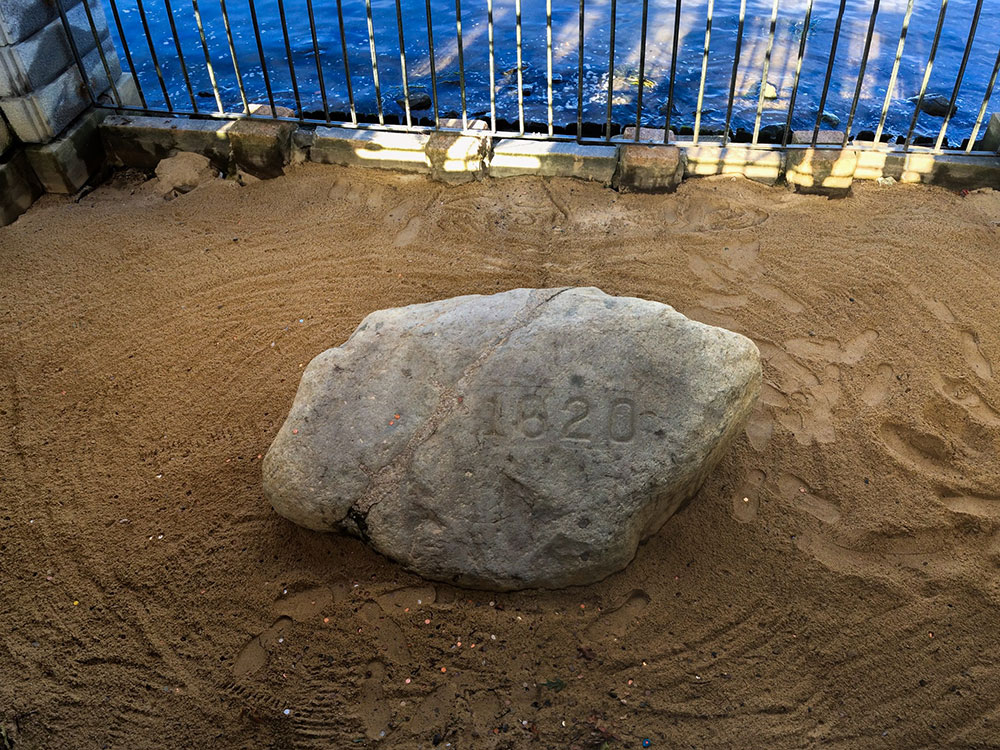
Traditional site of disembarkation the Mayflower Pilgrims who founded Plymouth Colony in December 1620

General Information

Hours:
Public access is typically available from dawn to dusk; guided tours and staffing hours run seasonally from spring through fall.
Fees:
The site is free to visit. Tours and interpretive programs at nearby Pilgrim Memorial State Park or Pilgrim Hall Museum may carry a separate fee.
Pet Policy:
Leashed pets are allowed outdoors but pets are not permitted inside visitor centers or historic structures.
Closest cities with hotels:
Plymouth, MA
Seasons:
Best spring through fall, with limited access during winter months.
Rating:
5.0
Plymouth, MA Weather Forecast

From downtown Plymouth, MA, follow Water Street along the waterfront. Turn onto Cole Street, then proceed to Pilgrim Memorial State Park to reach Plymouth Rock and the surrounding memorial site.

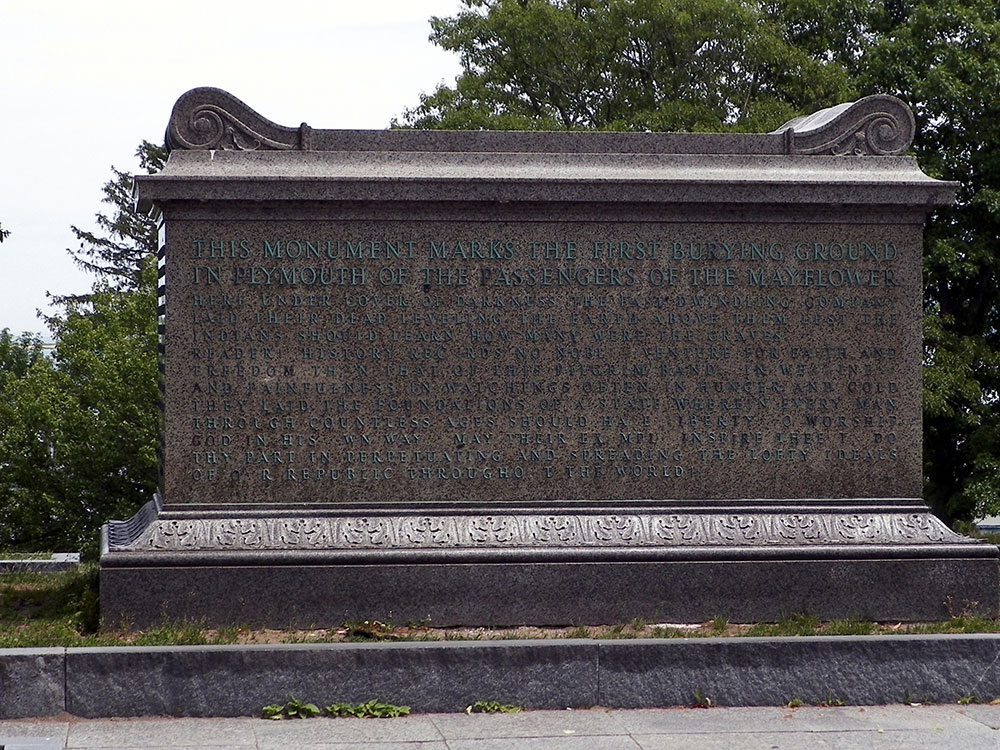
Plymouth Rock is the traditional site of disembarkation of William Bradford and the Mayflower Pilgrims who founded Plymouth Colony in December 1620. The Pilgrims did not refer to Plymouth Rock in any of their writings; the first known written reference to the rock dates to 1715 when it was described in the town boundary records as "a great rock." The first documented claim that Plymouth Rock was the landing place of the Pilgrims was made by Elder Thomas Faunce in 1741, 121 years after the Pilgrims arrived in Plymouth.

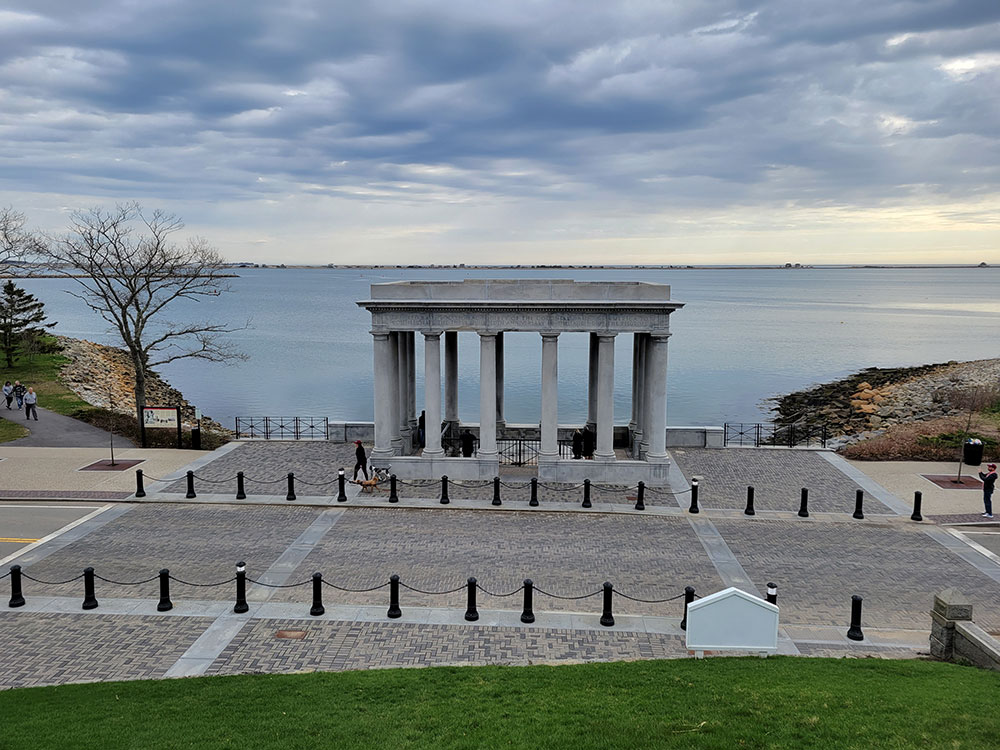
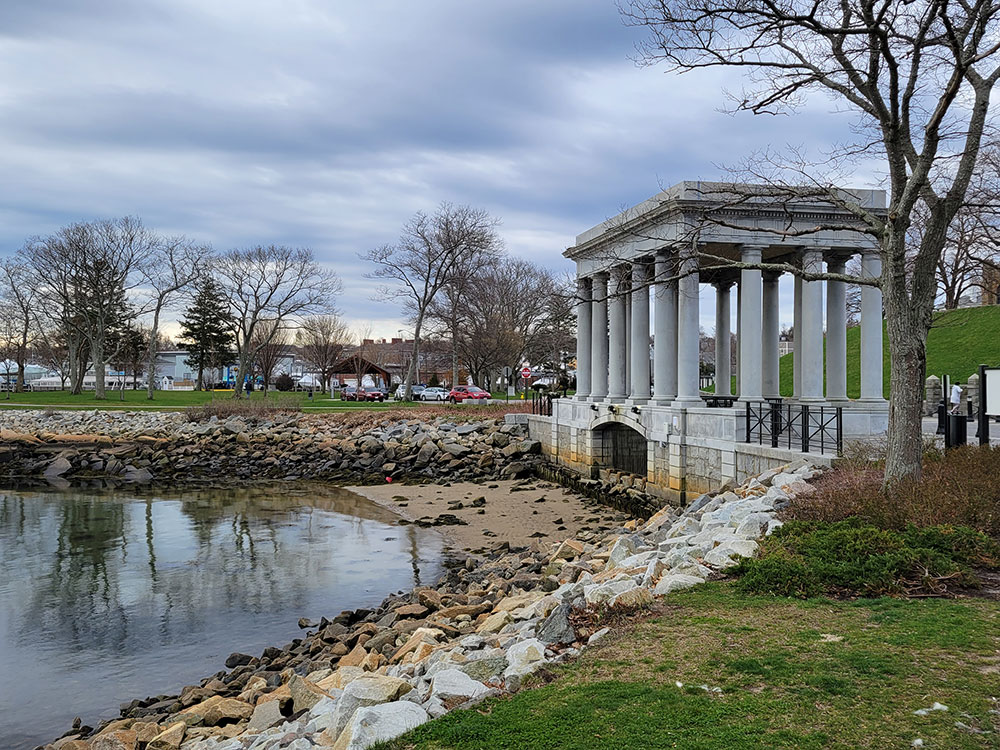
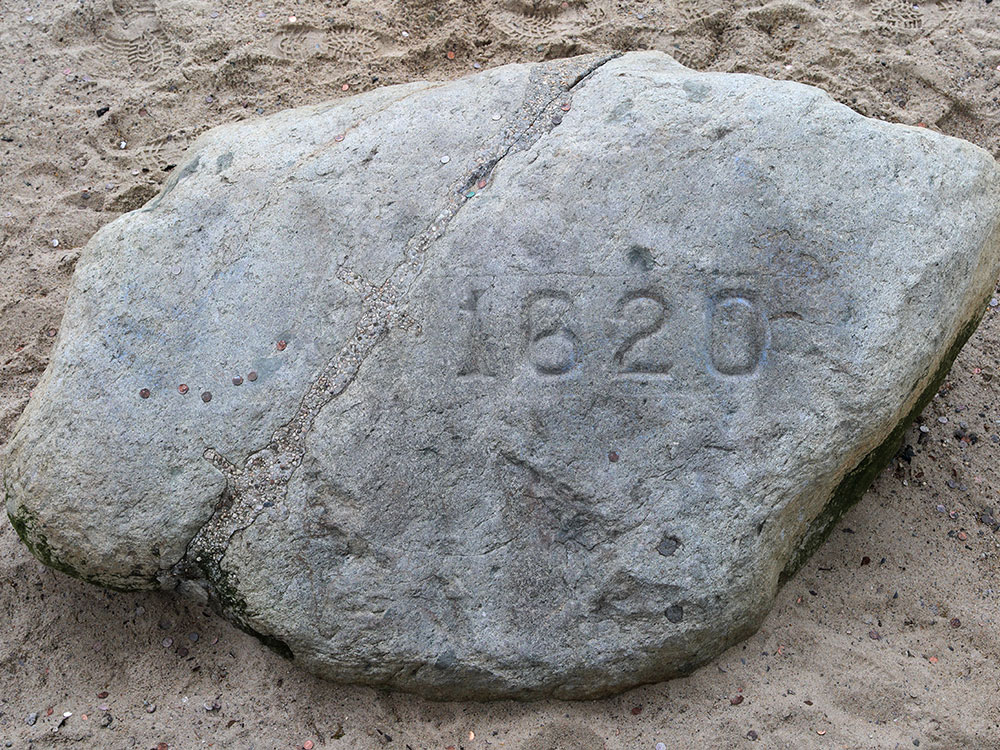
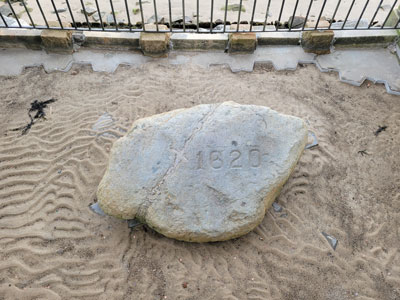
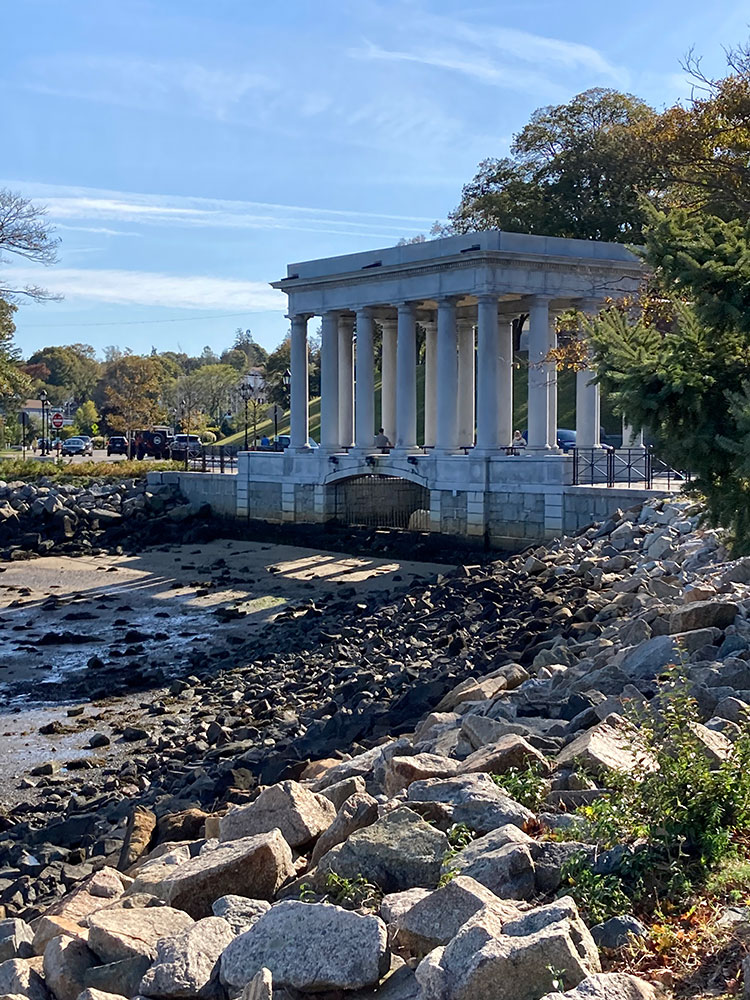
In 1774, the rock broke in half during an attempt to haul it to Town Square in Plymouth. One portion remained in Town Square and was moved to Pilgrim Hall Museum in 1834. It was rejoined with the other portion of the rock, which was still at its original site on the shore of Plymouth Harbor, in 1880. The date 1620 was inscribed at that time. The rock is now ensconced beneath a granite canopy.

Today, Plymouth Rock is managed by the Department of Conservation and Recreation for the Commonwealth of Massachusetts as part of Pilgrim Memorial State Park. From April through November, Pilgrim Memorial is staffed by guides who inform visitors of the history of Plymouth Rock.

This article uses material from the Wikipedia article "Plymouth Rock", which is released under the Creative Commons Attribution-Share-Alike License 3.0
4myboyz2, CC BY-SA 4.0, via Wikimedia Commons; Image Size Adjusted
Rhonda McCloughan (Pr41799), CC BY-SA 4.0, via Wikimedia Commons; Image Size Adjusted
jjron, GFDL 1.2, via Wikimedia Commons; Image Size Adjusted
Rhonda McCloughan (Pr41799), CC BY-SA 4.0, via Wikimedia Commons; Image Size Adjusted
John8v12, CC BY-SA 4.0, via Wikimedia Commons; Image Size Adjusted