Plimoth Plantation

Swampyank at en.wikipedia, CC BY-SA 3.0, via Wikimedia Commons; Image Size Adjusted

Living history museum attempts to replicate the original settlement of the Plymouth Colony established in the 17th century by the Pilgrims

General Information

Hours:
Fees:
Pet Policy:
Pets NOT allowed on top of dam or in buildings
Closest cities with hotels:
Boulder City, 7 miles
Seasons:
All year
Rating:
5.0
Boulder City, NV Weather Forecast

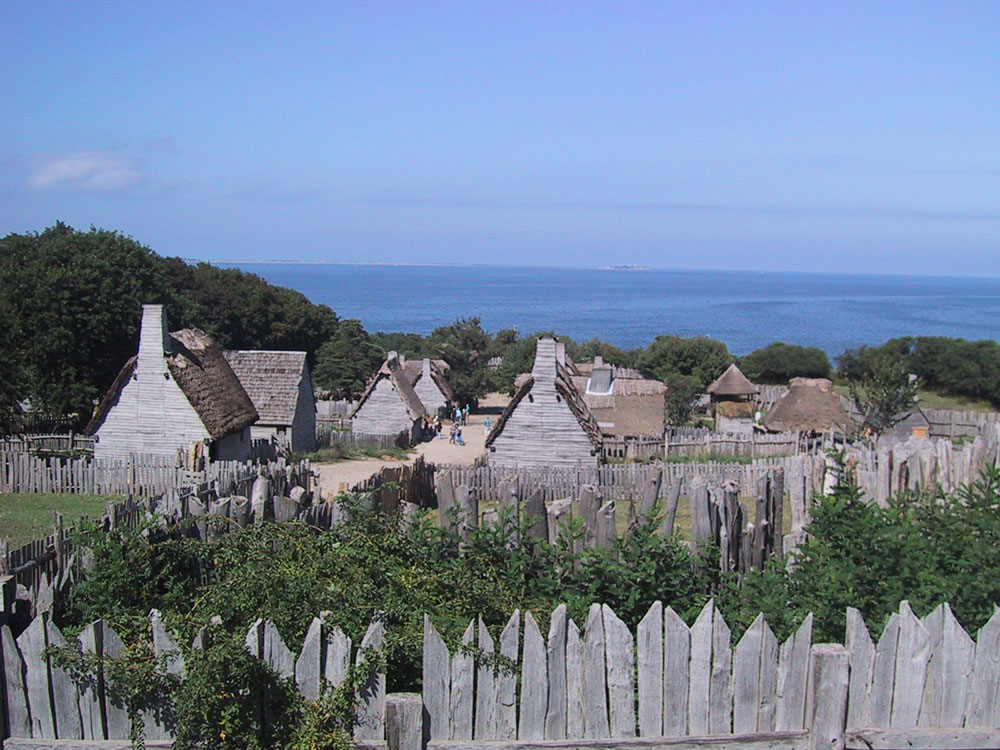
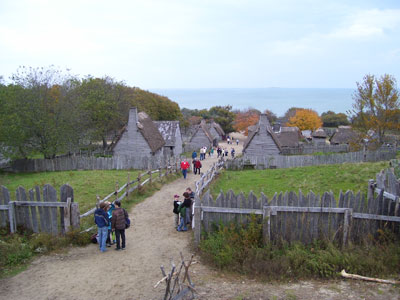
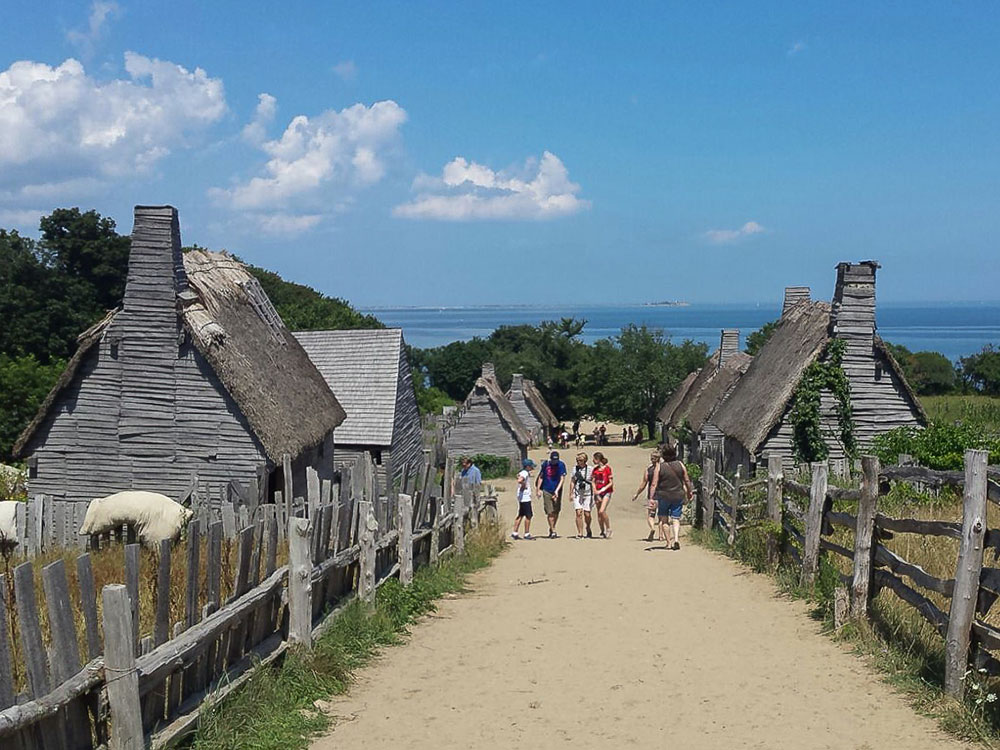
Plimoth Plantation (also known as Plimoth Patuxet) is a living history museum in Plymouth, Massachusetts, founded in 1947. It attempts to replicate the original settlement of the Plymouth Colony established in the 17th century by the English colonists who became known as the Pilgrims. They were among the first people who immigrated to America to seek religious separation from the Church of England. It is a not-for-profit museum supported by administrations, contributions, grants and volunteers. The recreations are based upon a wide variety of first-hand and second-hand records, accounts, articles and period paintings and artifacts, and the museum conducts ongoing research and scholarship, including historical archaeological excavation and curation locally and abroad.

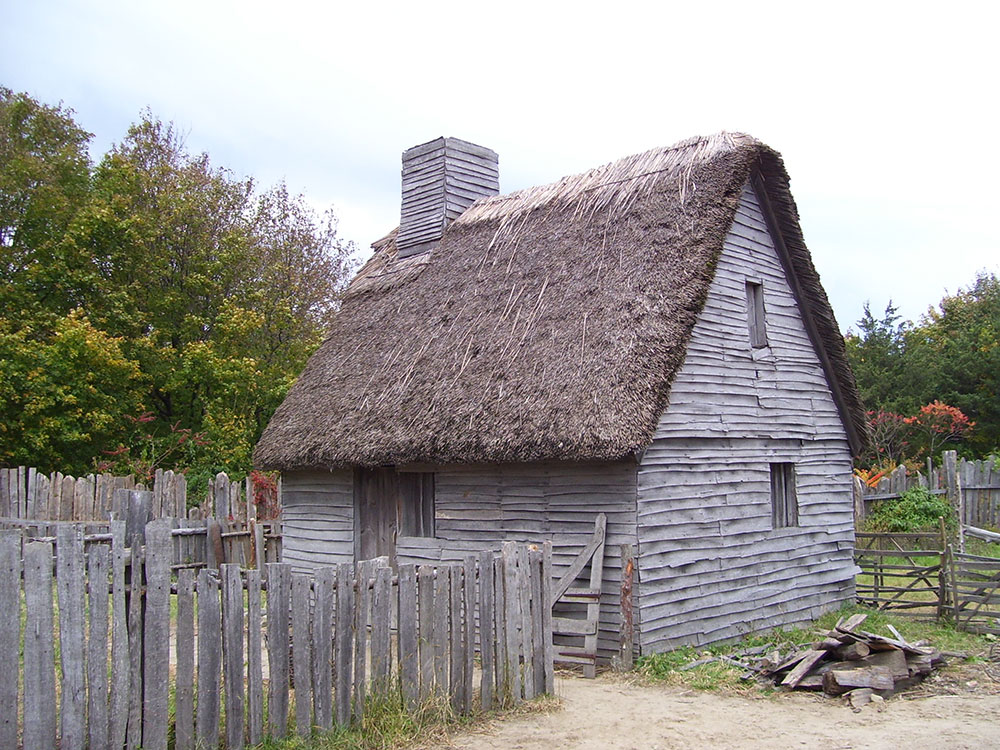
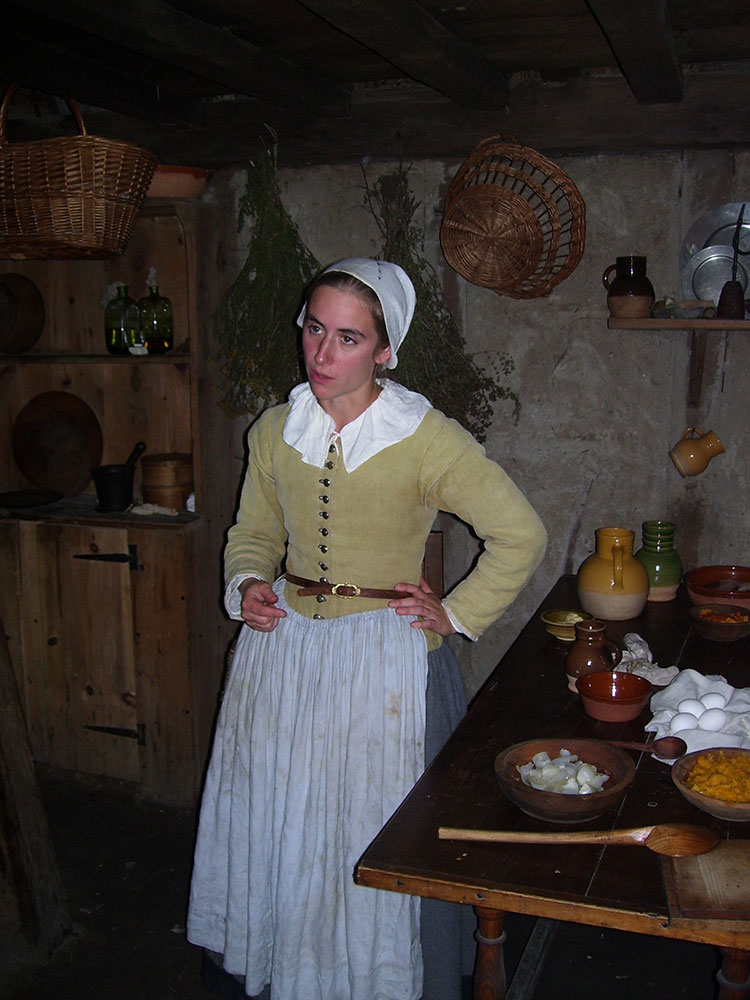
In the 1627 English Village section of the museum, trained first-person ("historical") interpreters speak, act and dress appropriately for the period, interacting with visitors by answering questions, discussing their lives and viewpoints and participating in tasks such as cooking, planting, blacksmithing and animal husbandry. Third-person ("modern") interpreters answer guests' questions that the first-person interpreters cannot. The 1627 English Village loosely follows a timeline from late March through November (the months when the museum is open) of 1627, depicting day-to-day life and seasonal activities, as well as featuring key historical events such as funerals and special celebrations.

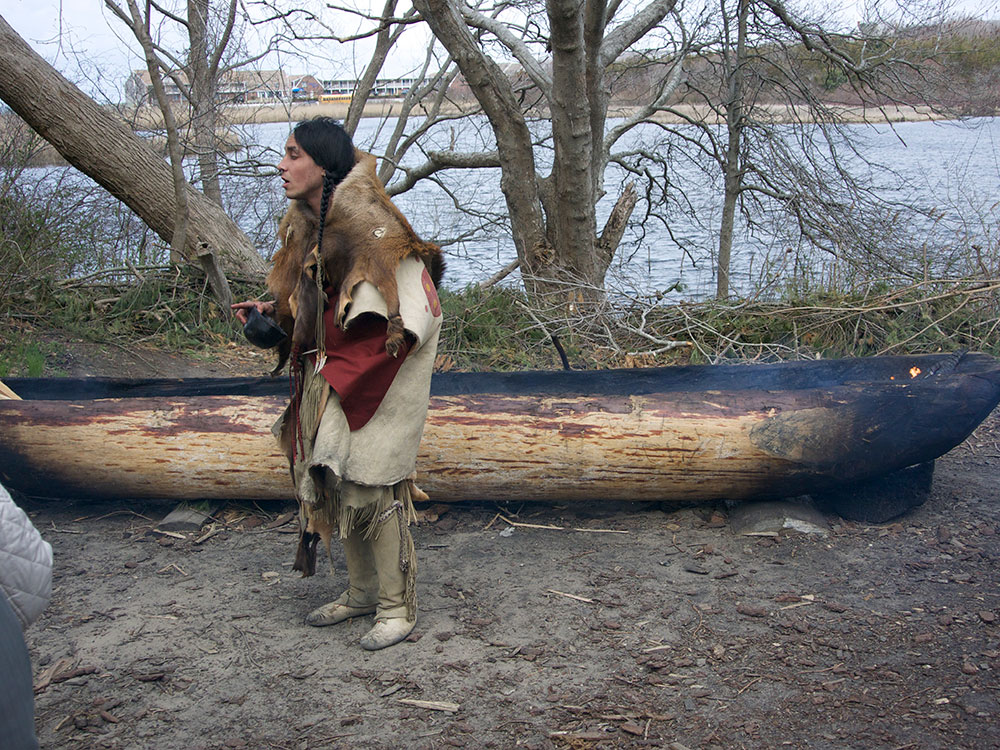
Henry Hornblower II started the museum in 1947 with help and support from friends, family and business associates as two English cottages and a fort on Plymouth's waterfront. Since then, the museum has grown to include a Mayflower II replica (1957), the English Village (1959), the Wampanoag Homesite (1973), the Hornblower Visitor Center (1987), the Craft Center (1992), the Maxwell and Nye Barns (1994) and the Plimoth Grist Mill (2013). Alongside the settlement is a recreation of a Wampanoag home site, where modern Native Americans from a variety of tribes explain and demonstrate how the Wampanoags' ancestors lived and interacted with the settlers (not in period character, but in traditional dress).

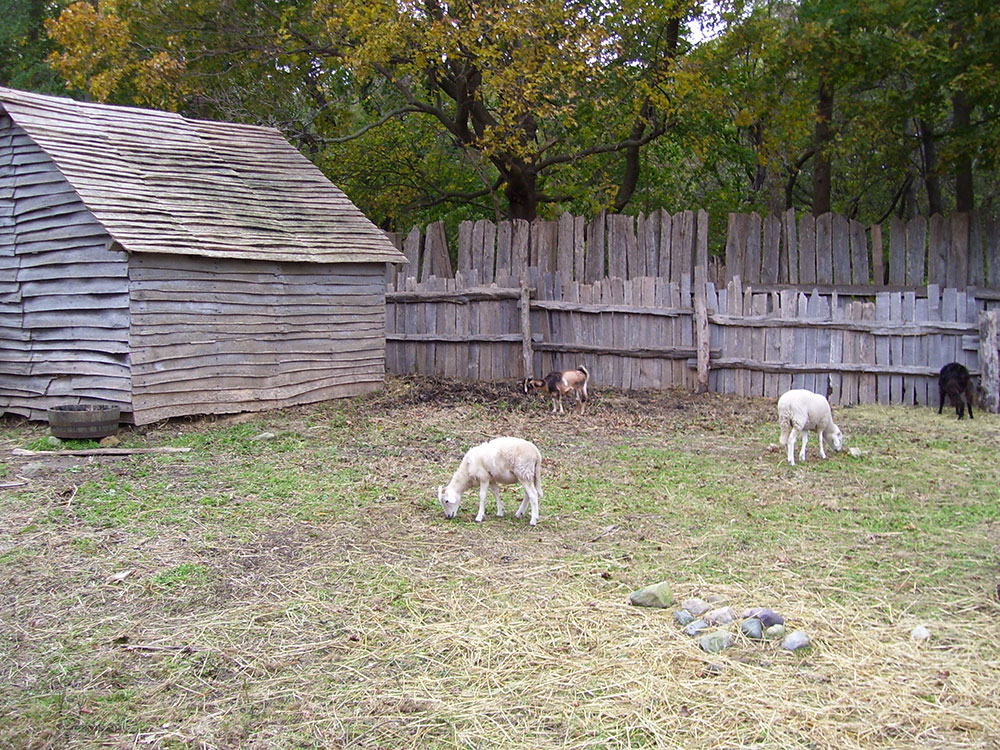
Notable burials and cenotaphs The museum grounds at Plimoth Plantation also include Nye Barn, where historical breeds of livestock are kept, a crafts center where many objects are created for use in the village exhibits, a cinema where educational videos are shown, a Colonial Education site for youth and adult groups and a visitors' center with indoor exhibits and educational programs. The two houses on the Colonial Education site were built by Plimoth Plantation for the PBS show Colonial House, which was filmed in Maine. Following the filming, the museum disassembled the houses and reconstructed them at Plimoth Plantation. The roof of one of these houses, the Cook House, was destroyed by a fire from a fireplace on November 19, 2011, and the building had to be demolished.

Mayflower II is docked near Plymouth Rock and is also under the care of the museum. Colonial first-person interpreters represent the sailors and officers of the ship from the era of the Pilgrims' voyage.

This article uses material from the Wikipedia article "Plimoth Plantation", which is released under the Creative Commons Attribution-Share-Alike License 3.0
Marco Almbauer, Public domain, via Wikimedia Commons; Image Size Adjusted
Lidine Mia, CC BY-SA 4.0, via Wikimedia Commons; Image Size Adjusted
Nancy, CC BY-SA 4.0, via Wikimedia Commons; Image Size Adjusted
Swampyank at English Wikipedia, CC BY-SA 3.0, via Wikimedia Commons; Image Size Adjusted
Swampyank at en.wikipedia, CC BY-SA 3.0, via Wikimedia Commons; Image Size Adjusted