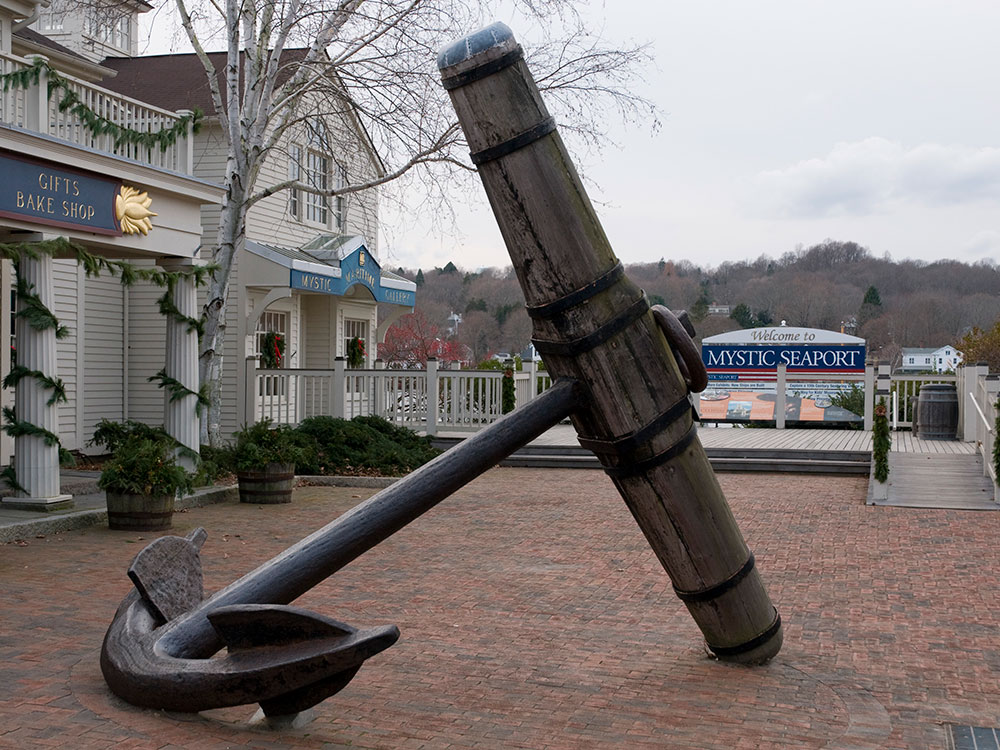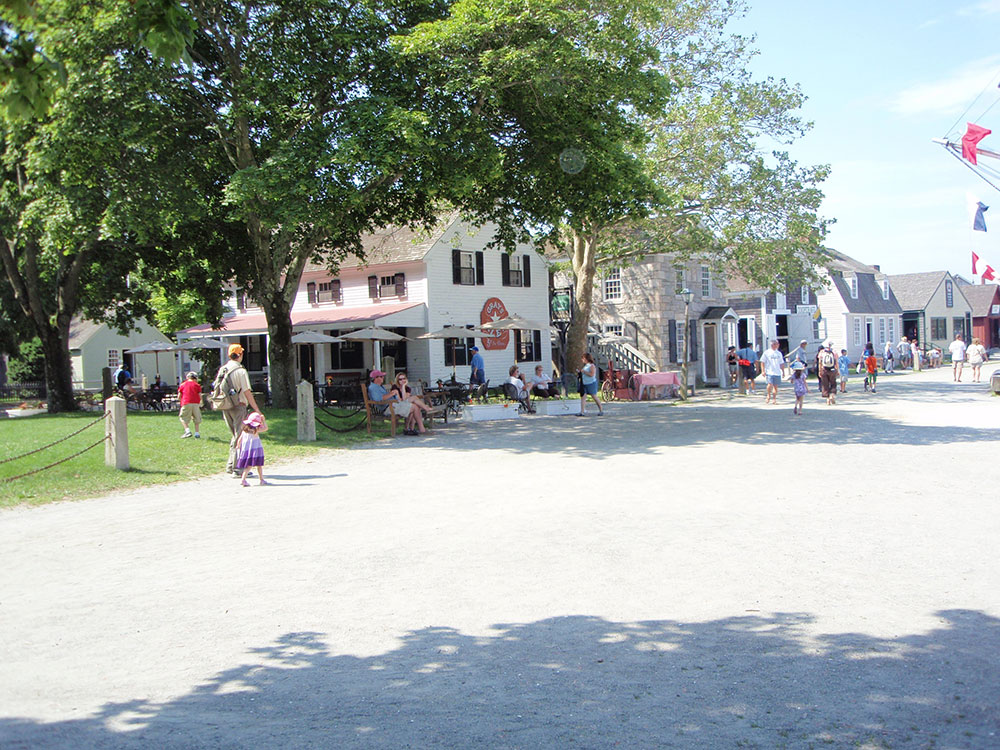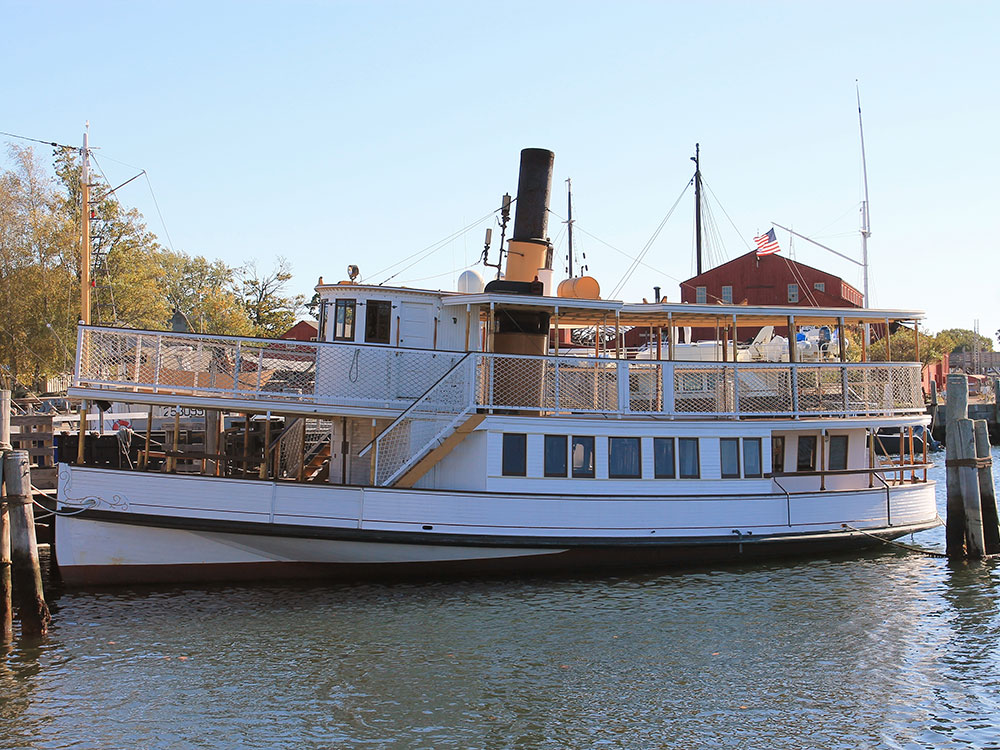

Living maritime history museum featuring a recreated 19th‑century seafaring village, historic vessels, and working shipyard that interpret America’s coastal and ocean‑going heritage.
General Information
Hours:
Open daily, typically 10:00am to 5:00pm
Grounds usually remain open until 6:00pm
Hours vary by season; winter schedules are more limited
Grounds usually remain open until 6:00pm
Hours vary by season; winter schedules are more limited
Fees:
Adults: $32
Seniors (65+): $30
Youth (ages 4–17): $25
Children age 3 and under: Free
Seniors (65+): $30
Youth (ages 4–17): $25
Children age 3 and under: Free
Pet Policy:
Pets are not allowed on museum grounds
Closest cities with hotels:
Mystic (walking distance)
Seasons:
All year; late spring through fall is most popular for outdoor exhibits, ships, and waterfront activities
Location:
Website:
How to Get There
From downtown Mystic hotels (1 mi): Follow East or West Main Street toward U.S. Route 1, turn onto Greenmanville Avenue, and continue straight to the signed museum entrance with on‑site parking.
Overview
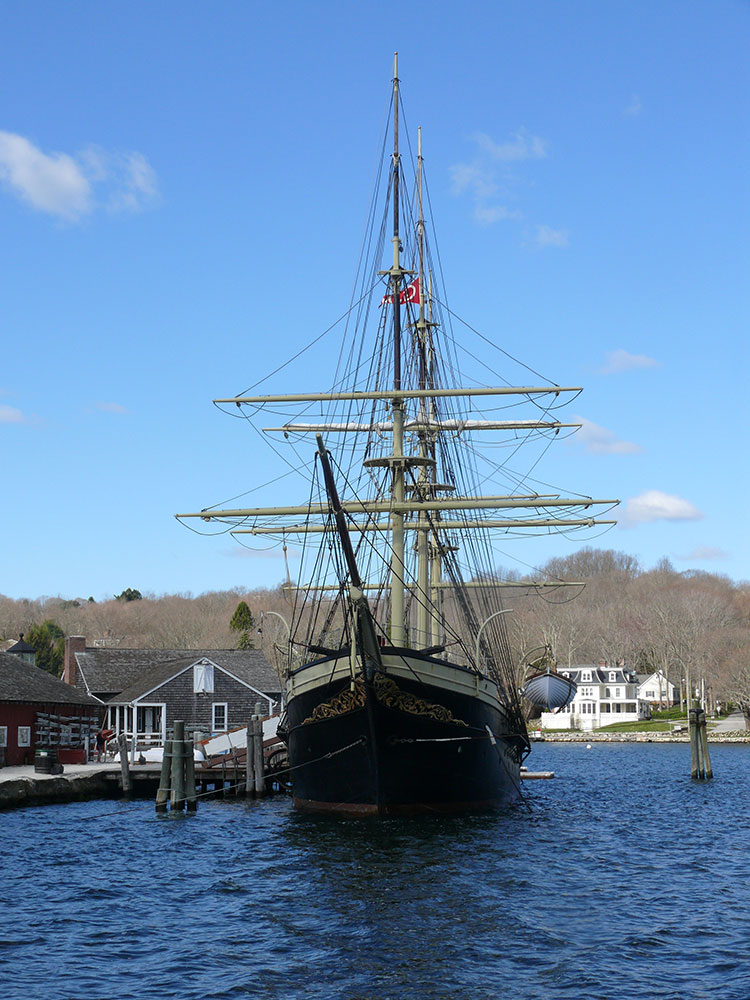
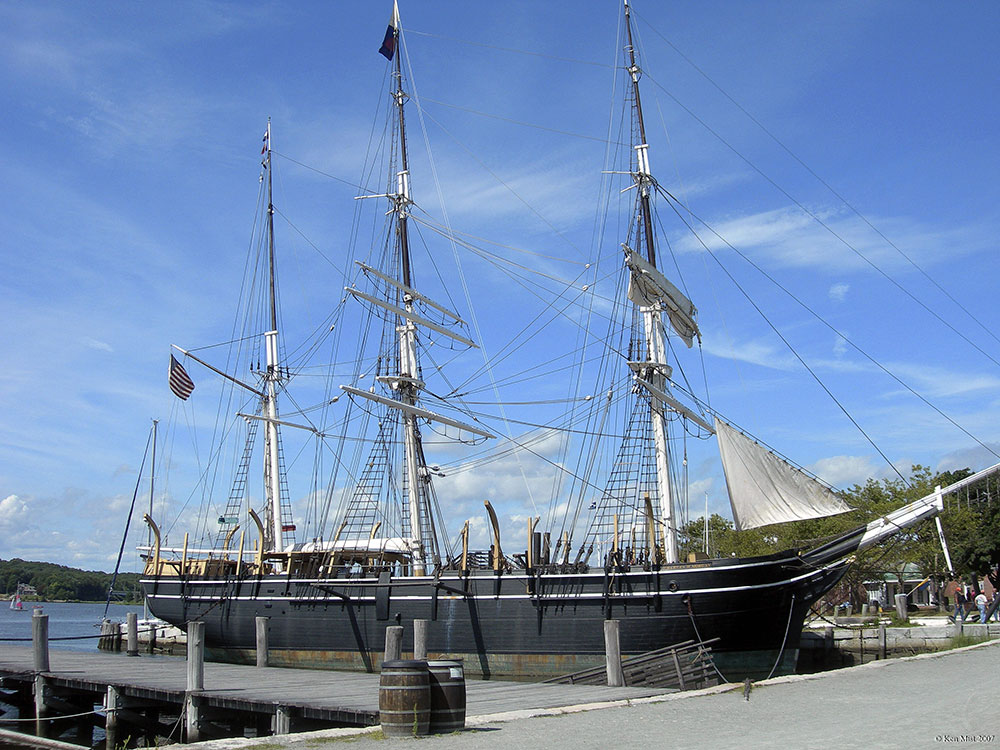
Mystic Seaport Museum is the largest maritime museum in the U.S., founded in 1929, with historic ships and a re-created 19th-century seafaring village. It became famous for acquiring the whaling ship Charles W. Morgan in 1941, the only surviving wooden American whaler, with an 80-year career.
Highlights
- Seafaring village: a chandlery, sail loft, ropewalk, cooperage, and other trades
- Preservation Shipyard: traditional shipwrights restoring the fleet
- Model: a 40-foot, 1/128-scale model of the Mystic River as it looked around 1870
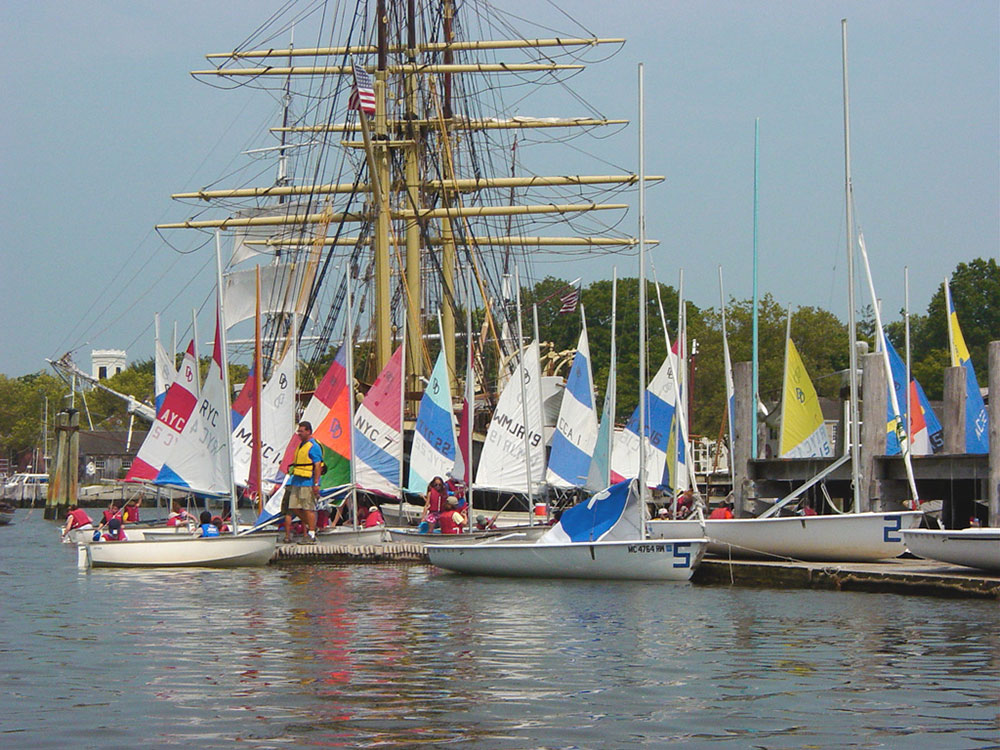
- Afloat: sailing lessons and rides on historic small craft, plus sea music programs
This article uses material from the Wikipedia article "Mystic Seaport", which is released under the Creative Commons Attribution-Share-Alike License 3.0