Preserved birthplace and cultural landscape featuring historic structures, interpretive trails, and museum exhibits celebrating the life and legacy of a pioneering scientist and humanitarian.
General Information
Closed Thanksgiving Day, December 25, and January 1
How to Get There
From Joplin, MO (10 mi): Take I‑44 east to Exit 20, follow MO‑294 east toward Diamond, then turn right onto Carver Road and continue to the signed entrance.
Overview
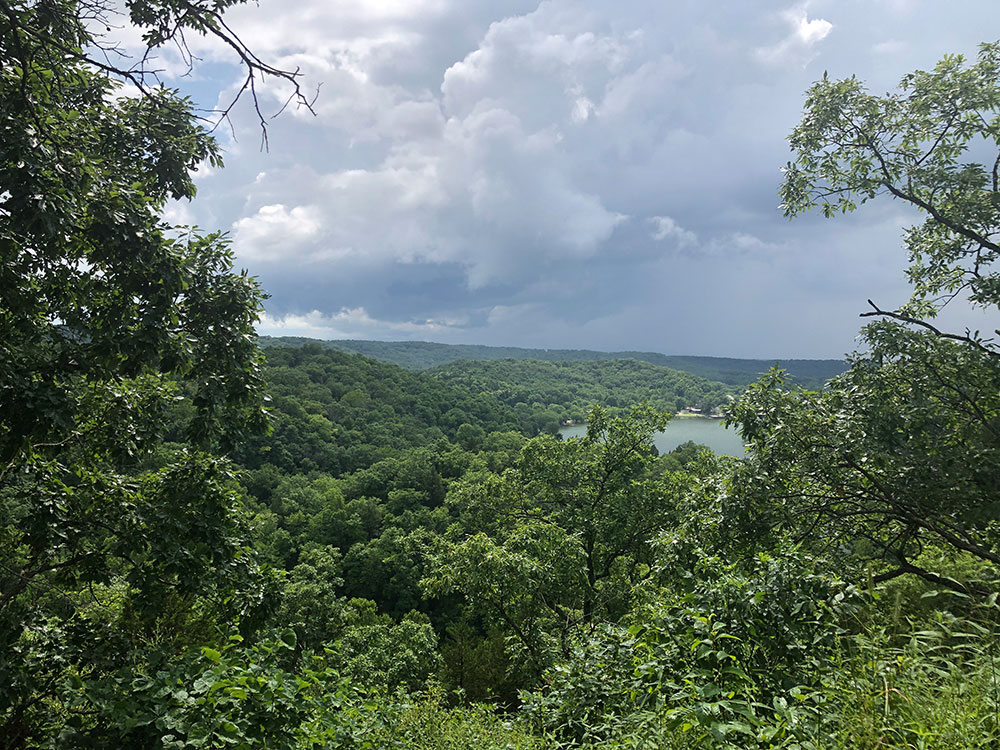
The George Washington Carver National Monument protects the rural landscape where one of America’s most influential scientists spent his earliest years, surrounded by tallgrass prairie, woodlands, and flowing streams. This quiet agricultural setting shaped Carver’s lifelong fascination with nature, experimentation, and learning. Visitors encounter restored historic buildings associated with his childhood alongside walking trails that wind past statues, native plants, and interpretive markers tracing the rhythms of nineteenth‑century farm life.
Inside the visitor center, immersive museum exhibits and interactive displays explore Carver’s achievements as an agricultural innovator, educator, and humanitarian whose work transformed farming practices and expanded opportunities for future generations. A short film and hands‑on discovery areas bring his philosophy of curiosity and service vividly to life. Together, the cultural history and natural environment create an experience that blends biography with landscape, inviting travelers to reflect on how perseverance and creativity can grow from even the humblest beginnings.
Things to Do
Explore the Visitor Center and Museum
The visitor center features exhibits about George Washington Carver's life, scientific achievements, agricultural innovations, and lasting influence on American history. Visitors can view interactive displays, educational programs, and a short introductory film about Carver's legacy.
Walk the Carver Trail
The monument's signature experience is the Carver Trail, a self-guided nature loop that passes through woodlands, prairie, streams, and historic sites associated with Carver's childhood. Interpretive stations along the trail highlight the plants, wildlife, and experiences that helped shape his interest in nature and science.
Visit Historic Carver Sites
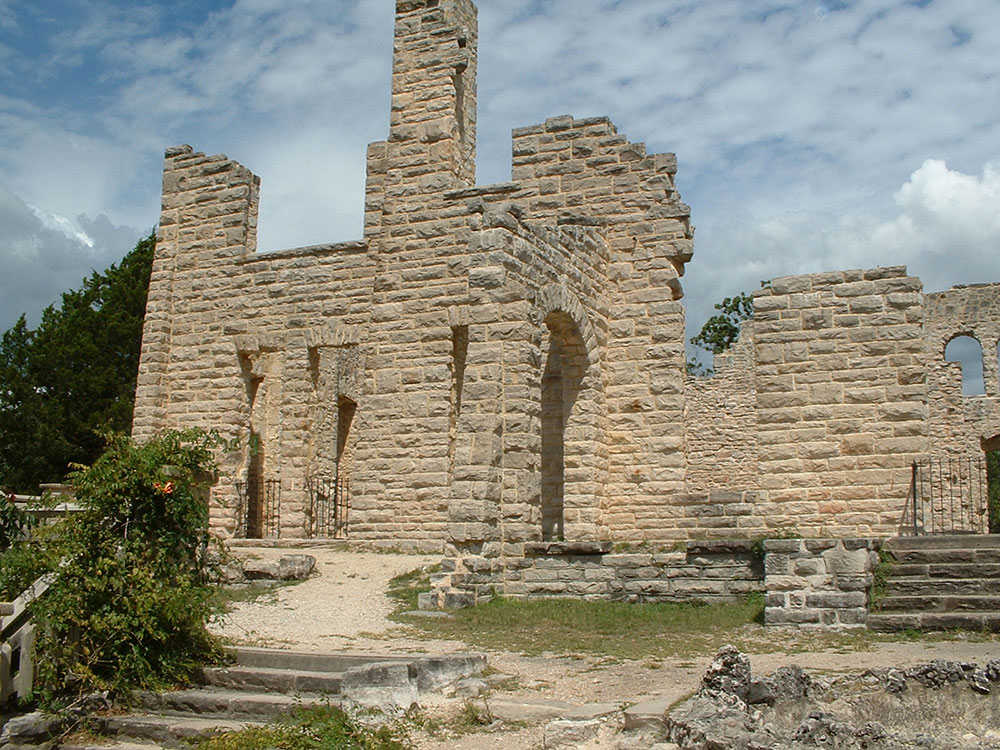
Visitors can see the 1881 Moses Carver House, the historic cemetery, and the site of the Carver farm where George Washington Carver spent his childhood. These locations provide insight into the early life and experiences that influenced his future work as a scientist, educator, and inventor.
Top Trails
Carver Trail
Length: 0.75-mile loop
Elevation Gain: Minimal
Difficulty: Easy
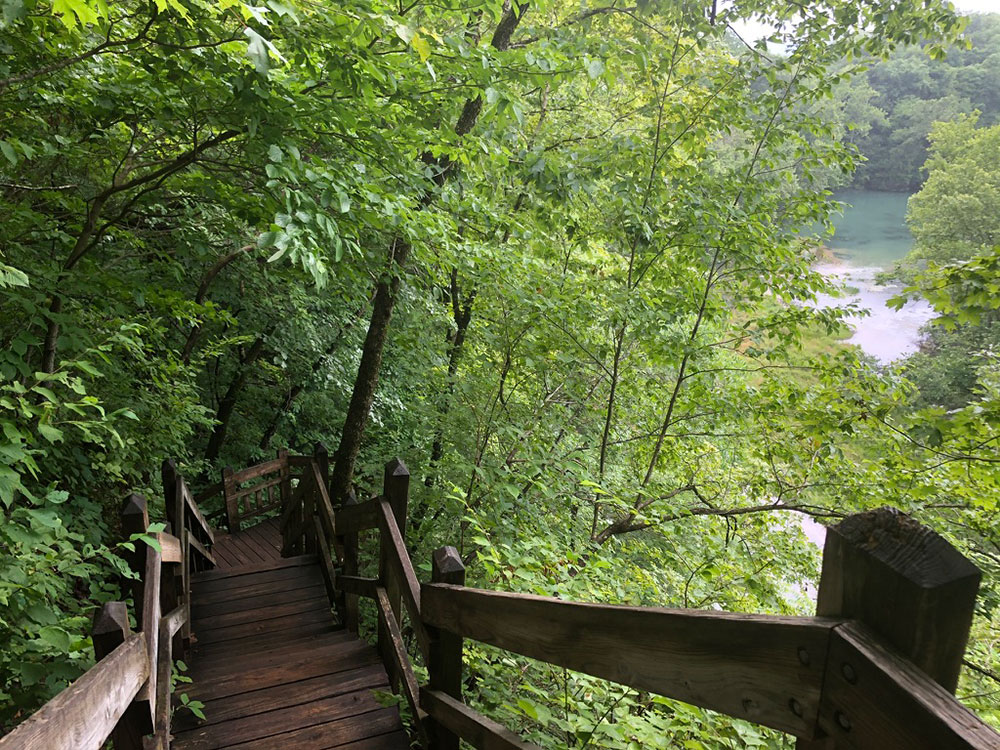
This paved and boardwalk trail winds through prairie, woodland, and stream habitats while connecting visitors to historic features such as the Moses Carver House, Carver family cemetery, and interpretive exhibits about George Washington Carver's childhood.
Nature and Prairie Walk
Length: Varies along connected interpretive paths
Elevation Gain: Minimal
Difficulty: Easy
Additional short walking paths and interpretive areas around the monument allow visitors to explore native prairie restoration projects, wildlife habitats, and plant communities that inspired Carver's lifelong passion for botany and conservation.
Sources: National Park Service official George Washington Carver National Monument information, including visitor center exhibits, historic sites, educational programs, and the Carver Trail. [1](https://www.nps.gov/gwca/index.htm) Additional monument history, trail details, and visitor information verified through National Park Service visitor resources and monument guides. [2](https://www.nps.gov/gwca/planyourvisit/index.htm) [3](https://www.nps.gov/gwca/learn/historyculture/index.htm)
This article uses material from the Wikipedia articles and official National Park Service resources for the George Washington Carver National Monument, which are released under the Creative Commons Attribution-Share-Alike License 3.0.