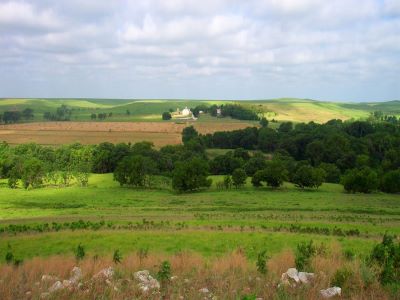

Expansive natural preserve protecting one of the last remnants of tallgrass prairie with hiking trails, historic ranch buildings, and a free-roaming bison herd.
General Information
Visitor Center: Summer (Apr–Oct): 8:30 AM to 4:30 PM daily
Winter (Nov–Mar): 9:00 AM to 4:30 PM, closed Mondays and Tuesdays
How to Get There
From Topeka, KS (75 mi): Take I-335 S to US-50 W, then follow KS-177 S to Strong City; the preserve entrance is two miles north on KS-177.
Overview
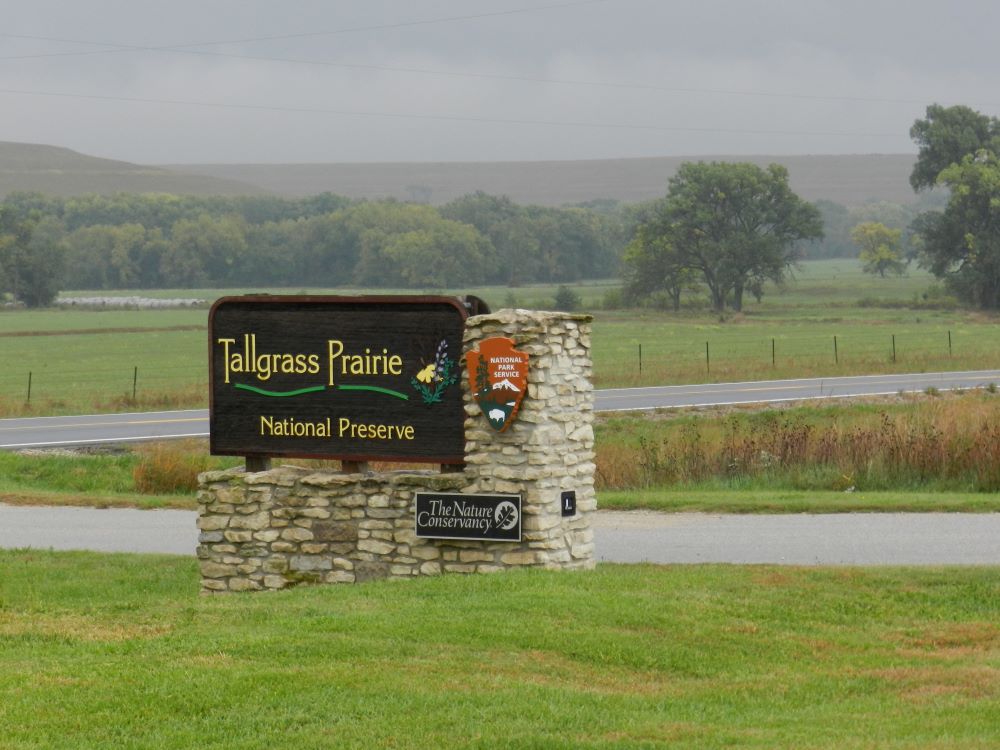
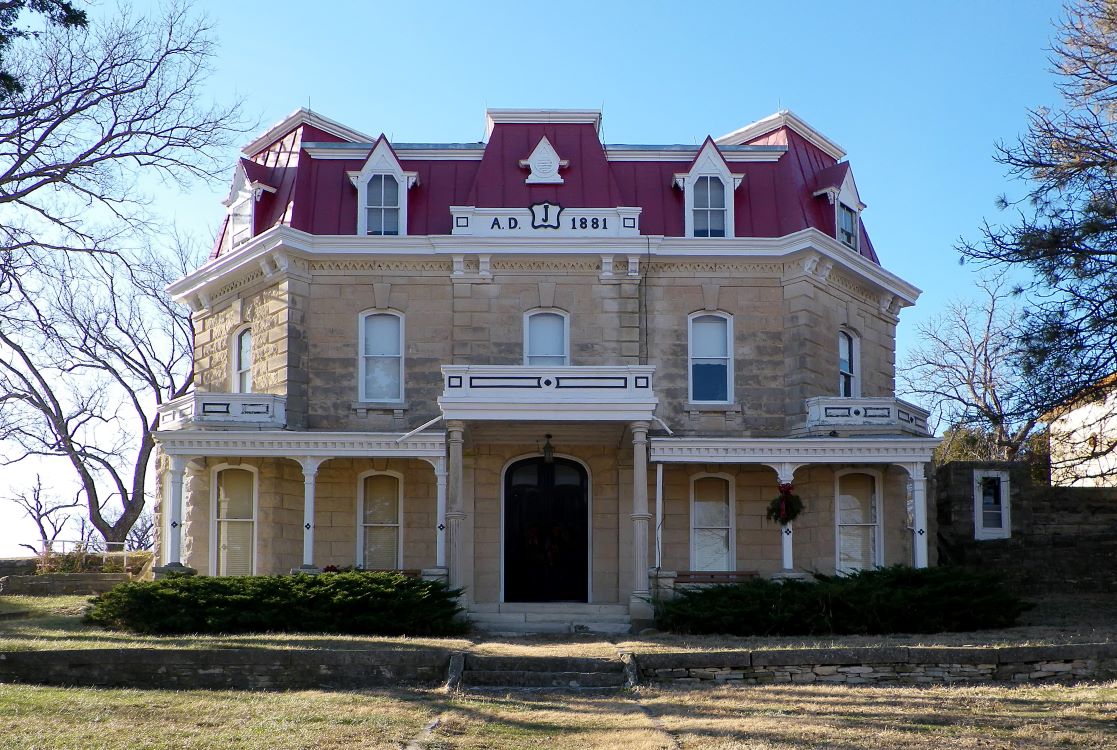
The Tallgrass Prairie National Preserve in the Flint Hills of Kansas is a rare and remarkable landscape, preserving one of the last remaining expanses of tallgrass prairie in North America. Spanning over 10,000 acres, the preserve offers visitors a chance to experience the sweeping beauty of native grasses, wildflowers, and wildlife, including a free-roaming bison herd. Managed through a unique partnership between the National Park Service and The Nature Conservancy, the site features over 40 miles of hiking trails, catch-and-release fishing, and a historic 1881 ranch complex that includes a limestone house, barn, and outbuildings.
Visitors can explore the preserve on foot, take a self-guided cell phone tour, or enjoy interpretive exhibits in the visitor center and historic buildings. The preserve is open year-round, with seasonal changes offering dramatically different views—from vibrant spring blooms to golden autumn grasses. Whether you're a hiker, photographer, or nature lover, the Tallgrass Prairie National Preserve offers a peaceful and immersive experience in one of the most endangered ecosystems on the continent.
Things to Do
Experience the Last Great Tallgrass Prairie
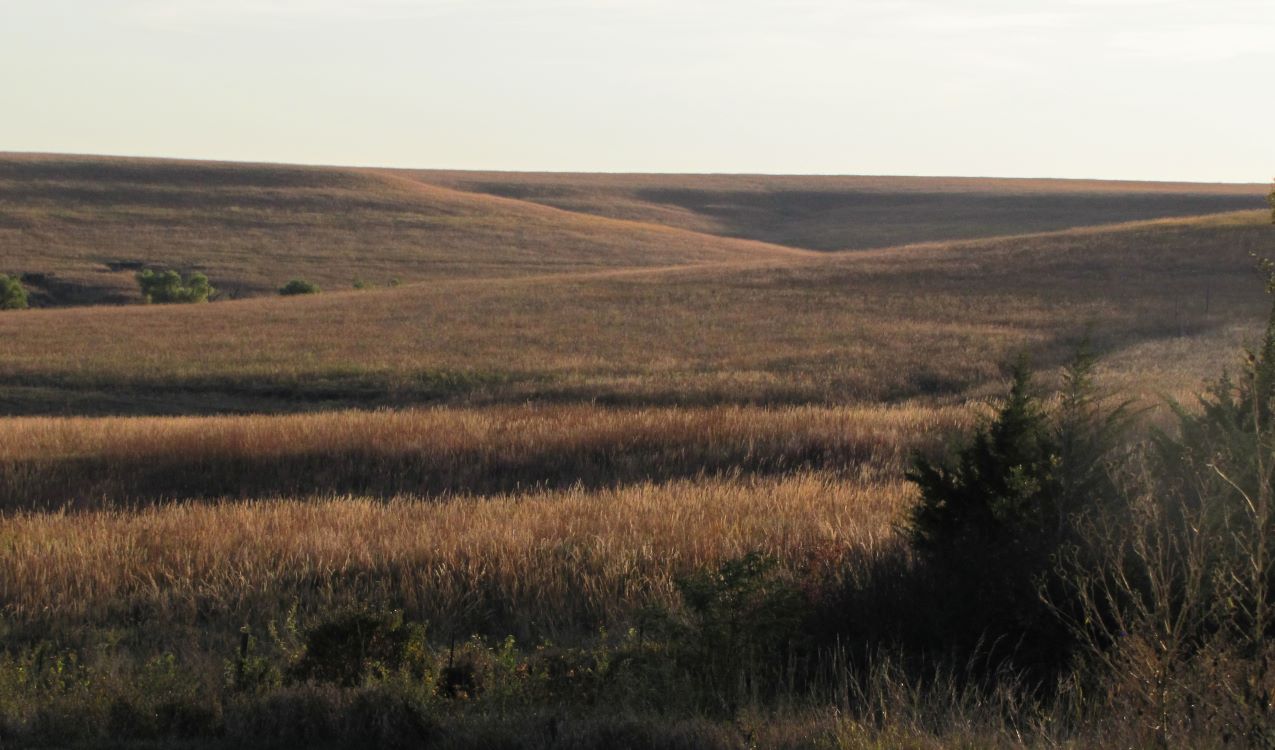
Tallgrass Prairie National Preserve protects nearly 11,000 acres of the remaining tallgrass prairie ecosystem in the Flint Hills of east-central Kansas. Less than four percent of North America's original tallgrass prairie survives today, making this preserve one of the most important protected grassland landscapes in the United States. Visitors can experience sweeping prairie vistas, historic ranch buildings, abundant wildlife, and one of the finest examples of the Great Plains as they once appeared.
Explore the Historic Spring Hill Ranch
The preserve features the historic Spring Hill Ranch, including a beautifully preserved 1881 limestone ranch house, barn, outbuildings, and interpretive exhibits. Visitors can learn about cattle ranching, settlement history, and the relationship between people and the prairie landscape in the Flint Hills region.
See the Bison Herd
A herd of American bison roams portions of the preserve, helping maintain the natural prairie ecosystem. Visitors frequently observe these iconic animals grazing across the grasslands, providing a glimpse of the Great Plains environment that once stretched across much of North America.
Experience Wildflowers and Prairie Wildlife
Throughout the growing season, the prairie bursts with colorful wildflowers, tall grasses, and diverse plant communities. Wildlife commonly seen includes deer, coyotes, bobcats, prairie chickens, hawks, meadowlarks, turkeys, and numerous pollinator species.
Enjoy Scenic Drives and Photography
The Flint Hills contain the largest remaining concentration of tallgrass prairie in North America. Rolling hills, dramatic skies, seasonal wildflower blooms, and grazing bison make the preserve one of Kansas' premier destinations for photography and sightseeing.
Top Trails
Southwind Nature Trail
Length: Approximately 1.75 miles loop
Elevation Gain: Moderate
Difficulty: Easy to Moderate
This popular trail leads visitors through native tallgrass prairie and provides opportunities to observe wildflowers, birds, grazing bison, and panoramic views of the Flint Hills. Interpretive signs explain the ecology and history of the prairie landscape.
Scenic Overlook Trail
Length: Approximately 2 miles round trip
Elevation Gain: Moderate
Difficulty: Moderate
Hikers are rewarded with sweeping views across the preserve and the surrounding Flint Hills. The trail showcases the vastness and beauty of one of North America's most endangered ecosystems.
Fox Creek Trail
Length: Approximately 6 miles round trip
Elevation Gain: Moderate
Difficulty: Moderate
This longer hike traverses prairie uplands, creek valleys, and scenic grasslands while providing excellent opportunities for wildlife viewing and experiencing the preserve's diverse habitats.
Spring Hill Ranch Walking Route
Length: Approximately 0.5 miles
Elevation Gain: Minimal
Difficulty: Easy
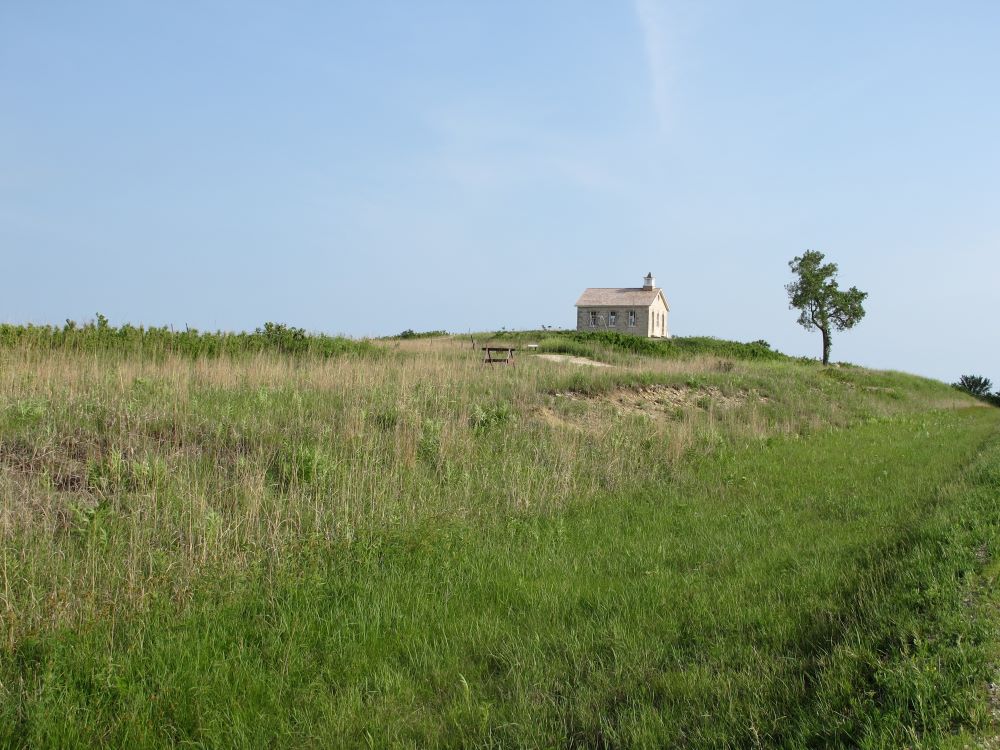
This short walk explores the historic ranch complex and its preserved buildings while highlighting the history of cattle ranching and settlement in the Flint Hills.
Sources: National Park Service official Tallgrass Prairie National Preserve information, including details on the Spring Hill Ranch, bison herd, prairie ecology, hiking trails, wildlife viewing, and visitor experiences. https://www.nps.gov/tapr
Additional information verified through National Park Service visitor resources covering the Southwind Nature Trail, Fox Creek Trail, Flint Hills ecosystem, historic ranch buildings, and tallgrass prairie conservation efforts. https://www.nps.gov/tapr/planyourvisit
This article uses material from the Wikipedia articles and official tourism pages for the Tallgrass Prairie National Preserve, which are released under the Creative Commons Attribution-Share-Alike License 3.0.