-400.jpg)

Expansive tallgrass prairie preserve and ecological research site offering public hiking trails, panoramic views, and educational opportunities in a native grassland ecosystem.
General Information
Closed during controlled burns or trail maintenance (typically in April)
Suggested donation: $2 per visitor to support trail maintenance
How to Get There
From Topeka, KS (65 mi): Take I-70 W to Exit 313, then follow KS-177 N toward Manhattan; turn west onto McDowell Creek Road and continue 6 miles to the Konza Prairie entrance on your left.
Overview
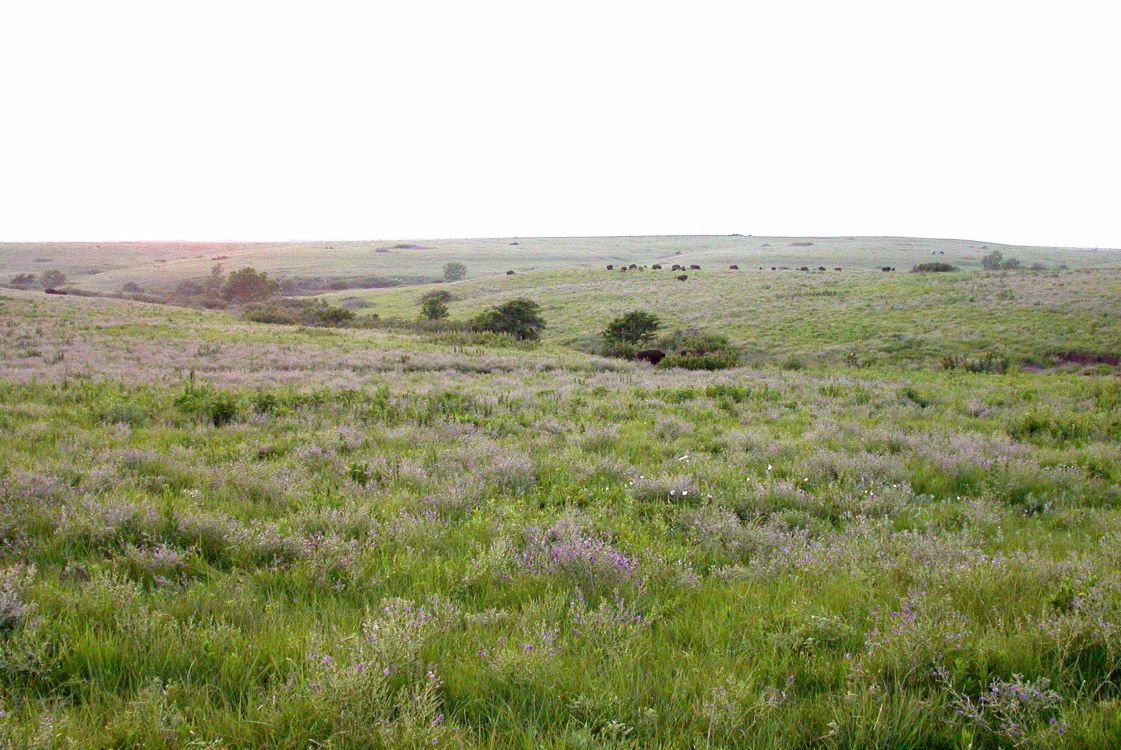
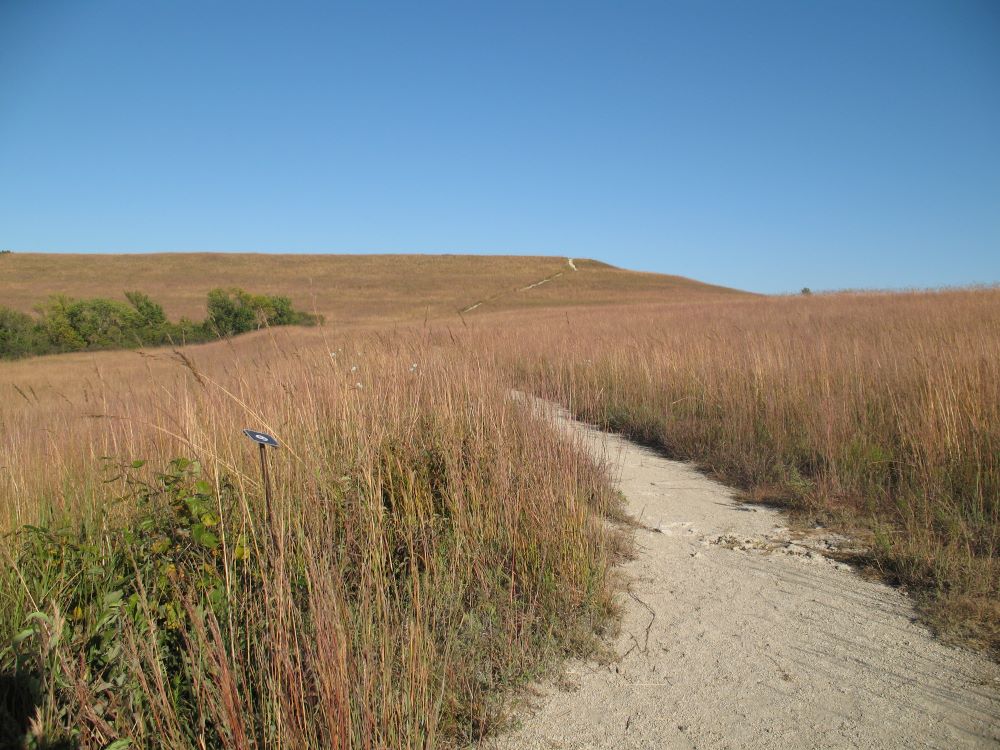
The Konza Prairie Biological Station is a globally significant research preserve nestled in the Flint Hills of northeastern Kansas. Spanning over 3,487 hectares, it is one of the largest remaining tracts of unplowed tallgrass prairie in North America. Jointly owned by The Nature Conservancy and Kansas State University, the station serves as a living laboratory for long-term ecological research, education, and conservation. While much of the land is reserved for scientific study, the public can explore its beauty via a network of hiking trails that wind through gallery forests, across creeks, and up limestone ridges offering sweeping views of the prairie landscape.
Visitors to Konza Prairie can choose from three trail loops ranging from 2.6 to 6.2 miles, each offering a unique perspective on the region’s biodiversity and geology. Interpretive signage and self-guided brochures enhance the experience, making it both educational and immersive. The preserve is also a hub for ecological research, having produced thousands of scientific publications and supporting graduate studies from around the world. Whether you're a hiker, nature lover, or science enthusiast, Konza Prairie offers a rare opportunity to connect with one of the most endangered ecosystems on the planet.
This article uses material from the Wikipedia articles and official tourism pages for the Konza Prairie Biological Station, which are released under the Creative Commons Attribution-Share-Alike License 3.0.