
Museum built around the world’s largest hand-dug well, featuring exhibits on local history, a massive pallasite meteorite, and the town’s recovery from a devastating tornado.
General Information
Monday to Saturday: 9:00 am – 6:00 pm
Sunday: 1:00 pm – 6:00 pm
November–February:
Monday to Saturday: 9:00 am – 5:00 pm
Closed Sunday
Seniors (60+) and Children (5–12): $6
Children under 5: Free
Kiowa County Residents: $4
Family Pass (2 adults + children under 18): $25
Groups (15+): $5 per person
How to Get There
From Wichita, KS (110 mi): Take US-400 W through Pratt to Greensburg, then turn south on Sycamore Street to reach the museum entrance.
Overview
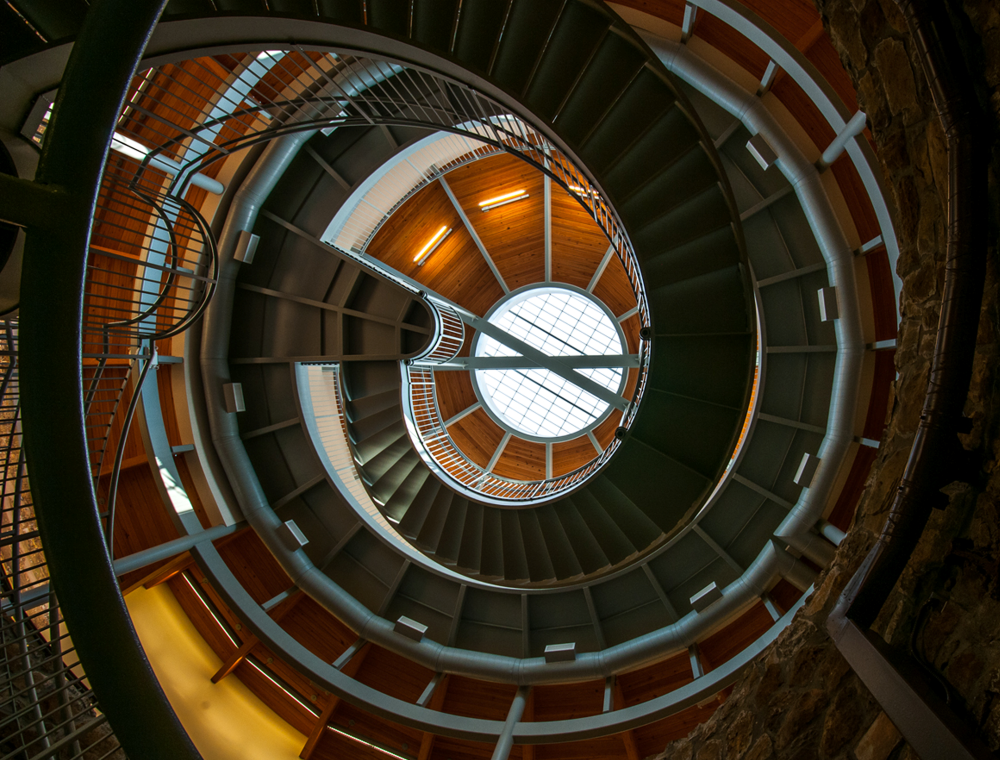
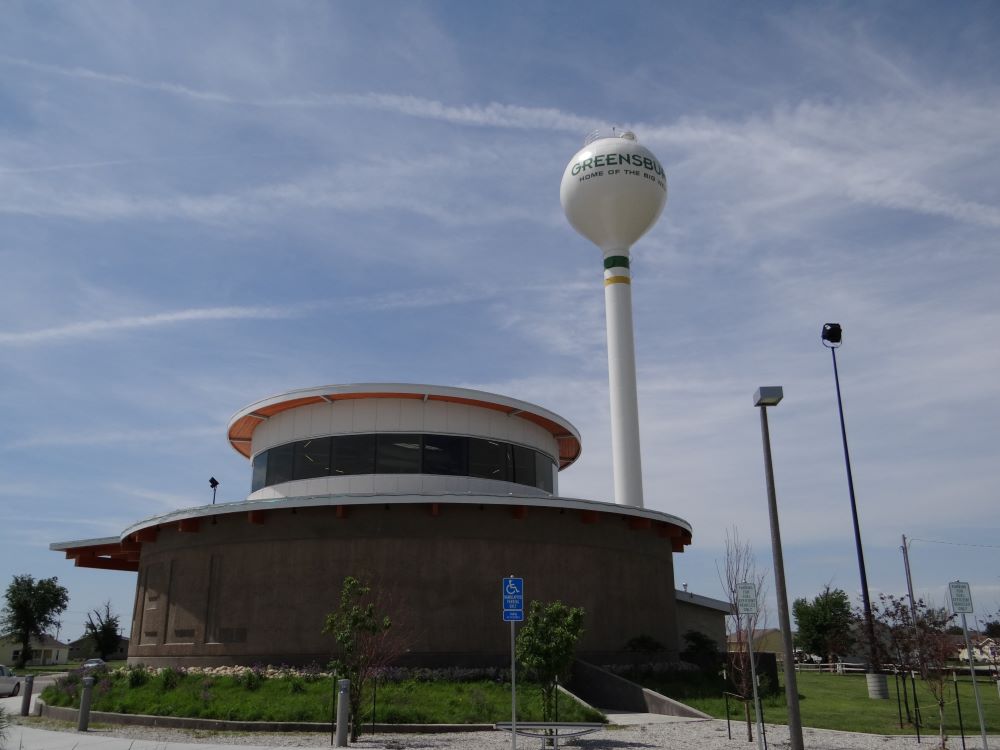
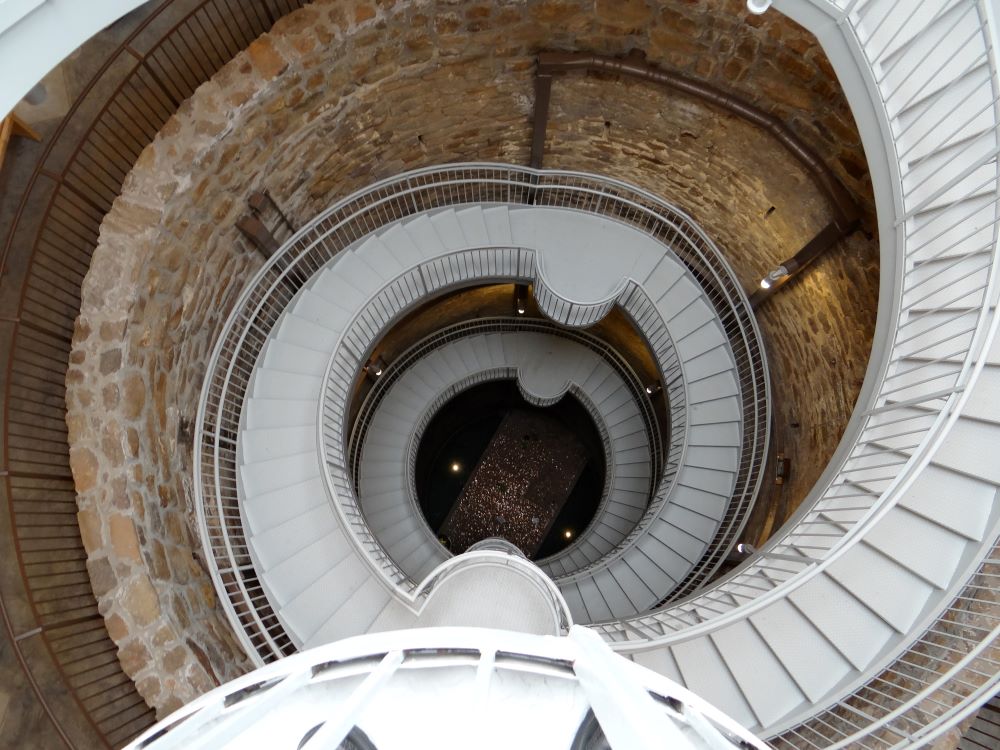
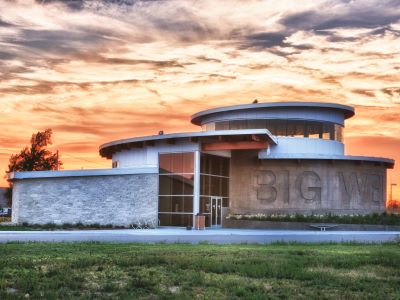
The Big Well Museum in Greensburg, Kansas, is home to the world’s largest hand-dug well—an engineering marvel completed in 1888 that measures 109 feet deep and 32 feet in diameter. Originally built as a municipal water source, the well now serves as the centerpiece of a museum that explores the town’s history, including its near-total destruction by an EF5 tornado in 2007. Visitors can descend into the well via a metal staircase and view exhibits that chronicle the town’s rebuilding efforts and its transformation into one of the greenest communities in America.
The museum also houses the world’s largest pallasite meteorite, discovered near Greensburg in 1949 and weighing over 1,000 pounds. This rare celestial object, composed of olivine crystals embedded in iron, adds a cosmic dimension to the museum’s offerings. With its blend of natural wonder, historical resilience, and community pride, the Big Well Museum is a must-see destination for travelers exploring western Kansas.
This article uses material from the Wikipedia articles and official tourism pages for Big Well Museum, which are released under the Creative Commons Attribution-Share-Alike License 3.0.