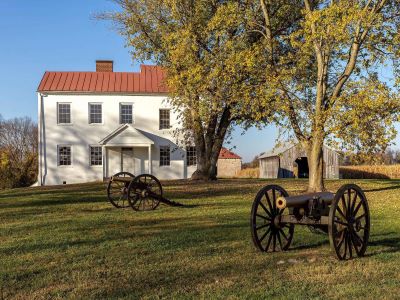
Preserved Civil War battlefield commemorating the 1864 Battle of Monocacy with trails, monuments, and a visitor center.
General Information
Visitor Center: Daily 9am to 5pm
Closed on Thanksgiving, Christmas, and New Year's Day
Parking: Free
How to Get There
From Washington, DC (50 mi): Take I-270 N to Exit 26 for MD-80 toward Urbana, then follow signs to Urbana Pike and the battlefield entrance.
Overview
The Monocacy National Battlefield preserves the site of the pivotal 1864 Civil War battle known as “The Battle That Saved Washington.” Though a tactical defeat for Union forces, their resistance delayed Confederate troops long enough to reinforce the capital. The battlefield spans over 1,600 acres and includes preserved farmland, historic buildings, and interpretive trails that guide visitors through key moments of the conflict.
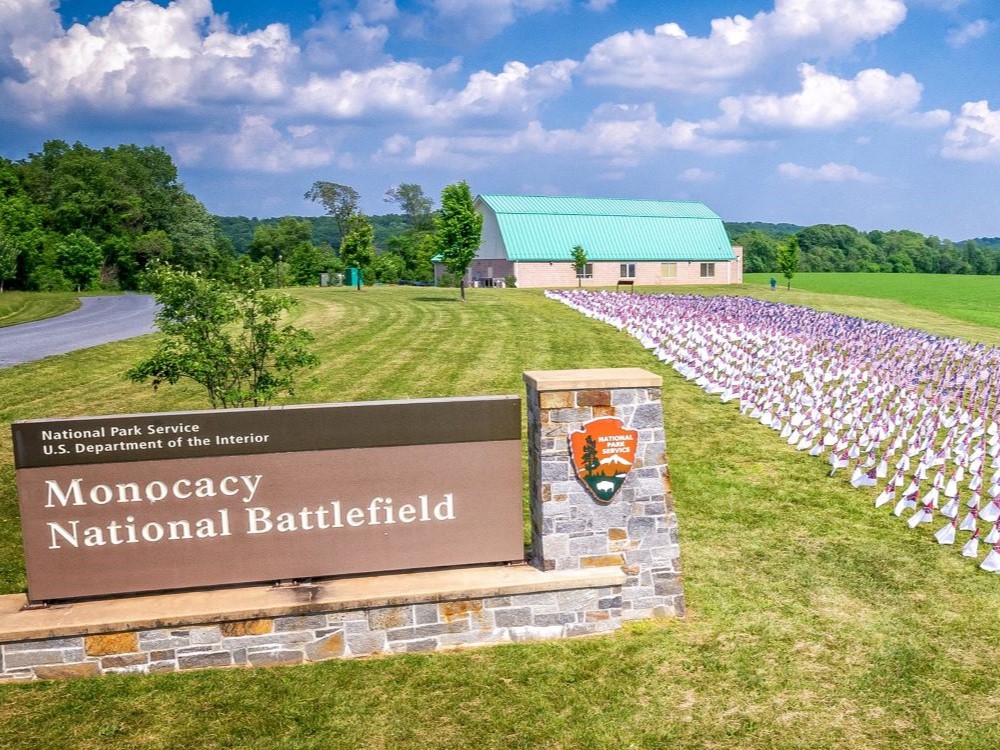
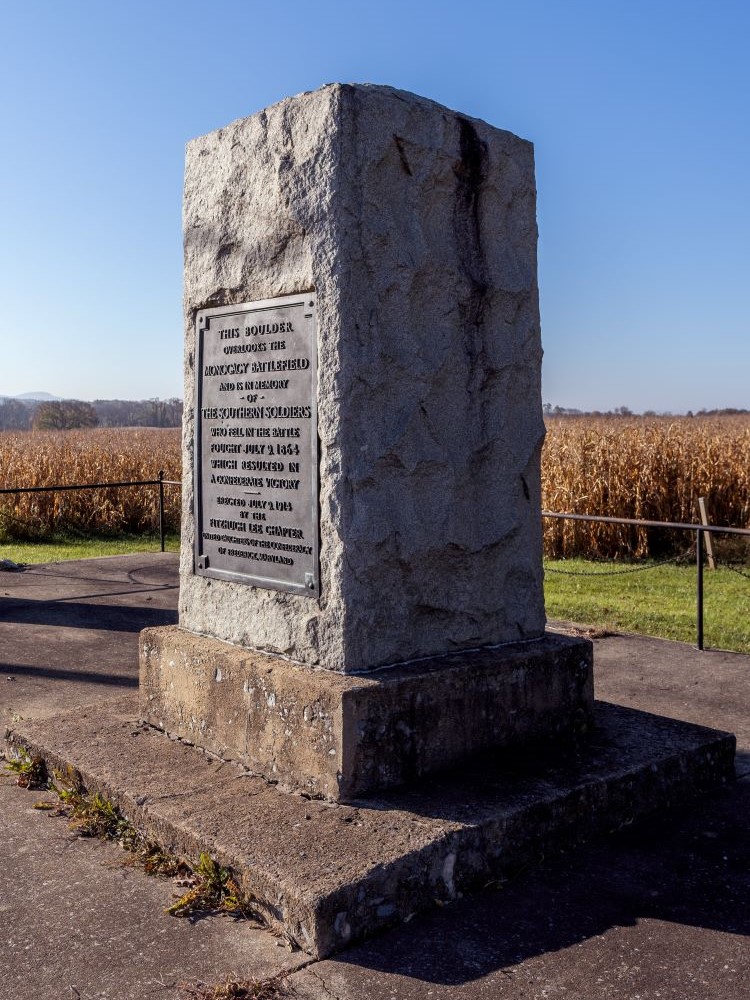
The visitor center features exhibits, artifacts, and a short film that contextualizes the battle’s significance. Outdoor trails lead to monuments, cannons, and scenic overlooks, offering a reflective experience for history buffs and nature lovers alike. With its blend of historical interpretation and natural beauty, Monocacy National Battlefield serves as a powerful reminder of the sacrifices made during the Civil War.
Things to Do
Explore the Battlefield That Saved Washington, D.C.
Monocacy National Battlefield preserves the site of the Battle of Monocacy, fought on July 9, 1864, during the American Civil War. Although Union forces were defeated, their determined defense delayed Confederate General Jubal Early's advance toward Washington, D.C., giving Union reinforcements time to strengthen the capital's defenses. Because of this crucial delay, the battle is often called "The Battle That Saved Washington."
Visit the Visitor Center
The visitor center features exhibits, artifacts, maps, and a film detailing the events of the 1864 campaign. Visitors can learn about the soldiers, civilians, and military strategies involved in one of the most consequential battles of the war's final years.
Explore Historic Battlefield Sites
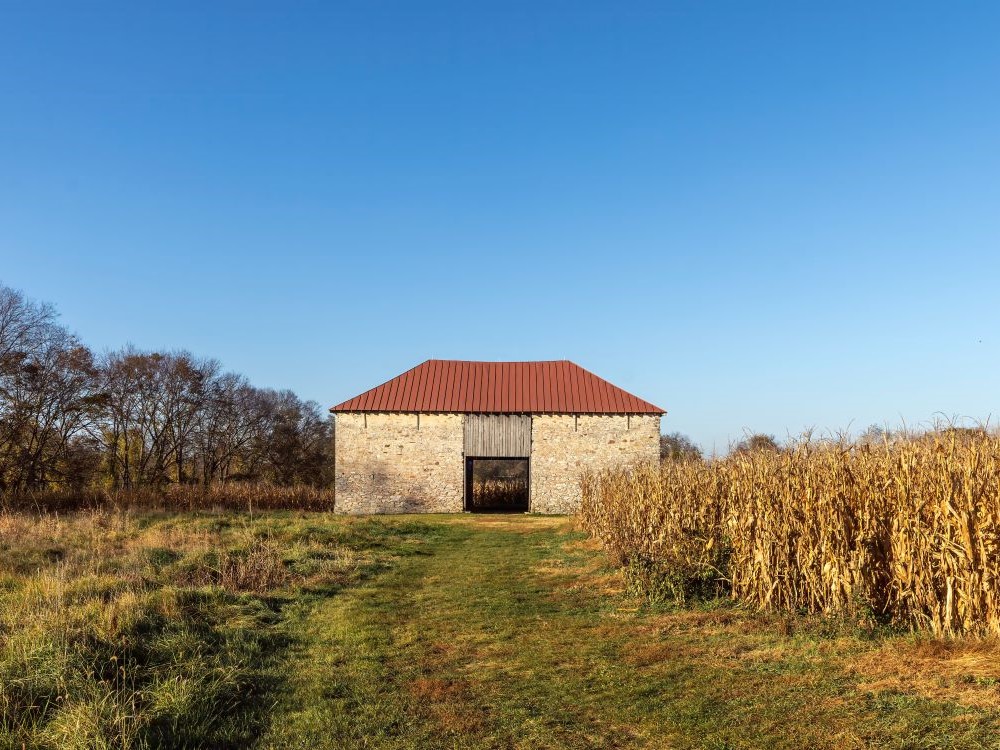
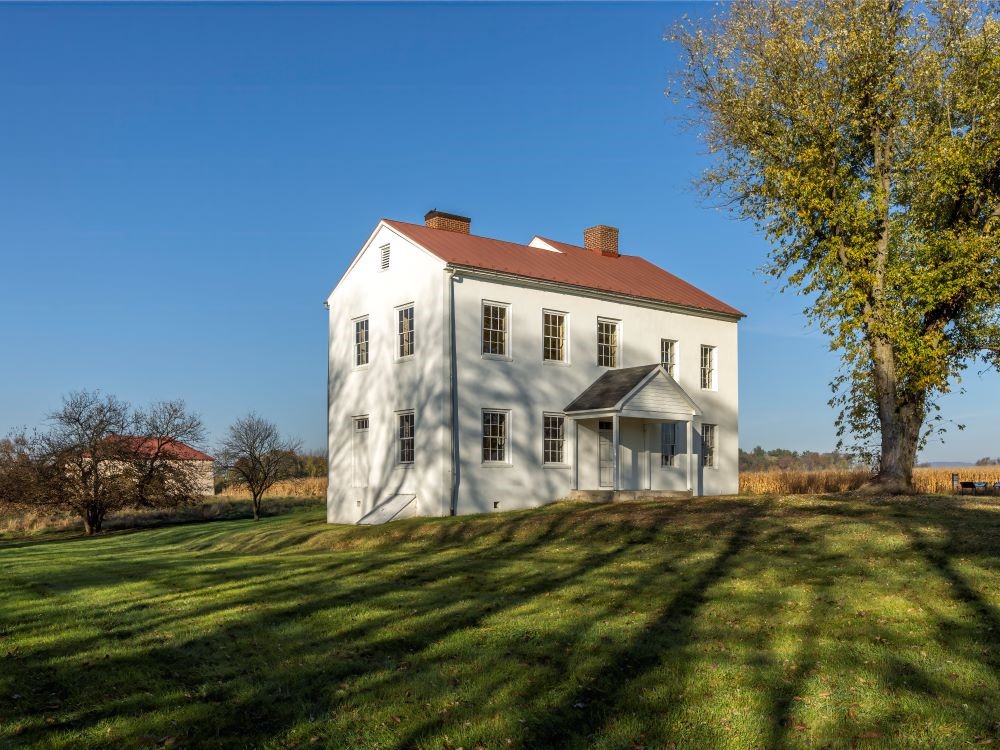
The battlefield includes several significant locations, including the Worthington Farm, Thomas Farm, Best Farm, Monocacy Junction, and the historic Gambrill Mill. These sites help visitors understand troop movements and the unfolding of the battle across the landscape.
Drive the Battlefield Auto Tour
A self-guided driving tour connects the major areas of the battlefield and includes interpretive stops that explain key moments of the engagement. The tour provides an excellent way to experience the battlefield's large and varied terrain.
Enjoy Nature and Scenic Landscapes
In addition to its historical significance, the park preserves rolling farmland, river corridors, forests, and wildlife habitats. Visitors can enjoy birdwatching, photography, walking, and exploring the rural landscape that remains much as it appeared during the Civil War.
Top Trails
Best Farm Trail
Length: Approximately 1.5 miles loop
Elevation Gain: Minimal
Difficulty: Easy
This trail explores the Best Farm area, where significant fighting took place during the battle. Interpretive signs explain the role of the farm and the experiences of those who lived and fought there.
Worthington Ford Trail
Length: Approximately 1 mile round trip
Elevation Gain: Minimal
Difficulty: Easy
The trail leads to the historic crossing of the Monocacy River used during the battle. Visitors can learn about troop movements and the strategic importance of the river crossings while enjoying scenic river views.
Gambrill Mill Trail
Length: Approximately 0.5 miles round trip
Elevation Gain: Minimal
Difficulty: Easy
This short walk visits the historic Gambrill Mill and nearby portions of the battlefield. The area provides insight into civilian life during the Civil War and the economic importance of local mills in the nineteenth century.
Monocacy Battlefield Walking Routes
Length: Variable distances available
Elevation Gain: Minimal
Difficulty: Easy
Several interconnected walking paths throughout the park allow visitors to explore fields, monuments, historic structures, and interpretive areas while gaining a deeper understanding of the Battle of Monocacy and its impact on the Civil War.
Sources: National Park Service official Monocacy National Battlefield information, including details on the Battle of Monocacy, visitor center exhibits, battlefield preservation, driving tours, hiking trails, and educational programs. https://www.nps.gov/mono
Additional historical and visitor information verified through National Park Service resources covering the Best Farm, Gambrill Mill, Worthington Ford, battlefield landscapes, and interpretive opportunities. https://www.nps.gov/mono/planyourvisit
This article uses material from the Wikipedia articles and official tourism pages for the Monocacy National Battlefield, which are released under the Creative Commons Attribution-Share-Alike License 3.0.