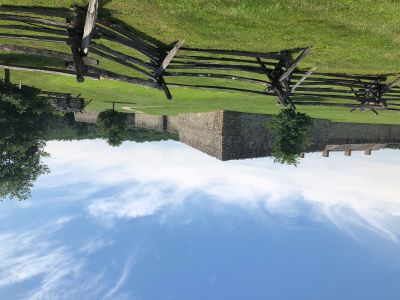
18th‑century stone fortification preserved with restored ramparts, historic barracks, and surrounding parkland that interpret early American frontier defense.
★5.0
General Information
Hours:
Hours for the visitor center and historic buildings may vary seasonally
Fees:
Maryland residents: $3 per vehicle (weekday), $5 (weekend)
Out-of-state residents: $5 per vehicle (weekday), $7 (weekend)
Children under 15: Free
Pet Policy:
Leashed pets are allowed in day‑use areas and trails; pets are not permitted inside the fort buildings
From Washington, DC (81 mi): Take I‑270 N to I‑70 W toward Hagerstown, exit at Big Pool, then follow MD‑56 east and local signs to the park entrance.
Overview
Fort Frederick State Park on the Potomac protects the largest stone fort ever built in Maryland, built in 1756 during the French and Indian War and one of the best-preserved 18th-century forts in North America. Its thick limestone walls, barracks, bastions, and exhibits interpret military life in the French and Indian War and the Revolution, and living-history events, reenactments, and costumed interpreters run through the year. The 500-plus-acre park borders the C&O Canal towpath.

-1000.jpg)
-1000.jpg)
