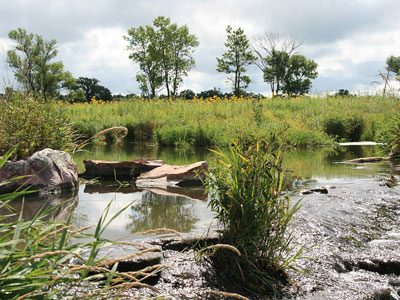

National monument preserving quarries sacred to many tribal nations of North America, and were considered neutral territory in the historic past where all Nations could quarry stone for ceremonial pipes
General Information
How to Get There
From Sioux Falls, SD (75 mi): Take I-90 E from Sioux Falls approximately 25 miles to Exit 26 for US-75 N, then head north on US-75 approximately 50 miles to Pipestone, and follow signs to the monument at 36 Reservation Ave on the north side of town.
Overview
Pipestone National Monument is located in southwestern Minnesota, just north of the city of Pipestone. It is located along the highways of U.S. Route 75, Minnesota State Highway 23 and Minnesota State Highway 30. The quarries are sacred to many tribal nations of North America, including the Dakota, Lakota, and other tribes of Native Americans, and were considered neutral territory in the historic past where all Nations could quarry stone for ceremonial pipes.The catlinite, or "pipestone" is traditionally used to make ceremonial pipes, vitally important to traditional Plains Indian religious practices. Archeologists believe the site has been in use for over 3000 years with Minnesota pipestone having been found inside North American burial mounds dated much earlier.
During the summer months, there are cultural demonstrations at the monument. The Upper Midwest Indian Cultural Center, located inside the visitor center, sponsors demonstrations of pipemaking by Native craftworkers using the stone from the quarries. Local Native Americans carve the stones using techniques passed down from their ancestors. Many of the demonstrators are third or fourth generation pipe makers. Visitors can also walk along a three-quarter mile (1.2 km) self-guided trail to view the pipestone quarries and a waterfall. The visitor center features exhibits about the natural and cultural history of the site, including a display of the petroglyphs found around the quarry. There is also an orientation video about the history of the pipestone quarries.
Things to Do
Explore a Sacred Indigenous Quarry Site
Pipestone National Monument preserves one of the most significant cultural and historical landscapes in the United States. Located in southwestern Minnesota, the monument protects the sacred pipestone quarries where Native American tribes have quarried catlinite, or pipestone, for centuries to create ceremonial pipes. The site remains an active quarry where federally recognized tribal members continue traditional quarrying practices today.
Visit the Pipestone Quarry
The monument's quarry area provides visitors with a unique opportunity to learn about the cultural and spiritual significance of pipestone. Interpretive exhibits explain quarrying methods, Native traditions, and the importance of the stone in ceremonies, diplomacy, and artistic expression across many Indigenous nations.
Explore the Visitor Center and Museum
The visitor center features exhibits on Native American history, culture, geology, and the quarrying process. Visitors can view traditional pipe carvings, historical artifacts, and educational displays that highlight the continuing significance of pipestone to Indigenous communities.
See Winnewissa Falls
One of the monument's most scenic features is Winnewissa Falls, where water cascades over the distinctive Sioux Quartzite cliffs. The falls and surrounding rock formations provide beautiful views and excellent photography opportunities throughout the year.
Watch Cultural Demonstrations
Depending on the season, visitors may observe demonstrations by Native artisans who create traditional pipes and other works of art. These programs provide insight into cultural traditions that have been passed down through generations.
Top Trails
Circle Trail
Length: Approximately 0.75 miles loop
Elevation Gain: Minimal
Difficulty: Easy
The monument's primary trail passes many of its most important features, including the pipestone quarries, Winnewissa Falls, Sioux Quartzite cliffs, native prairie habitats, and cultural landmarks. Interpretive signs along the route explain the area's geology, ecology, and Indigenous heritage.
Winnewissa Falls Overlook Trail
Length: Included within the Circle Trail
Elevation Gain: Minimal
Difficulty: Easy
This section of the trail provides access to scenic overlooks of Winnewissa Falls and the surrounding quartzite formations. It is one of the monument's most photographed locations.
Prairie and Cultural Landscape Walks
Length: Variable short walks available
Elevation Gain: Minimal
Difficulty: Easy
Additional walking opportunities throughout the monument allow visitors to experience restored tallgrass prairie, observe native plants and wildlife, and learn about the cultural significance of the landscape to Indigenous peoples.
Sources: National Park Service official Pipestone National Monument information, including details on the pipestone quarries, Native American cultural traditions, Winnewissa Falls, visitor center exhibits, quarrying practices, and hiking opportunities. https://www.nps.gov/pipe
Additional information verified through National Park Service visitor resources covering the Circle Trail, cultural demonstrations, prairie ecosystems, Sioux Quartzite geology, and the monument's continuing significance to federally recognized tribes. https://www.nps.gov/pipe/planyourvisit
This article uses material from the Wikipedia article "Pipestone National Monument", which is released under the Creative Commons Attribution-Share-Alike License 3.0


