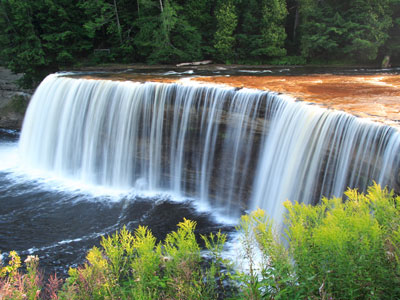
Upper Peninsula

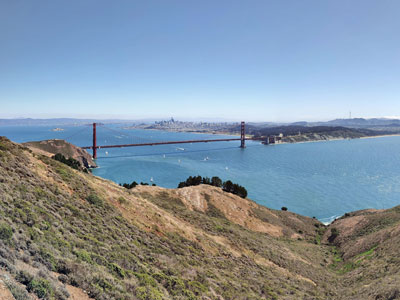
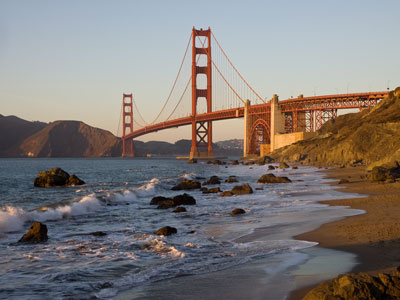
GoldenGateBridge_BakerBeach_MC

Golden Gate Bridge from Baker Beach, San Francisco, CA
Christian Mehlführer, User:Chmehl, CC BY 3.0, via Wikimedia Commons

Upper Peninsula Travel Guide

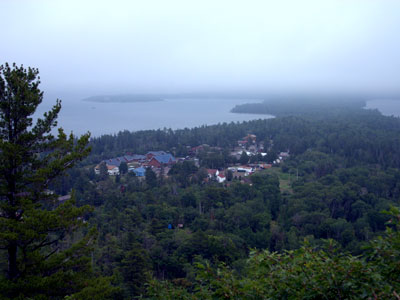
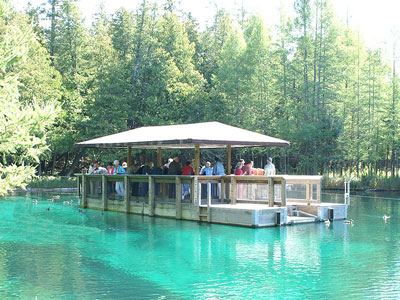
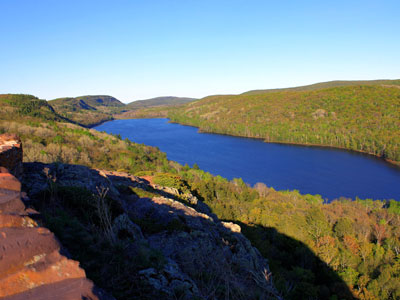
The Upper Peninsula of Michigan, often referred to as the "U.P.," is a rugged and scenic region known for its natural beauty, outdoor activities, and unique culture. It is bordered by Lake Superior to the north, Lake Michigan to the south, and Lake Huron to the east. The U.P. is home to dense forests, pristine lakes, waterfalls, and a variety of wildlife, making it a popular destination for nature lovers and outdoor enthusiasts. Visitors can explore charming small towns, experience Native American heritage, and enjoy activities such as hiking, fishing, skiing, and snowmobiling throughout the year.
Top Locations
Utah Bryce Canyon

Golden Gate Bridge

Rating 5.0
Utah Bryce Canyon

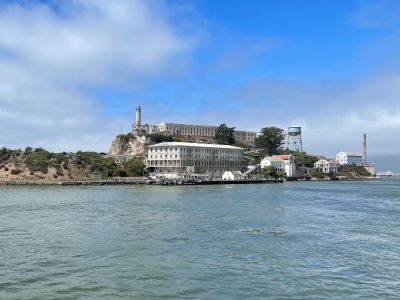
Alcatraz

Rating 5.0

Painted Ladies

Rating 5.0
Utah Bryce Canyon

Chinatown

Rating 5.0
Utah Bryce Canyon

Palace of Fine Arts

Rating 5.0
Utah Bryce Canyon

Haight-Ashbury

Rating 4.5
Rating 4.5

Maximum security federal prison on Alcatraz Island, 1.25 miles off the coast of San Francisco, California. Today, Alcatraz is a public museum and one of San Francisco's major tourist attractions

Fabrice Florin, CC BY-SA 2.0, via Wikimedia Commons; Image Size Adjusted

Rating 3.5

One-block-long alley that is home to the most concentrated collection of murals in the city of San Francisco

Rating 4.0

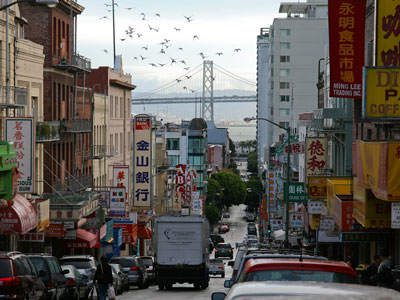
The oldest Chinatown in North America and the largest Chinese enclave outside Asia

Stilfehler, CC BY-SA 4.0, via Wikimedia Commons; Image Size Adjusted

Rating 3.5

210-foot tower in the Telegraph Hill neighborhood of San Francisco, offering panoramic views over the city and the bay

Bob Collowan, CC BY-SA 4.0, via Wikimedia Commons; Image Size Adjusted

Rating 3.5

Neighborhood and popular tourist attraction in San Francisco that roughly encompasses the northern waterfront area of San Francisco

CucombreLibre from New York, NY, USA, CC BY 2.0, via Wikimedia Commons; Image Size Adjusted

Rating 3.5

Landmark public square with shops and restaurants and a 5-star hotel in the Marina area of San Francisco

Christian Mehlführer, User:Chmehl, CC BY 3.0, via Wikimedia Commons; Image Size Adjusted

Rating 5.0

Suspension bridge spanning the one-mile-wide strait connecting San Francisco Bay and the Pacific Ocean is one of the most internationally recognized symbols of San Francisco and California

Tarwin Stroh-Spijer, CC BY-SA 4.0, via Wikimedia Commons; Image Size Adjusted

Rating 5.0

National Recreation Area protecting ecologically and historically significant landscapes surrounding the San Francisco Bay Area and is one of the largest urban parks in the world

Taras Bobrovytsky, CC0, via Wikimedia Commons; Image Size Adjusted

Rating 3.5

Large urban park of public grounds 20 percent larger than Central Park in New York City, is the third most-visited city park in the US after Central Park and the Lincoln Memorial

Mike McBey, CC BY 2.0, via Wikimedia Commons; Image Size Adjusted

Rating 3.5

Neighborhood is known as one of the main centers of the hippie and counterculture of the 1960s

Rating 3.5

East-west street in San Francisco that is famous for a steep, one-block section with eight hairpin turns

Rating 3.5

Mission commonly known as Mission Dolores, is a Spanish Californian mission and the oldest surviving structure in San Francisco, located in the Mission District

Rating 3.5

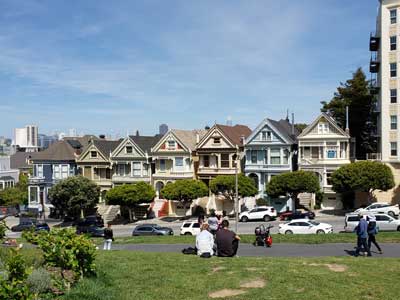
Best-known group of Victorian and Edwardian houses and buildings repainted, in three or more colors that embellish or enhance their architectural details across from Alamo Square park

Rating 4.0

Monumental structure originally constructed for the 1915 Panama-Pacific Exposition including the most prominent building of the complex, a 162 feet high open rotunda

Chris6d, CC BY-SA 4.0, via Wikimedia Commons; Image Size Adjusted

Rating 3.5

Shopping center and popular tourist attraction built on a pier including shops, restaurants, a video arcade, street performances, the Aquarium of the Bay, virtual 3D rides, and views of California sea lions

Jeff P from Berkeley, CA, USA, CC BY 2.0, via Wikimedia Commons; Image Size Adjusted

Rating 4.0

World's last manually operated cable car system and an icon of San Francisco, the cable car system forms part of the city's intermodal urban transport network

Jeff P from Berkeley, CA, USA, CC BY 2.0, via Wikimedia Commons; Image Size Adjusted

Rating 3.5

Interactive exhibits and historic machinery illustrate the inner workings and legacy of a unique transportation system that shaped urban mobility.

Adbar, CC BY-SA 3.0, via Wikimedia Commons; Image Size Adjusted

Rating 3.5

National historical park featuring a fleet of historic vessels, a visitor center, a maritime museum, and a library/research facility

Pavel Špindler, CC BY 3.0, via Wikimedia Commons; Image Size Adjusted

Rating 3.0

48-story modernist skyscraper is the second tallest building in the San Francisco skyline

Daniel Schwen, CC BY-SA 4.0, via Wikimedia Commons; Image Size Adjusted

Rating 3.5

Two prominent hills with an elevation of about 925 feet (282 m) located near the geographic center of San Francisco

Daniel Schwen, CC BY-SA 4.0, via Wikimedia Commons; Image Size Adjusted

Rating 3.5

One-block plaza and surrounding area is one of the largest collections of department stores, upscale boutiques, gift shops, art galleries, and beauty salons in the United States

Overview

The Upper Peninsula of Michigan, often called the U.P., unfolds like a northern frontier shaped by water, stone, and time. Nearly surrounded by the vast inland seas of Lake Superior, Lake Michigan, and Lake Huron, the region feels both remote and elemental, where forests stretch to the horizon and rocky shorelines meet restless waves. Ancient volcanic ridges and billion-year-old bedrock rise quietly beneath waterfalls, cliffs, and dunes, giving the landscape a primeval character that still governs daily life.

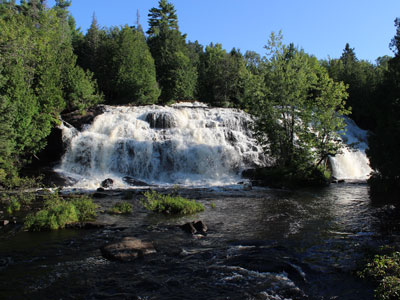
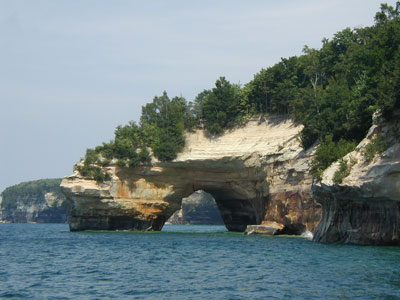
Nature here is not a backdrop but the main event. More than 300 waterfalls spill through mossy ravines, including the thunderous Tahquamenon Falls, whose amber waters glow beneath autumn canopies of maple and birch. In winter, deep snowfall transforms the peninsula into one of the Midwest’s premier cold‑weather destinations, drawing snowmobilers, ice climbers, and cross-country skiers into a silence broken only by wind and snow. Summer brings kayakers to Lake Superior’s sea caves and hikers to long-distance trails that wind through boreal forest.

Human history is written just as clearly into the land. Indigenous Ojibwe communities have lived here for centuries, followed by waves of European immigrants drawn by copper and iron during the 19th‑century mining boom. Small towns still bear Finnish, Cornish, and Italian influences, from saunas tucked behind homes to pasties served steaming hot in corner cafés. Lighthouses, shipwrecks, and abandoned mining structures stand as quiet witnesses to lives shaped by harsh weather and hard labor.

For travelers, the Upper Peninsula offers a rare sense of space and authenticity. Roads stretch long and empty, skies bloom with northern lights on clear nights, and conversations still happen at an unhurried pace. Whether watching storms roll across Lake Superior, listening to wolves howl deep in the interior, or standing beneath stars unspoiled by city glare, visitors often leave with the feeling they have stepped not just into a place, but into a slower, older rhythm of the continent itself.

This article uses material from the Wikipedia articles and official tourism pages for the Upper Peninsula of Michigan, which are released under the Creative Commons Attribution-Share-Alike License 3.0.
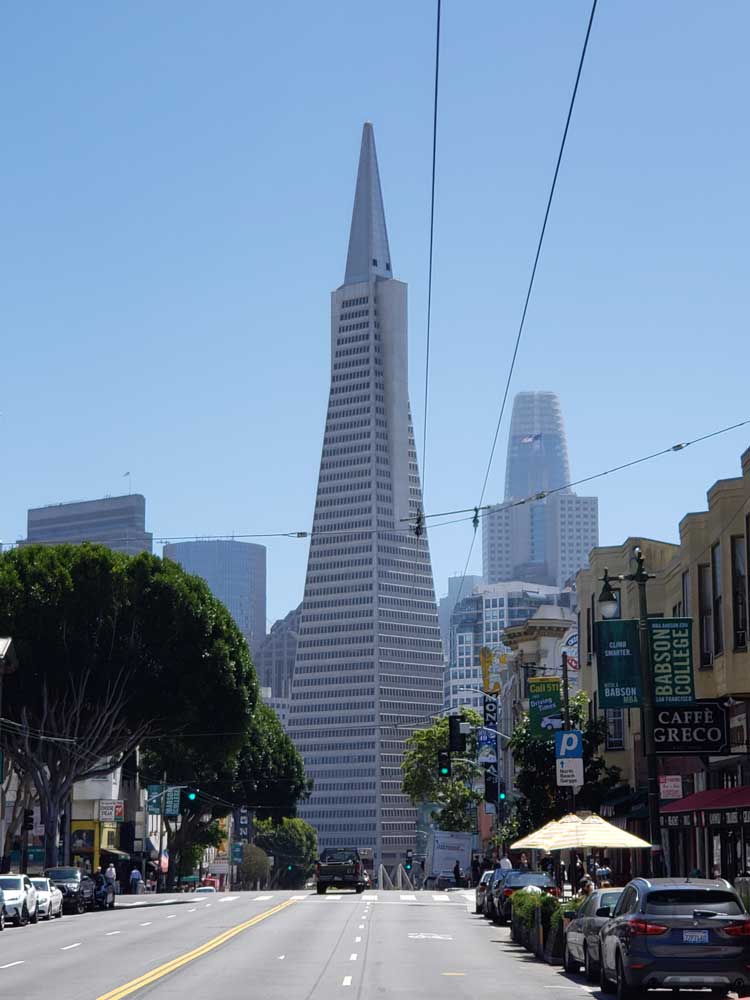
Transamerica Pyramid Building
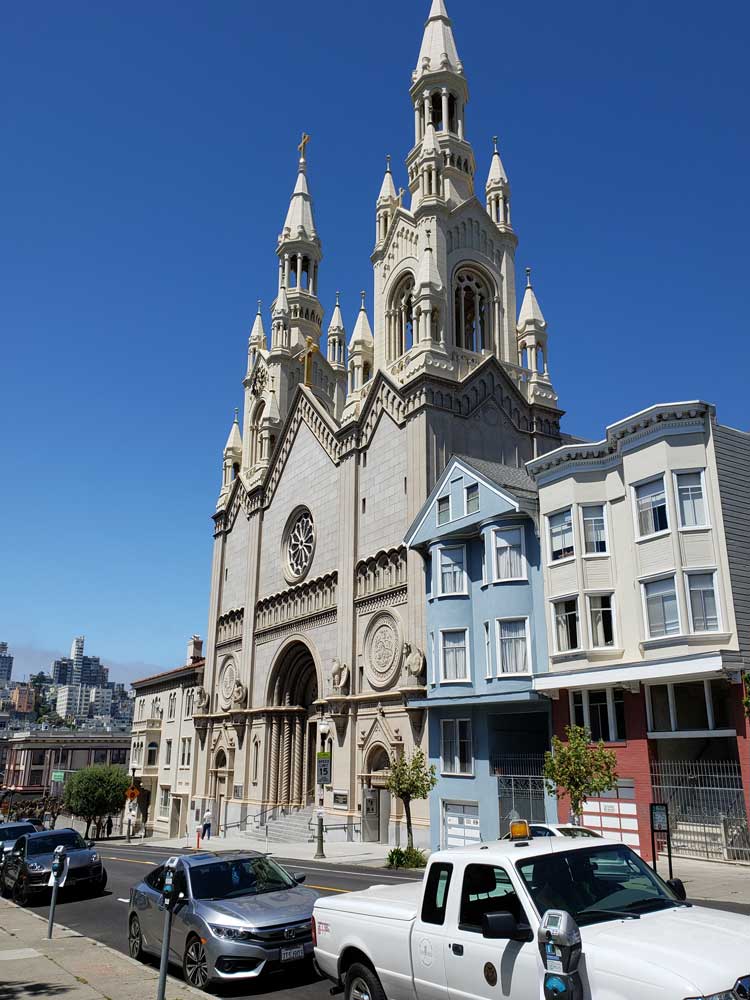
Saints Peter And Paul Church
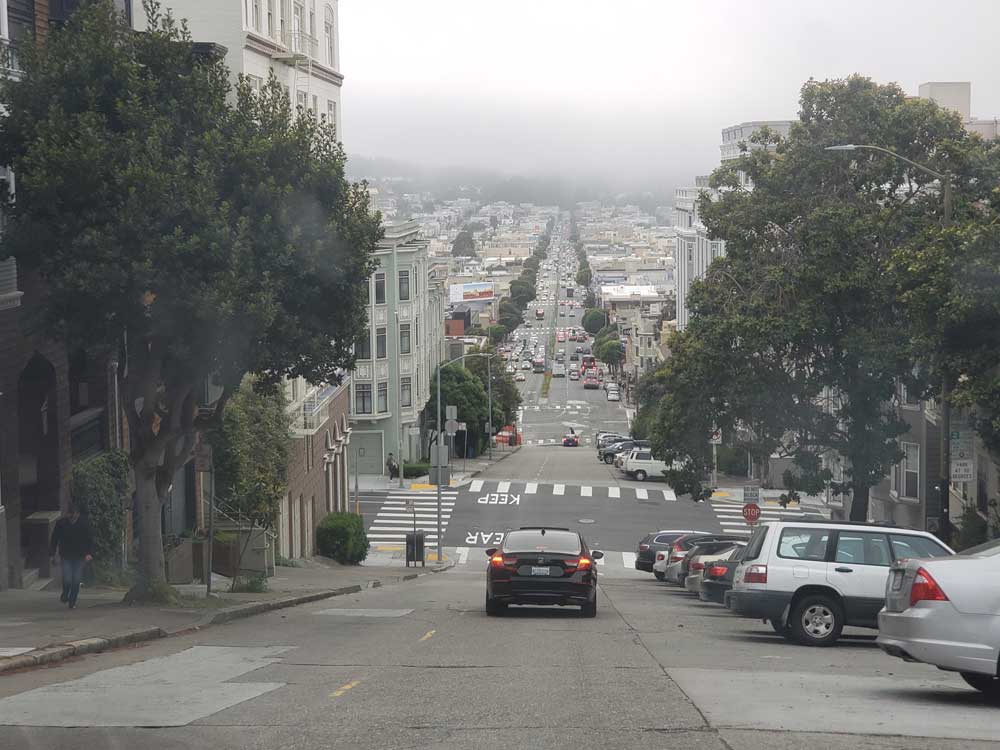
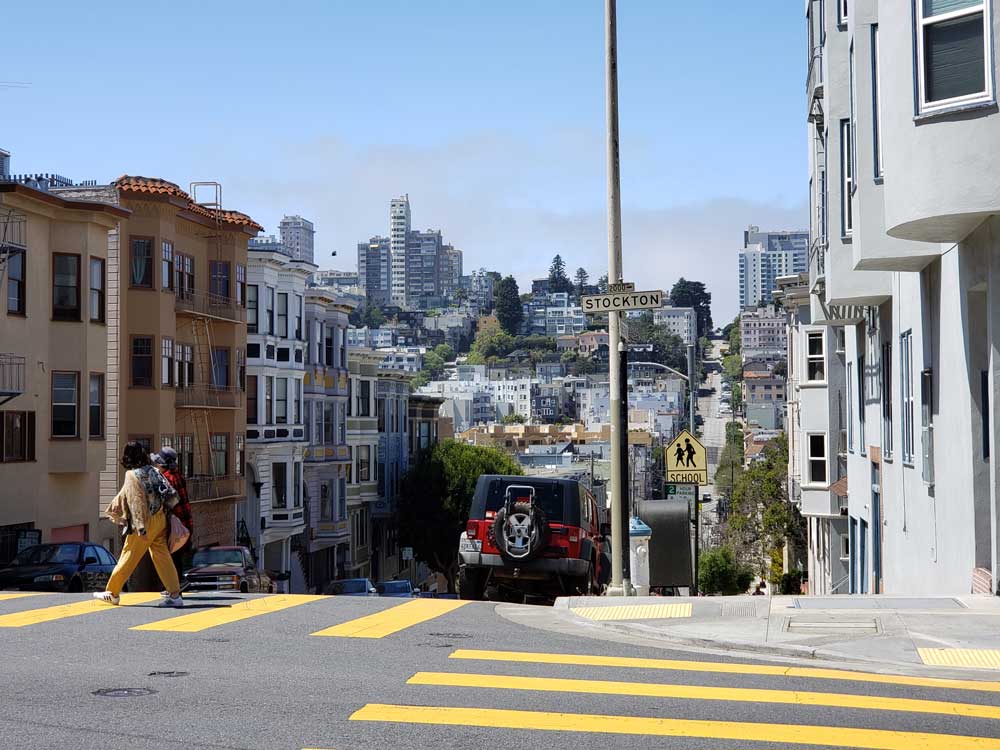
Typical Steep San Francisco Street