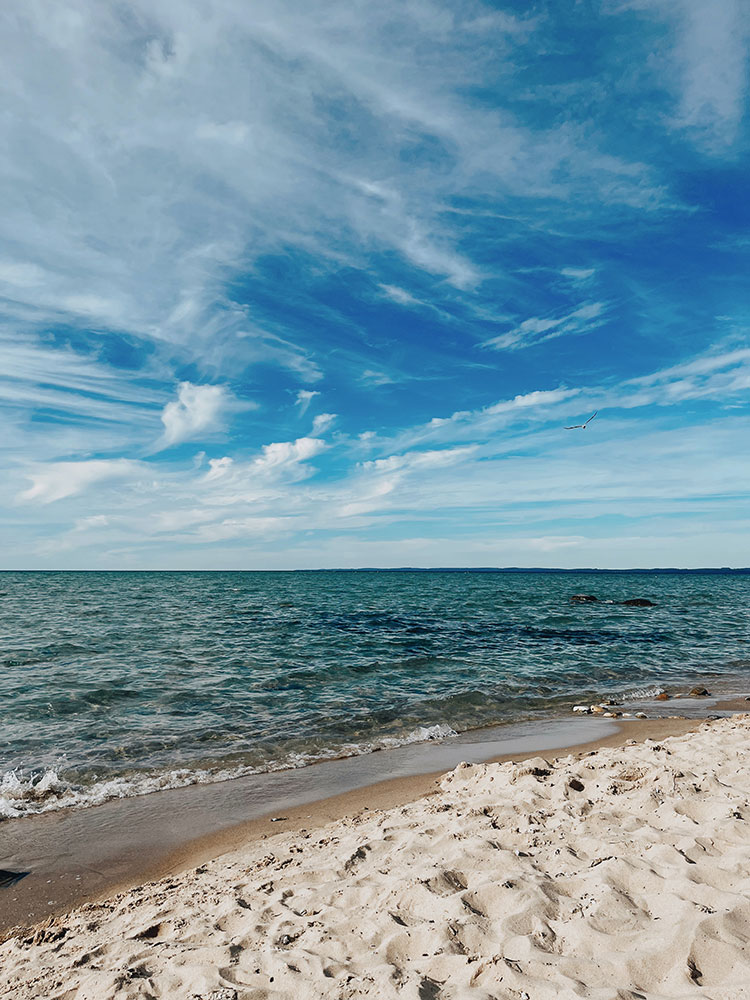
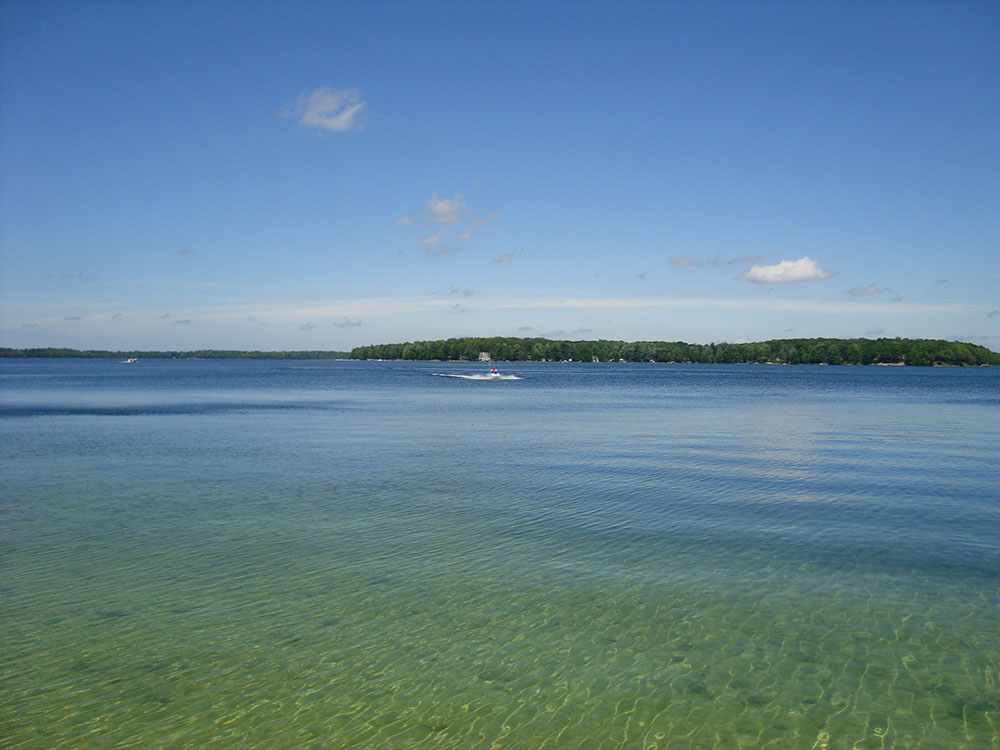
City and area featuring varied natural attractions, including freshwater beaches, vineyards, a National Lakeshore, downhill skiing areas, and numerous forests
General Information
How to Get There
Overview
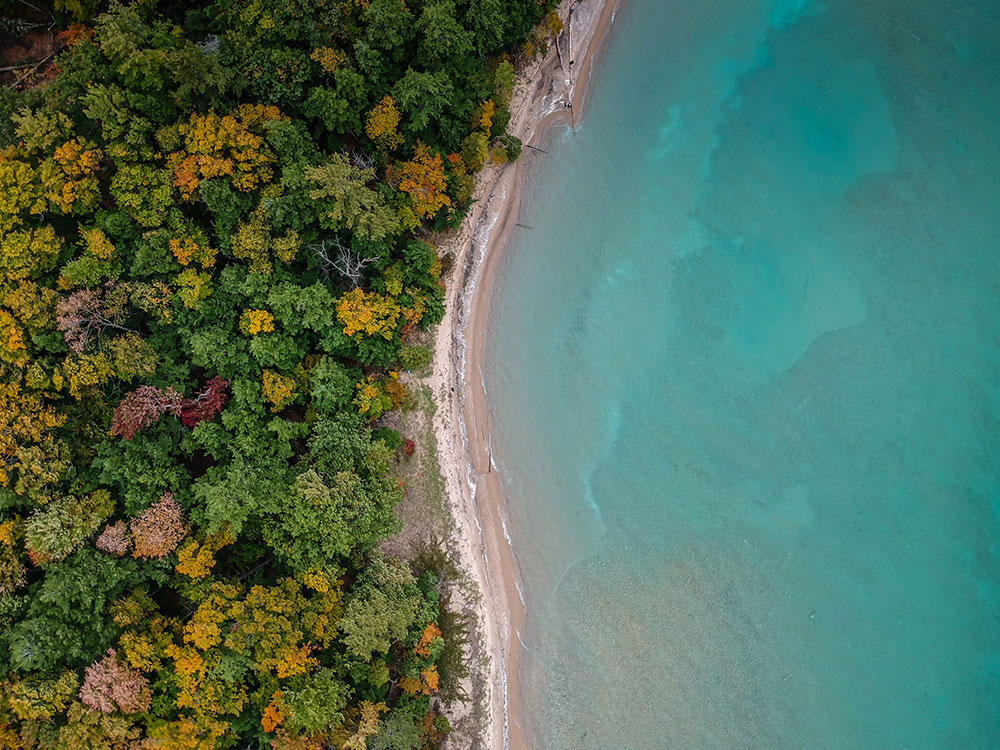
Traverse City is a city in Michigan and is the largest city in the 21-county Northern Michigan region. The Traverse City area is the largest producer of tart cherries in the United States. Near the time of cherry harvest, the city hosts the annual week-long National Cherry Festival in the first full week of July, attracting approximately 500,000 visitors annually. The surrounding countryside also produces grapes, and is one of the centers of wine production in the Midwest. The Traverse City area features varied natural attractions, including freshwater beaches, vineyards, a National Lakeshore, downhill skiing areas, and numerous forests. In 2009, TripAdvisor named Traverse City the number two small town travel destination in the United States.
Things to Do
Discover the Jewel of Northern Michigan
Traverse City is one of Michigan's premier four-season destinations, located at the southern end of Grand Traverse Bay on Lake Michigan. Known for its beautiful waterfront, award-winning wineries, outdoor recreation, vibrant downtown, and cherry orchards, the city serves as a gateway to some of the most spectacular scenery in the Great Lakes region.
Explore Downtown Traverse City
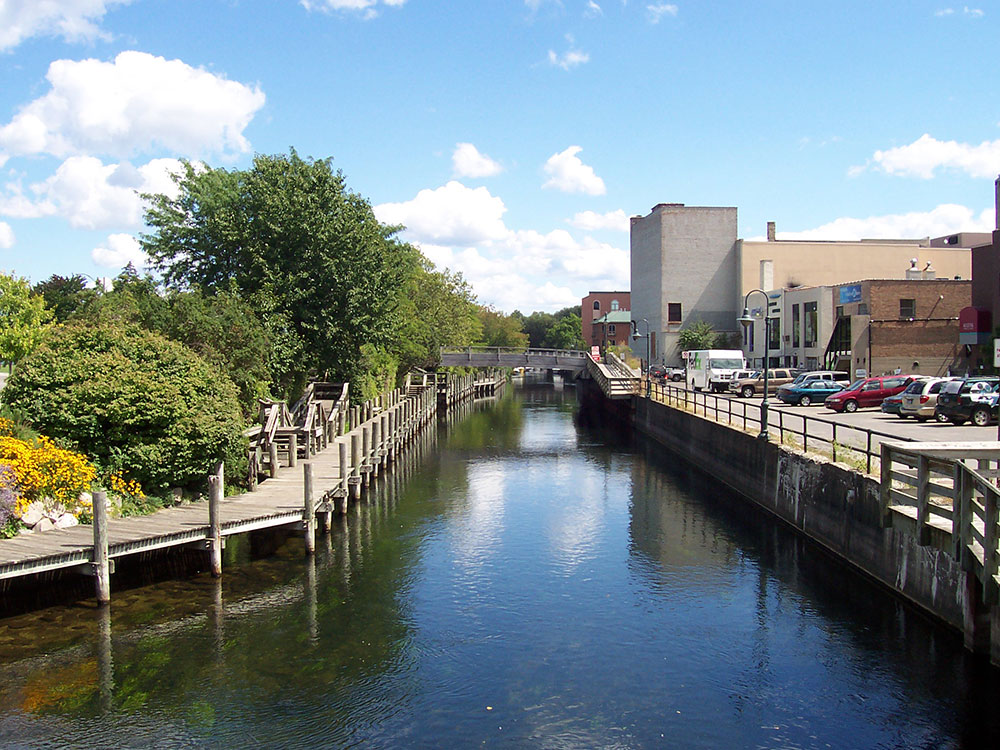
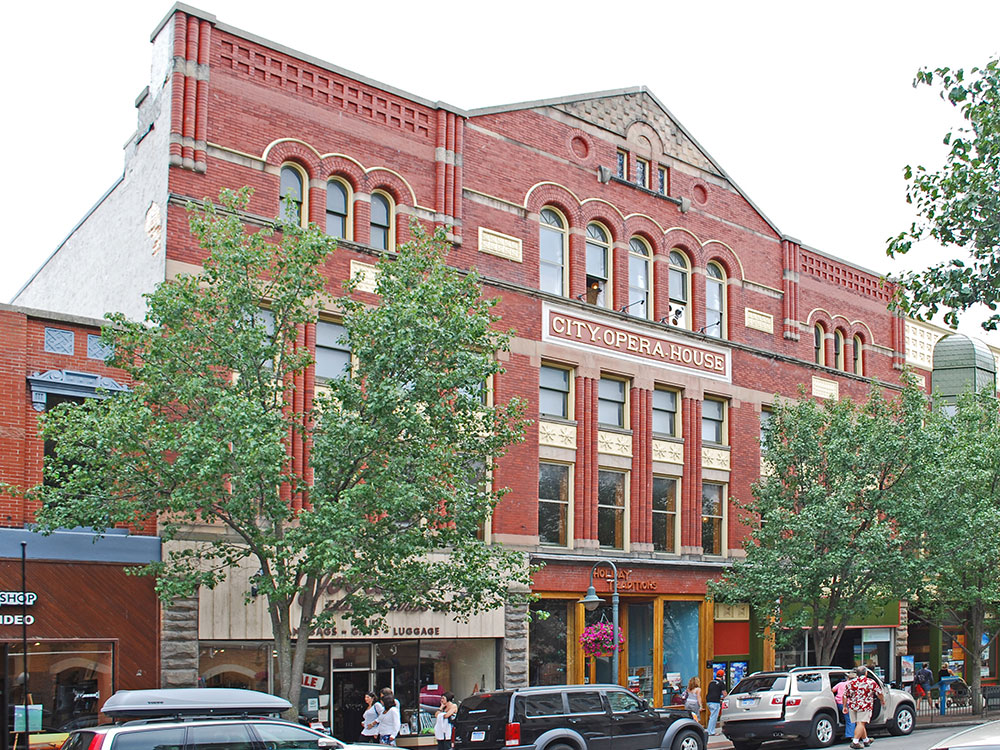
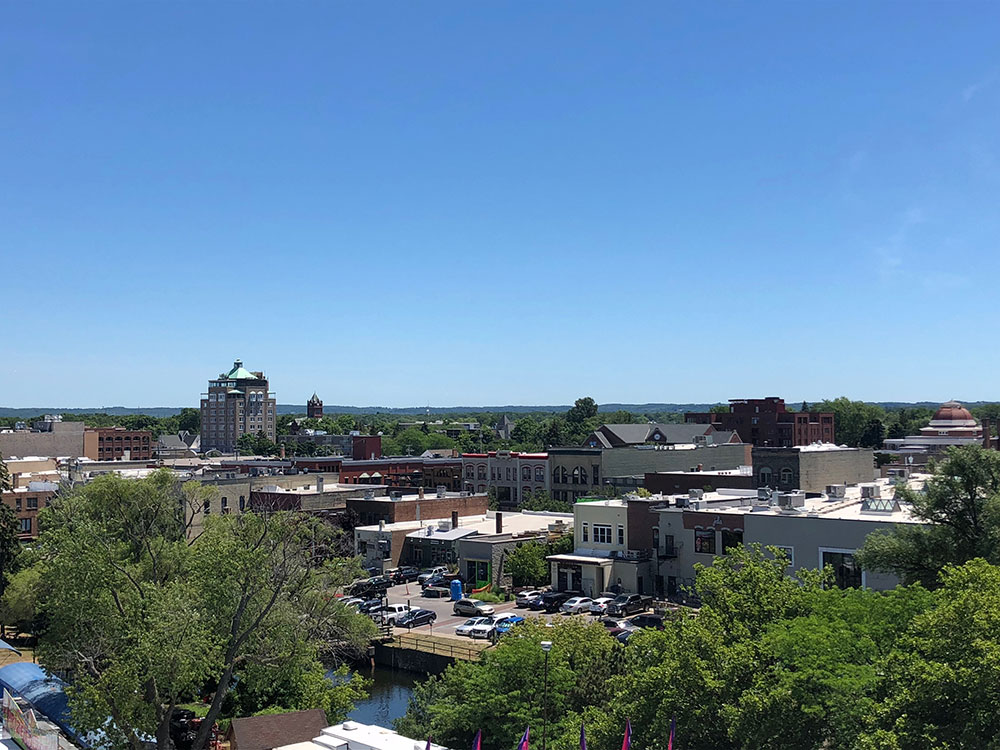
Downtown Traverse City features boutique shops, art galleries, cafés, breweries, restaurants, and historic buildings. Visitors can stroll along Front Street, enjoy locally sourced cuisine, browse unique stores, and attend festivals and community events throughout the year.
Visit the Wineries of Old Mission and Leelanau Peninsulas
The region is nationally recognized for its wineries and vineyards. Scenic wine trails along the Old Mission and Leelanau Peninsulas offer breathtaking views of Grand Traverse Bay while providing opportunities to sample award-winning wines, ciders, and locally produced food.
Relax on Grand Traverse Bay
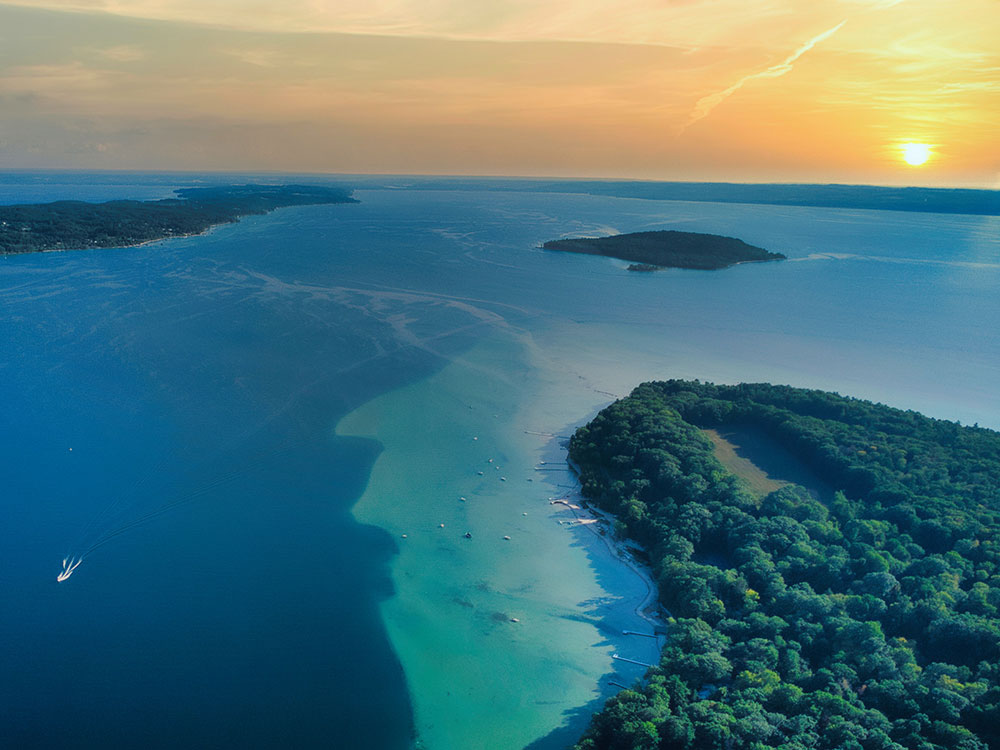
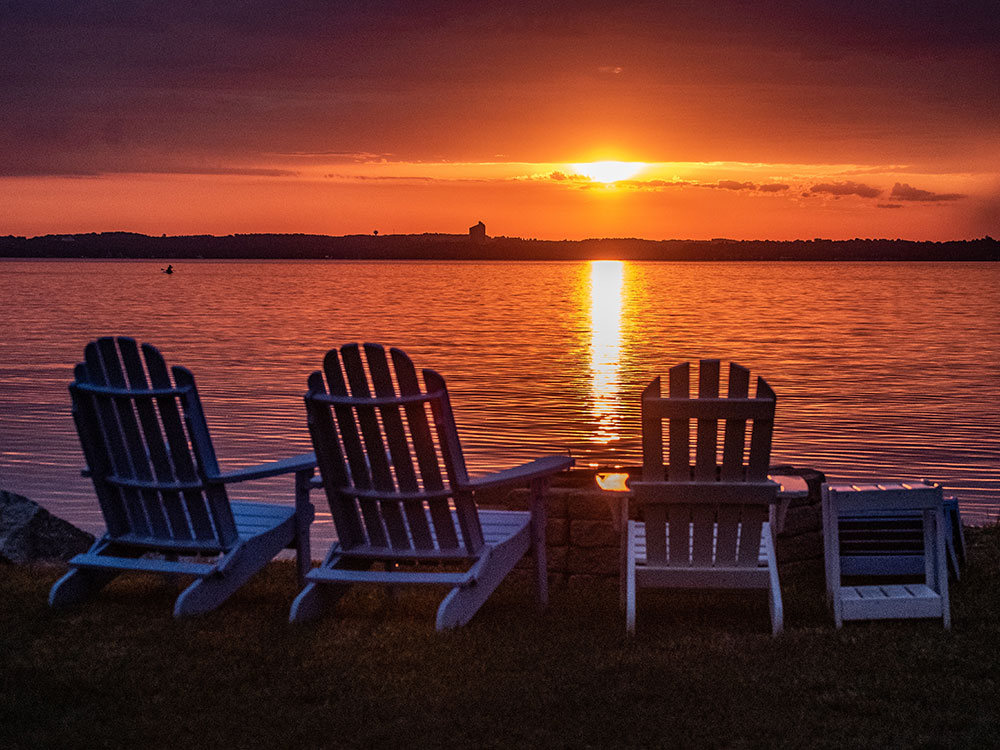
The crystal-clear waters of Grand Traverse Bay provide excellent opportunities for boating, kayaking, paddleboarding, sailing, fishing, swimming, and sunset viewing. Waterfront parks and beaches make it easy for visitors to enjoy the area's natural beauty.
Experience Cherry Country
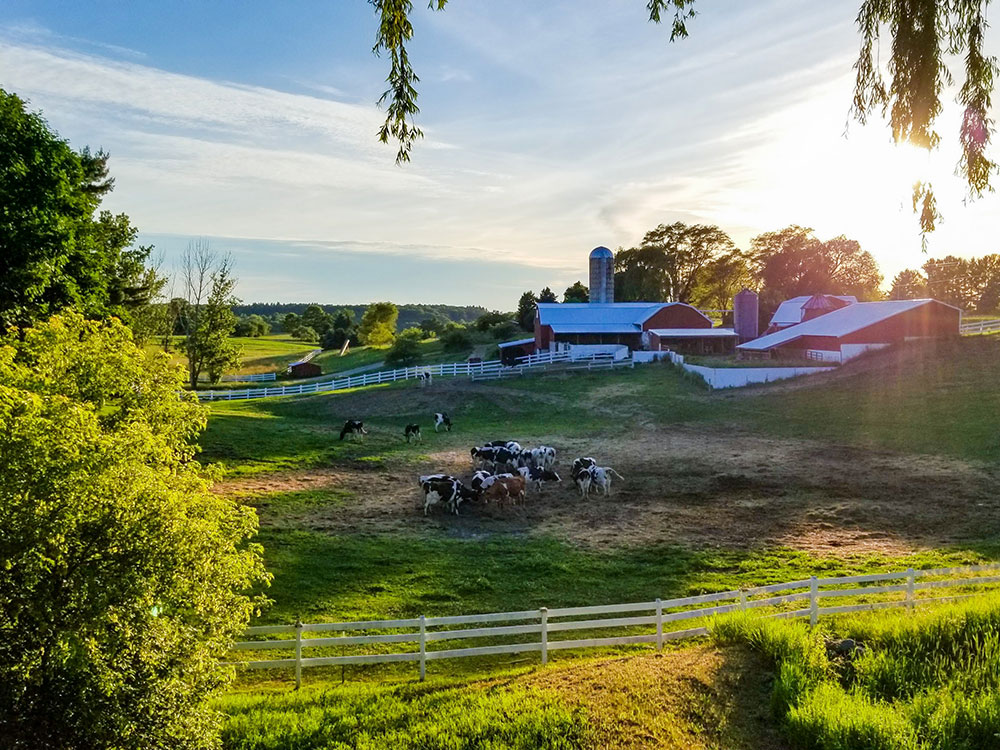
Traverse City is known as the Cherry Capital of the World and hosts the National Cherry Festival each summer. Visitors can enjoy orchards, farm markets, cherry products, and seasonal agricultural experiences that celebrate the region's most famous crop.
Top Trails
TART Trail
Length: More than 10 miles through Traverse City
Elevation Gain: Minimal
Difficulty: Easy
The Traverse Area Recreation and Transportation (TART) Trail is a paved multi-use pathway that follows portions of the waterfront and connects parks, beaches, neighborhoods, and attractions throughout the city. It is popular for walking, running, and cycling.
Sleeping Bear Heritage Trail
Length: Approximately 22 miles
Elevation Gain: Moderate
Difficulty: Easy to Moderate
Located about 30 minutes from Traverse City within Sleeping Bear Dunes National Lakeshore, this scenic trail passes through forests, dunes, beaches, and historic sites while providing some of the finest cycling and hiking opportunities in northern Michigan.
Old Mission Peninsula Trails
Length: Variable distances available
Elevation Gain: Moderate
Difficulty: Easy to Moderate
Several nature preserves and trail systems on Old Mission Peninsula offer beautiful views of Grand Traverse Bay, vineyards, forests, and shoreline habitats. These routes are ideal for hiking, photography, and birdwatching.
Boardman Lake Loop Trail
Length: Approximately 4 miles loop
Elevation Gain: Minimal
Difficulty: Easy
This popular trail circles Boardman Lake and features boardwalks, bridges, waterfront views, and access to natural areas close to downtown Traverse City. It is excellent for walking, jogging, cycling, and wildlife observation.
Sources: Traverse City Tourism information regarding downtown attractions, Grand Traverse Bay recreation, wineries, cherry orchards, festivals, and outdoor activities. https://www.traversecity.com
Additional information verified through TART Trails, Sleeping Bear Dunes National Lakeshore, and regional recreation resources covering the Boardman Lake Loop Trail, Old Mission Peninsula preserves, cycling opportunities, and outdoor recreation in the Traverse City area. https://traversetrails.org and https://www.nps.gov/slbe
Geography
Traverse City is a part of the greater Northern Michigan region. The city is the main inland port of the Grand Traverse Bay—a long, natural harbor separated from the waters of Lake Michigan by the Leelanau Peninsula, and divided longitudinally almost evenly by a narrow peninsula of tiered hillsides and farmland called Old Mission Peninsula.
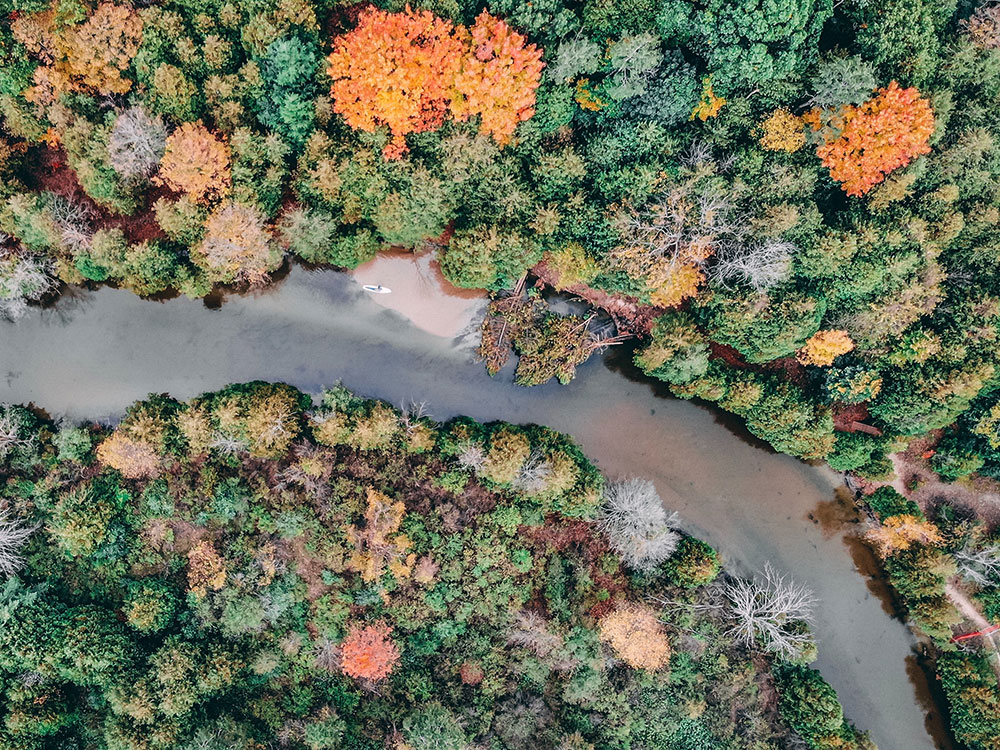
The most prominent of the city's waterways is the Boardman River. Along with Boardman Lake, the river is part of the Boardman River Watershed. The Boardman's 287-square-mile (740 km2) watershed contributes one-third of the water volume to the bay and is one of Michigan's top-ten fisheries, with more than 36 miles (58 km) of its 179 miles (288 km) designated as a Blue Ribbon trout fishery.
The National Cherry Festival, held during the first full week of July every year, is a draw for tourists to Traverse City. The festival features parades, fireworks, an air show, election of festival royalty, live music, a pie-eating contest and cherries. It is estimated that the Grand Traverse region produces up to 360,000,000 pounds (163,000,000 kg) of cherries annually. The largest variety of cherry produced locally is the Montmorency cherry, or the "pie cherry". Other cherries grown in the region include the Ulster, or sweet cherry, and the Balaton (from Lake Balaton in Hungary), a cherry situated between the Montmorency and Ulster in terms of color and taste.
The Traverse City State Park, with about 250 campsites, is located three miles (4.8 km) east of downtown on 47 acres (19 ha) including a quarter mile beach on the East Bay arm of Grand Traverse Bay.
The Boardman River Nature Center is the interpretive center and management headquarters for the Grand Traverse Natural Education Reserve, a 505-acre local park and natural area.
This article uses material from the Wikipedia article "Traverse City, Michigan", which is released under the Creative Commons Attribution-Share-Alike License 3.0