Expansive natural preserve featuring scenic canyons, seasonal waterfalls, and miles of forested hiking trails along a major river.
General Information
Visitor Center: Daily 9am to 4pm
Closed on State and Federal holidays (Nov–Feb)
How to Get There
From Peru (10 mi): Take I-80 E to exit 81, follow IL-178 S into Utica, then cross the Illinois River and follow signs to the Starved Rock State Park entrance and visitor center.
Overview
The Starved Rock State Park is a natural sanctuary nestled along the Illinois River, known for its dramatic sandstone canyons, seasonal waterfalls, and panoramic overlooks. With over 13 miles of trails winding through 18 distinct canyons, the park offers a dynamic landscape that changes with the seasons—from spring’s rushing waterfalls to autumn’s vibrant foliage. Visitors can explore iconic sites like LaSalle and St. Louis Canyons, or ascend to Starved Rock itself for sweeping views of the river valley below.
Established in 1911 as Illinois’ first state park, Starved Rock is steeped in both natural beauty and Native American legend. The park’s name originates from a tale of tribal conflict and survival, adding a layer of historical intrigue to its scenic allure. Today, it remains a beloved destination for hikers, photographers, and families seeking outdoor adventure. With free admission, pet-friendly trails, and year-round accessibility, Starved Rock is a quintessential Midwest escape that invites exploration in every season.
Things to Do
Visit Illinois' Most Famous State Park
Starved Rock State Park is Illinois' premier natural attraction, encompassing more than 2,600 acres along the Illinois River near Utica. The park is renowned for its towering sandstone bluffs, deep canyons, seasonal waterfalls, scenic river views, and rich cultural history. Formed by glacial meltwater thousands of years ago, Starved Rock features a dramatic landscape unlike anywhere else in Illinois and attracts millions of visitors each year.
Explore the Park's Spectacular Canyons
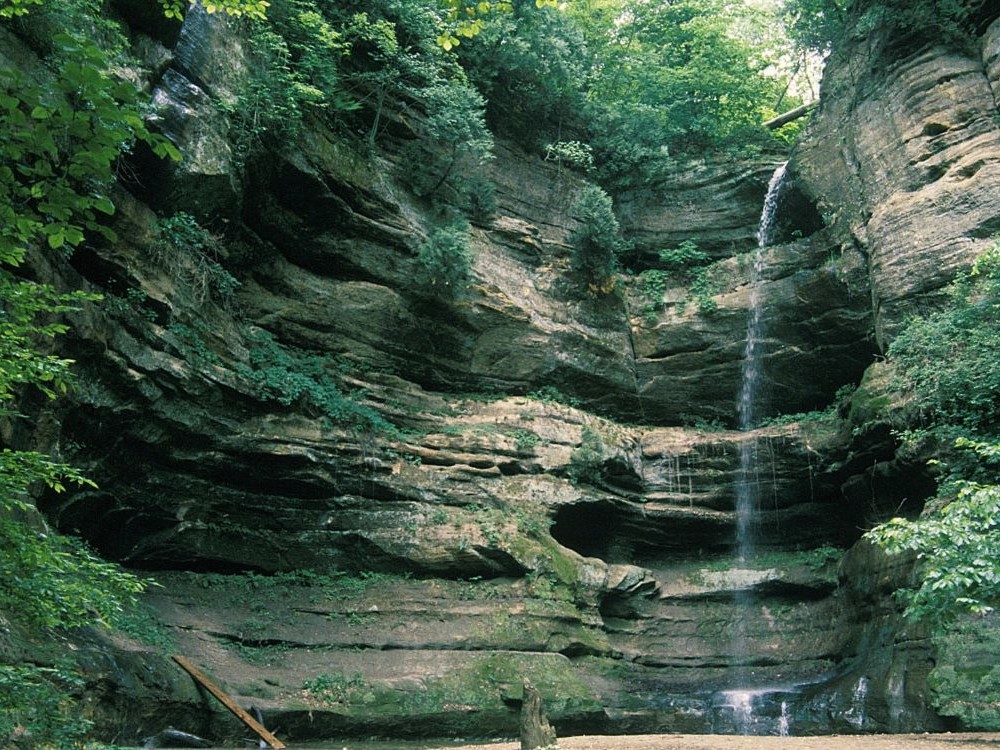
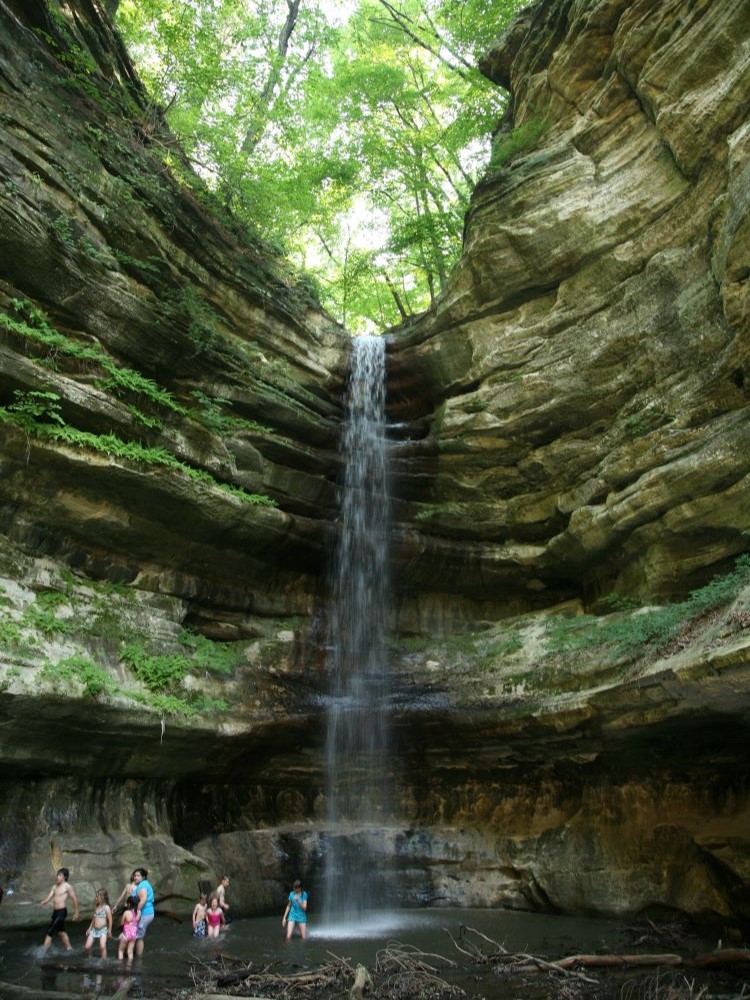
The park contains 18 sandstone canyons, many of which feature waterfalls after rainfall or during spring snowmelt. Popular canyons include French Canyon, Wildcat Canyon, St. Louis Canyon, Ottawa Canyon, LaSalle Canyon, and Kaskaskia Canyon. These scenic natural formations offer excellent opportunities for hiking, photography, and nature observation.
Visit Starved Rock Overlook
The park's namesake overlook sits atop a prominent sandstone butte rising above the Illinois River. Visitors are rewarded with panoramic views of the river valley, surrounding woodlands, and seasonal foliage. Interpretive signs explain the Native American legends associated with Starved Rock and the area's historical significance.
Enjoy Wildlife Viewing and Eagle Watching
Starved Rock is one of the best places in the Midwest to observe bald eagles, particularly during winter when large numbers gather near open water along the Illinois River. The park is also home to white-tailed deer, foxes, beavers, wild turkeys, and numerous migratory bird species.
Stay at Starved Rock Lodge
Built by the Civilian Conservation Corps during the 1930s, Starved Rock Lodge is a historic landmark that offers lodging, dining, guided hikes, and educational programs. The rustic lodge serves as a popular base for exploring the park throughout the year.
Top Trails
Starved Rock and Lover's Leap Trail
Length: Approximately 1.8 miles round trip
Elevation Gain: Moderate
Difficulty: Easy to Moderate
This popular route visits the iconic Starved Rock Overlook and nearby Lover's Leap Overlook. Hikers enjoy spectacular views of the Illinois River and surrounding canyon landscapes while learning about the park's history and geology.
French Canyon Trail
Length: Approximately 0.8 miles round trip
Elevation Gain: Moderate
Difficulty: Easy
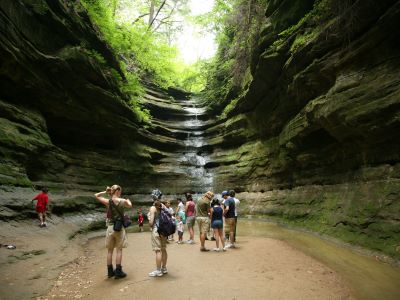
One of the park's most accessible and scenic hikes, this trail leads to a beautiful sandstone canyon featuring seasonal waterfalls and dramatic rock walls. It is a favorite destination for photographers and first-time visitors.
Wildcat Canyon Trail
Length: Approximately 2 miles round trip
Elevation Gain: Moderate
Difficulty: Moderate
Wildcat Canyon contains one of the park's tallest seasonal waterfalls and offers impressive views of sandstone cliffs and forested ravines. The canyon is particularly spectacular after heavy rainfall.
St. Louis, Ottawa, and LaSalle Canyon Loop
Length: Approximately 4.5 miles loop
Elevation Gain: Moderate
Difficulty: Moderate
This route connects several of the park's most scenic canyons, allowing visitors to experience waterfalls, sandstone formations, creek crossings, and diverse woodland habitats during a single hike.
Sources: Illinois Department of Natural Resources official Starved Rock State Park information, including details on canyons, waterfalls, hiking trails, bald eagle viewing, Starved Rock Lodge, and recreational opportunities. https://dnr.illinois.gov/parks/park.starvedrock.html
Additional information verified through Illinois state park resources covering French Canyon, Wildcat Canyon, St. Louis Canyon, Starved Rock Overlook, geological history, and visitor amenities throughout Starved Rock State Park.
This article uses material from the Wikipedia articles and official tourism pages for the Starved Rock State Park, which are released under the Creative Commons Attribution-Share-Alike License 3.0.