American Civil Rights Movement Guide
Network of museums, landmarks, churches, schools, monuments, and historic districts that preserve and interpret the people, events, and struggles that shaped the American Civil Rights Movement.
-400.jpg)
Major Preserved Civil Rights Sites
-400.jpg)
PortableNYCTours, CC BY-SA 4.0, via Wikimedia Commons; Image Size Adjusted
.jpg)
16th Street Baptist Church
Birmingham
Historic church and civil rights landmark offering guided tours, worship services, and exhibits commemorating pivotal events in American history.

Anthony Quintano from Hillsborough, NJ, United States, CC BY 2.0, via Wikimedia Commons; Image Size Adjusted
.jpg)
Kelly Ingram Park
Birmingham
Four-acre public park featuring powerful civil rights sculptures, walking paths, and historical markers in the heart of Birmingham’s Civil Rights District.

bryan..., CC BY-SA 2.0, via Wikimedia Commons; Image Size Adjusted
.jpg)
Birmingham Civil Rights Institute
Birmingham
Smithsonian-affiliated museum chronicling the American Civil Rights Movement through immersive exhibits, historic artifacts, and educational programming.
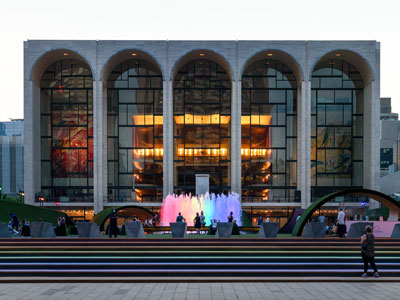
Rhododendrites, CC BY-SA 4.0, via Wikimedia Commons; Image Size Adjusted
.jpg)
A.G. Gaston Motel
Birmingham
Historic mid-century motel that served as a strategic headquarters during the Civil Rights Movement and now stands as a preserved national monument.
.jpg)
Boutwell Auditorium
Birmingham
Historic multi-purpose civic venue offering concerts, sporting events, and community gatherings in a downtown Birmingham landmark.

Jdforrester, CC BY 4.0, via Wikimedia Commons; Image Size Adjusted

Selma
Selma
Historic city renowned for its pivotal role in the American civil rights movement, featuring landmarks, museums, and cultural sites that commemorate the struggle for voting rights and equality.
Jean-Christophe BENOIST, CC BY 3.0, via Wikimedia Commons; Image Size Adjusted

Edmund Pettus Bridge
Selma
Iconic steel-arched bridge symbolizing the struggle for civil rights and the historic 1965 Selma to Montgomery marches.
Ajay Suresh from New York, NY, USA, CC BY 2.0, via Wikimedia Commons; Image Size Adjusted
.jpg)
Selma to Montgomery National Historic Trail
Selma to Montgomery
Nationally significant commemorative route that preserves and interprets the path of the 1965 voting rights marches through exhibits, historic sites, and interpretive centers.
-400.jpg)
ajay_suresh, CC BY 2.0, via Wikimedia Commons; Image Size Adjusted
.jpg)
Brown Chapel AME Church
Selma
Historic church and civil rights landmark featuring preserved architecture, interpretive exhibits, and sacred spaces that served as a central organizing location for the voting rights movement in America.
Misterweiss at English Wikipedia, Public domain, via Wikimedia Commons; Image Size Adjusted

Dexter Avenue King Memorial Baptist Church
Montgomery
Historic church where Dr. Martin Luther King Jr. began his pastoral leadership and helped organize the Montgomery Bus Boycott from his basement office.
Hypnotoad78, CC BY-SA 4.0, via Wikimedia Commons; Image Size Adjusted

Dexter Parsonage Museum
Montgomery
Restored clapboard residence where Dr. Martin Luther King Jr. lived during the Montgomery Bus Boycott, now a museum with exhibits and a reflection garden.
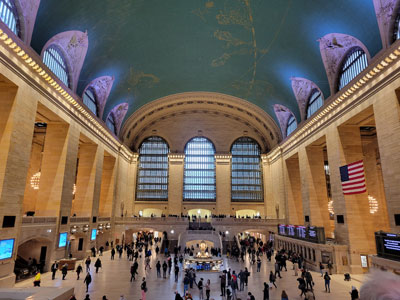
Rosa Parks Museum
Montgomery
Interactive museum honoring the legacy of Rosa Parks and the Montgomery Bus Boycott through immersive exhibits, historical artifacts, and educational programs.
_(51395759113)-400.jpg)
ajay_suresh, CC BY 2.0, via Wikimedia Commons; Image Size Adjusted
_(51395759113).jpg)
Rosa Parks Bus Stop
Montgomery
Outdoor historical site featuring a statue and commemorative plaque honoring the pivotal moment that sparked the Montgomery Bus Boycott and advanced the Civil Rights Movement.
-400.jpg)
Ingfbruno, CC BY-SA 3.0, via Wikimedia Commons; Image Size Adjusted
.jpg)
Civil Rights Memorial Center
Montgomery
Interactive museum and memorial honoring civil rights martyrs and promoting justice through exhibits, film, and the powerful Wall of Tolerance.
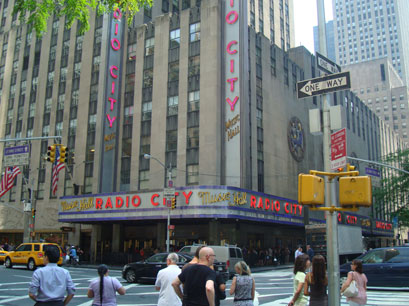
PumpkinSky, CC BY-SA 3.0, via Wikimedia Commons; Image Size Adjusted

Freedom Rides Museum
Montgomery
Historic museum housed in a restored 1940 Greyhound bus station that interprets the 1961 Freedom Rides through exhibits, oral histories, photographs, artwork, and architecture.
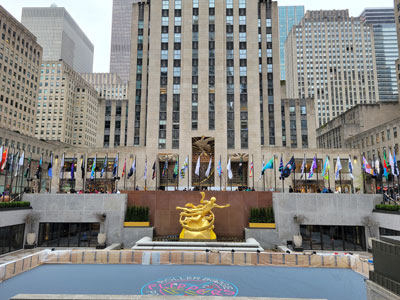
Legacy Museum
Montgomery
Immersive museum experience exploring the history of racial injustice in America through interactive exhibits, archival materials, and powerful storytelling.

Jean-Christophe BENOIST, CC BY 3.0, via Wikimedia Commons; Image Size Adjusted

National Memorial for Peace and Justice
Montgomery
Six-acre memorial site featuring over 800 steel monuments honoring victims of racial terror lynchings, designed for reflection, education, and remembrance.
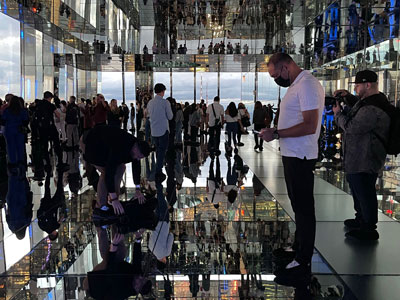
Saggittarius A, CC BY-SA 4.0, via Wikimedia Commons; Image Size Adjusted

Court Square Fountain
Montgomery
Cast iron fountain topped with a statue of Hebe, marking the historic center of Montgomery and surrounded by landmarks of the city’s civil rights and antebellum past.
NBCUniversal, CC BY 3.0, via Wikimedia Commons; Image Size Adjusted
Alabama State Capitol
Montgomery
Greek Revival government building and working museum featuring restored legislative chambers, murals, and historic grounds central to Alabama’s political legacy.
Lowndes Interpretive Center
White Hall
Educational center commemorating the Selma to Montgomery marches with exhibits on civil rights history and the struggles faced in Lowndes County.
Basil D Soufi, CC BY-SA 3.0, via Wikimedia Commons; Image Size Adjusted
.jpg)
Freedom Riders National Monument
Anniston
Historic civil rights site commemorating the 1961 Freedom Riders through preserved landmarks, interpretive signage, and outdoor exhibits open to the public.
MusikAnimal, CC BY-SA 4.0, via Wikimedia Commons; Image Size Adjusted

Tuskegee Airmen National Historic Site
Tuskegee
Preserves the legacy of the first African American military aviators and their training at Moton Field during World War II.
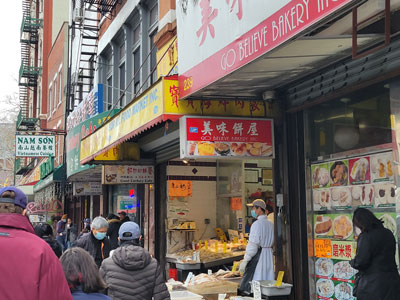
Tuscaloosa
Tuscaloosa
College-centered river city known for championship football traditions, historic landmarks, live entertainment, and outdoor recreation along the Black Warrior River.
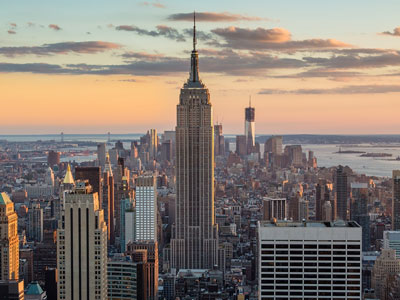
Sam valadi, CC BY 2.0, via Wikimedia Commons; Image Size Adjusted

Martin Luther King, Jr. National Historical Park
Atlanta
Historic site preserving the legacy of Dr. Martin Luther King Jr. through exhibits, landmarks, and educational programs.
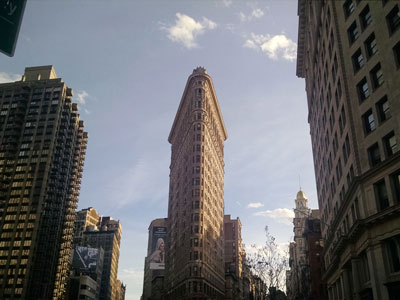
PortableNYCTours, CC BY-SA 4.0, via Wikimedia Commons; Image Size Adjusted
.jpg)
Birth Home of Martin Luther King Jr.
Atlanta
Restored early 20th-century home offering ranger-led presentations on the formative years of a civil rights leader.
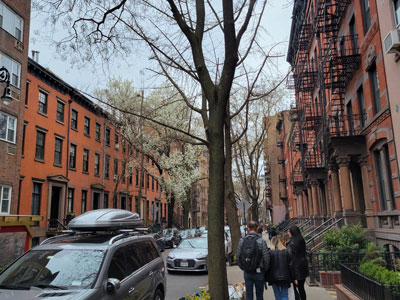
Ebenezer Baptist Church
Atlanta
Historic church known for its role in the civil rights movement and as the spiritual home of Dr. Martin Luther King Jr.
Jeff P from Berkeley, CA, USA, CC BY 2.0, via Wikimedia Commons; Image Size Adjusted
.jpg)
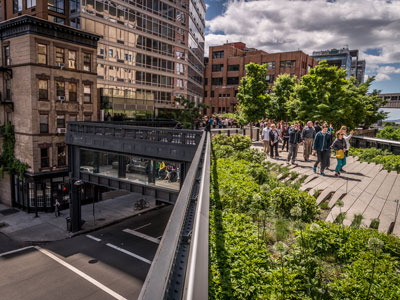
The King Center
Atlanta
Memorial and educational campus honoring the legacy of Dr. Martin Luther King Jr. through exhibits, monuments, and community programs.
Matias Garabedian from Montreal, Canada, CC BY-SA 2.0, via Wikimedia Commons; Image Size Adjusted
.jpg)
National Center for Civil and Human Rights
Atlanta
Immersive museum exploring the American civil rights movement and global human rights struggles through interactive exhibits and historical artifacts.

Epicgenius, CC BY-SA 4.0, via Wikimedia Commons; Image Size Adjusted

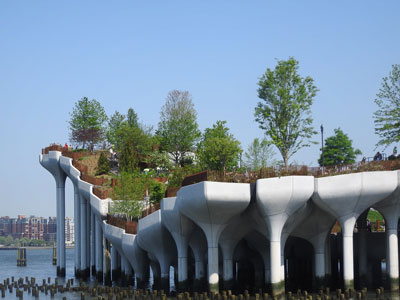
Apex Museum
Atlanta
Museum dedicated to African-American history and culture, featuring exhibits on slavery, civil rights, and Black innovation in a historic downtown district.
Jim.henderson, CC BY 4.0, via Wikimedia Commons; Image Size Adjusted
_jeh.jpg)
Historic Fire Station No. 6
Atlanta
Historic firehouse museum showcasing Atlanta’s firefighting history and the desegregation of the city’s fire department.
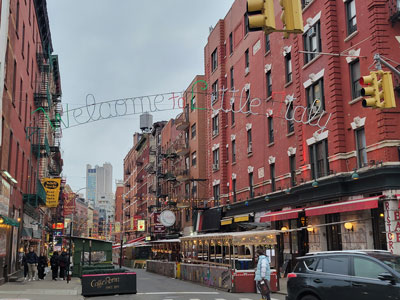
Municipal Market
Atlanta
Indoor public market offering a diverse mix of fresh produce, meats, baked goods, and international cuisine from local vendors in a historic setting.
ajay_suresh, CC BY 2.0, via Wikimedia Commons; Image Size Adjusted
.jpg)
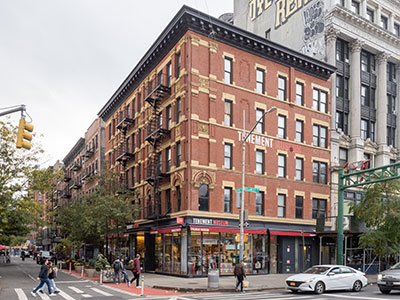
Atlanta History Center
Atlanta
Expansive cultural campus featuring historic homes, exhibitions, gardens, and immersive experiences that chronicle the diverse history of the American South.
-400.jpg)
Alan Light, CC BY 2.0, via Wikimedia Commons; Image Size Adjusted
.jpg)
Tubman Museum
Macon
Cultural institution showcasing African American art, history, and heritage through permanent and rotating exhibits, educational programs, and community events.
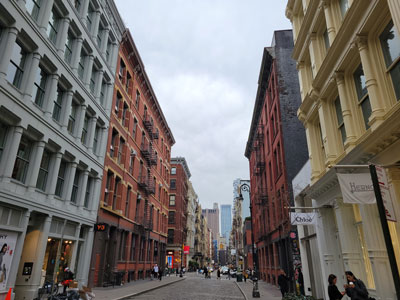
National Civil Rights Museum
Memphis
Museum tracing the history of the civil rights movement is built around the former Lorraine Motel, which was the site of the assassination of Martin Luther King Jr.
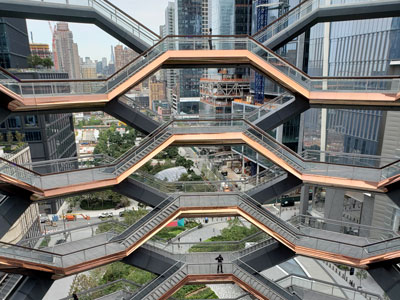
Mason Temple Church of God in Christ World Headquarters
Memphis
Historic church headquarters and civil rights landmark featuring monumental architecture, religious heritage exhibits, and the sanctuary where Dr. Martin Luther King Jr. delivered his final public speech.
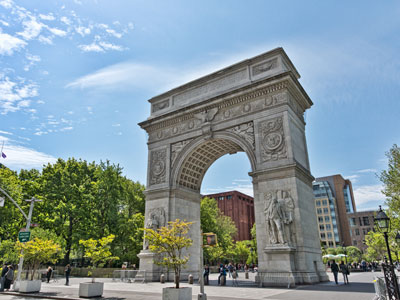
Jean-Christophe BENOIST, CC BY 3.0, via Wikimedia Commons; Image Size Adjusted

Medgar and Myrlie Evers Home National Monument
Jackson
Historic mid-century home preserved to honor the legacy of two civil rights leaders and the movement they helped shape.

Jeff P from Berkeley, CA, USA, CC BY 2.0, via Wikimedia Commons; Image Size Adjusted
Emmett Till and Mamie Till-Mobley National Monument
Sumner
National monument preserving historic sites associated with the life of Emmett Till, the advocacy of Mamie Till-Mobley, and events that helped galvanize the American Civil Rights Movement.
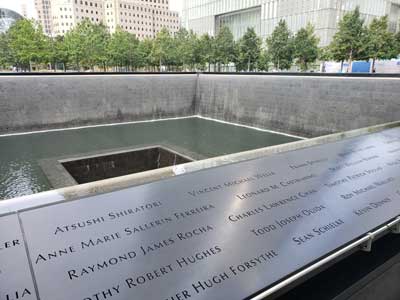
Mississippi Civil Rights Museum and the Museum of Mississippi History
Jackson
Dual-museum complex offering immersive exhibits on Mississippi’s civil rights struggles and broader state history through artifacts, stories, and interactive displays.
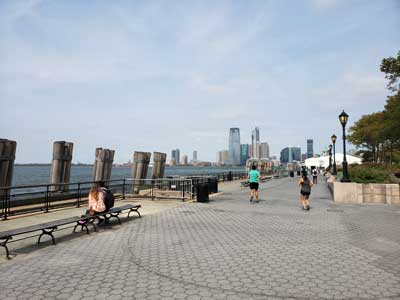
Smith Robertson Museum and Cultural Center
Jackson
Historic cultural center housed in Jackson’s first public school for African Americans, showcasing art, artifacts, and exhibits on Black life and legacy in Mississippi.
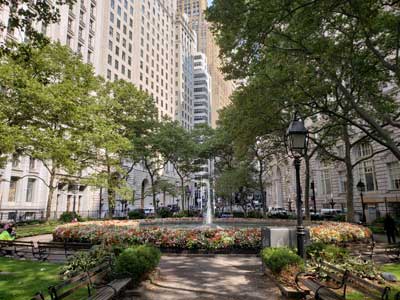
Tougaloo College
Tougaloo
Historic liberal arts college featuring landmark academic buildings, cultural institutions, and civil rights sites that played a significant role in the struggle for racial equality and educational advancement.
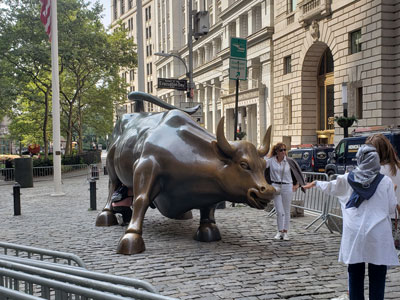
Little Rock Central High School National Historic Site
Little Rock
Site of forced desegregation in 1957 after the U.S. Supreme Court ruled that segregation of public schools was unconstitutional three years earlier
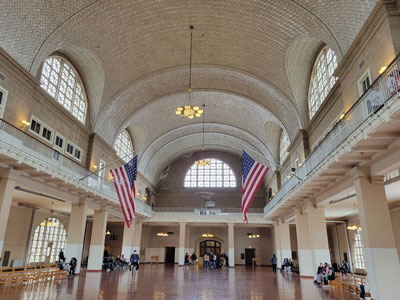
National Museum of African American History and Culture
Washington, D.C.
Smithsonian museum chronicling African American life, history, and culture through powerful exhibitions, historic artifacts, and immersive storytelling across five floors.
Lincoln Memorial
Washington, D.C.
National memorial built in the form of a neoclassical temple, to honor the 16th president of the United States, Abraham Lincoln
Jim.henderson, Public domain, via Wikimedia Commons; Image Size Adjusted

Martin Luther King Jr. Memorial
Washington, D.C.
Memorial includes the Stone of Hope, a granite statue of Civil Rights Movement leader Martin Luther King Jr. carved by sculptor Lei Yixin
Momos, CC BY-SA 3.0, via Wikimedia Commons; Image Size Adjusted

Lincoln Memorial Reflecting Pool
Washington, D.C.
Long and large rectangular pool located on the National Mall, directly east of the Lincoln Memorial, with the Washington Monument to the east of the reflecting pool
Gh9449, CC BY-SA 4.0, via Wikimedia Commons; Image Size Adjusted

Frederick Douglass National Historic Site
Washington, D.C.
Historic estate, museum, and preserved residence showcasing the life, writings, and achievements of one of America's most influential abolitionists, orators, and advocates for civil rights and equality.
Overview
American Civil Rights Movement sites offer travelers an opportunity to explore the stories, places, and moments that transformed the United States during the twentieth century. These historic locations preserve the legacy of activists, students, clergy members, community leaders, and ordinary citizens who challenged racial segregation and fought for equal rights under the law. From preserved meeting spaces and protest sites to museums filled with artifacts and firsthand accounts, these destinations help visitors understand the courage and determination that fueled a movement for social change.
Many of these sites are connected to landmark events that reshaped the nation's history, including peaceful demonstrations, voter registration campaigns, legal challenges, and pivotal speeches. Visitors can walk through spaces where important decisions were made, view exhibits documenting grassroots activism, and learn how local communities contributed to a broader national struggle for equality. Together, these places reveal the complex challenges faced by civil rights advocates and the lasting impact of their efforts on American society.
For modern travelers, Civil Rights Movement sites provide more than historical knowledge; they offer powerful opportunities for reflection and inspiration. Through preserved buildings, interactive exhibits, memorials, and educational programs, visitors gain a deeper appreciation for the individuals whose actions advanced justice and expanded civil rights. Whether exploring a museum gallery or standing on a significant historic landmark, travelers encounter stories that continue to resonate across generations and remain relevant in contemporary discussions about freedom, citizenship, and equality.
American Civil Rights Movement Timeline (1954-1968)
The American Civil Rights Movement was a nationwide struggle to end racial segregation, secure voting rights, and achieve equal treatment under the law for African Americans. From the landmark school desegregation battles of the 1950s through the major legislative victories of the 1960s, churches, schools, museums, bridges, memorials, and historic districts across the United States preserve the story of the movement. The following timeline highlights major civil rights events using preserved historic locations associated with the movement.
1954-1957: School Desegregation and the Rise of Mass Resistance
Arkansas
- Little Rock Central High School National Historic Site (Little Rock) - In 1957, nine African American students known as the Little Rock Nine integrated Central High School, becoming a national symbol of the struggle to enforce school desegregation following Brown v. Board of Education.
1955-1956: The Montgomery Bus Boycott
Alabama
- Rosa Parks Museum (Montgomery) - Commemorates Rosa Parks and her refusal to surrender her bus seat on December 1, 1955, an event that sparked the Montgomery Bus Boycott.
- Rosa Parks Bus Stop (Montgomery) - Marks the location associated with Parks' historic arrest and the beginning of a new phase in the civil rights struggle.
- Dexter Avenue King Memorial Baptist Church (Montgomery) - Served as the church where Martin Luther King Jr. was pastor during the Montgomery Bus Boycott.
- Dexter Parsonage Museum - Home of Dr. King and his family during the boycott and an important center of movement leadership.
- Civil Rights Memorial Center (Montgomery) - Honors those who sacrificed their lives in the fight for civil rights.
- Court Square Fountain (Montgomery) - Located in the historic center of Montgomery, where many significant events connected to the city's civil rights history unfolded.
- Alabama State Capitol (Montgomery) - The destination of the 1965 Selma-to-Montgomery voting rights march and the site of key civil rights demonstrations.
1960-1961: Sit-Ins and the Freedom Rides
Alabama
- Freedom Riders National Monument (Anniston) - Preserves locations associated with the 1961 attacks on Freedom Riders challenging segregation in interstate travel.
- Freedom Rides Museum (Montgomery) - Located in the former Greyhound Bus Station where Freedom Riders continued their campaign against segregated transportation facilities.
1963: Birmingham and the Children's Crusade
Alabama
- 16th Street Baptist Church (Birmingham) - Headquarters for many civil rights activities during the Birmingham Campaign and the site of the tragic 1963 church bombing.
- Kelly Ingram Park (Birmingham) - Scene of demonstrations where children and students faced police dogs and fire hoses during the Birmingham Campaign.
- Birmingham Civil Rights Institute - Interprets the events of Birmingham's struggle against segregation and racial injustice.
- A.G. Gaston Motel - Served as a meeting place and strategy center for movement leaders, including Martin Luther King Jr.
- Boutwell Auditorium - Associated with major events and public gatherings during Birmingham's civil rights era.
- Tuscaloosa - Site of the 1963 University of Alabama desegregation crisis and Governor George Wallace's "Stand in the Schoolhouse Door."
Georgia
- Martin Luther King, Jr. National Historical Park (Atlanta) - Preserves key sites connected to King's life and leadership during the movement.
- Birth Home of Martin Luther King Jr. - The childhood home of the movement's most prominent national leader.
- Ebenezer Baptist Church - Spiritual home of the King family and a center for civil rights activism.
- The King Center - Dedicated to preserving King's legacy and the principles of nonviolent social change.
1964: Expanding the Struggle Across the South
Mississippi
- Medgar and Myrlie Evers Home National Monument (Jackson) - Home of civil rights leader Medgar Evers, who was assassinated in 1963 after years of activism.
- Tougaloo College (Jackson) - Important organizing center for student activism, voter registration efforts, and civil rights demonstrations.
- Mississippi Civil Rights Museum and the Museum of Mississippi History (Jackson) - Documents Mississippi's central role in the struggle for civil rights.
- Smith Robertson Museum and Cultural Center - Preserves African American history and the local civil rights experience.
Georgia
- National Center for Civil and Human Rights (Atlanta) - Explores the Civil Rights Movement and its continuing influence on human rights struggles.
- Apex Museum - Focuses on African American history and achievements, including the fight for civil rights.
- Historic Fire Station No. 6 - Preserves important local African American community history.
- Municipal Market - A historically significant gathering place within Atlanta's African American community.
- Atlanta History Center - Interprets Atlanta's role in the Civil Rights Movement.
- Tubman Museum (Macon) - Dedicated to African American history, culture, and civil rights heritage.
1965: Selma and the Voting Rights Movement
Alabama
- Brown Chapel AME Church (Selma) - Headquarters of the Selma voting rights campaign and starting point for major marches.
- Edmund Pettus Bridge (Selma) - Site of "Bloody Sunday" on March 7, 1965, when peaceful demonstrators were attacked while marching for voting rights.
- Selma - Center of the voting rights movement that helped lead to passage of the Voting Rights Act of 1965.
- Selma to Montgomery National Historic Trail - Preserves the route followed by marchers advocating for voting rights.
- Lowndes Interpretive Center - Interprets the events and significance of the Selma-to-Montgomery marches.
1968: Memphis and the Final Campaign
Tennessee
- National Civil Rights Museum (Memphis) - Located at the former Lorraine Motel where Martin Luther King Jr. was assassinated on April 4, 1968.
- Mason Temple Church of God in Christ World Headquarters (Memphis) - Site of King's famous "I've Been to the Mountaintop" speech delivered the night before his assassination.
Remembering the Movement
Mississippi
- Emmett Till and Mamie Till-Mobley National Monument - Commemorates the murder of Emmett Till and the courage of his mother, whose actions helped galvanize the modern Civil Rights Movement.
Washington, D.C.
- Lincoln Memorial - Site of the 1963 March on Washington where Martin Luther King Jr. delivered the "I Have a Dream" speech.
- Lincoln Memorial Reflecting Pool - Gathering place for one of the largest demonstrations in American history.
- Martin Luther King Jr. Memorial - National memorial honoring King's leadership and legacy.
- National Museum of African American History and Culture - Preserves and interprets the broader story of African American history, including the Civil Rights Movement.
- Frederick Douglass National Historic Site - Honors one of America's most influential civil rights advocates and provides historical context for the movement that followed.
Movement Summary
Little Rock Central High School → Montgomery Bus Boycott Sites → Freedom Riders National Monument → Birmingham Campaign Sites → Martin Luther King Jr. Sites in Atlanta → Mississippi Freedom Movement Sites → Selma and the Voting Rights Marches → National Civil Rights Museum in Memphis → National Memorials and Museums in Washington, D.C.
This article uses material from preserved civil rights landmarks, museums, churches, memorials, national historic sites, and interpretive centers associated with the American Civil Rights Movement and its leaders. These sites help preserve the history of the struggle for voting rights, desegregation, equal protection under the law, and racial justice in the United States.
This article uses material from the Wikipedia articles related to the American Civil Rights Movement and information provided by the U.S. National Park Service Civil Rights heritage resources, which are released under the Creative Commons Attribution-ShareAlike License 3.0.