
Washington Travel Guide
Explore Seattle's Space Needle and coffee culture, hike Mount Rainier's glaciers, and kayak Puget Sound amid Washington's lush rainforests.
Washington Map
Places to See in Washington
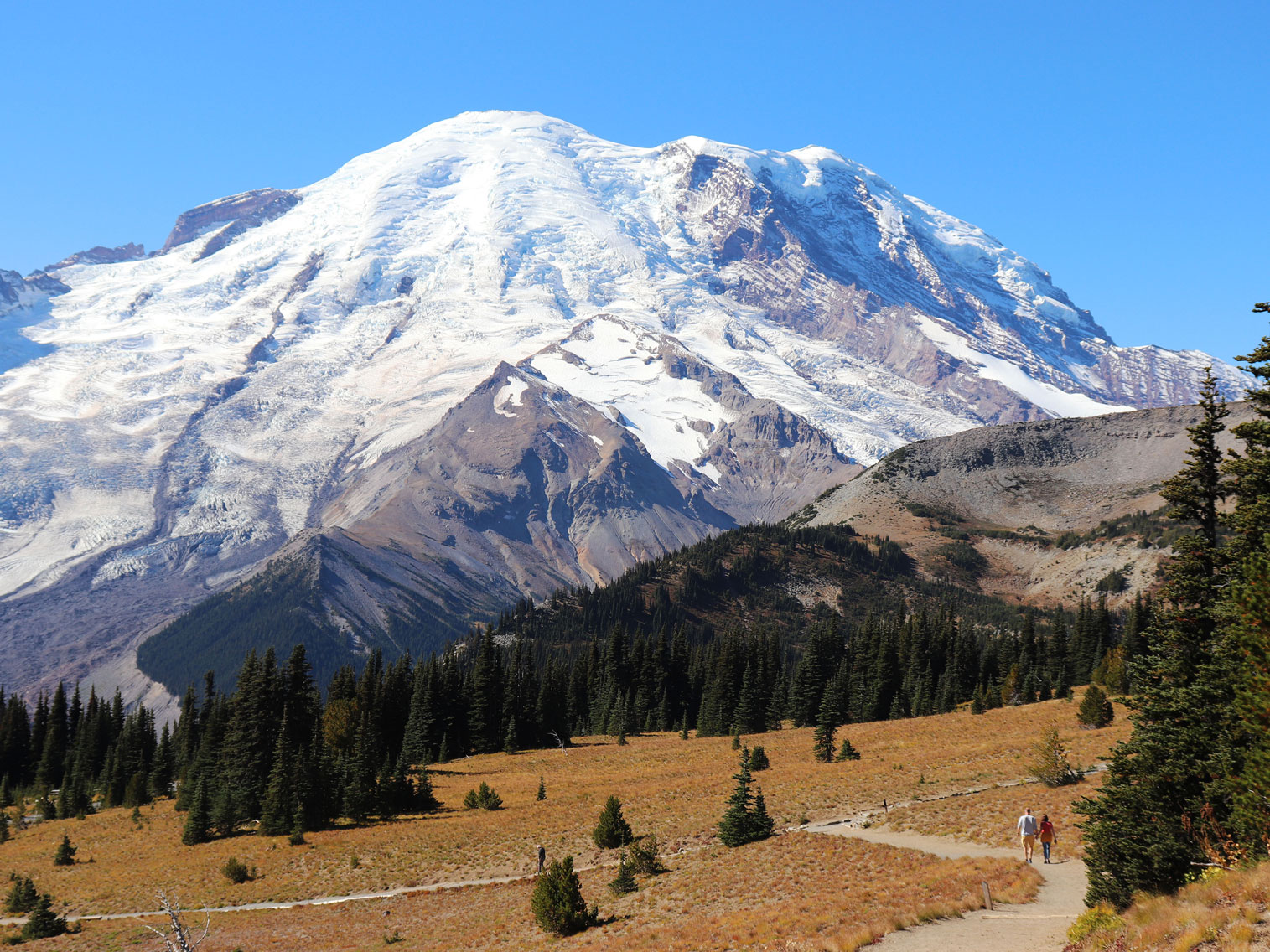
Mount Rainier National ParkS, CC BY 2.0, via Wikimedia Commons; Image Size Adjusted

Mount Rainier National ParkRating:
National park preserving all of Mount Rainier, a 14,411-foot (4,392 m) stratovolcano, surrounded by valleys, waterfalls, subalpine meadows, and old-growth forest
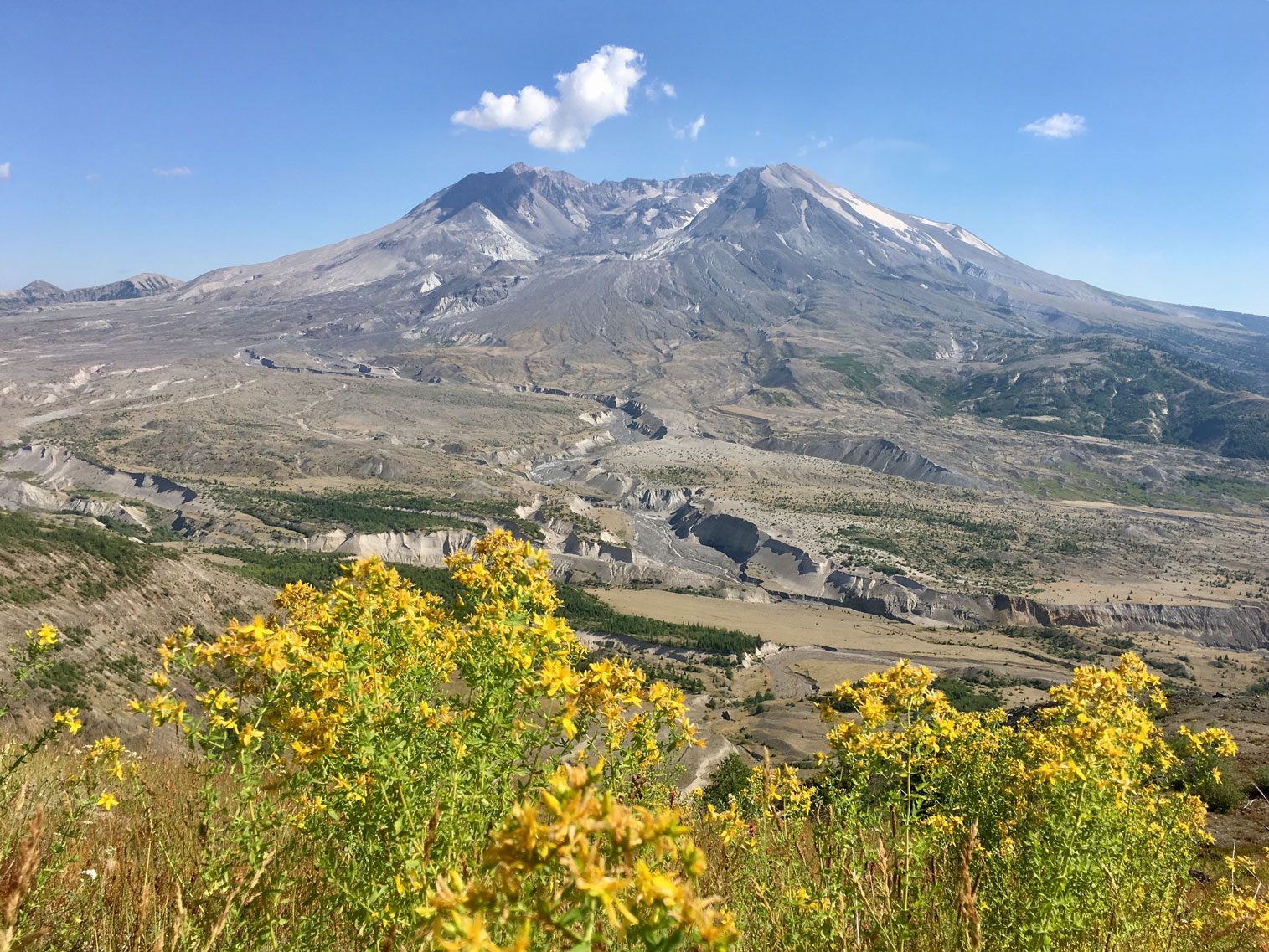
Reywas92, CC BY-SA 4.0, via Wikimedia Commons; Image Size Adjusted
Mount St. Helens National Volcanic MonumentRating:
Best known as the site of the historic 1980 volcanic eruption and offers a variety of recreation opportunities, including the chance to climb to the summit
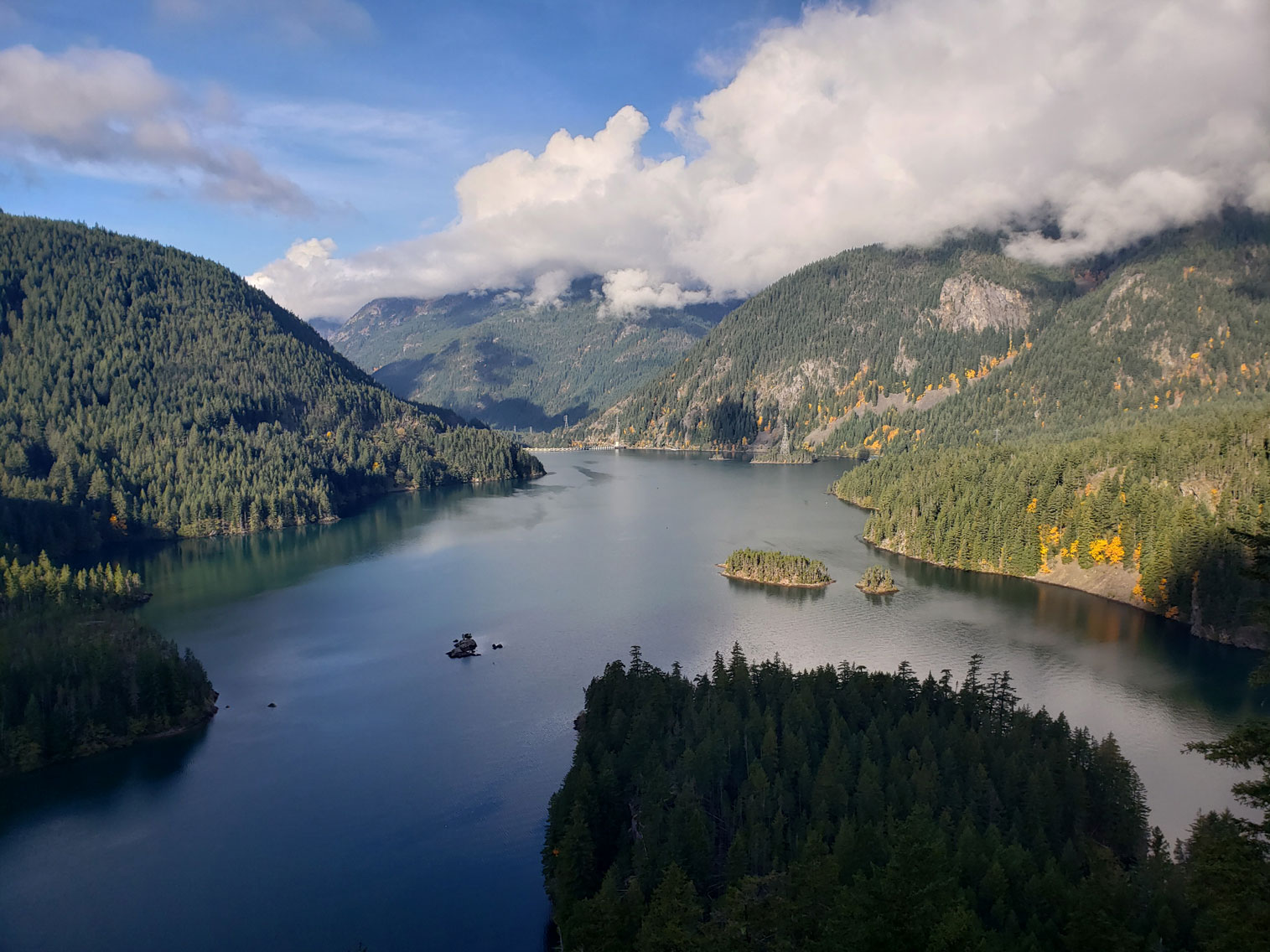
North Cascades National ParkRating:
Park features the rugged mountain peaks of the North Cascades Range, the most expansive glacial system in the contiguous United States, the headwaters of numerous waterways, and vast forests with the highest degree of flora biodiversity of any American national park
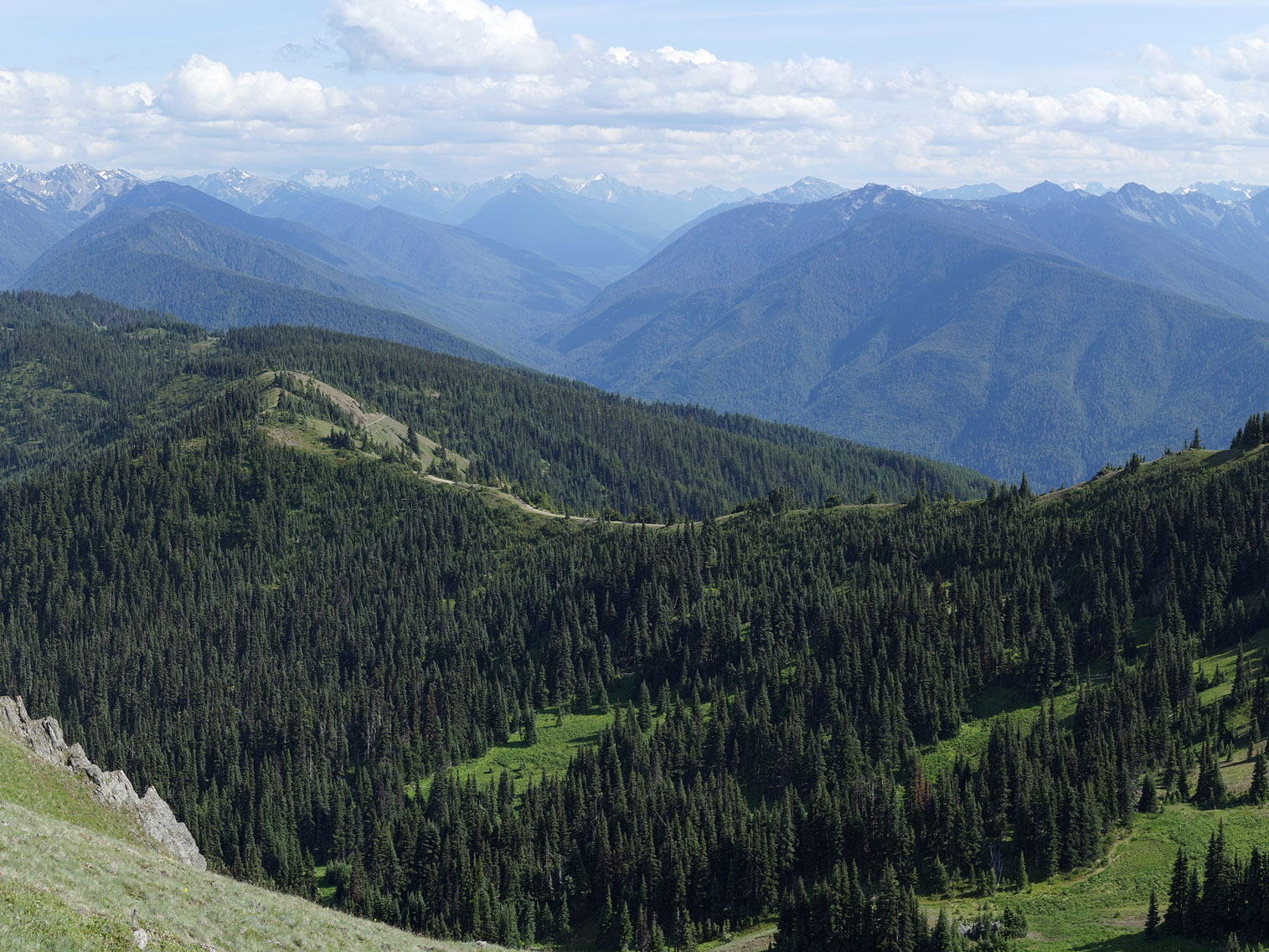
Dllu, CC BY-SA 4.0, via Wikimedia Commons; Cropped and Image Size Adjusted
Olympic National ParkRating:
National park highlightng four regions: the Pacific coastline, alpine areas, the west-side temperate rainforest, and the forests of the drier east side and three distinct ecosystems
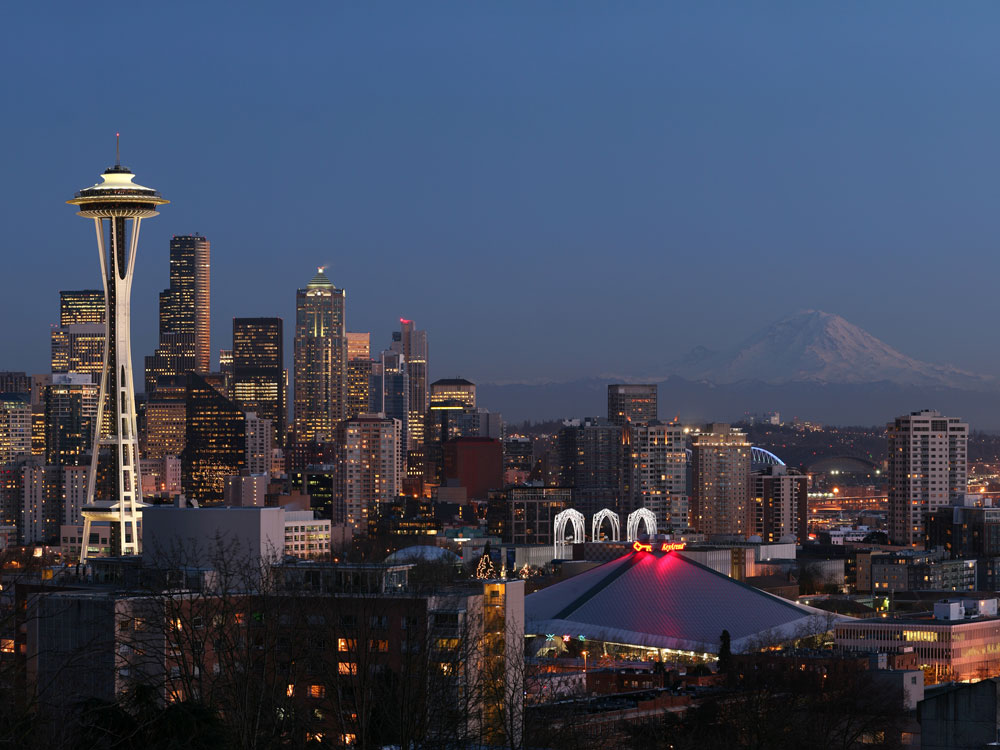
Daniel Schwen, CC BY-SA 4.0, via Wikimedia Commons; Cropped and Image Size Adjusted
SeattleRating:
Seaport city on the West Coast of the United States is the largest city in both the state of Washington and the Pacific Northwest region of North America

Joe Mabel, CC BY-SA 3.0, via Wikimedia Commons; Image Size Adjusted
LeavenworthRating:
City in Washington known for the entire town center modeled on a German Bavarian village as part of a civic initiative that began in the 1960s
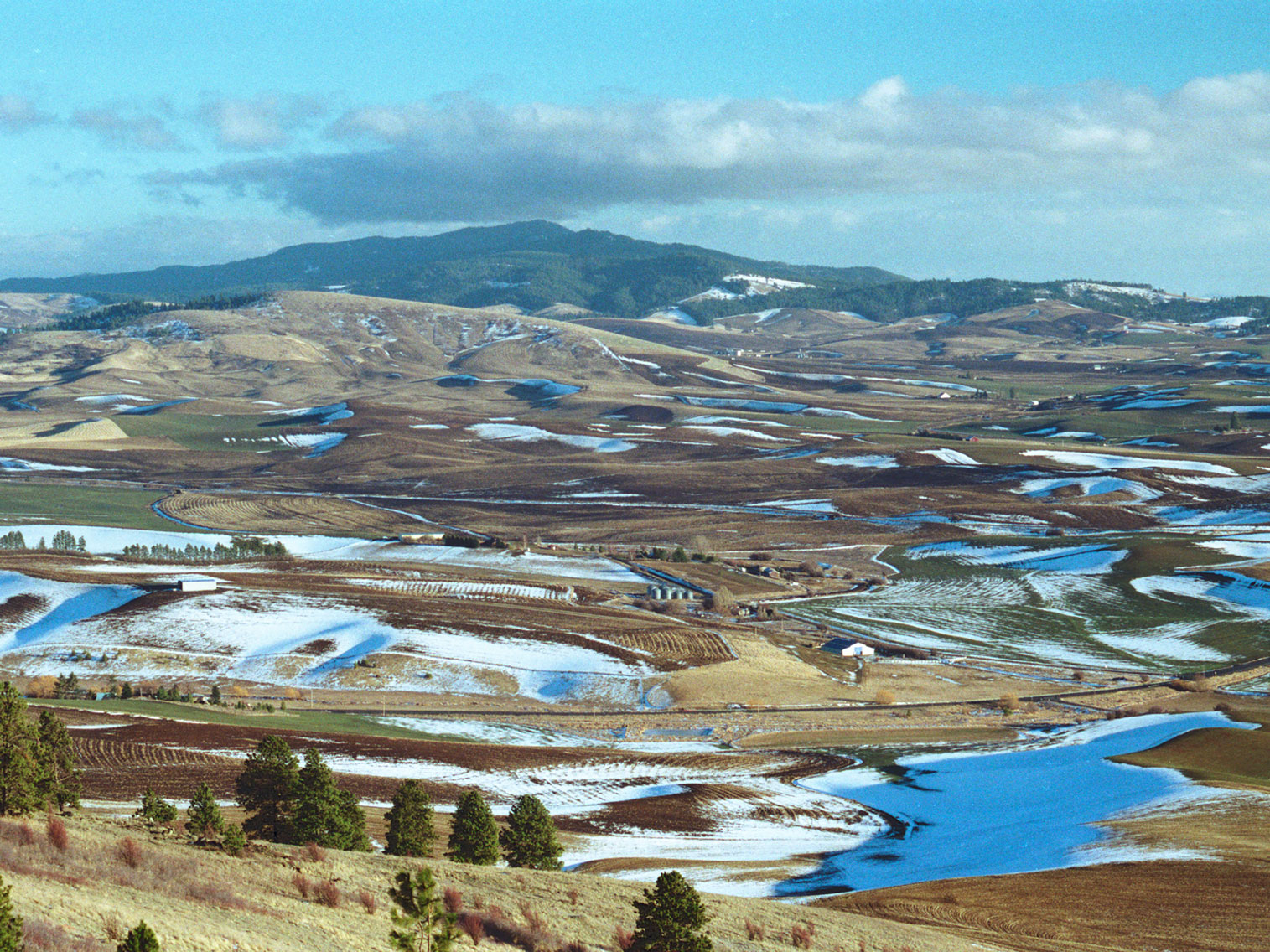
Kamiak Butte County Park
David Dugan, CC BY-SA 3.0, via Wikimedia Commons, via Wikimedia Commons; Image Size Adjusted
Western Washington
- Kamiak Butte County ParkRating:
- PalouseRating:
- Palouse Falls State ParkRating:
- Steptoe Butte State ParkRating:
Overview
Washington is the northwestern-most state in the contiguous U.S., and people come for its dramatic range of scenery, its outdoor recreation, and its vibrant, coffee-fueled cities. Within a few hours' drive a traveler can move from tide pools and rain forest to glacier-clad volcanoes, jagged alpine peaks, island-dotted waters, and the dry wheat hills of the east. Olympia is the capital, and Seattle is the largest city.
Visitors come to hike and climb in three national parks, ride the ferries of Puget Sound, kayak or watch whales in the San Juan Islands, and photograph Mount Rainier, the Olympic coast, and the fall colors of the Cascades. Others come for Pike Place Market, fresh seafood, craft beer, and the wineries of the Columbia Valley, or to visit the Bavarian-style village of Leavenworth.
Geography
Washington is the 18th-largest state by area and is divided by the Cascade Range into two distinct halves. West of the Cascades, the mild, wet climate supports temperate rain forest and holds most of the population around Puget Sound, an inland sea of bays, channels, and islands. The Olympic Peninsula, with its own rugged mountains, lies between Puget Sound and the Pacific. East of the mountains, the rain shadow creates sagebrush steppe, canyons, orchards, and farmland, including the rolling wheat country of the Palouse. The Columbia River crosses the state and forms much of the southern border with Oregon. Mount Rainier, at 14,411 feet, is the highest point in the state and the most heavily glaciated peak in the contiguous U.S., and the Cascade volcanoes also include Mount Baker, Glacier Peak, Mount Adams, and Mount St. Helens.
History
Native peoples, including the Coast Salish, Makah, Quinault, Yakama, Nez Perce, and Spokane, lived in the region for thousands of years, relying on salmon, cedar, and the rivers. Spanish, British, and American explorers arrived in the late 1700s, and the Lewis and Clark Expedition reached the mouth of the Columbia in 1805. The region was jointly occupied by Britain and the U.S. until the 1846 Oregon Treaty set the boundary at the 49th parallel, and Washington Territory was created in 1853. The transcontinental railroad, the timber industry, and the Klondike Gold Rush of 1897 fueled rapid growth, and Washington became the 42nd state on November 11, 1889. Hydroelectric dams, aerospace, and later technology have all shaped its modern economy.
Seattle
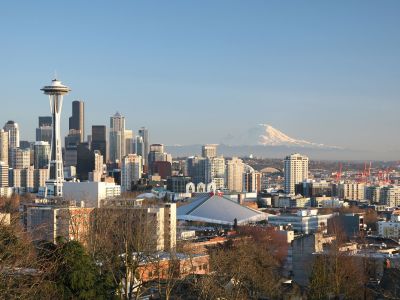
Seattle sits between Puget Sound and Lake Washington, with Mount Rainier visible on clear days. Its best-known sights include the Space Needle, built for the 1962 World's Fair, and Pike Place Market, one of the oldest continuously operating public markets in the country. The city is also known for its waterfront, ferries, museums, music history, and coffee culture. About 60 percent of Washington's residents live in the Seattle area, and it is the main gateway for trips to the state's parks and islands.
Washington's National Parks
Washington has three national parks. Mount Rainier National Park is known for its glaciers, old-growth forest, and subalpine wildflower meadows at Paradise and Sunrise. Olympic National Park protects glacier-capped mountains, the Hoh and Quinault rain forests, and a wild stretch of Pacific coastline, and is a UNESCO World Heritage Site. North Cascades National Park is a remote landscape of jagged peaks, hundreds of glaciers, and turquoise lakes, and is among the least-visited national parks in the lower 48.
National Protected Areas
Mount St. Helens National Volcanic Monument preserves the landscape devastated by the 1980 eruption and its ongoing recovery. Ross Lake and Lake Chelan National Recreation Areas, managed with North Cascades National Park, offer boating and backcountry access. San Juan Island National Historical Park preserves the sites of the 1859 Pig War, and Fort Vancouver National Historic Site interprets the Hudson's Bay Company's fur trade headquarters. Other sites include Whitman Mission National Historic Site, Ebey's Landing National Historical Reserve on Whidbey Island, Klondike Gold Rush National Historical Park in Seattle, Manhattan Project National Historical Park at Hanford, and the San Juan Islands and Hanford Reach national monuments.
State Parks and Historic Sites
Washington's state parks protect some of its finest scenery. Deception Pass State Park, with its dramatic bridge, cliffs, and beaches, is among the most visited in the state. Palouse Falls State Park centers on a 198-foot waterfall in a basalt canyon carved by the Ice Age Missoula Floods, and is the official state waterfall. Cape Disappointment State Park combines Pacific lighthouses with Lewis and Clark history at the mouth of the Columbia. Fort Worden State Park in Port Townsend, Fort Casey on Whidbey Island, and Moran State Park on Orcas Island add historic coastal forts and mountain views.
Seasons and When to Visit
Summer, from July through September, is the driest and most popular season, with the best hiking, camping, and ferry and island trips, though popular parks such as Mount Rainier and Olympic can be crowded. Wildflowers peak in the high country in late July and August. Fall brings golden larches in the North Cascades in late September and October, apple harvests, and wine season in the east. Winter is wet west of the Cascades, but brings skiing and snowshoeing at places such as Crystal Mountain and Stevens Pass, storm watching on the coast, and Christmas festivities in Leavenworth. Spring offers tulip fields in the Skagit Valley in April, waterfalls at their fullest, and fewer visitors, though many mountain roads remain closed by snow into early summer.
This article uses material from the Wikipedia article "Washington (state)", which is released under the Creative Commons Attribution-Share-Alike License 3.0. Additional information was drawn from the National Park Service, Washington State Parks, and Washington State Tourism.