Maryland Travel Guide
Feast on Chesapeake Bay crabs, explore historic Baltimore and Annapolis, and enjoy scenic sailing along Maryland's 4,000 miles of tidal shoreline.
Places to See in Maryland


Matthew Petroff, CC BY-SA 3.0, via Wikimedia Commons; Image Size Adjusted

National Protected Areas
- Antietam National BattlefieldRating:
- Catoctin Mountain ParkRating:
- Chesapeake and Ohio Canal National Historical ParkRating:
- Clara Barton National Historic SiteRating:
- Fort McHenry National Monument and Historic ShrineRating:
- Fort Washington ParkRating:
- Monocacy AqueductRating:
- Monocacy National BattlefieldRating:
Matthew Petroff, CC BY-SA 3.0, via Wikimedia Commons; Image Size Adjusted
State Parks
- Cunningham Falls State ParkRating:
- Fort Frederick State ParkRating:
- Susquehanna State ParkRating:
- Swallow Falls State ParkRating:
Matthew Petroff, CC BY-SA 3.0, via Wikimedia Commons; Image Size Adjusted
Museums, Landmarks, and Landscapes
- Hagerstown Aviation MuseumRating:
- Ladew Topiary GardensRating:
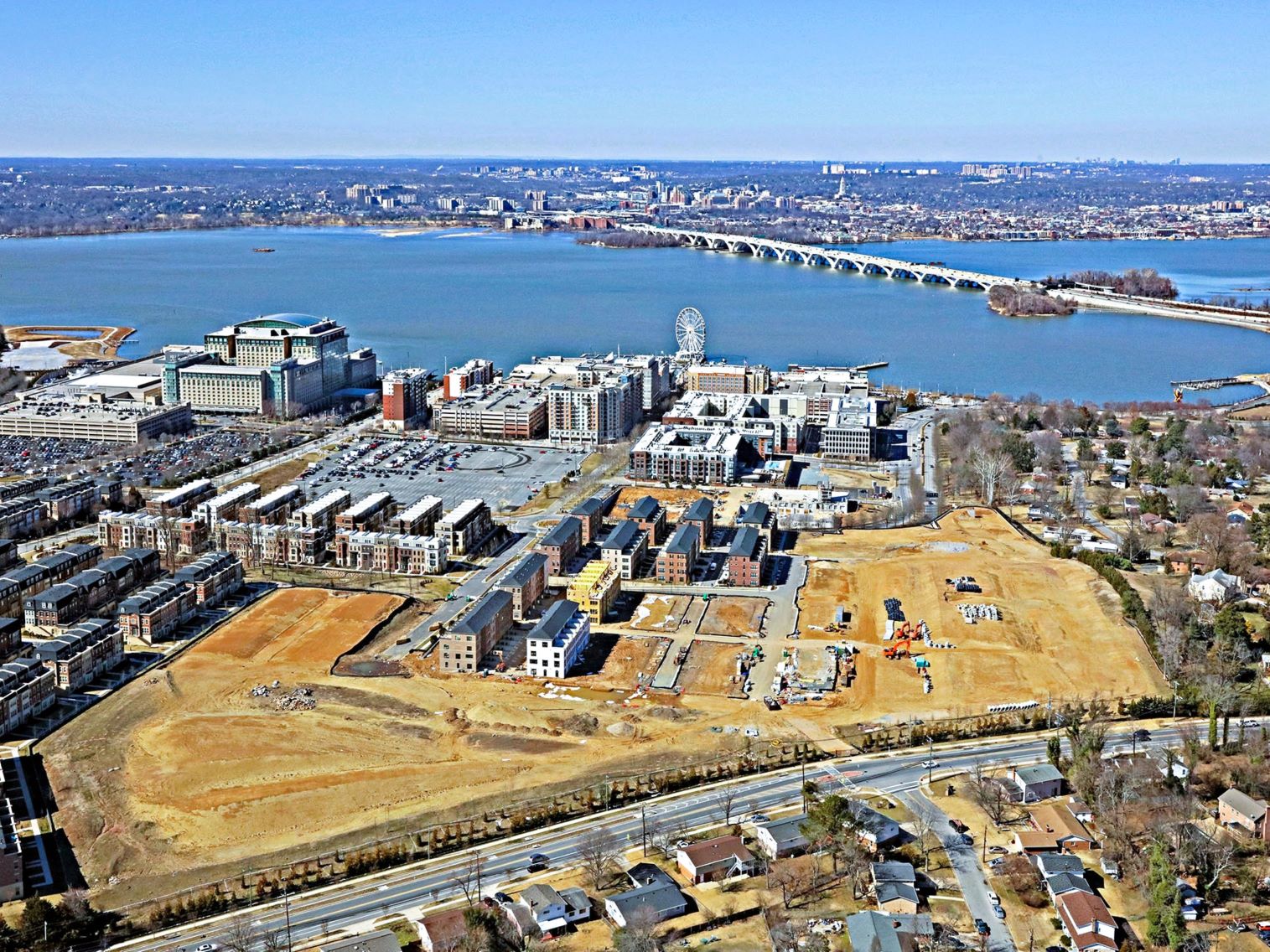
- National HarborRating:
Overview
Maryland is a Mid-Atlantic state of about 6.2 million people, centered on the Chesapeake Bay and next to Washington, D.C. Annapolis is the capital, Baltimore is the largest city, and the state is named for Queen Henrietta Maria, wife of Charles I of England. Its nickname is the "Old Line State."
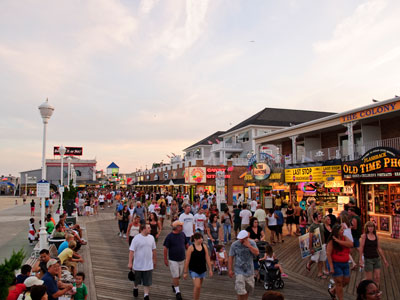
Visitors come for the blue crabs and sailing of the Chesapeake Bay, the harbor and museums of Baltimore, and the Georgian architecture and naval academy of Annapolis. Others come for the beaches and boardwalk of Ocean City, the Civil War battlefields of Antietam and Monocacy, the mountains and lakes of western Maryland, and the C&O Canal towpath.
Geography
Maryland has a varied geography for a small state. The Eastern Shore is flat and marshy, split from the western shore by the Chesapeake Bay, which is the largest estuary in the U.S. The central Piedmont has rolling hills, and western Maryland rises into the Appalachian Mountains, with Backbone Mountain, at 3,360 feet (1,024 m), the highest point. The Potomac River forms the southern border, and the Atlantic coast includes Assateague Island.
History
The Piscataway, Nanticoke, and Susquehannock peoples lived here when Leonard Calvert led English settlers to St. Mary's City in 1634, founding the colony as a haven for Catholics. Maryland became the seventh state in 1788, and Baltimore was a major port; the defense of Fort McHenry in 1814 inspired "The Star-Spangled Banner." A border state in the Civil War, Maryland saw the bloody Battle of Antietam in 1862. Frederick Douglass and Harriet Tubman were both born in Maryland, and the state is a center for federal science and health agencies.
Baltimore
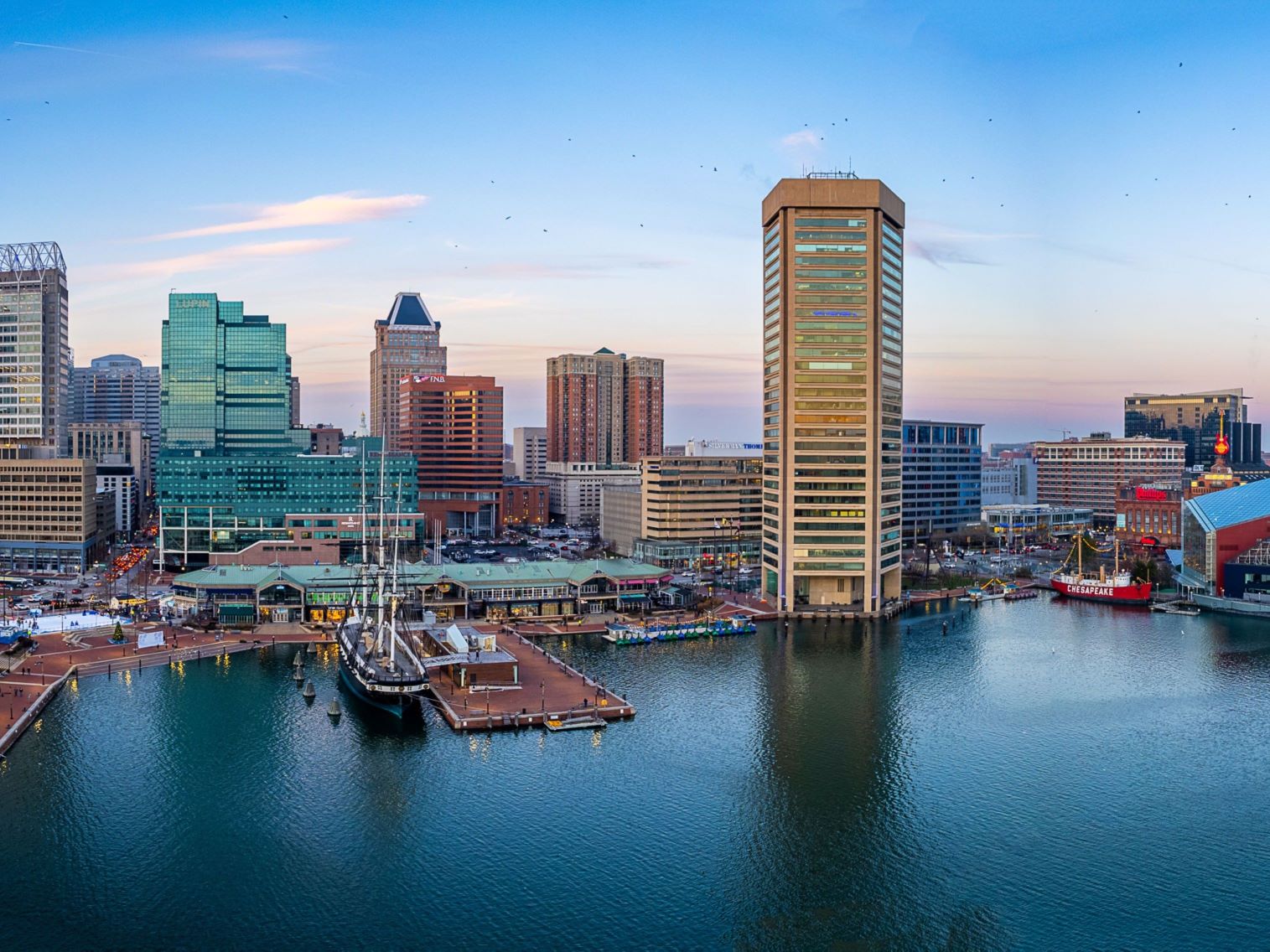
Baltimore is Maryland's largest city, a historic port on the Patapsco River at the northern end of the Chesapeake Bay. Its center is the Inner Harbor, with the National Aquarium, historic ships, and waterfront promenades. Nearby are the cobblestone streets and pubs of Fells Point, the hilltop views of Federal Hill Park, and museums including the Baltimore Museum of Art and Walters Art Museum. The city is also tied to Edgar Allan Poe, who lived and is buried here, and to Fort McHenry, where the national anthem was inspired.
Annapolis
Annapolis is the state capital, a compact colonial port on the Severn River and the Chesapeake Bay, nicknamed the "Sailing Capital of the U.S." The United States Naval Academy is the city's best-known institution, and the Maryland State House, the oldest state capitol in continuous legislative use, dates to 1779. The brick streets of the historic district hold more than 1,500 18th-century buildings, including the Hammond-Harwood House, and the City Dock is lined with shops, seafood restaurants, and sailboats.
National Protected Areas
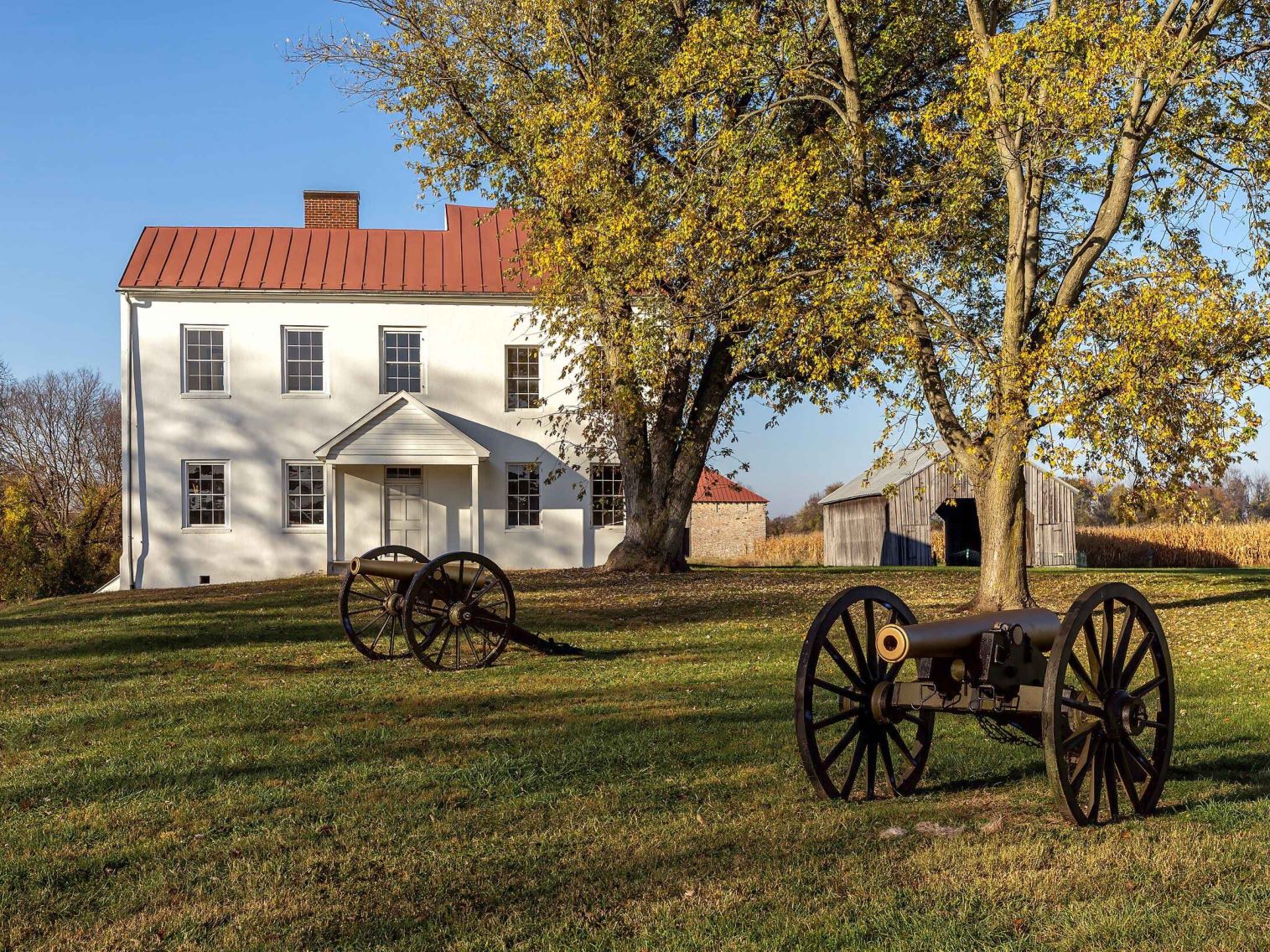
Maryland's national park sites include Antietam National Battlefield, the site of the bloodiest single day of the Civil War, and Fort McHenry, the birthplace of the national anthem. The Chesapeake and Ohio Canal National Historical Park preserves a 184-mile towpath, Catoctin Mountain Park has forested hiking, and Monocacy is a Civil War battlefield. Clara Barton National Historic Site, Assateague Island National Seashore, and Harriet Tubman Underground Railroad National Historical Park are also in the state.
State Parks and Historic Sites
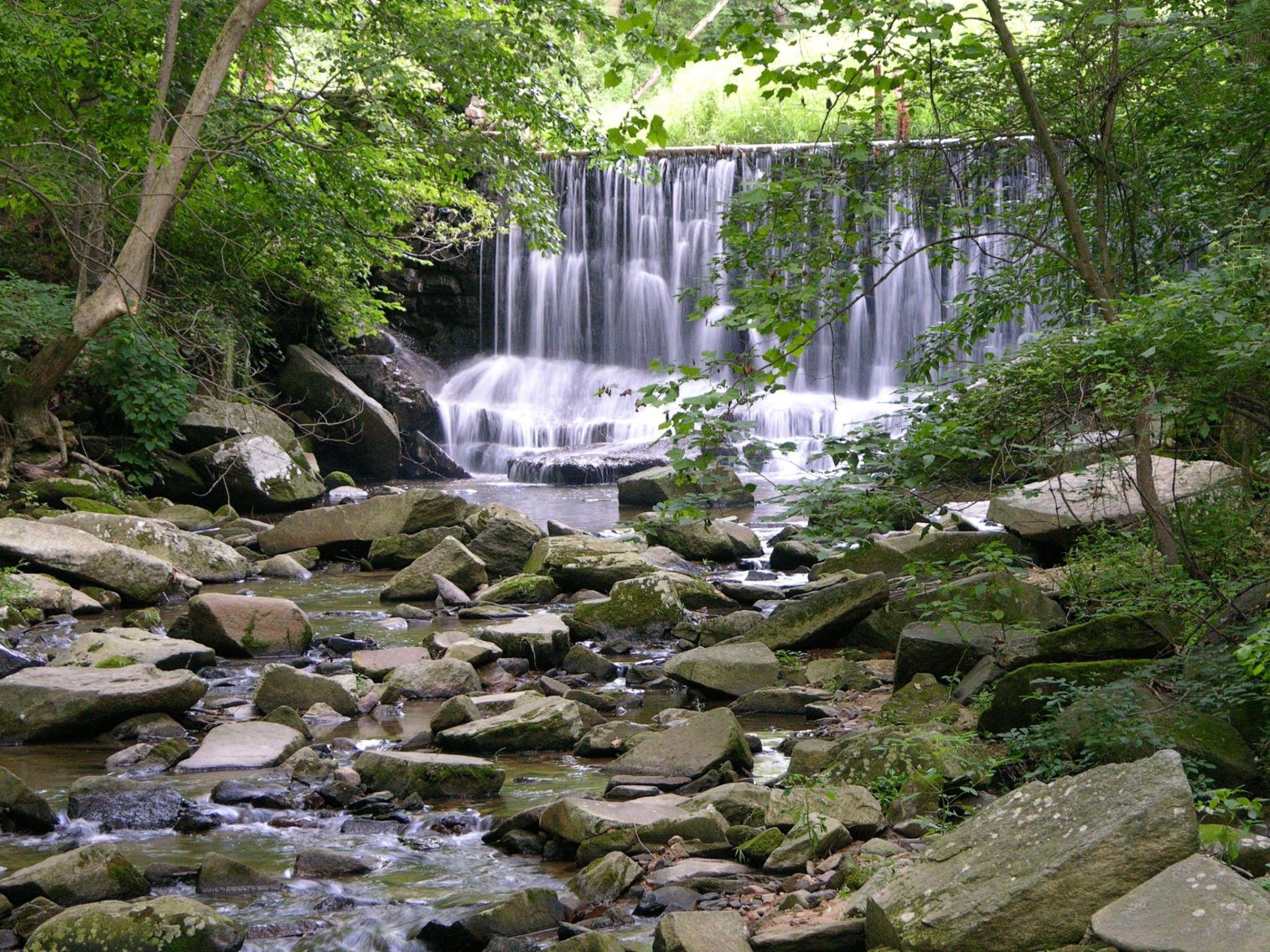
Maryland's state parks include Cunningham Falls, with the state's highest cascading waterfall, and Swallow Falls, where Muddy Creek drops through old-growth hemlock. Susquehanna State Park has mills and a canal towpath, and Fort Frederick is a restored French and Indian War fort. Other highlights include Ladew Topiary Gardens and National Harbor.
Seasons and When to Visit
Summer is the busiest season, with beaches, sailing, and crab feasts, though it is hot and humid. Fall brings cooler weather, foliage in the western mountains, and the Chesapeake oyster season, and spring has cherry blossoms, wildflowers, and the Preakness Stakes in Baltimore in May. Winter is cold, with snow in the mountains and ski areas at Wisp, and the Chesapeake Bay is a winter home for waterfowl.
This article uses material from the Wikipedia article "Maryland", which is released under the Creative Commons Attribution-Share-Alike License 3.0. Additional information was drawn from National Park Service, Maryland State Parks, and Visit Maryland.