Fort McHenry National Monument and Historic Shrine

Fort McHenry National Monument and Historic Shrine, Maryland

Fredlyfish4, CC BY-SA 4.0, via Wikimedia Commons; Image Size Adjusted

Historical American coastal pentagonal bastion fort best known for its role in the War of 1812 and inspiration for "The Star-Spangled Banner"

General Information

Hours:
Open year-round except Thanksgiving Day, Christmas Day, and New Year's Day.
Park Grounds & Visitor Center: 9:00am–5:00pm daily
Last park entry: 4:45pm
Visitor Center and Historic Star Fort close 15 minutes before park closing.
Fees:
Historic Star Fort (ages 16+): $15 per person
Children under 16: Free
Annual Fort McHenry Pass: $45
Visitor Center, museum exhibits, and park grounds: Free
Pet Policy:
Pets are welcome on park grounds and trails but must remain on a leash at all times. Pets are not permitted inside the Visitor Center, historic buildings, or designated indoor areas.
Seasons:
All year (spring and fall offer the most comfortable weather; summer features ranger programs and living history events; winter provides quieter visits and photography opportunities).
Location:
2400 East Fort Avenue, Baltimore, MD 21230
Website:
nps.gov/fomc

From Baltimore Inner Harbor (approximately 3 mi): Follow Key Highway southeast toward Locust Point and continue to Fort McHenry. Free on-site parking is available, though it can be limited during peak visitation periods.

Overview

Fort McHenry is a historical American coastal pentagonal bastion fort on Locust Point, now a neighborhood of Baltimore, Maryland. It is best known for its role in the War of 1812, when it successfully defended Baltimore Harbor from an attack by the British navy from the Chesapeake Bay on September 13-14, 1814. It was first built in 1798 and was used continuously by the U.S. armed forces through World War I and by the Coast Guard in World War II. It was designated a national park in 1925, and in 1939 was redesignated a "National Monument and Historic Shrine".

During the War of 1812 an American storm flag, 17 by 25 feet (5.2 m x 7.6 m), was flown over Fort McHenry during the bombardment. It was replaced early on the morning of September 14, 1814, with a larger American garrison flag, 30 by 42 feet (9.1 m x 12.8 m). The larger flag signaled American victory over the British in the Battle of Baltimore. The sight of the ensign inspired Francis Scott Key to write the poem "Defence of Fort M'Henry" that was later set to the tune "To Anacreon in Heaven" and became known as "The Star-Spangled Banner", the national anthem of the United States.

The flag that flew over Fort McHenry, the Star-Spangled Banner Flag, has deteriorated to an extremely fragile condition. After undergoing restoration at the National Museum of American History, it is now on display there in a special exhibit that allows it to lie at a slight angle in dim light.

Things to Do

Visit the Birthplace of the Star-Spangled Banner

Fort McHenry National Monument and Historic Shrine is one of America's most important historic sites. Located in Baltimore Harbor, the fort is best known for its role in the War of 1812, when it successfully defended Baltimore from British attack during the Battle of Baltimore in September 1814. The sight of the American flag flying over the fort inspired Francis Scott Key to write the poem that later became "The Star-Spangled Banner," the national anthem of the United States.

Explore Historic Fort McHenry

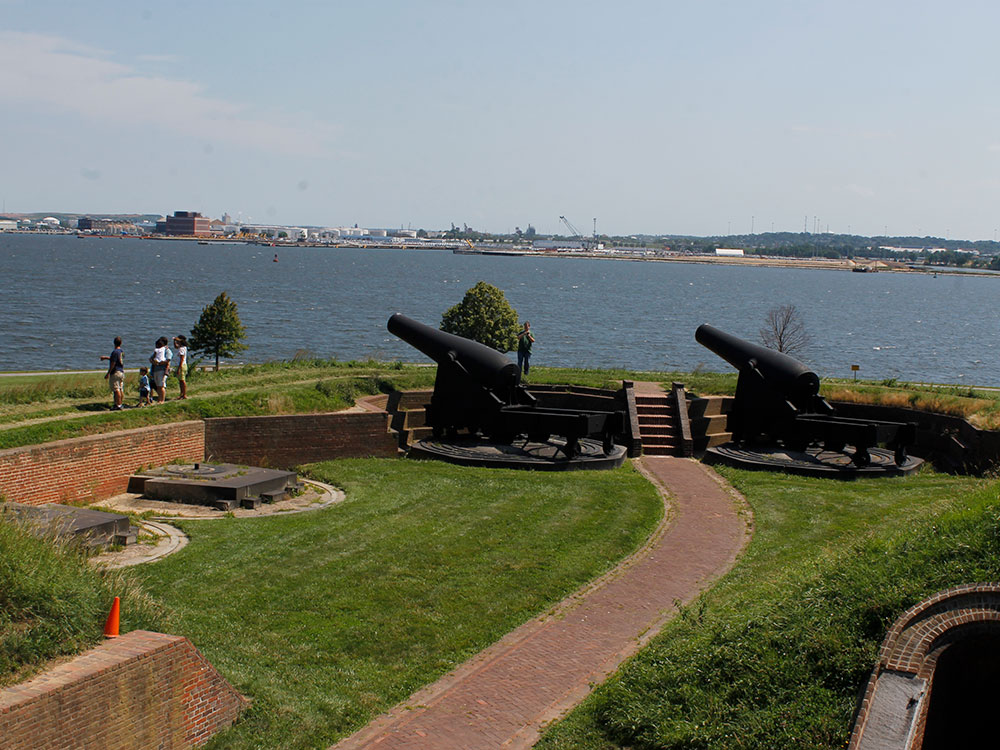
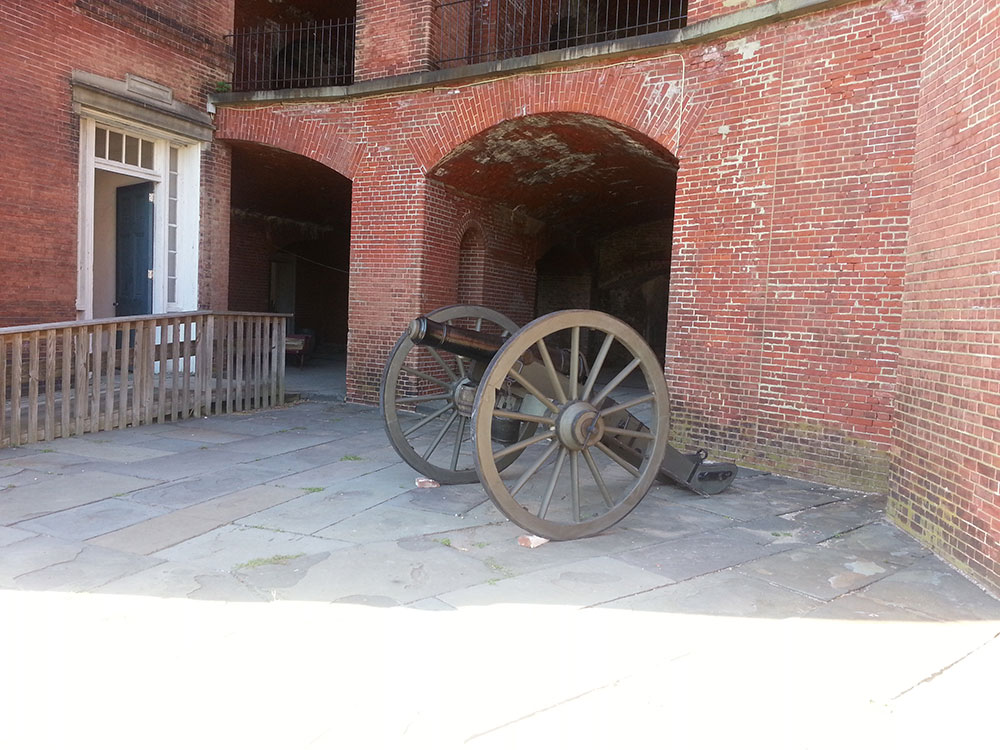
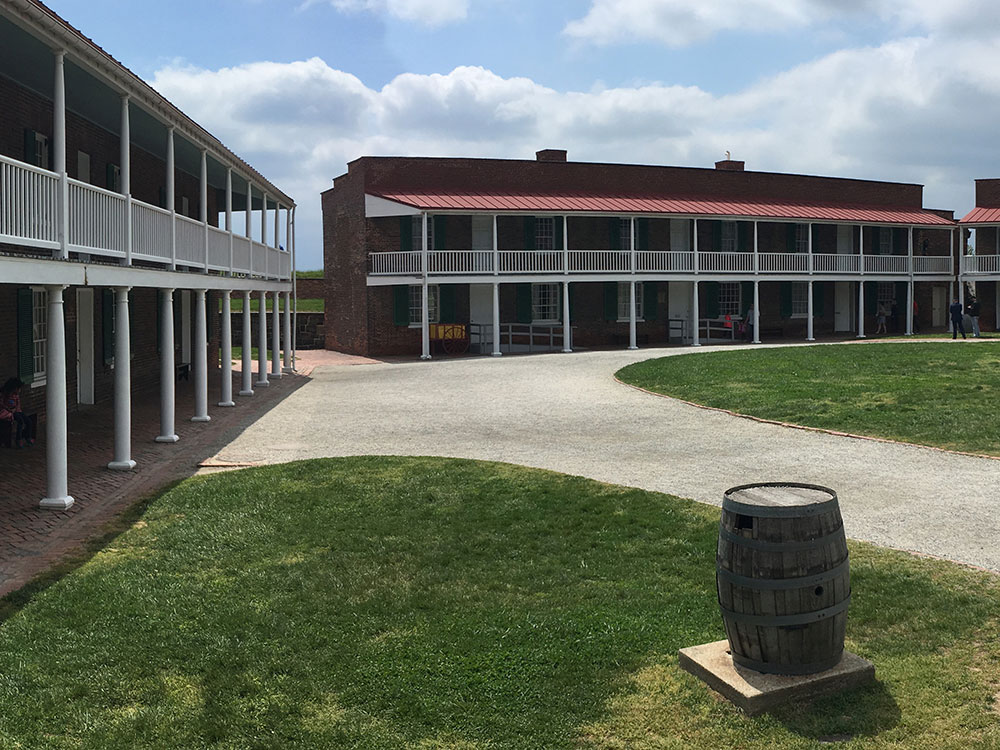
Visitors can walk through the star-shaped fort and explore restored barracks, defensive walls, artillery positions, and exhibits that tell the story of the fort's military history. Interpretive displays highlight the War of 1812, the Civil War, World War I, and the fort's continued role in American history.

Watch the Flag Change Program

One of the park's most popular experiences is the ranger-led flag program, where visitors can learn about the history of the Star-Spangled Banner and observe the raising or lowering of the American flag within the historic fort grounds.

Visit the Museum and Visitor Center

The visitor center features exhibits, artifacts, and a short film that explains the Battle of Baltimore and the events that inspired the national anthem. Visitors can gain a deeper understanding of the fort's significance and its place in American history.

Enjoy Harbor Views and Outdoor Recreation

The monument offers beautiful views of Baltimore Harbor and the Patapsco River. Visitors can enjoy walking, photography, birdwatching, picnicking, and exploring the waterfront grounds that surround the historic fort.

Top Trails

Fort McHenry Seawall Trail

Length: Approximately 1 mile loop
Elevation Gain: Minimal
Difficulty: Easy

This paved waterfront trail circles the fort grounds and provides excellent views of Baltimore Harbor, the Patapsco River, and the fort itself. It is ideal for walking, jogging, sightseeing, and photography.

Historic Fort Walking Tour

Length: Approximately 0.5 miles
Elevation Gain: Minimal
Difficulty: Easy

This self-guided route takes visitors through the interior of the star fort, allowing them to explore historic buildings, artillery displays, interpretive exhibits, and key locations associated with the Battle of Baltimore.

Waterfront Promenade

Length: Variable distances available
Elevation Gain: Minimal
Difficulty: Easy

The waterfront walking areas surrounding Fort McHenry provide scenic harbor views, opportunities to watch passing ships, and access to natural and historical points of interest throughout the monument grounds.

Sources: National Park Service official Fort McHenry National Monument and Historic Shrine information, including details on the War of 1812, the Battle of Baltimore, the Star-Spangled Banner, visitor center exhibits, historic fort tours, waterfront trails, and educational programs. https://www.nps.gov/fomc
Additional historical and visitor information verified through National Park Service resources covering the fort's military history, flag programs, harbor views, and self-guided walking opportunities. https://www.nps.gov/fomc/planyourvisit

This article uses material from the Wikipedia article "Fort McHenry", which is released under the Creative Commons Attribution-Share-Alike License 3.0

Bohemian Baltimore, CC BY-SA 4.0, via Wikimedia Commons; Image Size Adjusted
Irene herz, CC BY-SA 4.0, via Wikimedia Commons; Image Size Adjusted
Fredlyfish4, CC BY-SA 4.0, via Wikimedia Commons; Image Size Adjusted