
Historic downtown community blending preserved 18th‑ and 19th‑century architecture, scenic creekside walkways, and a vibrant cultural and culinary scene.
General Information
- Hours:
-
Downtown and public areas: Open daily, dawn to dusk
Individual shops, restaurants, and museums maintain their own hours - Fees:
-
Public areas: Free
Museums and historical sites: Fees vary by attraction - Pet Policy:
- Leashed pets are allowed in outdoor public areas
- Closest cities with hotels:
- Frederick (downtown)
- Seasons:
- Spring through Fall
- Location:
- Downtown Frederick, MD 21701
- Website:
- visitfrederick.org
How to Get There
From Washington, DC (44 mi): Take I‑270 N toward Frederick, continue to the downtown exits, then follow signs toward Market Street and the historic district.
Overview
Frederick is the second-largest city in Maryland, with about 80,000 residents, at the foot of the Catoctin Mountains about 50 miles from both Washington, D.C. and Baltimore. It is famous for its historic downtown of brick storefronts and church steeples, a skyline John Greenleaf Whittier called the "clustered spires of Frederick," for its Civil War history, and for Carroll Creek Park, which winds through the center of town. It has a thriving craft beer, distillery and restaurant scene that has made it one of the state's most popular weekend getaways.
People come to Frederick to walk the historic district, shop in independent boutiques and antique stores, eat in some of Maryland's best restaurants and visit nearby battlefields and mountain parks. It is a base for exploring Civil War sites such as Monocacy and Antietam, and the hiking and fishing of Catoctin Mountain Park.
History
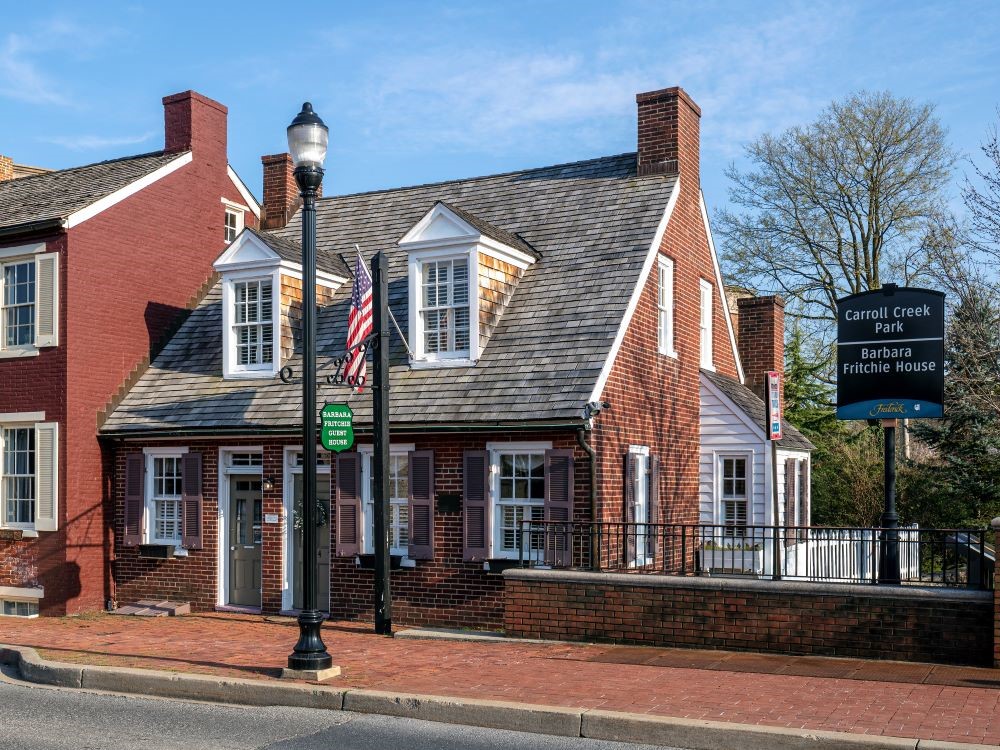
Frederick was founded in 1745 by German settlers from Pennsylvania and was named for Frederick Calvert, the 6th Lord Baltimore. It grew as a farming and trading center on the road west, and in 1765 the county court famously refused to use the stamps required by the Stamp Act, one of the earliest acts of colonial resistance. Francis Scott Key, who wrote "The Star-Spangled Banner," practiced law here and is buried at Mount Olivet Cemetery. During the Civil War both armies marched through the city, and it became a major hospital center after Antietam in 1862. In July 1864 the Battle of Monocacy, fought just south of the city, delayed Confederate General Jubal Early's army long enough for Union reinforcements to reach Washington, which is why the battle is called "the battle that saved Washington." Barbara Fritchie, a Frederick resident, was made famous by Whittier's poem about waving the Union flag.
Sightseeing and Popular Landmarks
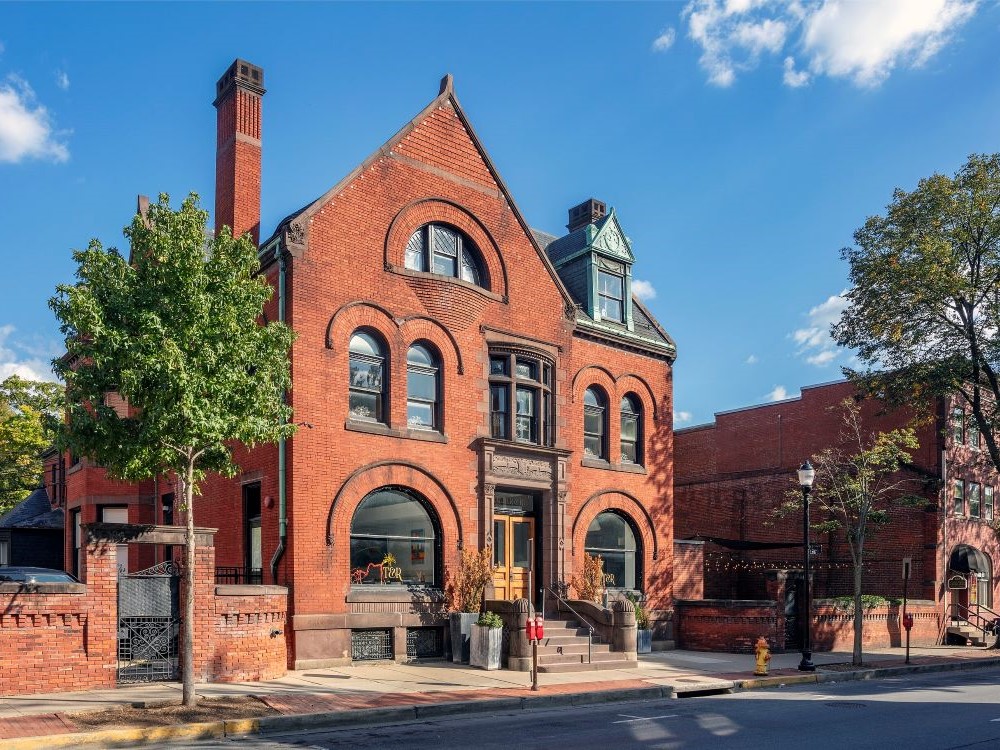
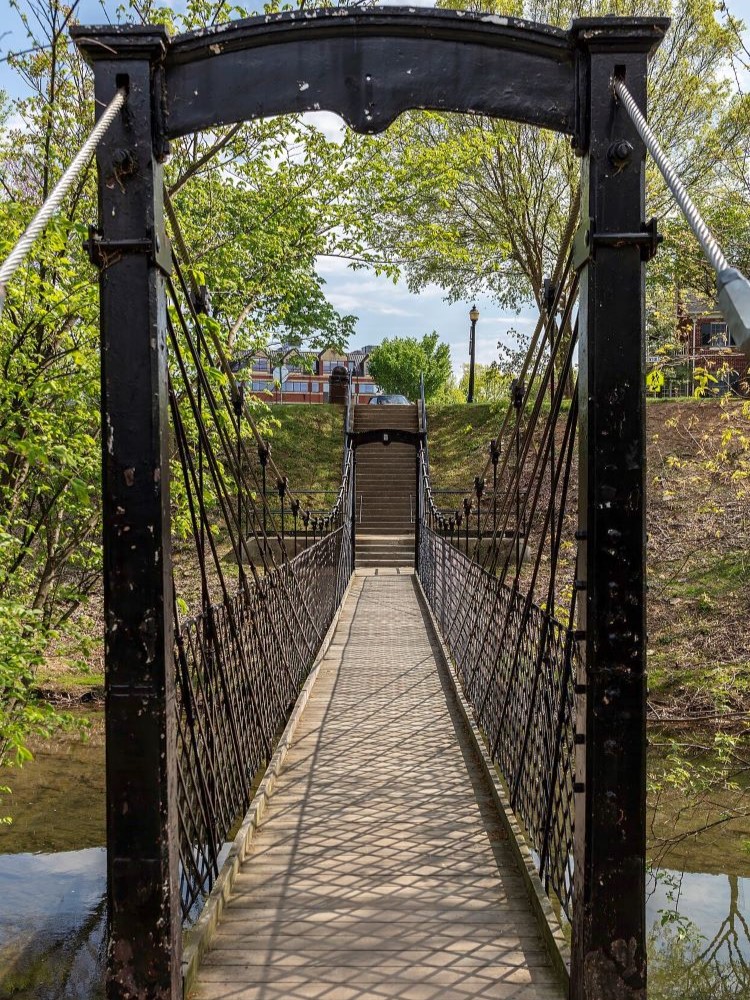
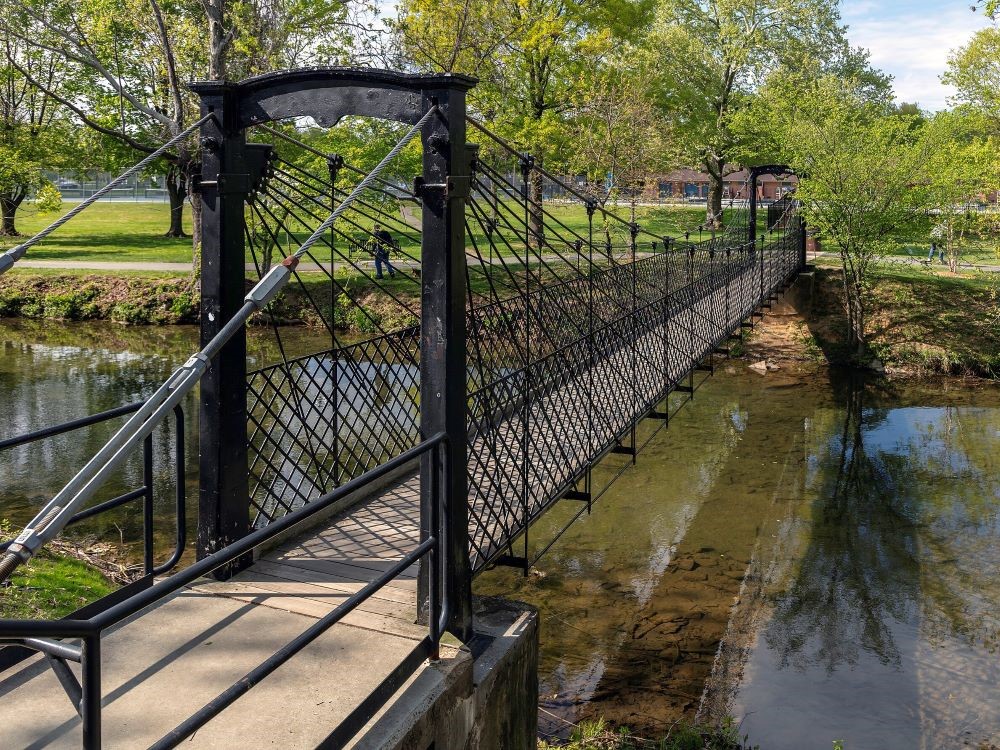
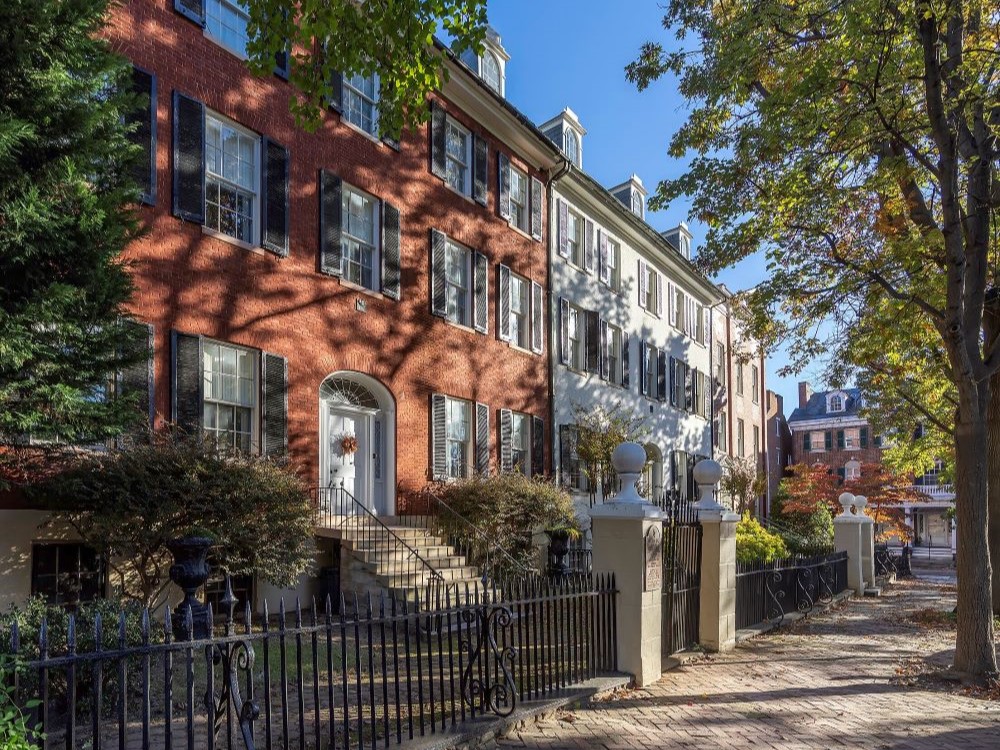
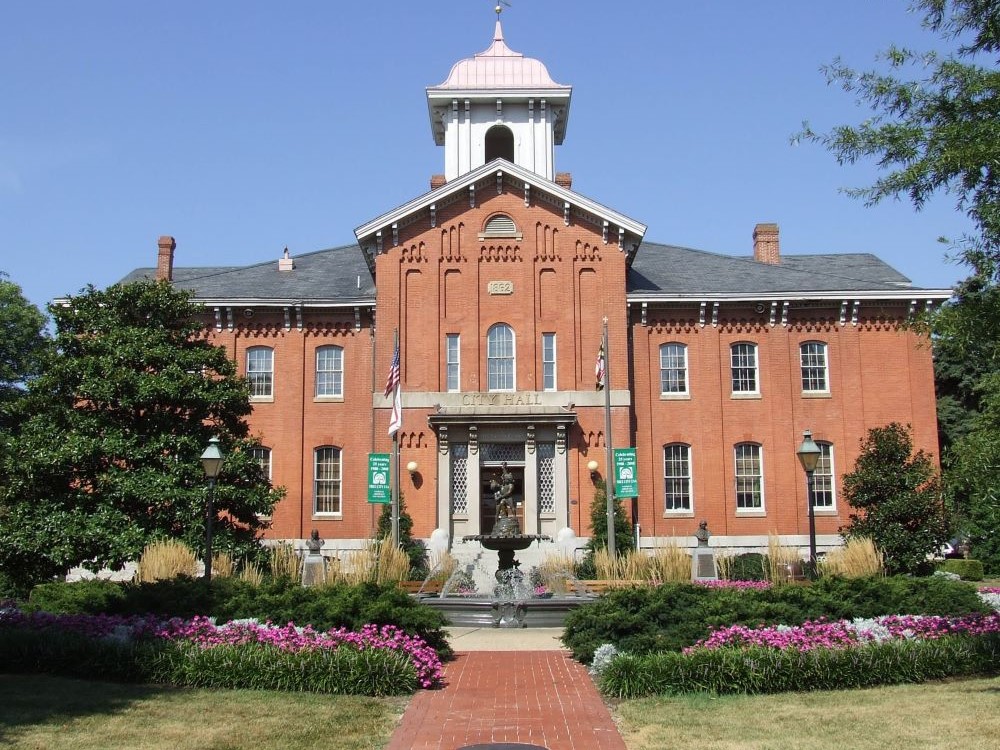
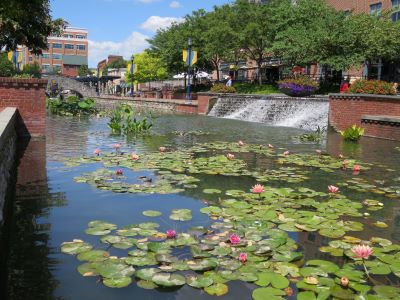
Historic downtown Frederick has more than 50 blocks of preserved 18th- and 19th-century buildings along Market and Patrick streets, with restaurants, bakeries, galleries and shops. Carroll Creek Park is a linear park with a waterfront promenade, bridges, a painted trompe l'oeil bridge called the Community Bridge, and an amphitheater for concerts. The Weinberg Center for the Arts, a restored 1926 theater, is a downtown landmark, and Key's grave at Mount Olivet Cemetery is a popular stop. Nearby, the Monocacy Aqueduct on the C&O Canal and the South Mountain battlefield are short drives.
Culture and Museums
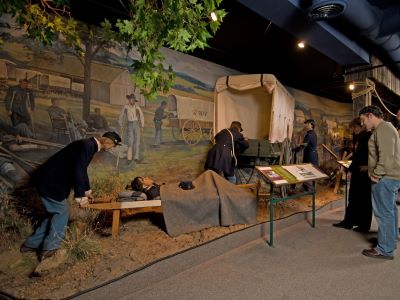
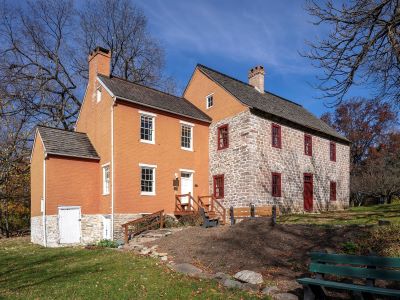
The National Museum of Civil War Medicine explains how doctors treated wounded soldiers. The Schifferstadt Architectural Museum is a 1758 German stone farmhouse, one of the oldest buildings in Frederick. The Delaplaine Arts Center, the Maryland Ensemble Theatre and the Weinberg Center present exhibits, plays and concerts, and the Frederick Festival of the Arts in June and First Saturday gallery walks are local favorites. The Great Frederick Fair in September is one of Maryland's biggest agricultural fairs.
Parks
Carroll Creek Park is the center of downtown outdoor life, and Baker Park has a lake, a carillon tower, a pool and walking trails. The Monocacy River offers fishing and paddling, and the C&O Canal towpath is a short drive away. To the north and west, Catoctin Mountain Park and Cunningham Falls State Park have hiking trails and Maryland's highest cascading waterfall, and Gambrill State Park has views from the ridge.
Seasons and Weather
Frederick has a humid subtropical climate with four seasons. Summers are hot and humid, with highs in the upper 80s °F and thunderstorms, and winters are cold, with highs in the 40s °F and snow that is heavier in the mountains. Spring brings blossoms and festivals, and fall is the most popular season for foliage in the Catoctin Mountains and for outdoor dining downtown. Snow and ice can close mountain roads in winter, and some trails and park roads close seasonally.
This article uses material from the Wikipedia article "Frederick, Maryland", which is released under the Creative Commons Attribution-Share-Alike License 3.0. Additional information from Visit Frederick, the City of Frederick, the National Park Service: Monocacy National Battlefield, National Weather Service Sterling and the official websites of the attractions mentioned.
Featured Locations
Jeff P from Berkeley, CA, USA, CC BY 2.0, via Wikimedia Commons; Image Size Adjusted

Carroll Creek Park
Urban linear park featuring a landscaped canal, pedestrian bridges, public art, and seasonal events in a revitalized downtown setting.
Jeff P from Berkeley, CA, USA, CC BY 2.0, via Wikimedia Commons; Image Size Adjusted
National Museum of Civil War Medicine
Museum exploring medical practices, innovations, and challenges faced by caregivers during the American Civil War.
Jeff P from Berkeley, CA, USA, CC BY 2.0, via Wikimedia Commons; Image Size Adjusted
Schifferstadt Architectural Museum
Stone farmhouse museum showcasing early German-American architecture, colonial-era furnishings, and 18th-century craftsmanship.