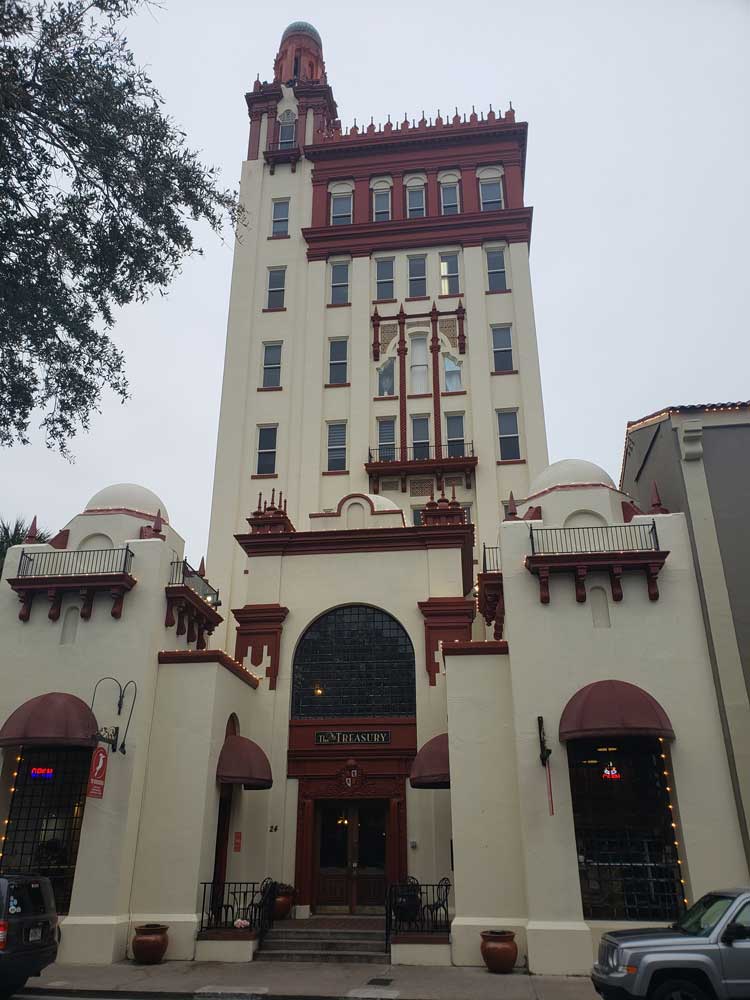
St. Augustine Travel Guide
City on the Atlantic coast of northeastern Florida, founded in 1565 by Spanish explorers, is the oldest continuously inhabited European-established settlement in the United States.
Places to See in St. Augustine
Ebyabe, CC BY-SA 3.0, via Wikimedia Commons; Image Size Adjusted

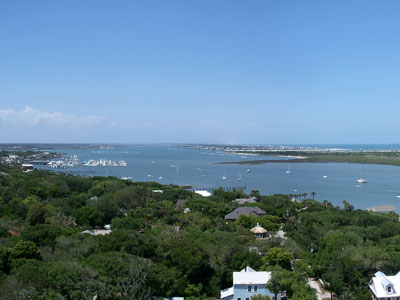
Anastasia State Park
1,600-acre state park featuring a variety of wildlife, birds and plants in a setting of beaches, tidal salt marsh, and marine and upland hammock
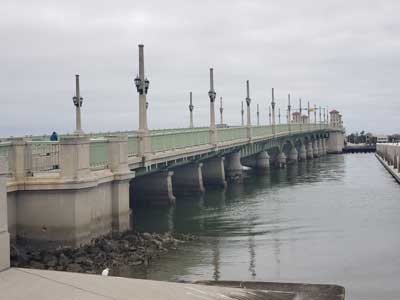
Bridge of Lions
Scenic drawbridge founded in 1927, with 2 white marble lion statues, copies of originals in Italy
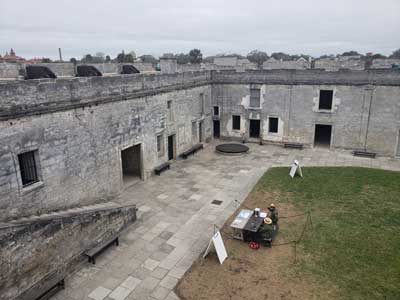
Castillo de San Marcos National Monument
Historic fort offering self-guided tours (from the drawbridge to the gun deck) & Matanzas Bay views
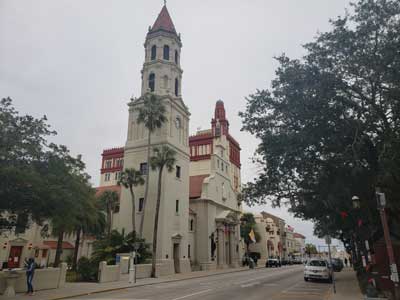
Cathedral Basilica of St. Augustine
Stately, historic, 18th-century cathedral with a grand interior, events, a gift shop & more
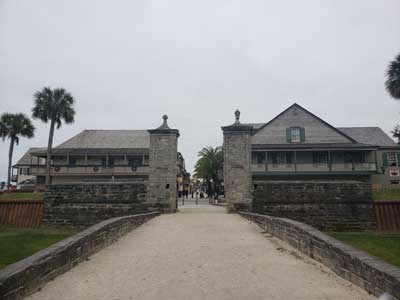
Cubo Line (Old City Gates)
Reconstructed section of an earthen and timber colonial defensive wall that marked the northern boundary of a Spanish settlement and helped protect it from attack.
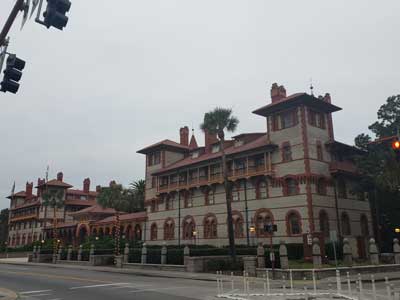
Flagler College
Founded in 1968, the campus comprises 19 acres, the centerpiece of which is the Ponce de León Hotel, built in 1888 as a luxury hotel
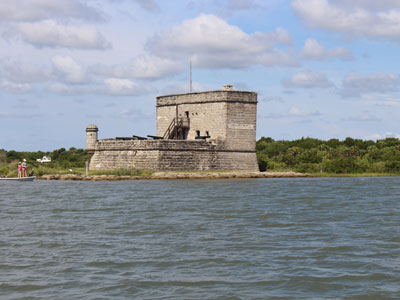
Michael Rivera, CC BY-SA 4.0, via Wikimedia Commons; Image Size Adjusted

Fort Matanzas National Monument
Preserved 18th-century Spanish masonry fort accessible by ferry and surrounded by salt marshes, beaches, nature trails, and coastal habitats.
Michael Rivera, CC BY-SA 4.0, via Wikimedia Commons; Image Size Adjusted
Fort Mose Historic State Park
A reconstructed colonial-era fort and museum preserving the story of the first legally sanctioned free African settlement in what became the United States, surrounded by coastal marshes, boardwalks, and wildlife viewing areas.
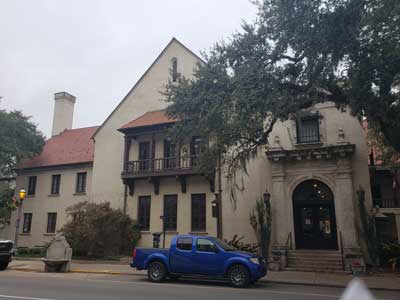
Governor's House
Building served as the governor's official residence from 1710 during the First Spanish Period (1565 -1763), until 1812 in the Second Spanish Period (1784 - 1821)
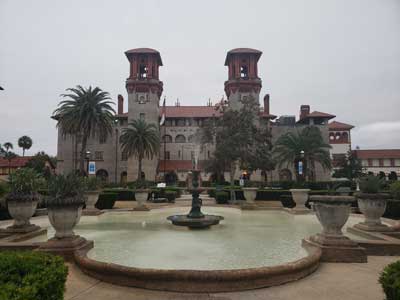
Lightner Museum
1887 Spanish Renaissance Revival style building and museum of antiquities, mostly American Gilded Age pieces, housed within the historic Hotel Alcazar building in downtown St. Augustine
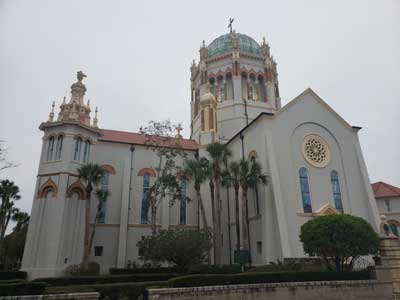
Memorial Presbyterian Church
St. Augustine Presbyterian church built in Venetian Renaissance style with Latin cross-shaped sanctuary inspired by St. Mark's Basilica in Venice
Mission Nombre de Dios Museum
Historic museum and archaeological site preserving the origins of Christianity in what is now the United States through colonial artifacts, sacred spaces, and exhibits interpreting early Spanish settlement.
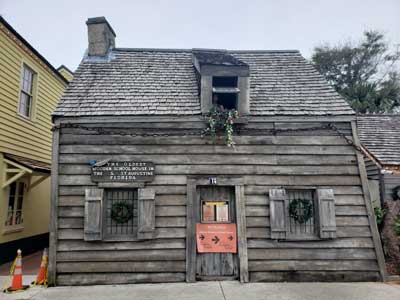
Oldest Wooden School House
Historic cedar-and-cypress building offering a glimpse of school life in Spanish Colonial times
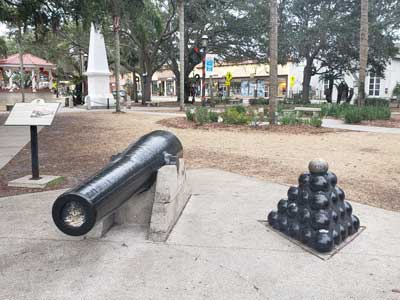
Plaza de la Constitucion
A city gathering place & event venue since 1573, this small park features a pavilion & war memorial
St. Augustine Lighthouse & Maritime Museum
Historic lighthouse and maritime museum featuring panoramic coastal views, preserved keeper quarters, and exhibits that bring centuries of maritime history to life.
Grinnell Point and Swiftcurrent Lake from the Many Glacier Hotel
Jeff P from Berkeley, CA, USA, CC BY 2.0, via Wikimedia Commons; Image Size Adjusted

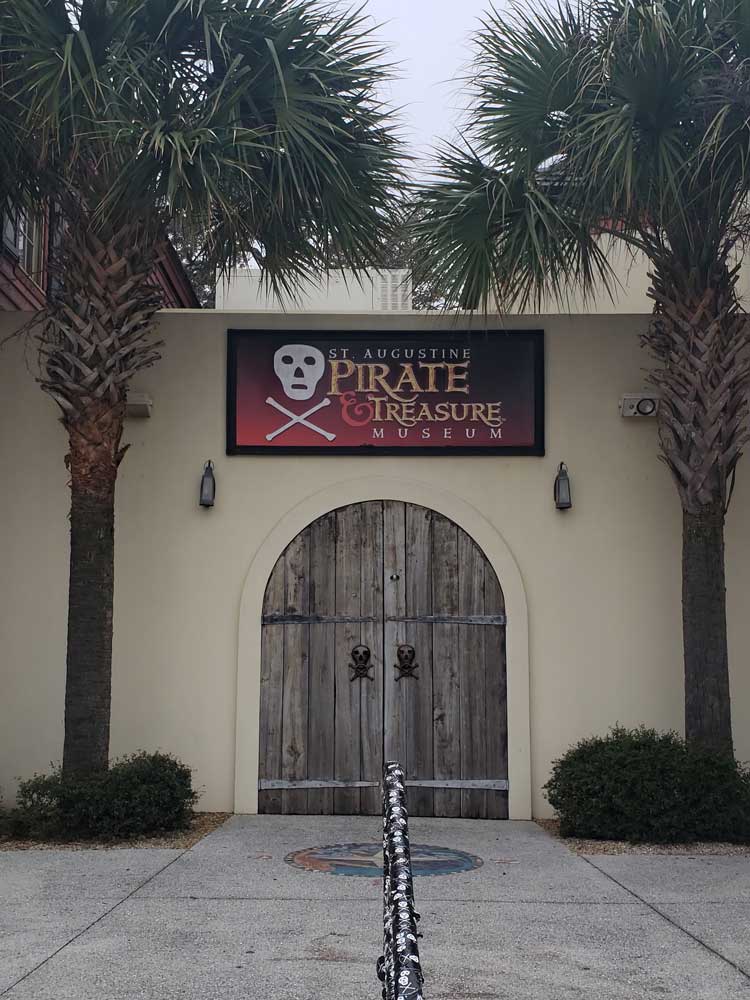
St. Augustine Pirate & Treasure Museum
Interactive history museum displaying one of the world's largest collections of authentic pirate artifacts, treasure relics, and exhibits exploring the Golden Age of Piracy.
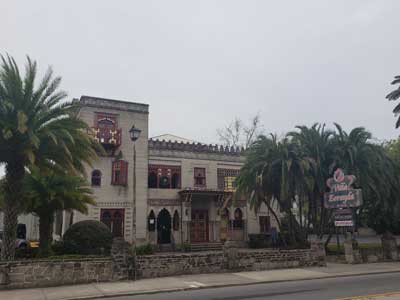
Villa Zorayda
Fantastical 1883 villa inspired by 12th-century Moorish castle Alhambra & showcasing antiques
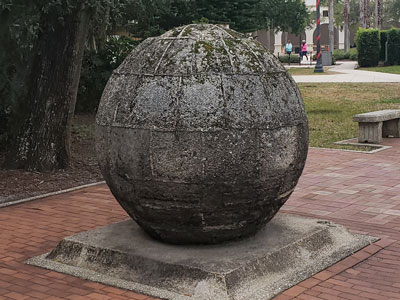
Zero Milestone of the Old Spanish Trail
Large stone marker made of coquina serving as the mile marker zero of the Old Spanish Trail, an auto trail that once spanned the United States
Overview
St. Augustine is the oldest continuously occupied European-established city in the continental United States, founded by the Spanish in 1565 on Florida's northeast Atlantic coast. It is famous for its Spanish colonial architecture, its narrow brick streets, its massive coquina stone fort, the Castillo de San Marcos, and for the Gilded Age grandeur of Henry Flagler's hotels. Today the compact historic district, with its shops, museums, and ghost tours, is one of the most popular destinations in Florida.
Visitors come to St. Augustine to explore the Castillo de San Marcos, to stroll St. George Street and the Plaza de la Constitución, and to see Flagler College in the former Hotel Ponce de León, the Lightner Museum, and the St. Augustine Lighthouse. They also come for the beaches at Anastasia State Park, for the nighttime ghost tours, and for the Nights of Lights holiday celebration from November through January.
History
The Spanish admiral Pedro Menéndez de Avilés founded St. Augustine on September 8, 1565, naming it for the saint on whose feast day he had sighted the coast, and it became the capital of Spanish Florida. The city was attacked by pirates and the English, including Sir Francis Drake in 1586, and the Spanish built the Castillo de San Marcos between 1672 and 1695 as a defense. In 1738, the Spanish established Fort Mose, the first legally sanctioned free Black settlement in what is now the United States. Florida passed to Britain in 1763 and back to Spain in 1783 before becoming a U.S. territory in 1821, and in the 1880s Henry Flagler built the Hotel Ponce de León and a railroad that turned the city into a winter resort.
Sightseeing and Popular Landmarks
The Castillo de San Marcos, built of local coquina stone, is the oldest masonry fort in the continental U.S. and offers cannon firing demonstrations. Flagler College's Ponce de León Hall has ornate Tiffany windows and murals, and the Lightner Museum is housed in the former Hotel Alcazar. The Bridge of Lions, the Cathedral Basilica, Villa Zorayda, the Oldest Wooden School House, and the St. Augustine Lighthouse are other landmarks, and the Mission Nombre de Dios has a large cross marking the site of the first Mass.
Culture and Museums
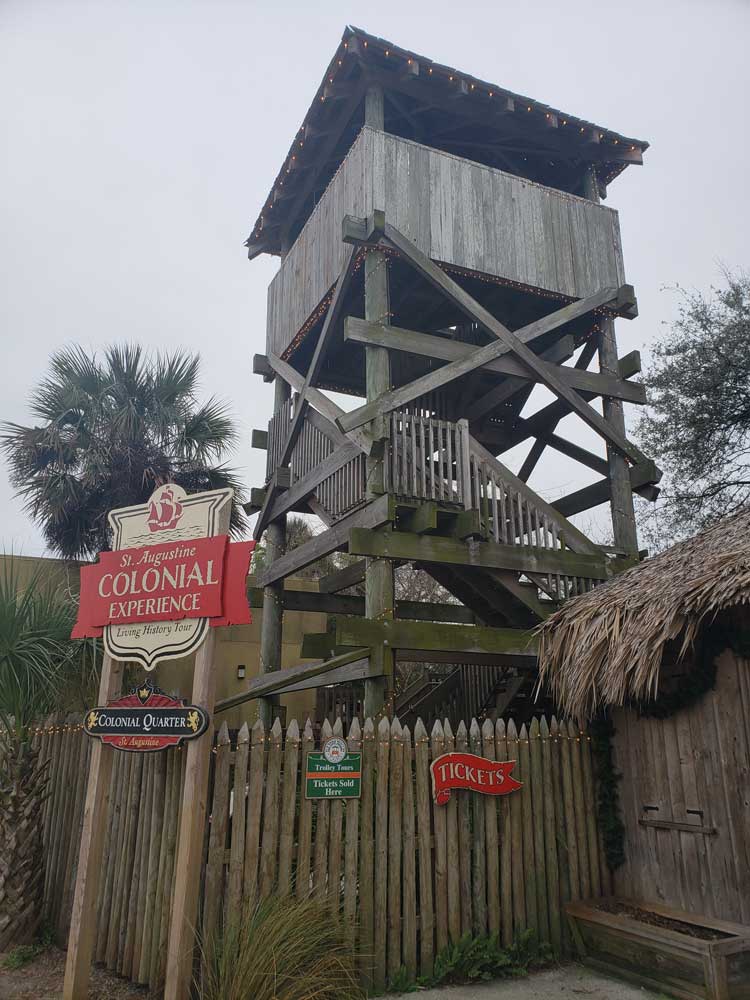
The city has a rich collection of museums. The Lightner Museum has Victorian antiques and glass, and the Fort Mose Historic State Park tells the story of the first free Black settlement. The St. Augustine Pirate & Treasure Museum, the Governor's House, and the Colonial Quarter living history museum cover the city's past. The Fountain of Youth Archaeological Park claims to be the site of Ponce de León's landing, and the city is known for its ghost tours.
Parks
Anastasia State Park has four miles of beach, dunes, and a campground, and Fort Matanzas National Monument is a small Spanish fort on an island south of the city, reached by a free ferry. Fort Mose has a boardwalk through a salt marsh, and Vilano Beach and St. Augustine Beach offer swimming and surfing. The Matanzas River and the Intracoastal Waterway are popular for paddling and boat tours.
Seasons and Weather
St. Augustine has a humid subtropical climate. Summers are hot and humid, with highs in the low 90s°F, and winters are mild, with highs in the 60s°F and rare frost. Spring and fall are the most pleasant seasons, and hurricane season runs from June to November. The Nights of Lights, from mid November to late January, is a popular holiday event.
This article uses material from Wikipedia as well as information from official tourism and institutional sources. Key references include Visit St. Augustine, National Park Service Castillo de San Marcos, Flagler College, Lightner Museum, Florida State Parks, and National Weather Service Jacksonville. Wikipedia material is from the article "St. Augustine, Florida", and is available under the Creative Commons Attribution-Share-Alike License 3.0.