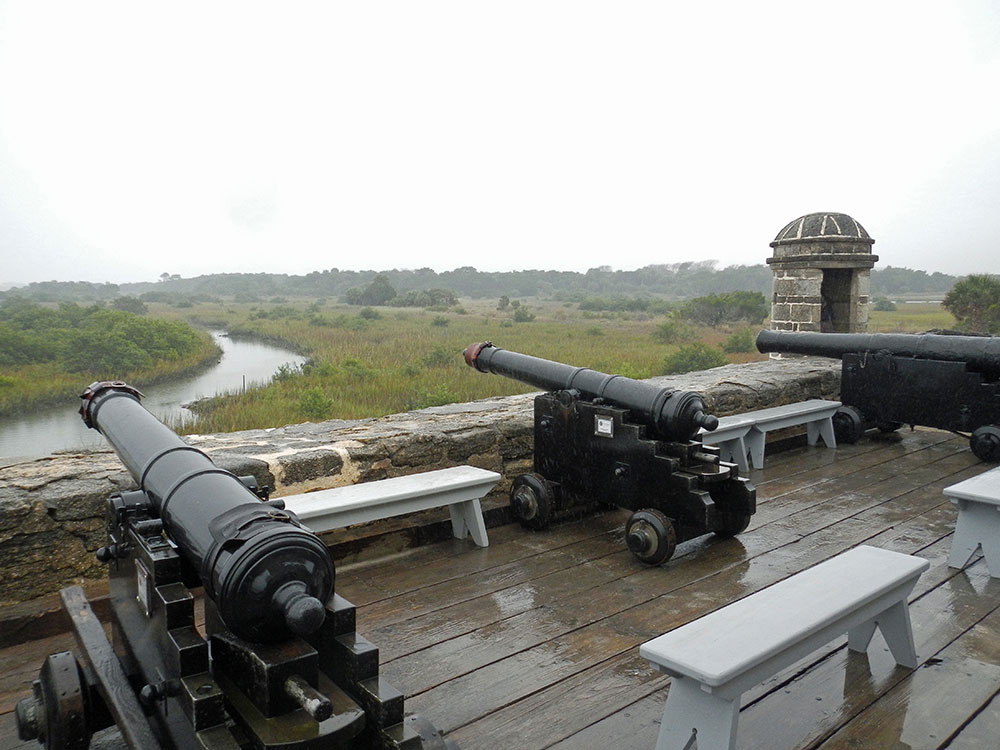
Preserved 18th-century Spanish masonry fort accessible by ferry and surrounded by salt marshes, beaches, nature trails, and coastal habitats.
General Information
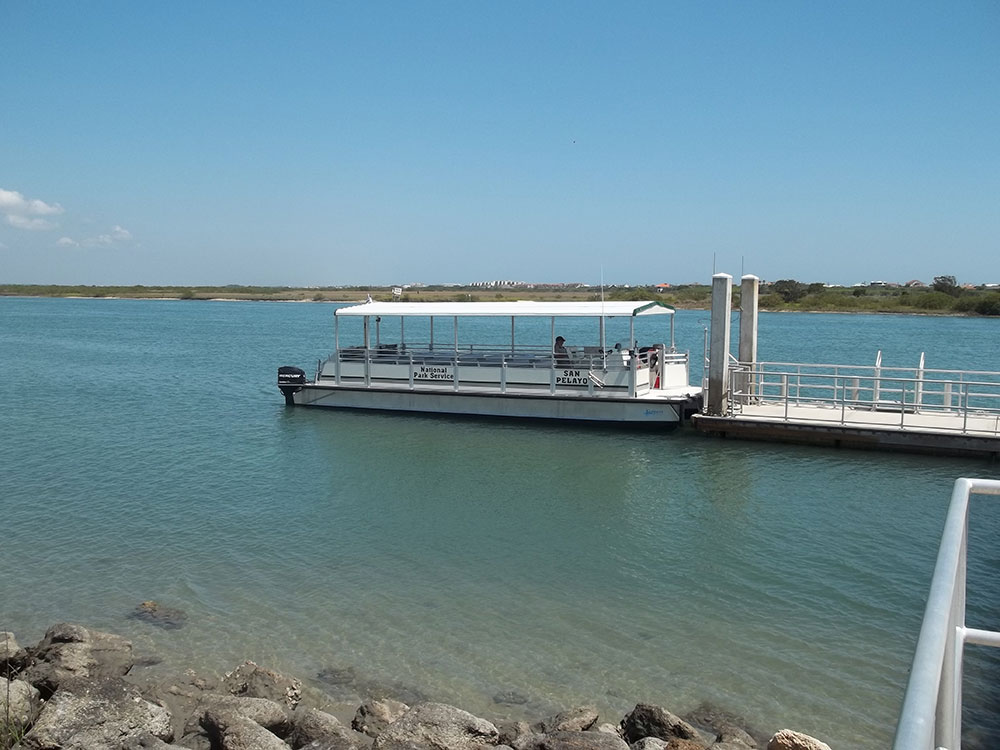
Ferry service to the fort operates on a limited schedule and may be suspended due to weather; no ferry service on Tuesdays and Wednesdays
Free ferry transportation to the fort
How to Get There
From St. Augustine (14 mi): Take A1A South along the coast for approximately 14 miles to the visitor center and ferry landing at Fort Matanzas National Monument.
Overview
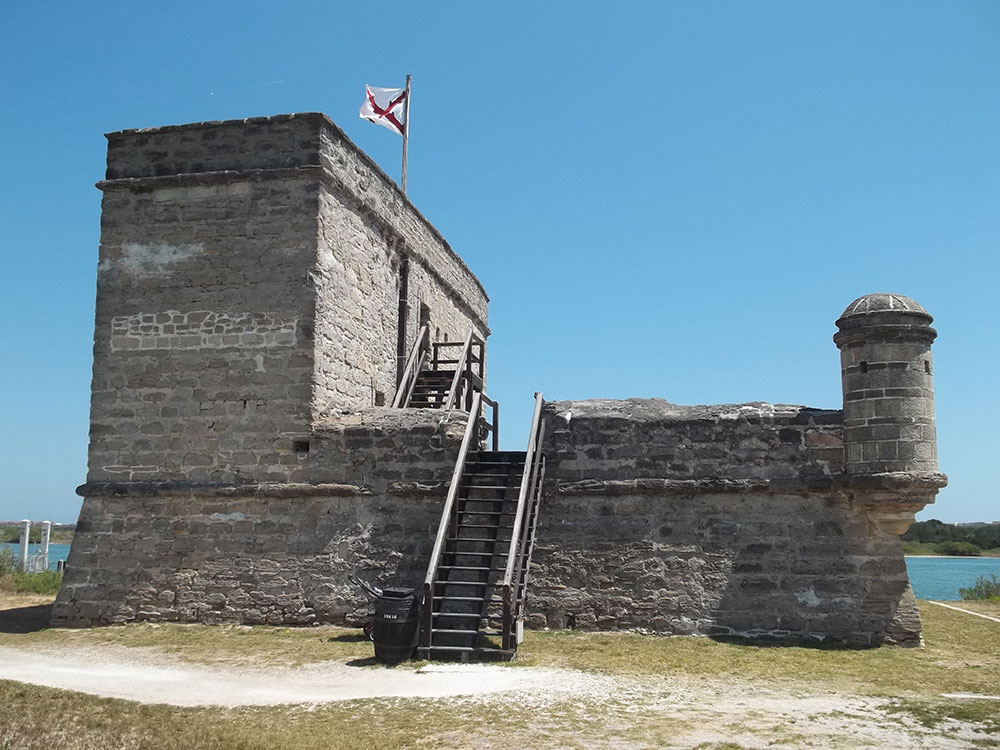
Fort Matanzas National Monument preserves a small 1740s Spanish coquina watchtower and about 100 acres of salt marsh and barrier islands on the Matanzas River, south of St. Augustine. A free five-minute ferry from the visitor center on Anastasia Island takes you across the inlet to the fort, which the National Park Service runs with Castillo de San Marcos. It was designated a national monument in 1924.
Spain built the fort (1740-1742) to guard the inlet, which offered a back door to St. Augustine, after British Governor James Oglethorpe used it to blockade the city in 1740. It fired on an enemy only once, and fell into ruin after Spain left Florida. The inlet is named for the 1565 matanzas (slaughters), when Spaniards killed Jean Ribault and his Huguenot French band, the last Fort Caroline colonists.
Visiting
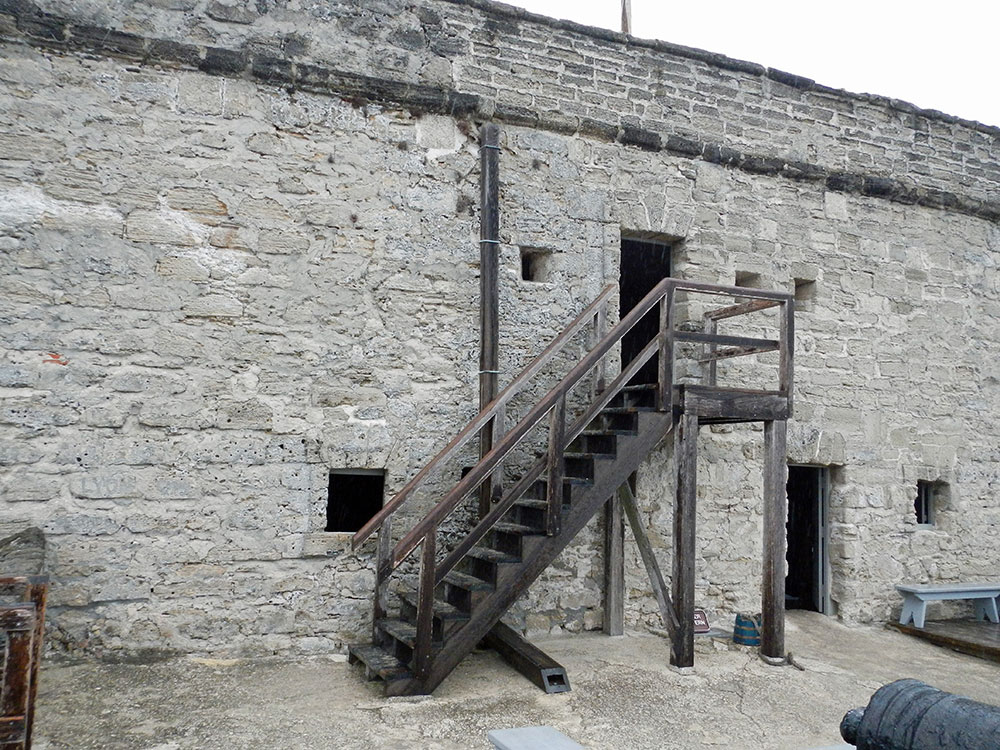
- Ferry to the fort: a short ride from the visitor center to Rattlesnake Island, then a ranger-led walk through the tower
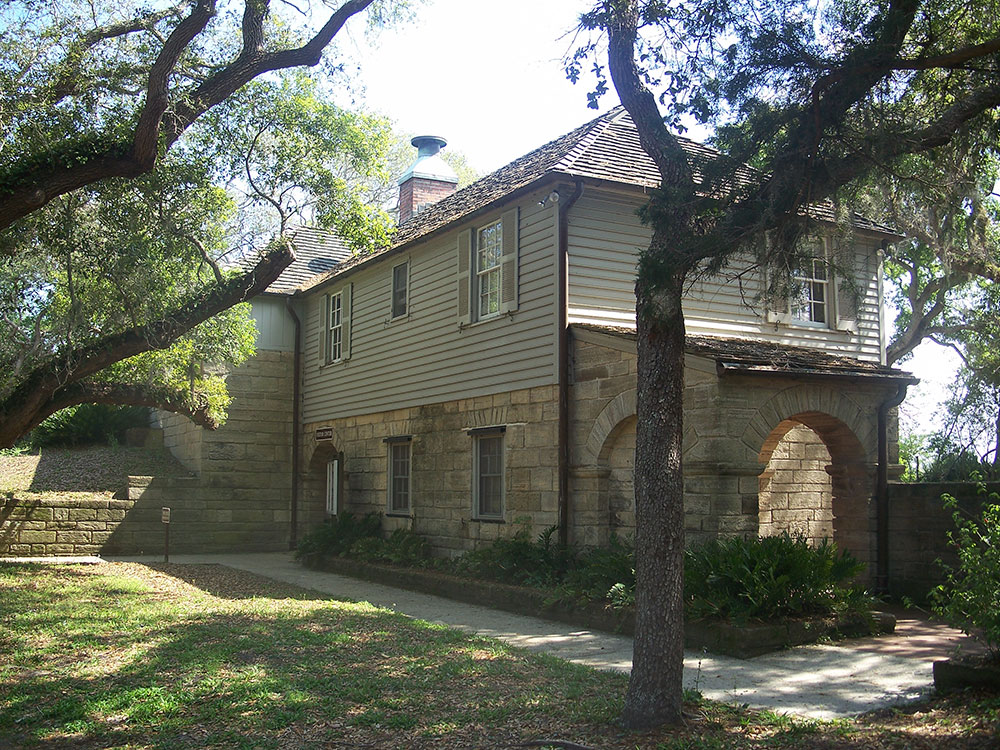
- Visitor center: a 1936 National Park Service Rustic building (National Register of Historic Places, 2008) with a small museum
- Trails: nature trails through coastal hammock and salt marsh near the visitor center
This article uses material from the Wikipedia article "Fort Matanzas National Monument", which is released under the Creative Commons Attribution-Share-Alike License 3.0