
Delaware Travel Guide
Relax on Delaware's sandy beaches, explore historic Wilmington, and enjoy tax-free shopping in America's charming, easy-to-explore First State.
Places to See in Delaware
WilmingtonRating:
Delaware’s largest city features a revitalized riverfront, historic architecture, cultural attractions, public parks, and a vibrant mix of business, dining, and arts districts.
DoverRating:
Rapidly growing metropolitan center shaped by state government, higher education, and a diverse economy spanning technology, research, and cultural institutions.
First State National Historic ParkRating:
Park covering the early colonial history of Delaware and the role Delaware played in the establishment of the nation, leading up to it being the first state to ratify the U.S. Constitution.
P. Hughes, CC BY-SA 4.0, via Wikimedia Commons; Image Size Adjusted

Atlantic Coast
- Bethany BeachRating:
- Bowers BeachRating:
- Cape Henlopen State ParkRating:
- Delaware Seashore State ParkRating:
- Dewey BeachRating:
- Fenwick IslandRating:
- Fort Delaware State ParkRating:
- LewesRating:
- Rehoboth BeachRating:
Dough4872, CC BY-SA 4.0, via Wikimedia Commons; Image Size Adjusted

Landmarks and Landscapes
- Ebright AzimuthRating:
- John Dickinson PlantationRating:
- Winterthur Museum, Garden and LibraryRating:
Overview
Delaware, "The First State," is the second-smallest state by area, with about a million people, and was the first to ratify the U.S. Constitution on December 7, 1787. Dover is the capital, Wilmington is the largest city, and the state is named for Thomas West, Lord De La Warr, an early governor of Virginia.
Visitors come for the Atlantic beaches of Rehoboth Beach, Dewey Beach, Bethany Beach, and Fenwick Island, with boardwalks, outlet shopping, and no sales tax. Others come for the historic Lewes, the du Pont gardens and mansions of the Brandywine Valley, such as Winterthur, and the state's history museums and wildlife areas.
Geography
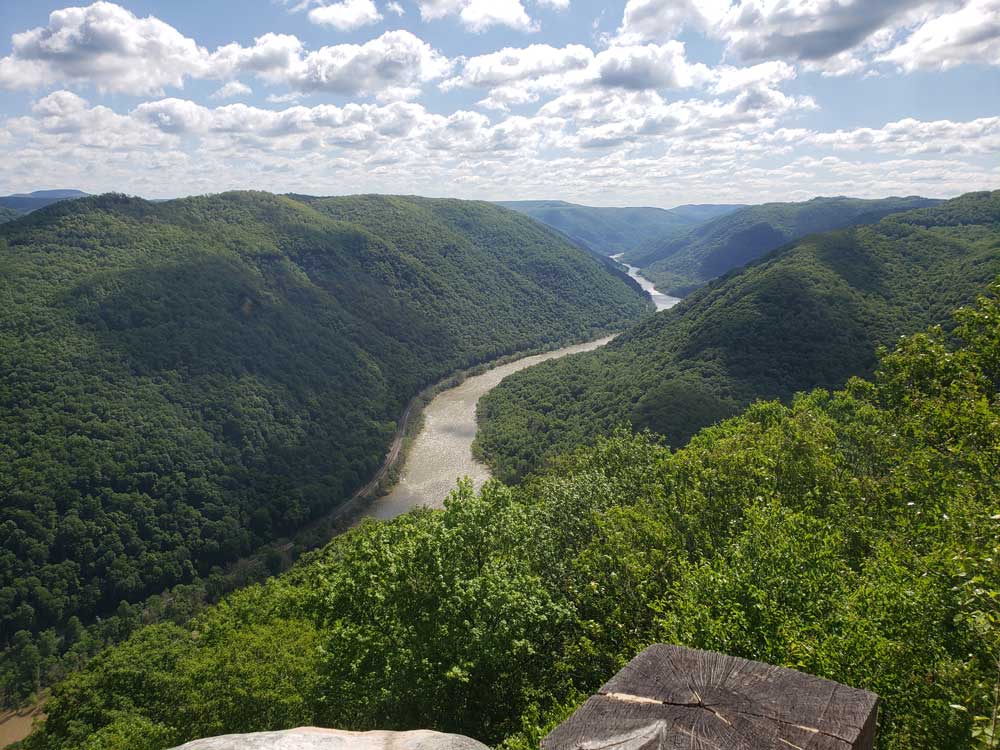
Delaware occupies the Delmarva Peninsula between the Delaware River and Bay and the Atlantic Ocean. The state is low and flat, with the Piedmont in the far north and the Atlantic Coastal Plain covering the rest, and it has the lowest mean elevation of any state. The high point, the Ebright Azimuth, is only 448 feet (137 m). Salt marshes, bays, and barrier beaches line the coast, and the state is only about 96 miles long.
History
The Lenape and Nanticoke peoples lived in the region when Dutch settlers founded a short-lived colony at Zwaanendael, near Lewes, in 1631. Swedes built Fort Christina at Wilmington in 1638, and the English took control in 1664. Delaware was part of Pennsylvania until 1776, and on December 7, 1787, it became the first state to ratify the Constitution. Pierre S. du Pont's gunpowder mills along the Brandywine grew into the DuPont Company, and Delaware became a center of chemical industry and corporate law.
Delaware Beaches
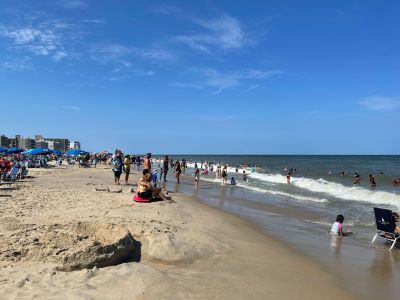
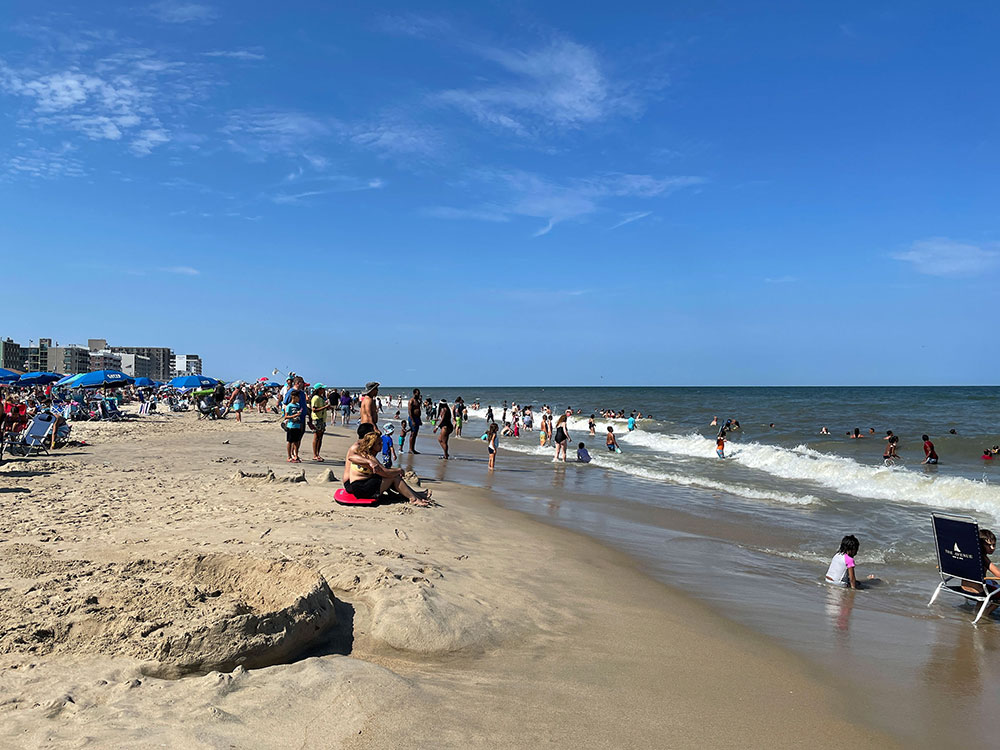
Delaware's Atlantic coast has about 25 miles of public beaches, and the shoreline is the state's busiest tourist destination, especially for visitors from Washington, Baltimore, and Philadelphia. Rehoboth Beach is the best known, with a wide boardwalk, Dolle's saltwater taffy, Funland amusement rides, and a lively restaurant scene, and it is nicknamed "The Nation's Summer Capital." Dewey Beach is a smaller, livelier beach town, while Bethany Beach and Fenwick Island are quieter and family friendly, with the 1859 Fenwick Island Lighthouse. The historic town of Lewes, the "First Town in the First State," has a ferry to Cape May, New Jersey, and the beaches, dunes, and World War II towers of Cape Henlopen State Park. Delaware Seashore State Park and Fenwick Island State Park protect miles of barrier beach between the ocean and the bays, and Bowers Beach on the Delaware Bay is a quiet fishing village. Delaware has no sales tax, which makes the beach outlets popular, and summer weekends are very busy.
First State National Historical Park
First State National Historical Park is Delaware's only National Park Service site, and it tells the story of the state's role as the first to ratify the U.S. Constitution on December 7, 1787. Established as a national monument in 2013 and redesignated as a national historical park in 2014, it protects sites in three counties, from Wilmington to Lewes, that illustrate the colony's Dutch, Swedish, English, and American history. In Dover, the historic Green was the site of the 1787 ratifying convention and still anchors the state capital, near the John Dickinson Plantation, the boyhood home of the "Penman of the Revolution." In New Castle, the Old New Castle Court House served as Delaware's first capitol and the New Castle Green is one of the best-preserved colonial town squares, and in Lewes, the Ryves Holt House is among the oldest buildings in the state. The Fort Christina and Old Swedes sites in Wilmington and the Beaver Valley area of the Brandywine are also part of the park.
Wilmington
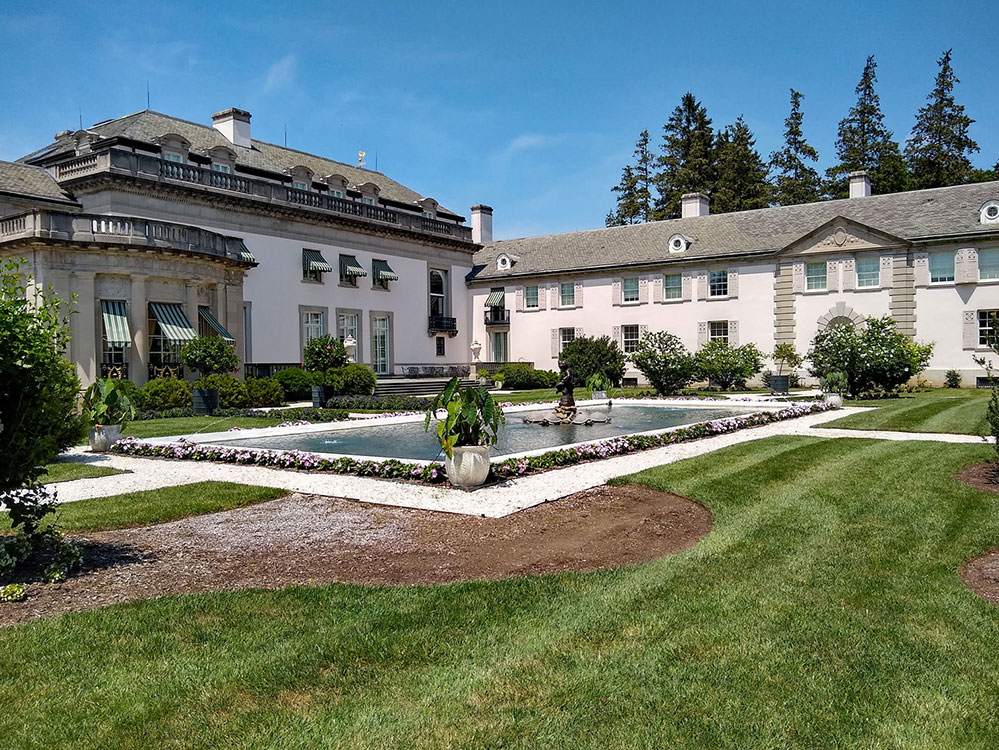
Wilmington is Delaware's largest city and the center of the state's business world, where the Christina and Brandywine Rivers meet. It is closely tied to the du Pont family, who founded the DuPont chemical company in 1802 on the Brandywine, and the Hagley Museum preserves the original gunpowder mills and the first du Pont home. The Nemours Estate, a 102-room French-style mansion with formal gardens, and nearby Winterthur, a museum of American decorative arts in a 1,000-acre garden, are among the area's top attractions. In the city, the Delaware Art Museum has one of the best collections of Pre-Raphaelite art outside Britain, the Wilmington Riverfront has restaurants and trails, and Brandywine Park has a zoo and gardens. Delaware's business-friendly laws mean that more than a million companies are incorporated in the state, many with addresses in Wilmington, and the city is the longtime home of former President Joe Biden.
National Protected Areas
First State National Historical Park is Delaware's only national park site, and it protects historic sites in Dover, New Castle, Wilmington, and Lewes, including the Dover Green, the New Castle Court House, and Fort Christina. The Delaware National Estuarine Research Reserve and Prime Hook and Bombay Hook National Wildlife Refuges protect marshes and migratory bird habitat, and the Delaware Bay is a vital stopover for shorebirds.
State Parks and Historic Sites
Delaware's state parks are among its most popular attractions. Cape Henlopen has beaches, dunes, and World War II towers, Delaware Seashore is a barrier island, and Fort Delaware is a Civil War fort on Pea Patch Island. Brandywine Creek and Bellevue State Parks and Trap Pond State Park, with its bald cypress swamp, are inland favorites. Historic sites include the John Dickinson Plantation, and the Zwaanendael Museum in Lewes.
Seasons and When to Visit
Summer is the peak season for the beaches, with warm water, boardwalk fun, and crowds from Memorial Day to Labor Day. Fall is quieter and pleasant for biking and bird watching, with the Delaware Bay shorebird migration in May and spring wildflowers at Winterthur. Winter is cold and quiet, though the beaches are good for walks and holiday events, and nor'easters can cause coastal flooding.
This article uses material from the Wikipedia article "Delaware", which is released under the Creative Commons Attribution-Share-Alike License 3.0. Additional information was drawn from National Park Service, Delaware State Parks, and Visit Delaware.