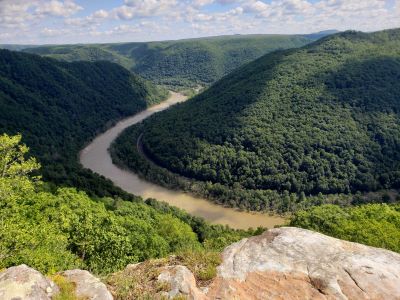
West Virginia Travel Guide
Whitewater raft the New River Gorge, hike the Appalachian Mountains, and explore small towns amid West Virginia's rugged, scenic hills.
West Virginia Map
Places to See in West Virginia
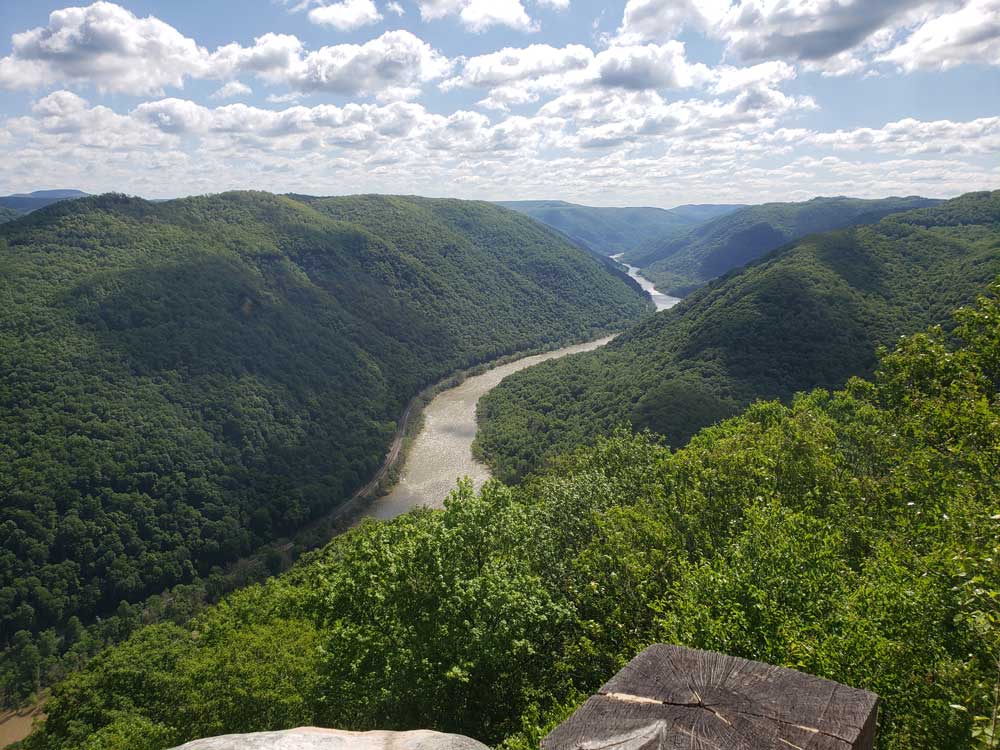
New River Gorge National ParkRating:
The newest National Park, the 70,000-acre park offering hiking, rock climbing, rafting on a whitewater river & other activities and an Iconic steel arch bridge, one of the longest & highest in the world, spanning the river
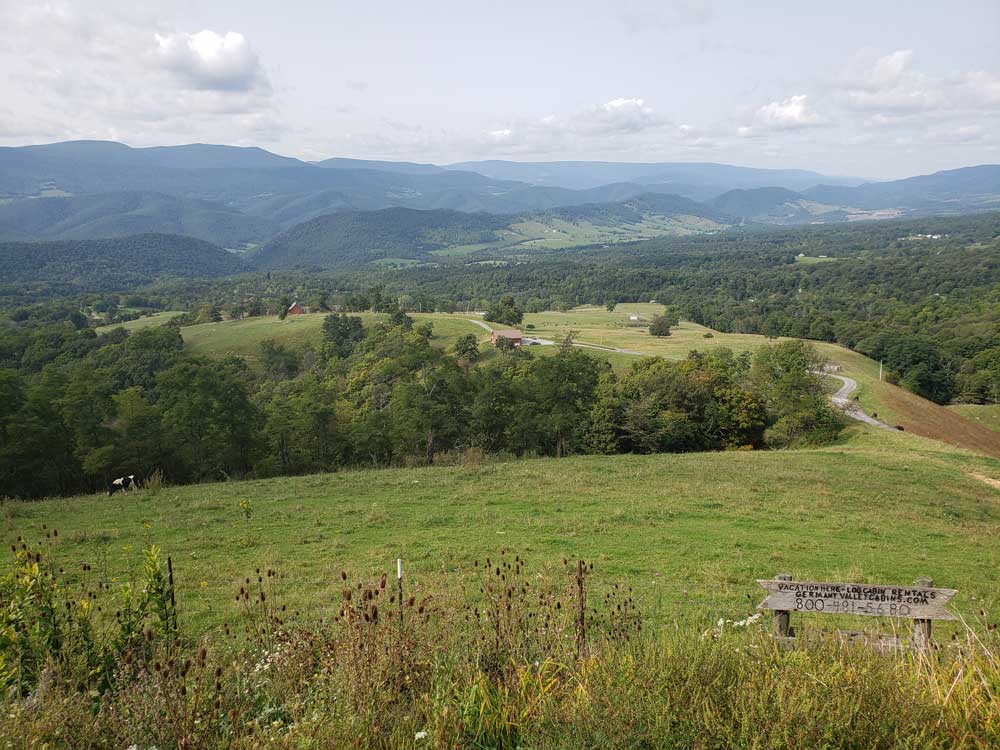
CharlestonRating:
Capital city known for its gold-domed capitol, riverfront parks, vibrant arts scene, and blend of Appalachian heritage with modern culture.

Vicksburg National Military Park
National Protected Areas
- Gauley River National Recreation AreaRating:
- Harpers FerryRating:
- Seneca RocksRating:
- Spruce KnobRating:
Vicksburg National Military Park
Landmarks and Landscapes
- Bear Rocks PreserveRating:
- Cathedral FallsRating:
- German ValleyRating:
- The GreenbrierRating:
- Heritage Farm Museum and VillageRating:
- J.Q. Dickinson Salt-WorksRating:
- Nelson RocksRating:
- West Virginia PenitentiaryRating:
- Wheeling Suspension BridgeRating:
Vicksburg National Military Park
State Parks
- Blackwater FallsRating:
- Coopers Rock State ForestRating:
- Glade Creek Grist MillRating:
- Valley FallsRating:
Overview
West Virginia is an Appalachian state of about 1.8 million people, known for mountains, rivers, and a history of coal mining. Charleston is the capital and largest city, and the state is nicknamed the "Mountain State." It is the only state entirely within the Appalachian region.
Visitors come for whitewater rafting on the New and Gauley Rivers, rock climbing at Seneca Rocks and Nelson Rocks, and hiking and skiing in the high mountains. Others come for the engineering of the New River Gorge Bridge, the history of Harpers Ferry, the spas of The Greenbrier, and fall foliage.
Geography
West Virginia is mountainous, with the Allegheny Plateau in the west and the Ridge-and-Valley region in the east. Spruce Knob, at 4,863 feet (1,482 m), is the highest point. The New River, one of the oldest rivers in the world, has cut a deep gorge, and the state has high plateaus such as the Dolly Sods and Canaan Valley. Forests cover most of the state, and the Potomac and Shenandoah Rivers meet at Harpers Ferry.
History
Shawnee, Cherokee, and other peoples hunted in the region before European settlers arrived in the 1700s. West Virginia was part of Virginia until the Civil War, when western counties refused to secede and formed a new state, which joined the Union in 1863 as the 35th state. Coal, timber, and steel built the economy, and the Mine Wars of the early 20th century were among the most violent labor conflicts in American history. John Brown's raid on Harpers Ferry in 1859 helped set off the Civil War.
Appalachian Mountains in West Virginia
West Virginia lies entirely within the Appalachian Mountains and has the highest average elevation of any state east of the Mississippi River. The Allegheny Mountains in the east hold the state's wildest country, with high plateaus, spruce forests, and open meadows, including Spruce Knob, at 4,863 feet the highest point in the state, and the Monongahela National Forest. Dramatic features include Seneca Rocks, a 900-foot sandstone fin popular with climbers, Nelson Rocks, the boulder fields and wind-sculpted pines of Bear Rocks near Dolly Sods, and Blackwater Falls, a 57-foot cascade in a tea-colored river. Mountain towns such as Davis, Elkins, and Lewisburg offer small-town character, and the region is a draw for skiing at Snowshoe and Canaan Valley, mountain biking, and trail running. The Allegheny Highlands also have some of the darkest night skies in the East, and the Green Bank Observatory is a quiet zone for radio astronomy.
New River Gorge National Park and Preserve
New River Gorge National Park and Preserve in southern West Virginia was redesignated as the country's 63rd national park in December 2020, and it protects a 53-mile stretch of the New River, which is one of the oldest rivers in North America. The steep, forested canyon is more than 1,000 feet deep, and the park offers some of the best whitewater rafting in the East on the nearby Gauley River, as well as rock climbing at the Endless Wall, hiking, and mountain biking. The New River Gorge Bridge, 876 feet above the river, is the longest steel single-span arch bridge in the Western Hemisphere, and visitors can take the Bridge Walk on a catwalk below the roadway. Bridge Day, held on the third Saturday in October, allows BASE jumpers to leap from the span. The Grandview overlook, Sandstone Falls, and the abandoned coal towns along the Kaymoor Miners Trail reveal the area's mining heritage.
National Protected Areas
West Virginia's national park sites include New River Gorge National Park and Preserve, the newest national park, created in 2020. Gauley River National Recreation Area has some of the best whitewater in the East, and Bluestone National Scenic River protects an Appalachian river canyon. Harpers Ferry National Historical Park preserves a Civil War town at the meeting of two rivers, and the Appalachian National Scenic Trail and Chesapeake and Ohio Canal National Historical Park also pass through.
State Parks and Historic Sites
West Virginia's state parks are known for their natural beauty. Blackwater Falls has a 57-foot waterfall, Coopers Rock has gorge views, and Valley Falls is known for its cascades. Babcock State Park contains the Glade Creek Grist Mill, one of the state's most photographed sites. Bear Rocks Preserve and the Wheeling Suspension Bridge are scenic and historic highlights.
Seasons and When to Visit
Fall is the most popular season, with brilliant foliage from late September to October, and Bridge Day at the New River Gorge in October lets people legally BASE jump. Summer is warm and great for rafting, with the Gauley River season running from September to October because of dam releases. Winter brings snow and skiing at Snowshoe and Canaan Valley, and spring has waterfalls and wildflowers. Mountain roads can be closed by snow.
Top Attractions
- New River Gorge National Park and Preserve: the 1,000-foot-deep gorge, the New River Gorge Bridge, and world-class whitewater
- Harpers Ferry National Historical Park: a historic town at the meeting of the Potomac and Shenandoah rivers, site of John Brown's 1859 raid, and near the midpoint of the Appalachian Trail
- Seneca Rocks and Spruce Knob: premier rock climbing and the state's highest point (4,863 feet) in Monongahela National Forest
- Canaan Valley: winter sports and Dolly Sods and Blackwater Falls nearby
- The Greenbrier: a historic resort dating to 1778 that has hosted many presidents
Other Protected Areas
- Appalachian National Scenic Trail
- Bluestone National Scenic River
- Canaan Valley National Wildlife Refuge
- Chesapeake and Ohio Canal National Historical Park
- Gauley River National Recreation Area
- Ohio River Islands National Wildlife Refuge
This article uses material from the Wikipedia article "West_Virginia", which is released under the Creative Commons Attribution-Share-Alike License 3.0. Additional information was drawn from National Park Service, West Virginia State Parks, and West Virginia Tourism.