First auto route in Rocky Mountain National Park offering access to the park's high country.
General Information
- Length:
- 10.5 miles point to point
- Elevation Gain:
- 3280 feet
- Pet Policy:
- Pets not allowed on trails
- Closest cities with hotels:
- Estes Park
- Seasons:
- The lower elevations are always accessible, while Trail Ridge Road is open only between May and October. Trails are snow-free for varying durations; the highest routes just for 3 or 4 months in summer
- Location:
- Old Fall River Road, CO
- Website:
- nps.gov
From Estes Park (5 mi): Take US-34 W to the Fall River entrance and continue to Endovalley, where the one-way uphill Old Fall River Road climbs to Fall River Pass; the gravel road is typically open July through September.
Overview
Opened in 1920, Old Fall River Road earned the distinction of being the first auto route in Rocky Mountain National Park offering access to the park's high country. In the minds of many park visitors, the relatively subtle old route remains foremost. Unlike Trail Ridge Road, which is well known for being the highest continuous paved road in the nation, the Old Fall River Road is a much more "motor nature trail."
Primarily gravel, one-way uphill and punctuated by switchbacks, slower-paced, 11-mile-long. The old road quietly leads travelers from Horseshoe Park (a short distance west of the Fall River Entrance) through the park's wilderness to Fall River Pass, 11,796 feet above sea level. The journey to the alpine world at the top of Old Fall River Road is relaxing. The experience is one to be savored.
The Old Fall River Road, sometimes referred to as "The Old Road" by park staff in Rocky Mountain National Park, was the first vehicle road to penetrate the interior of the park. The road linked the east side of the park near Estes Park with Grand Lake on the west side. Work began in 1913 but was interrupted in 1914 by World War I with final work being completed between 1918 and 1920.
The narrow road was partly replaced by Trail Ridge Road in 1932, which incorporated sections of the Fall River Road. The road runs westward from Sheep Lakes to the Alpine Visitor Center. A rockslide closed the road in 1953 and it was not re-opened until 1968 when the National Park Service cleared the rocks and paved the lower third of the route. Both the one-way Old Fall River Road and the paved Trail Ridge Road are maintained and open to motor vehicles from Memorial Day weekend through the first major autumn snowstorm. Both roads are also open to bicycles from April 1 through November 30, but are not patrolled in the pre- and post-season times.
The posted speed limit is 15 miles per hour, a clear indication that a journey up Old Fall River Road is not for the impatient. There are no guard rails along this road. The road itself is safe, but narrow and curved. In places, the trees of the montane and subalpine forests are so close that motorists can touch them. Old Fall River Road is ideal for visitors seeking to become intimate with nature.
The road follows a route traveled long ago by Indian hunters, who came to the park area in search of its abundant game. Early in the trip, travelers pass the alluvial fan scoured out by the 1982 Lawn Lake Flood and the site of a labor camp that housed state convicts who worked on the road project. For these men, crime did not pay. The laborers were forced to build the three-mile stretch of road to the scenic respite of Chasm Falls with no more than hand tools at their disposal.
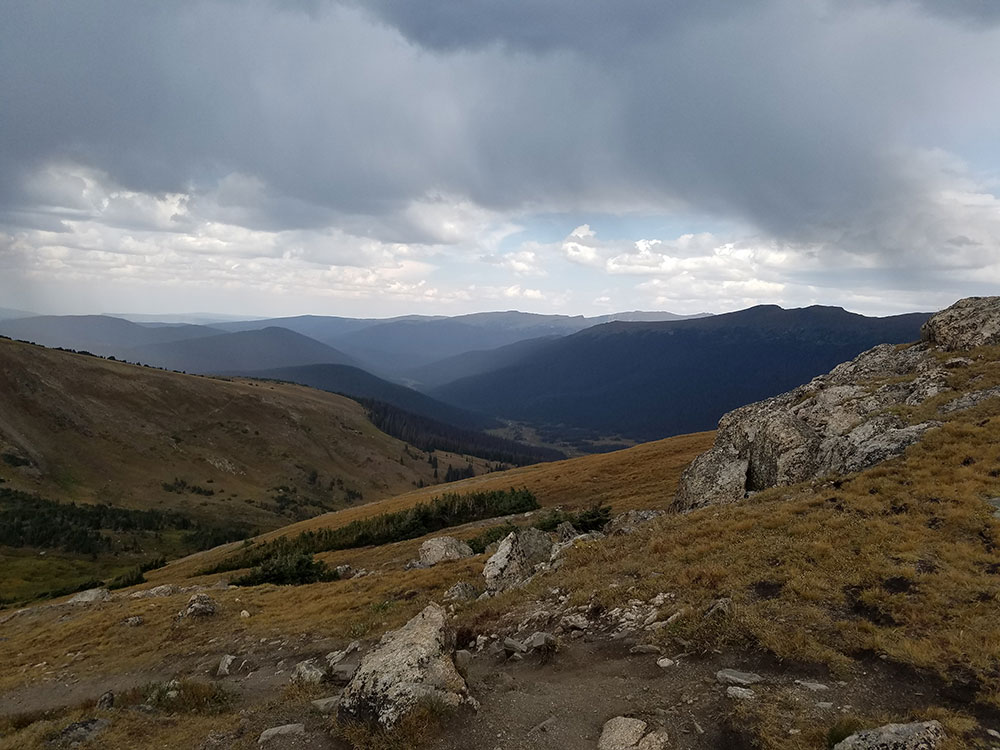
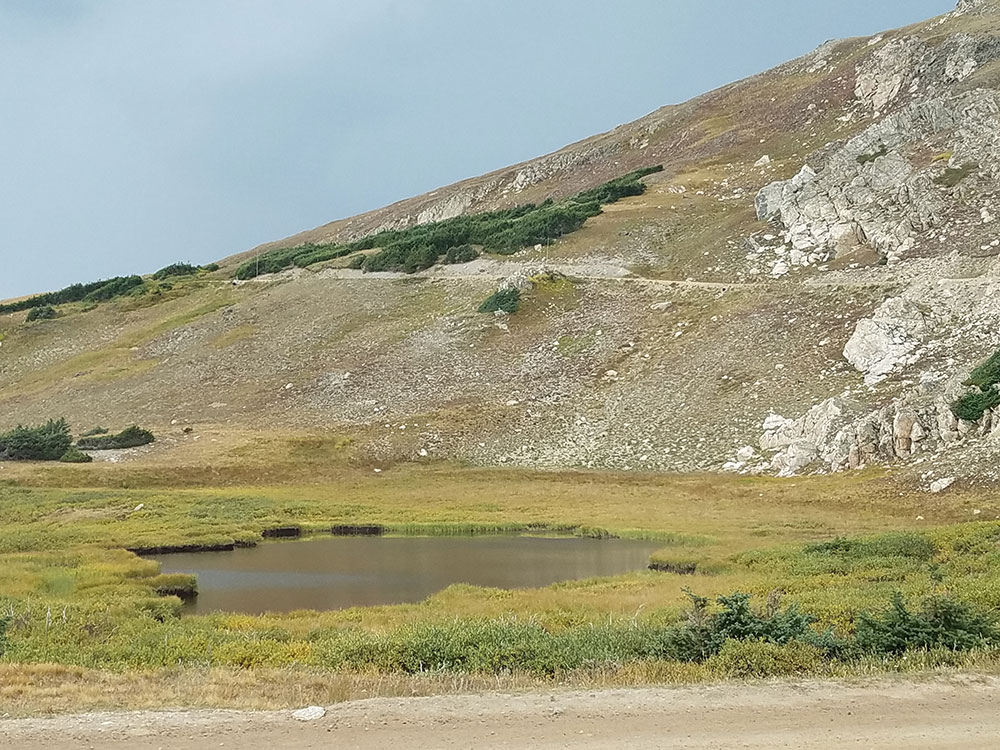
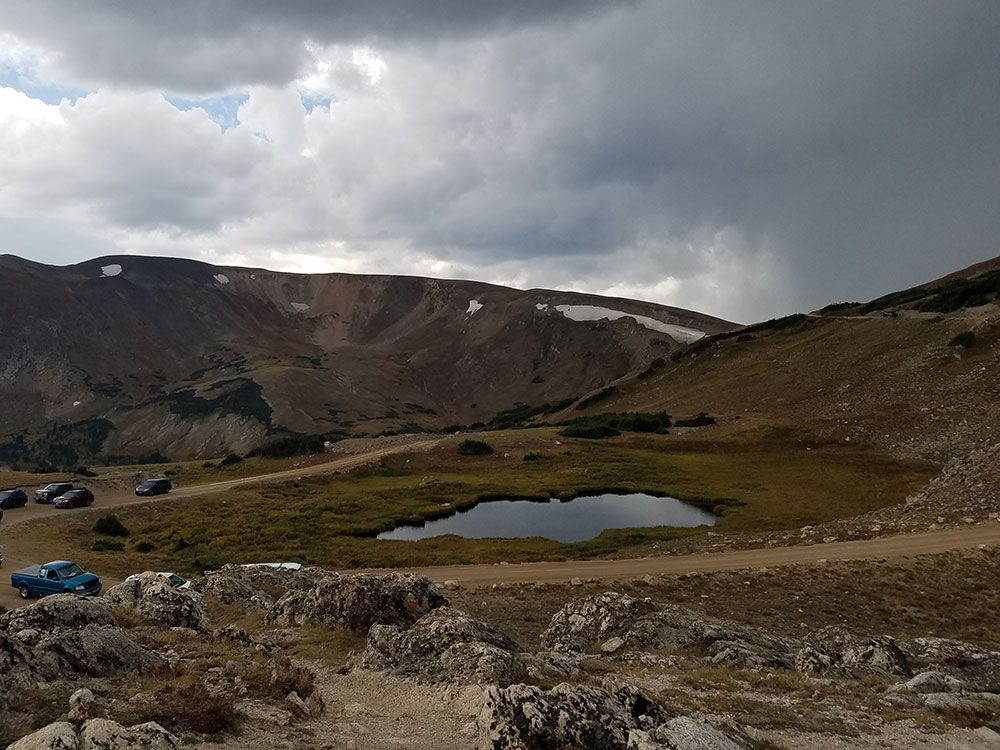
After passing Willow Park, where elk often are seen feeding on the foliage, the road enters the alpine tundra. Awaiting there is the Fall River Cirque, birthplace of glaciers that once worked their way up and down the mountain valleys. The road traverses the headwall of this amphitheater-like formation before joining Trail Ridge Road near the Alpine Visitor Center at Fall River Pass.
Ahead lie the wonders of Trail Ridge Road, which leads travelers east to Estes Park or southwest to Grand Lake. Behind is Old Fall River Road, that winding old route that offers travelers a taste of auto travel in days gone by and a look at Rocky Mountain's nature close-up.
History
Construction of Fall River Road began in 1913, partly with convict labor, and the road opened to Fall River Pass in 1920 as the first route for cars into the park's high country. After Trail Ridge Road opened in 1932, the old road was converted into a one-way scenic drive.
Things to Do
Drive the Road
The road is one-way uphill and usually open from July to October.
Stop at Chasm Falls
Chasm Falls is a short walk from the road.
End at the Alpine Visitor Center
The road ends at the visitor center.
Check Vehicle Limits
Trailers and long vehicles are not allowed.
This article uses material from the Wikipedia article "Fall River Road", which is released under the Creative Commons Attribution-Share-Alike License 3.0. Additional material comes from nps.gov "Rocky Mountain National Park".