Sequoia National Park Travel Guide
Known for its giant sequoia trees, including the General Sherman tree, the largest tree on Earth by volume, the Giant Forest, which contains five of the ten largest trees in the world, and the highest point in the contiguous United States, Mount Whitney.
General Information
- Hours:
-
Open 24 hours a day, year-round
Foothills Visitor Center: Open year-round
Giant Forest Museum: Open year-round
Lodgepole Visitor Center: Spring through fall; closed in winter
Mineral King Ranger Station: Summer only
Hours vary by season; check nps.gov for current hours - Fees:
-
Vehicle Pass - $35.00
This pass is valid for 1-7 days and includes everyone traveling in a single vehicle for Sequoia & Kings Canyon National Parks and Hume Lake District of Sequoia National Forest/Giant Sequoia National Monument.
Accepts America The Beautiful Pass
Non-U.S. residents age 16 and older pay an additional $100 per person (or may buy the $250 nonresident America the Beautiful Pass). - Pet Policy:
- Pets not allowed on trails
- Closest cities with hotels:
- Three Rivers, just outside the Ash Mountain (south) Entrance
- Seasons:
- The Generals Highway is open all year, though tire chains may be required in winter and some sequoia trails are snow-covered. Mineral King Road is open from late May through October, and the Moro Rock–Crescent Meadow Road is closed to cars in winter.
- Location:
- Sequoia National Park, CA
- Website:
- nps.gov/seki/index.htm
How to Get There
From Fresno: Get on CA-41 S. Follow CA-99 S to CA-198 E in Tulare County. Take exit 97 from CA-99 S. Merge onto CA-198 E.
Overview
Sequoia National Park protects 404,064 acres of the southern Sierra Nevada, east of Visalia. It is famous above all for its giant sequoias, including the General Sherman Tree, the largest tree on Earth by volume. The park's elevation ranges from about 1,300 feet in the oak-covered foothills to 14,505 feet at the summit of Mount Whitney, the highest point in the contiguous United States. In between are vast sequoia groves, granite domes, deep river canyons, subalpine valleys, and a huge high-country wilderness. Sequoia borders Kings Canyon National Park to the north, and the two parks are managed together as Sequoia and Kings Canyon National Parks.
Established on September 25, 1890, Sequoia is the second-oldest national park in the United States and the first created to protect a living organism, the giant sequoia, from logging. The area is the traditional homeland of the Monache (Western Mono) and Yokuts peoples, whose pictographs can still be seen at Hospital Rock. Today, more than a million people visit each year. They come to stand beneath the General Sherman Tree, walk through the Giant Forest, climb the stairs to the top of Moro Rock, tour the marble passages of Crystal Cave, and set out on backpacking trips into the High Sierra.
Park Sections
Sequoia has four main areas. The Foothills, reached through the Ash Mountain Entrance just above the town of Three Rivers on Highway 198, have the Foothills Visitor Center, Hospital Rock, and the Kaweah River. From there, the Generals Highway climbs steeply to the Giant Forest, the heart of the park, home to the General Sherman Tree, the Congress Trail, the Giant Forest Museum, Moro Rock, and Crescent Meadow. Just north, the Lodgepole and Wuksachi area has a visitor center, campground, lodge, and trailheads for Tokopah Falls and the high country. The Generals Highway continues north to Kings Canyon's Grant Grove. In the park's southern corner, Mineral King is a remote subalpine valley reached by a narrow, winding 25-mile road from Three Rivers that takes about 1.5 hours to drive. The rest of the park is roadless wilderness extending east to Mount Whitney, which is usually climbed from Whitney Portal near Lone Pine on the east side of the Sierra.
Sightseeing and Scenic Drives
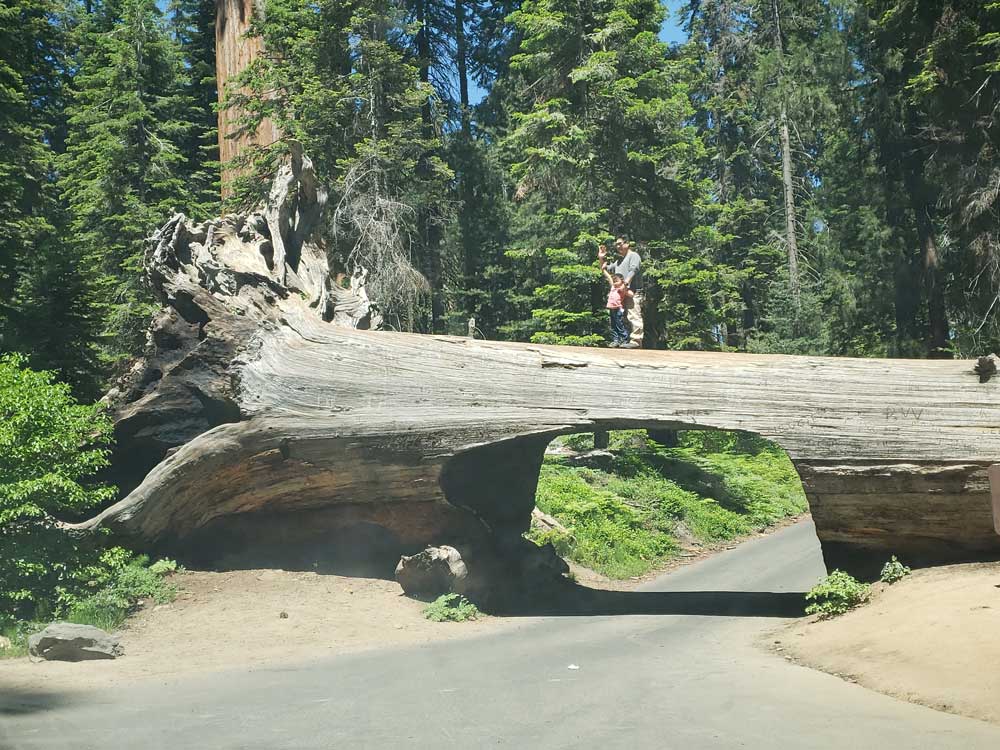
The Generals Highway is the park's main scenic drive. It climbs about 5,000 feet in a series of switchbacks from the Foothills into the sequoia forest. Pull-offs along the way include Hospital Rock, Amphitheater Point, which overlooks the Kaweah River canyon and Moro Rock, and Eleven Range Overlook. Vehicles longer than 22 feet are advised to avoid the steep, curvy section between Potwisha Campground and the Giant Forest Museum. In the Giant Forest, the Moro Rock–Crescent Meadow Road leads to the famous Tunnel Log, a fallen sequoia that cars can drive through, as well as the Parker Group of sequoias, Moro Rock, and Crescent Meadow, which John Muir called the "Gem of the Sierra." Farther north, Beetle Rock near the Giant Forest Museum and the Kings Canyon Overlook offer sunset views over the mountains. The narrow Mineral King Road, with more than 600 curves, leads to a stunning glacier-carved valley.
Hiking
Sequoia has more than 800 miles of trails. Easy walks among the giant trees include the paved trail to the General Sherman Tree (about 1 mile round trip), the Big Trees Trail around Round Meadow (1.3-mile loop), and the walk around Crescent Meadow to Tharp's Log. The Congress Trail (about 3 miles) leads past some of the most impressive sequoia clusters in the park. The short but steep climb up the 350-plus steps of Moro Rock rewards hikers with sweeping views of the Great Western Divide. Moderate favorites include Tokopah Falls (about 4 miles round trip) from Lodgepole, Little Baldy, and Marble Falls in the Foothills. More strenuous hikes include the Lakes Trail to Heather, Emerald, and Pear Lakes, Alta Peak, and the trails to Monarch Lakes and Eagle Lake in Mineral King. Backpackers can follow the High Sierra Trail from Crescent Meadow about 70 miles across the Sierra to Mount Whitney. See the Sequoia trails table for a full list.
Other Activities
Sequoia is home to more than 270 known caves. The most famous is Crystal Cave, a marble cave filled with sparkling formations that is open to the public by guided tour only. Tours are run by the Sequoia Parks Conservancy from late May through fall (May 22 to November 1 in 2026). Tickets must be bought in advance online, as they are not sold at the cave and often sell out. Other activities include backpacking, fishing, and wading in the Kaweah River, although swimming in the river is dangerous when the water runs high and fast, especially in spring and early summer. In winter, the Giant Forest and Wolverton areas are popular for snowshoeing, cross-country skiing, and sledding, and rangers lead snowshoe walks among the snow-covered sequoias. Just outside the park, rafting trips run on the Kaweah River near Three Rivers in spring.
Flora and Wildlife
Sequoia protects some of the largest and oldest living things on Earth. The General Sherman Tree is about 275 feet tall and more than 36 feet wide at its base and is estimated to be around 2,200 years old. The Giant Forest holds about 2,000 giant sequoias, including five of the ten largest trees in the world. Recent severe wildfires, including the 2020 Castle Fire and the 2021 KNP Complex Fire, killed thousands of large sequoias across the Sierra Nevada, but the Giant Forest survived largely intact. The park's huge elevation range also protects blue oak woodlands and chaparral in the foothills, which are lush with wildflowers in spring, as well as subalpine and alpine landscapes in the high country. American black bears are commonly seen in the Giant Forest, around Crescent Meadow, and near Lodgepole, along with mule deer and many birds. In Mineral King, yellow-bellied marmots are known for chewing on car hoses and wiring in late spring and early summer, so visitors often wrap their cars in tarps. Visitors must store food in bear-proof lockers.
Access
Sequoia is in Central California's southern Sierra Nevada, about an hour east of Visalia. Most visitors arrive on Highway 198 through Three Rivers to the Ash Mountain Entrance, about 4 hours from Los Angeles. Visitors coming from the north, including from Fresno, San Francisco, and Yosemite, usually take Highway 180 to the Big Stump Entrance in Kings Canyon and then follow the Generals Highway south. The drive from Fresno to the Giant Forest takes about two hours. The closest major airport is Fresno Yosemite International Airport, and Los Angeles International Airport is about four hours away. No roads cross the Sierra Nevada within the park, so the east side, including Mount Whitney, can be reached only on foot. In summer, the fee-based Sequoia Shuttle runs from Visalia and Three Rivers into the park, and reservations are required.
Seasons
The Generals Highway is open all year, although snow can temporarily close it or require tire chains in winter. In spring, the foothills turn green and fill with wildflowers, and the Kaweah River runs high with snowmelt. Summer is the busiest season. The giant forest areas are pleasant, while the foothills are often over 100°F, and Mineral King and the high country open up for hiking, usually from July through September. Free in-park shuttles run from late May to early September. In fall, crowds thin, dogwoods and oaks turn color, and Crystal Cave tours continue into early November. In winter, the Giant Forest is blanketed in snow, and the Moro Rock–Crescent Meadow Road closes to cars. The Mineral King Road is open only from late May through October, and the Lodgepole Visitor Center and Crystal Cave close for the winter.
Camping and Lodging
Inside the park, Wuksachi Lodge near Lodgepole is the main lodging option and is open all year, with a restaurant and easy access to the Giant Forest. The rustic Bearpaw High Sierra Camp, about 11 miles in on the High Sierra Trail, has operated seasonally for backpackers, and the privately owned Silver City Mountain Resort offers summer cabins in Mineral King. The park's campgrounds include Potwisha, Buckeye Flat, and South Fork in the Foothills, Lodgepole and Dorst Creek near the Giant Forest, and Atwell Mill and Cold Springs in Mineral King. Most require reservations on Recreation.gov in summer. Just outside the Ash Mountain Entrance, the small town of Three Rivers is the most popular base, with motels, inns, cabins, and riverside vacation rentals. Visalia, about an hour away, has many chain hotels, and Fresno is about two hours away. Sequoia National Forest and Giant Sequoia National Monument, between Sequoia and Kings Canyon, offer additional campgrounds and lodges such as Montecito Sequoia Lodge.
Visitor Centers
The Foothills Visitor Center near the Ash Mountain Entrance is open all year and has exhibits on the foothills ecosystem and the park's cultural history. The Giant Forest Museum, a historic building in the heart of the sequoia grove, has exhibits on giant sequoias and is a hub for the shuttle system. The Lodgepole Visitor Center offers exhibits, a bookstore, wilderness permits, and Crystal Cave information during the summer season. The Mineral King Ranger Station is open in summer. Kings Canyon's year-round visitor center in Grant Grove is about an hour north on the Generals Highway. Hours vary by season.
Shuttle System
In summer, Sequoia runs free in-park shuttles that help visitors avoid the full parking lots at the General Sherman Tree and the Giant Forest Museum, which usually fill by mid-morning. In 2026, the shuttles run from May 22 through September 7. Routes connect the Giant Forest Museum, General Sherman Tree, Lodgepole, Wuksachi Lodge, Wolverton, Moro Rock, and Crescent Meadow. The fee-based Sequoia Shuttle also brings visitors into the park from Visalia and Three Rivers, and reservations are required. There are no in-park shuttles in Kings Canyon National Park. See the Sequoia Shuttle System guide for details on each route.
This article uses material from the Wikipedia article "Sequoia National Park", which is released under the Creative Commons Attribution-Share-Alike License 3.0
This article uses material from nps.gov "Sequoia & Kings Canyon National Parks", "Park Shuttles", and "Crystal Cave", and from the Sequoia Parks Conservancy
Featured Locations and Trails
Jeff P from Berkeley, CA, USA, CC BY 2.0, via Wikimedia Commons; Image Size Adjusted

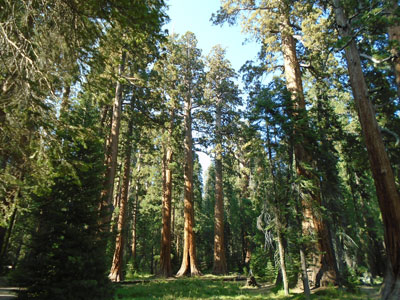
Big Trees Trail
0.75 mile loop, 20 feet elevation gain, Easy
Paved nature loop featuring interpretive signs and benches that encircle a meadow surrounded by towering ancient trees.
Congress Trail
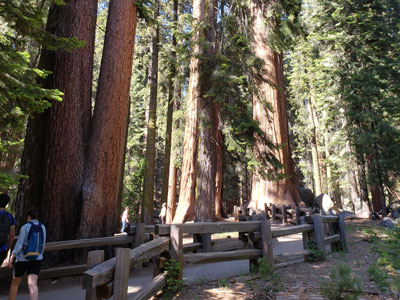
2 miles loop, 200 feet elevation gain, Easy
Loop trail through towering groves of ancient sequoias featuring named trees and interpretive signage along a paved forest path.
Jeff P from Berkeley, CA, USA, CC BY 2.0, via Wikimedia Commons; Image Size Adjusted
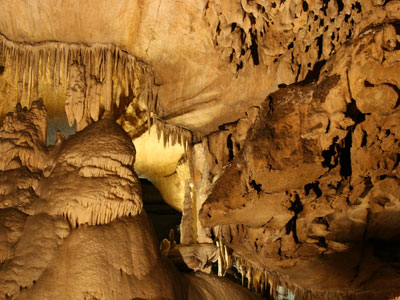
Crystal Cave
Guided underground tour through a marble cavern featuring dramatic stalactites, stalagmites, and flowstone formations accessed via a steep forest trail.
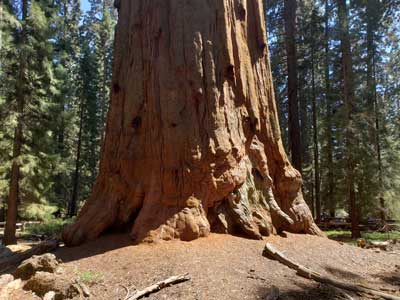
General Sherman Tree
The world's largest tree, measured by volume. It stands 275 feet (83 m) tall, and is over 36 feet (11 m) in diameter at the base
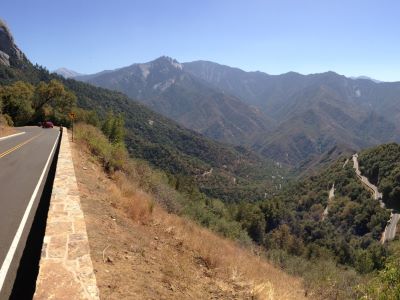
Generals Highway
Iconic mountain scenic drive winding through giant sequoia groves, dramatic elevation changes, and sweeping viewpoints connecting Sequoia and Kings Canyon National Parks.
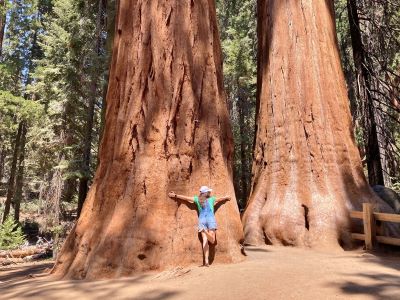
Giant Forest
Famed for its giant sequoia trees, five of the ten most massive trees on the planet, is the most accessible of all giant sequoia groves, as it has over 40 miles of hiking trails
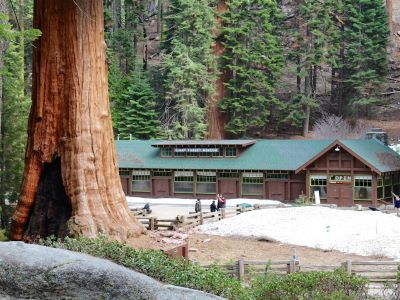
Giant Forest Museum
Exhibit hall featuring interactive displays on ancient trees, forest ecology, and conservation history within a historic market building.
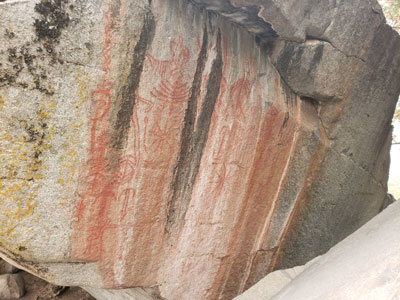
Hospital Rock
Historic site featuring Native American pictographs, bedrock mortars, and shaded picnic areas nestled beside a scenic river bend.
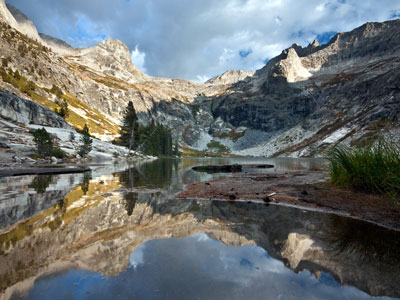
Lakes Trail
12 miles roundtrip, 2,300 feet elevation gain, Strenuous
Challenging alpine trail winding through granite cliffs, meadows, and forested terrain with access to multiple high-elevation lakes.
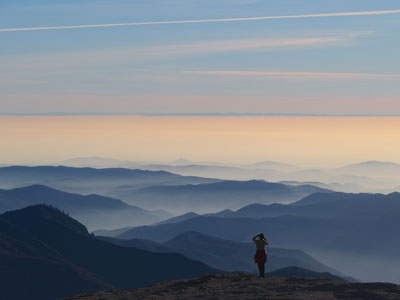
Little Baldy
3.4 miles roundtrip, 800 feet elevation gain, Moderate
Moderate uphill trail leading to a granite dome summit with panoramic views of the Sierra Nevada and surrounding forested ridges.
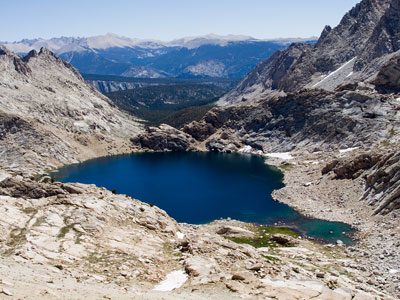
Mineral King
Subalpine glacial valley accessed by a long and narrow winding road, the valley is mostly popular with backpackers and hikers
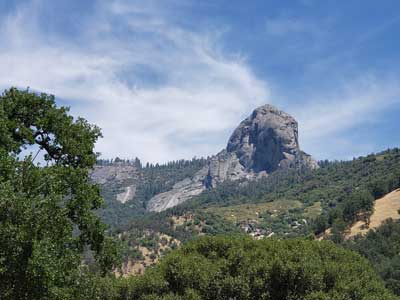
Moro Rock
0.5 mile roundtrip, 300 feet elevation gain, Moderate
Granite dome rock formation with views from the rock encompasses much of the park, including the Great Western Divide
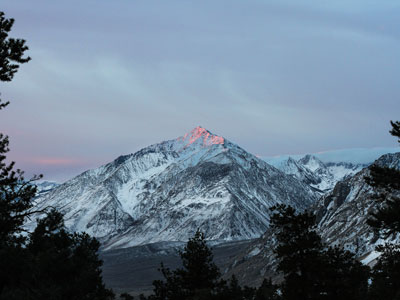
Mount Whitney
21.4 miles roundtrip, 6,100 feet elevation gain, Very Strenuous
Tallest mountain in the contiguous United States and the Sierra Nevada, with an elevation of 14,505 feet
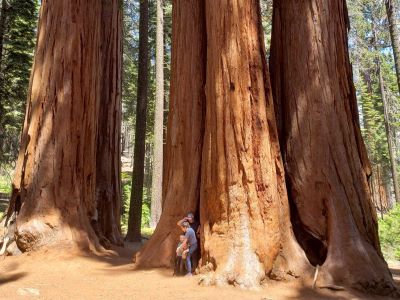
25or6to4, CC BY-SA 4.0, via Wikimedia Commons; Image Size Adjusted

Parker Group
Cluster of massive giant sequoias growing closely together in a scenic grove where visitors can walk among some of the world's largest and most ancient living trees.