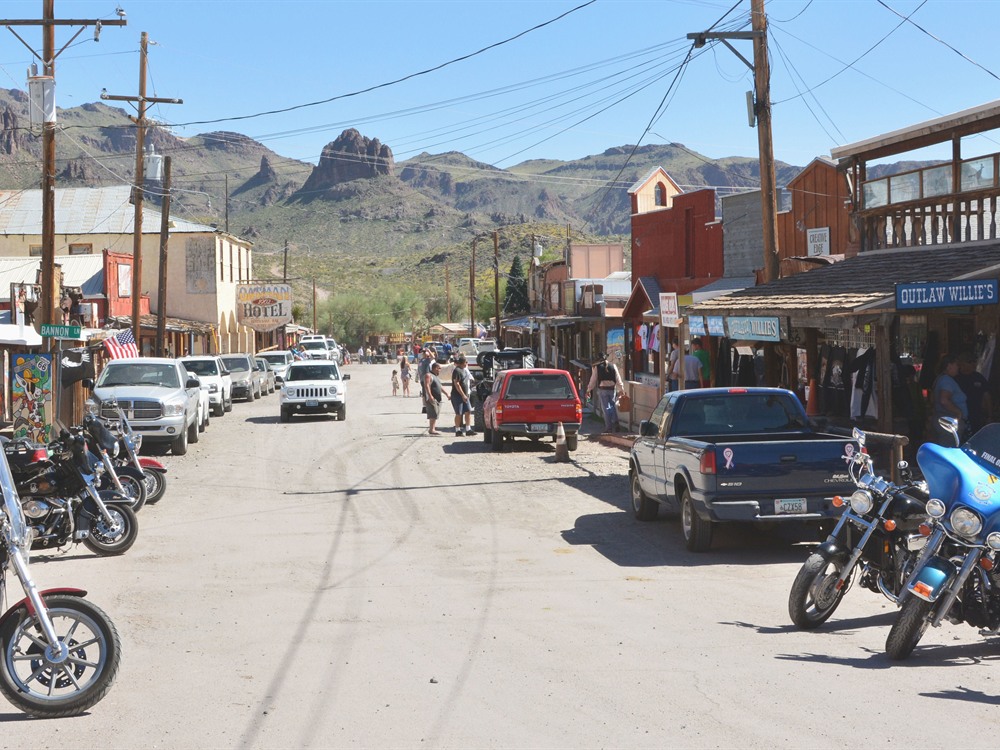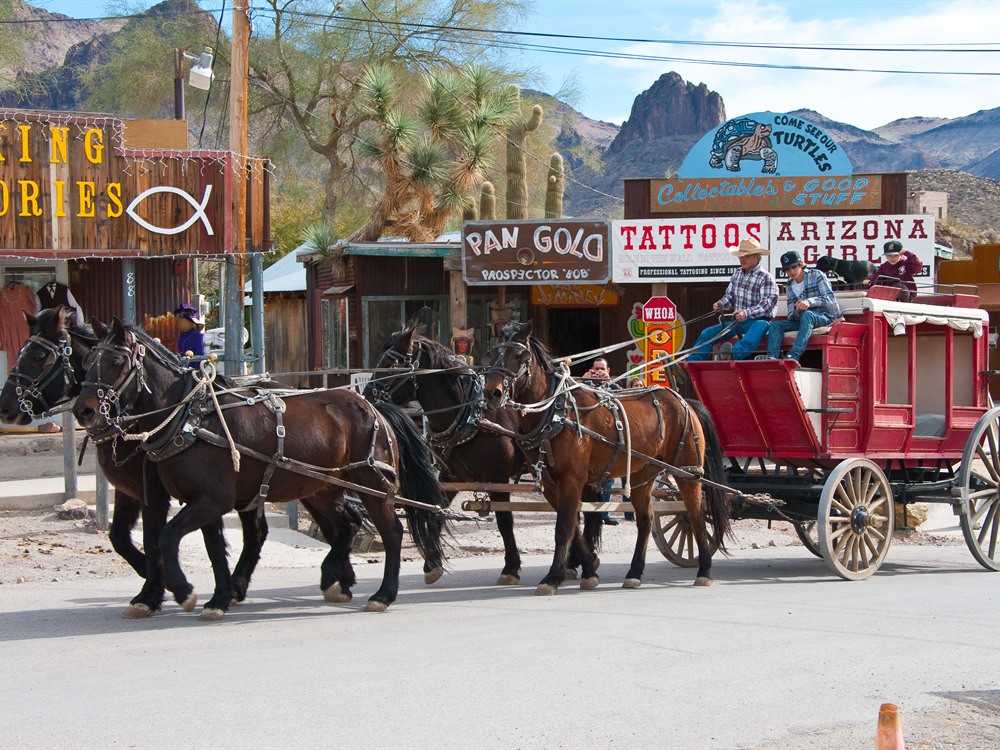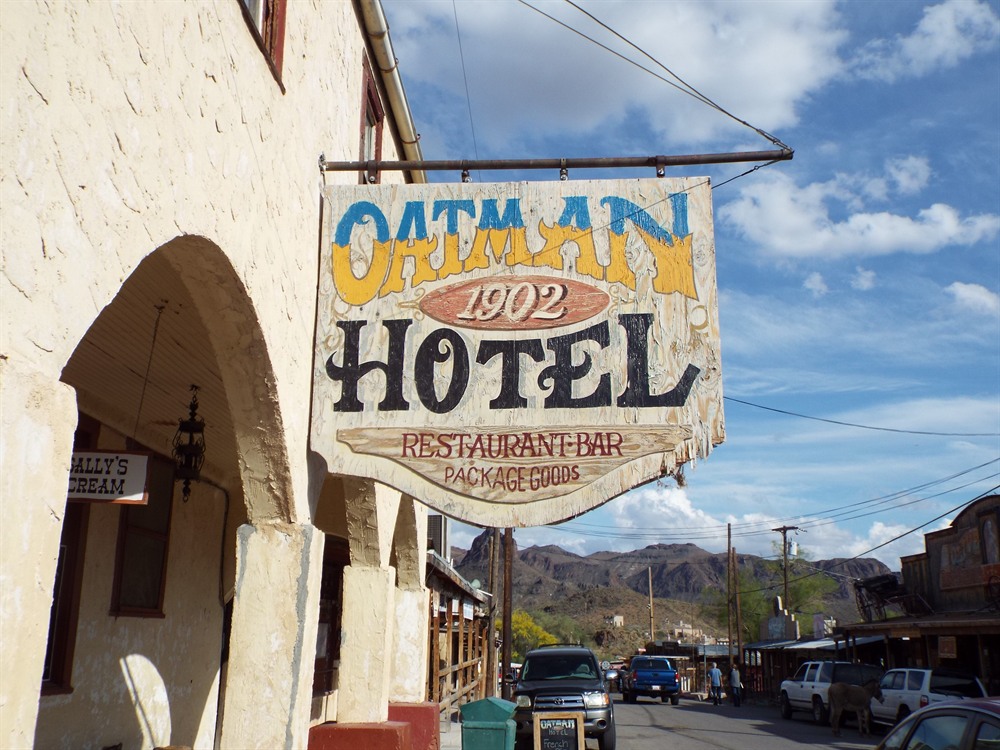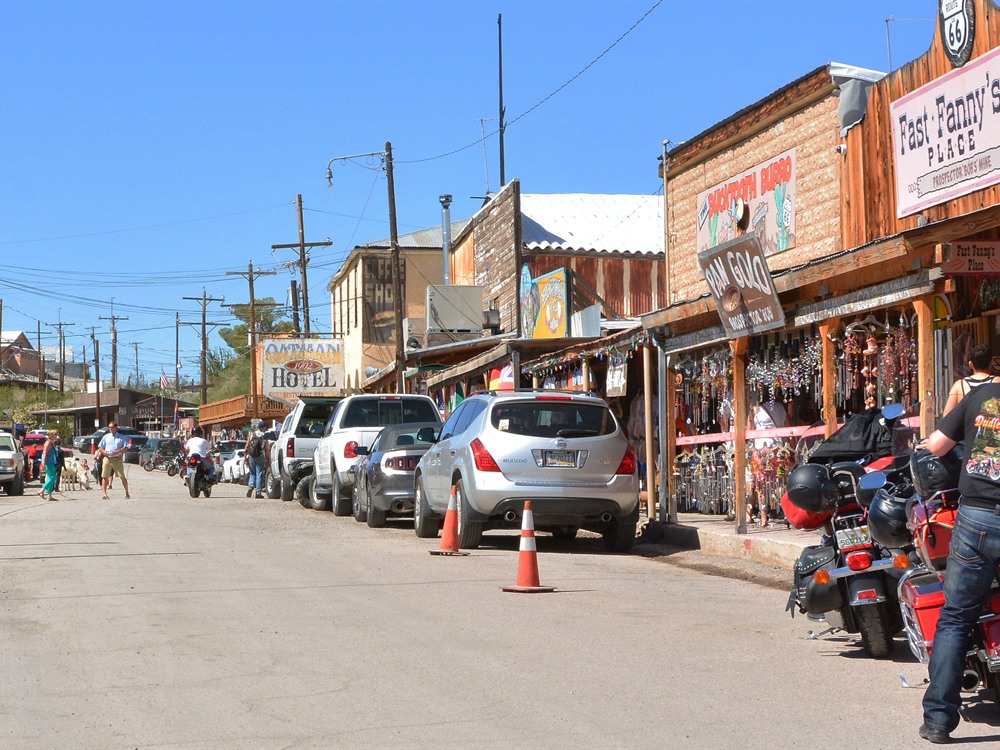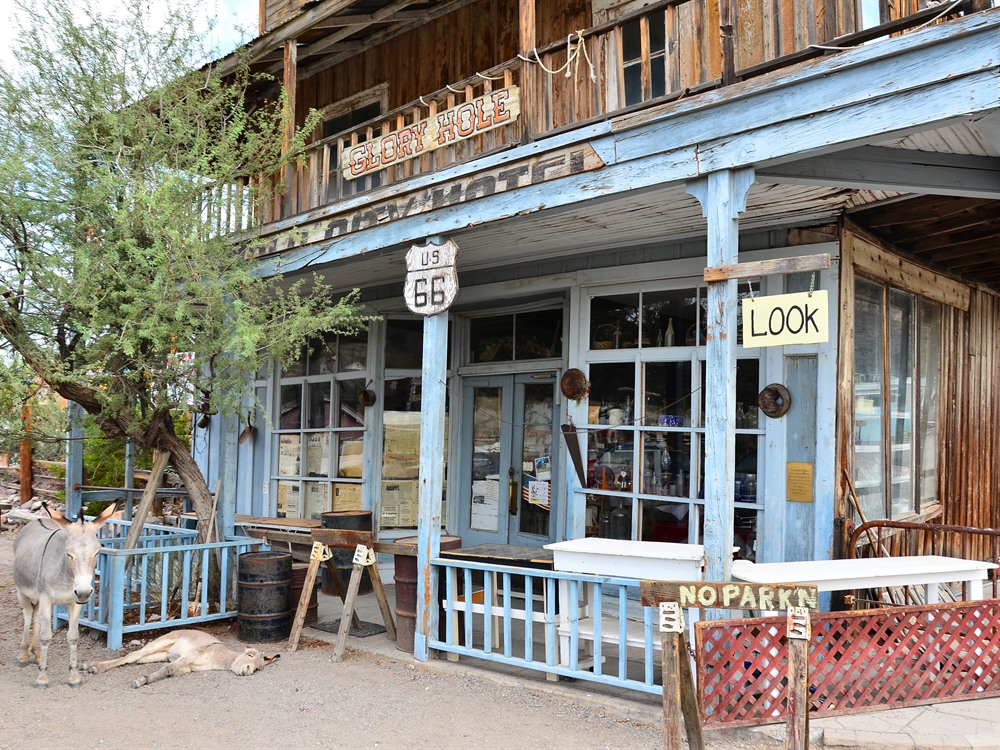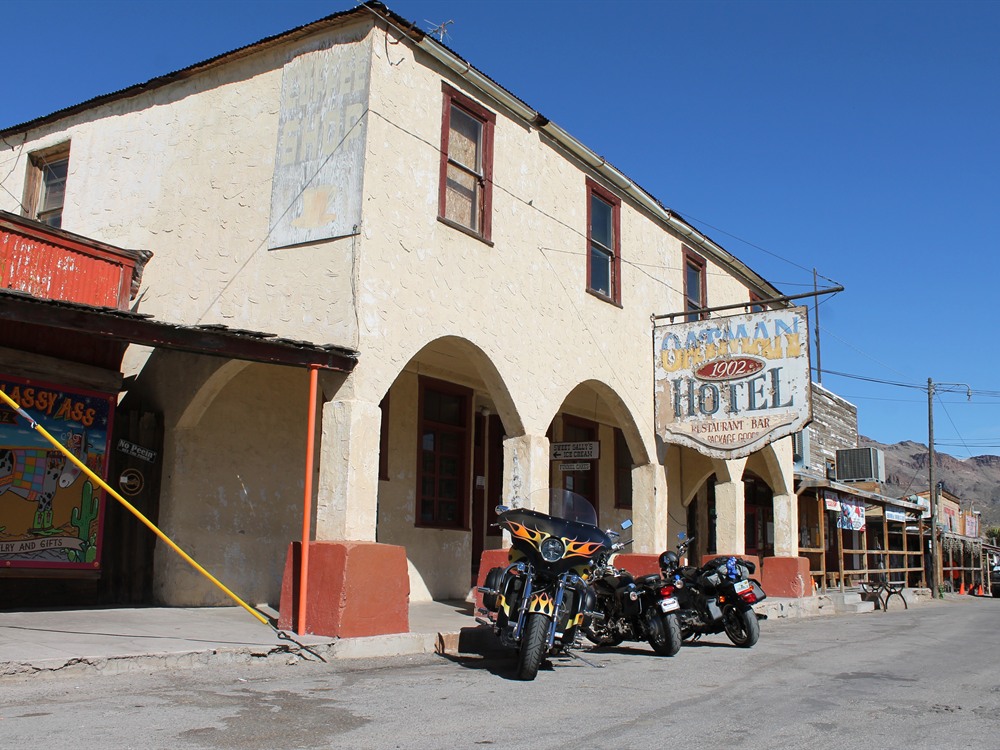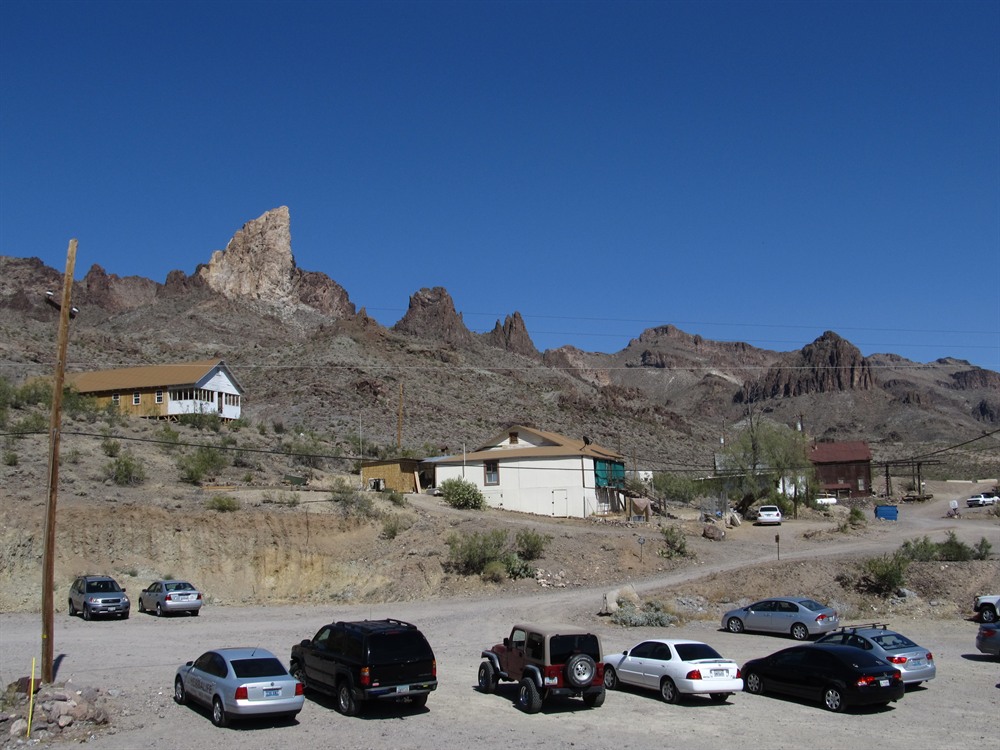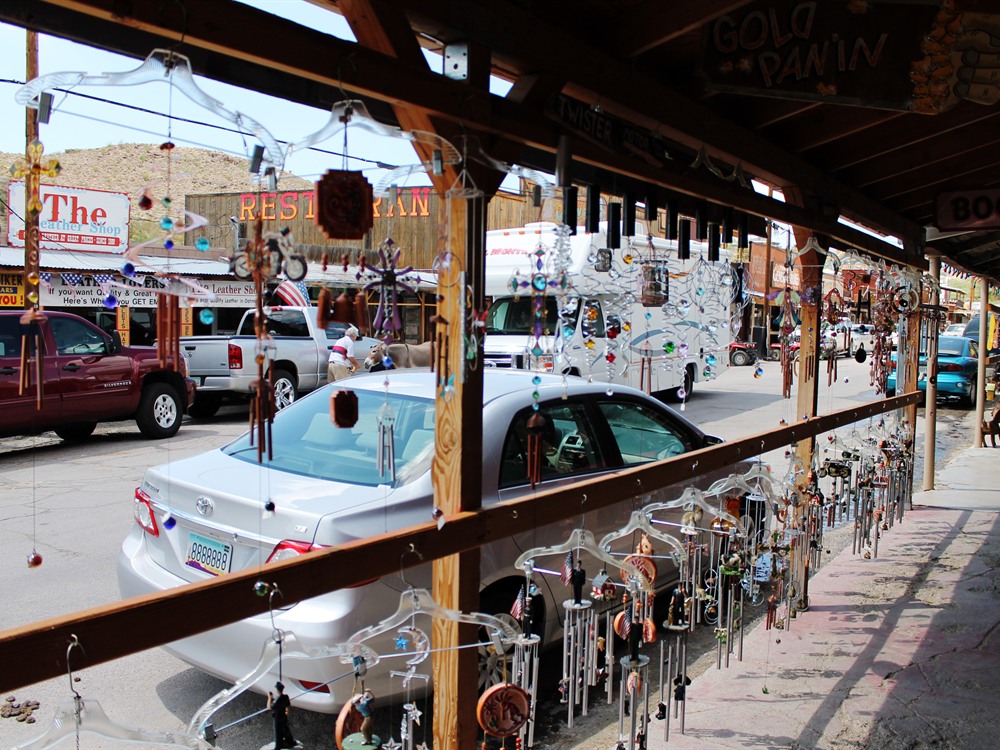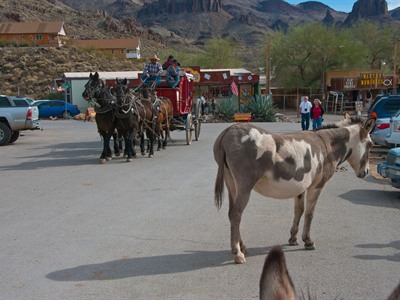

A historic Wild West mining settlement filled with wooden storefronts, roaming burros, and live reenactments that recreate the atmosphere of an early 20th‑century gold boom town.
General Information
- Hours:
-
Open daily year-round
Most shops and attractions operate roughly 9am–5pm or 10am–6pm depending on season
Some restaurants and performances continue into the evening - Fees:
-
Free to enter the town
Individual attractions, souvenirs, and experiences vary in cost - Pet Policy:
- Pets are generally allowed in outdoor areas on a leash; many businesses are pet-friendly but policies vary by establishment
- Closest cities with hotels:
- Kingman (25 mi)
Bullhead City (25 mi) - Seasons:
- Spring and fall are best for mild temperatures; summer can be hot, winter is cooler with fewer crowds
- Location:
- Oatman, AZ 86433
- Website:
- oatmanchamberofcommerce.com
How to Get There
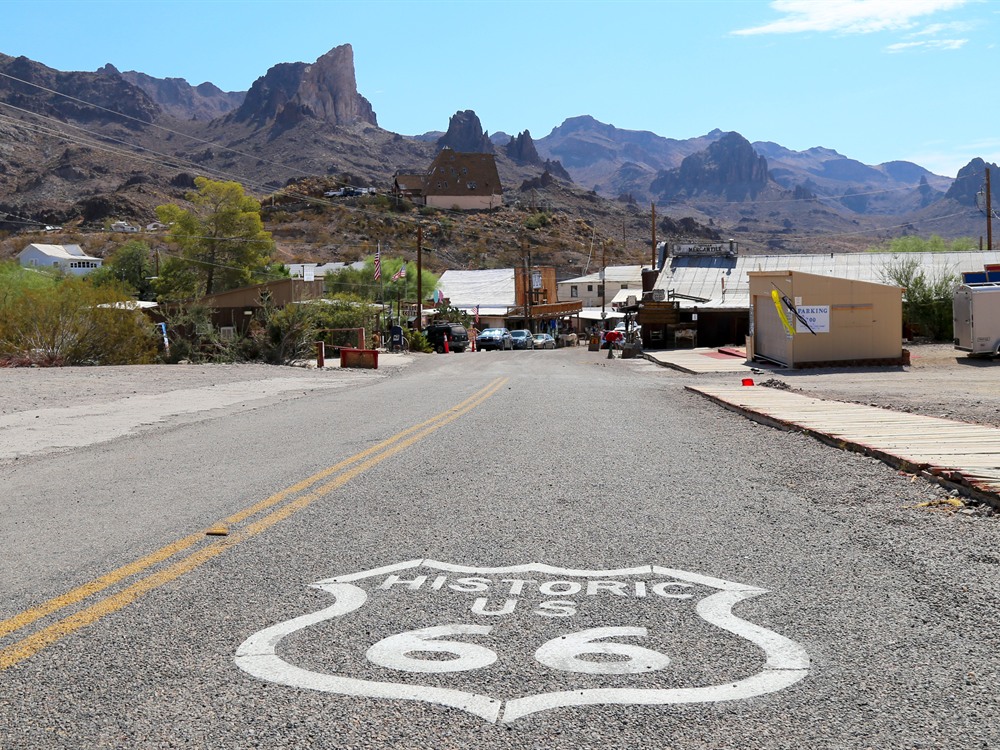
From Kingman (25 mi): Take historic Route 66 (Oatman Highway) southwest from Kingman and follow the winding mountain road through Sitgreaves Pass directly into the town.
Overview
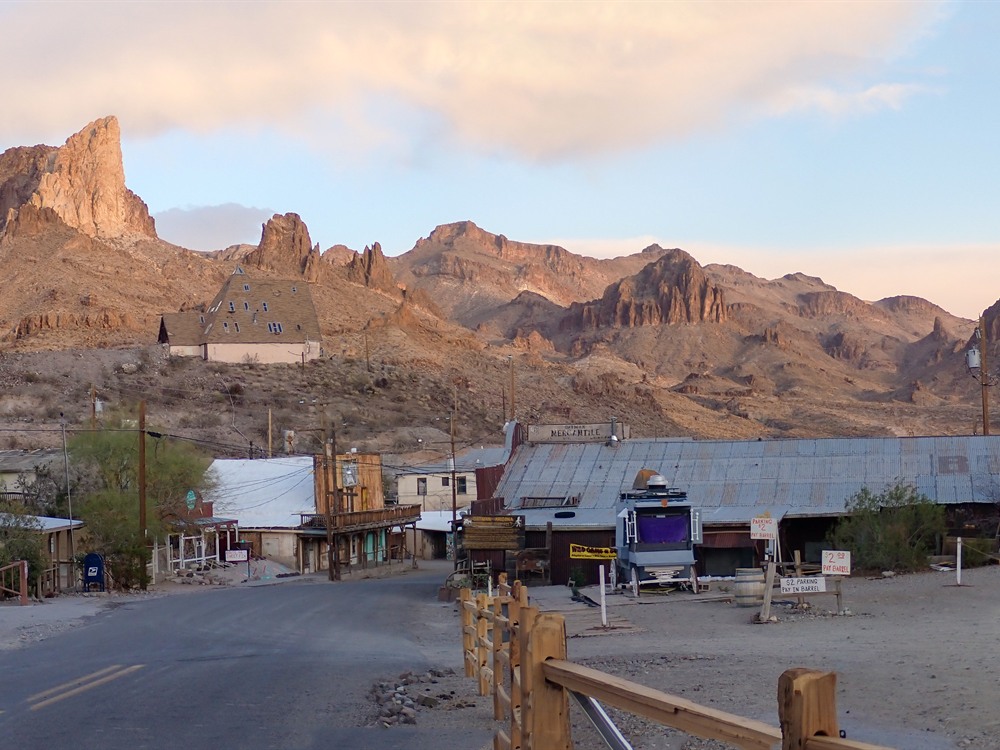
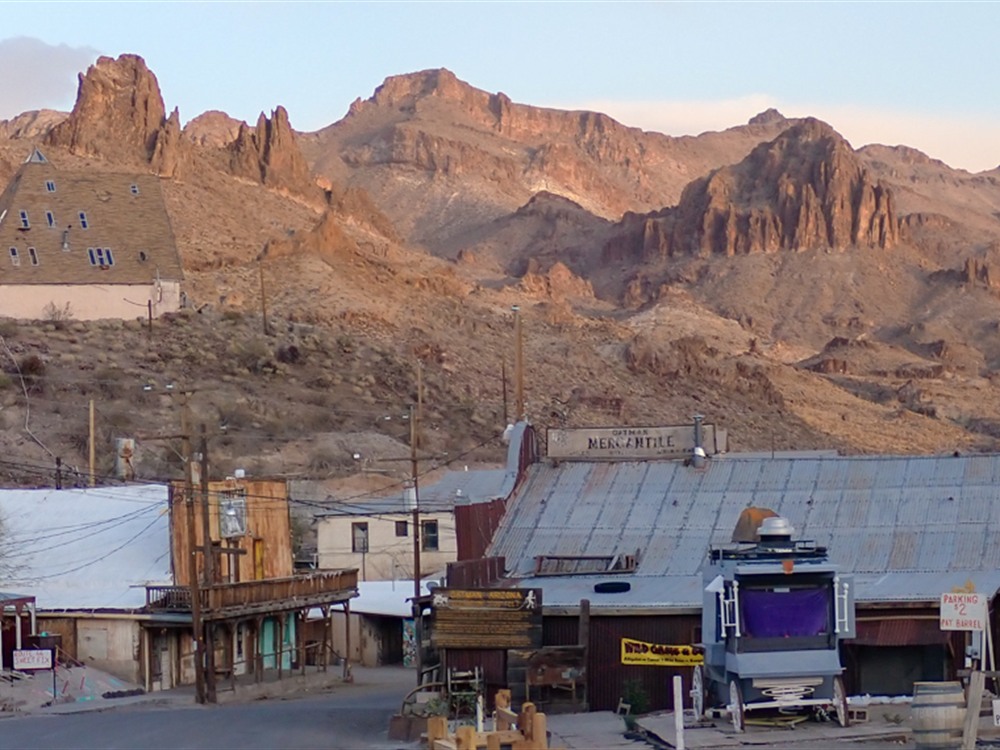
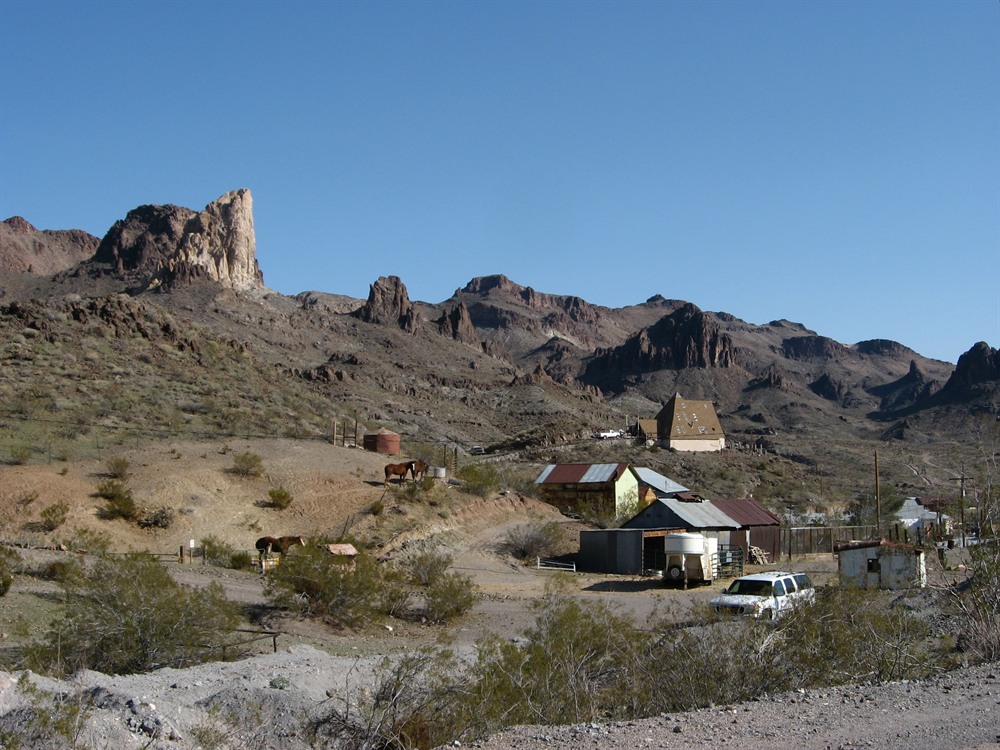
Oatman is a small mountain town in the Black Mountains of Mohave County, Arizona, and one of the best-preserved Old West mining settlements along historic Route 66. It is famous for its wooden storefronts and boardwalks, its resident wild burros, and its daily staged gunfights on Main Street. Its location on the winding Oatman Highway, one of the most scenic and challenging stretches of the Mother Road, adds to its reputation as an essential stop on any Route 66 road trip.
The town is significant as a surviving example of the early twentieth-century gold rush and as a living piece of Route 66 history. Visitors come for the atmosphere of a genuine ghost town that still welcomes travelers, and they come to see the burros, which are descended from animals left behind by miners and now wander the street looking for handouts. They also come to browse the gift shops and candy stores, take in the desert views, and drive the Sitgreaves Pass road, only about 25 miles from Kingman and within easy reach of Laughlin and Bullhead City.
History
Oatman takes its name from Olive Oatman, a young settler who was captured as a girl in 1851 and later lived among the Mohave people along the Colorado River. Mining in the area began with small camps in the early 1900s, and the Oatman Hotel was built in 1902. In 1915 prospectors struck a rich vein of gold at the Tom Reed mine, and the population swelled to several thousand within a few years. The Tom Reed and Gold Road mines closed in the early 1940s, and the town declined further when Route 66 was rerouted away from the Oatman Highway in 1953. Tourism and the Route 66 revival then helped keep the town alive.
Sightseeing and Popular Landmarks
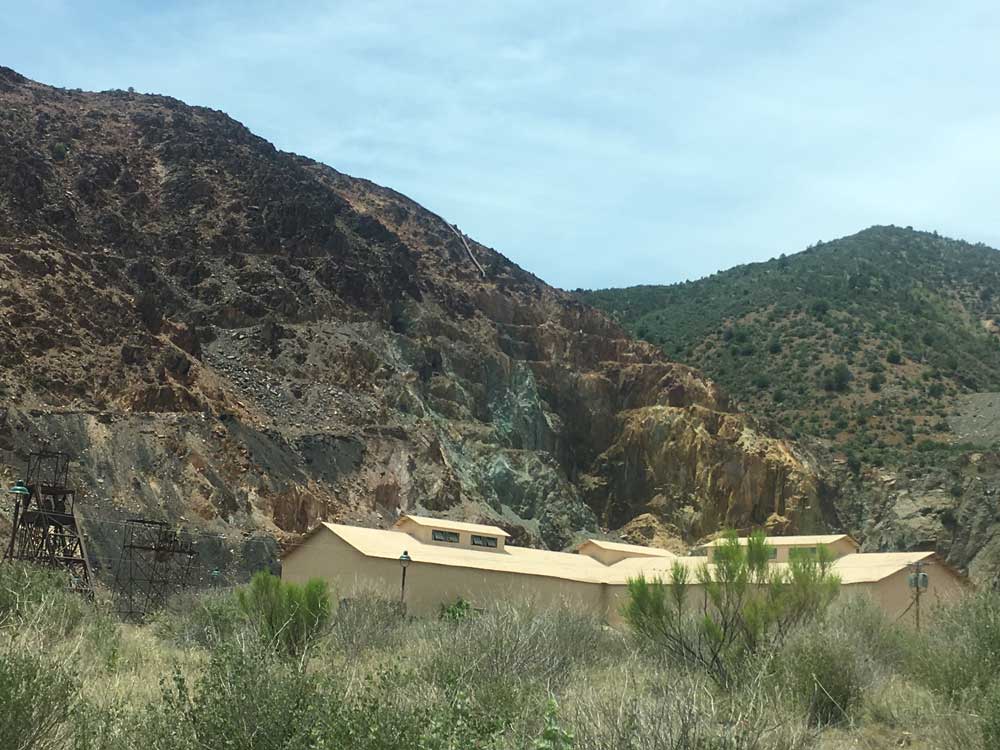
The center of sightseeing is the Main Street historic district, where you can walk the boardwalks, watch the gunfight reenactments, and feed the burros with approved hay cubes. The Oatman Hotel is the best-known landmark. Legend says that Clark Gable and Carole Lombard spent their wedding night there in 1939, and its walls and ceiling are covered with thousands of dollar bills left by visitors. Just outside town, the Gold Road Mine offers underground tours, and the drive over Sitgreaves Pass, with its hairpin turns and views over the desert, is a highlight in its own right.
Culture and Museums
Oatman’s culture and museums are focused on its mining and Route 66 heritage. The Oatman Hotel and small local museums and displays along Main Street tell the story of the gold boom, the miners, and the families who lived there. Visitors can see old mining tools, photographs, and period artifacts, and the Gold Road Mine tours explain how the gold was extracted. The town’s western-themed shops, galleries, and events, including the burro-themed festivals, reflect its frontier spirit.
Parks
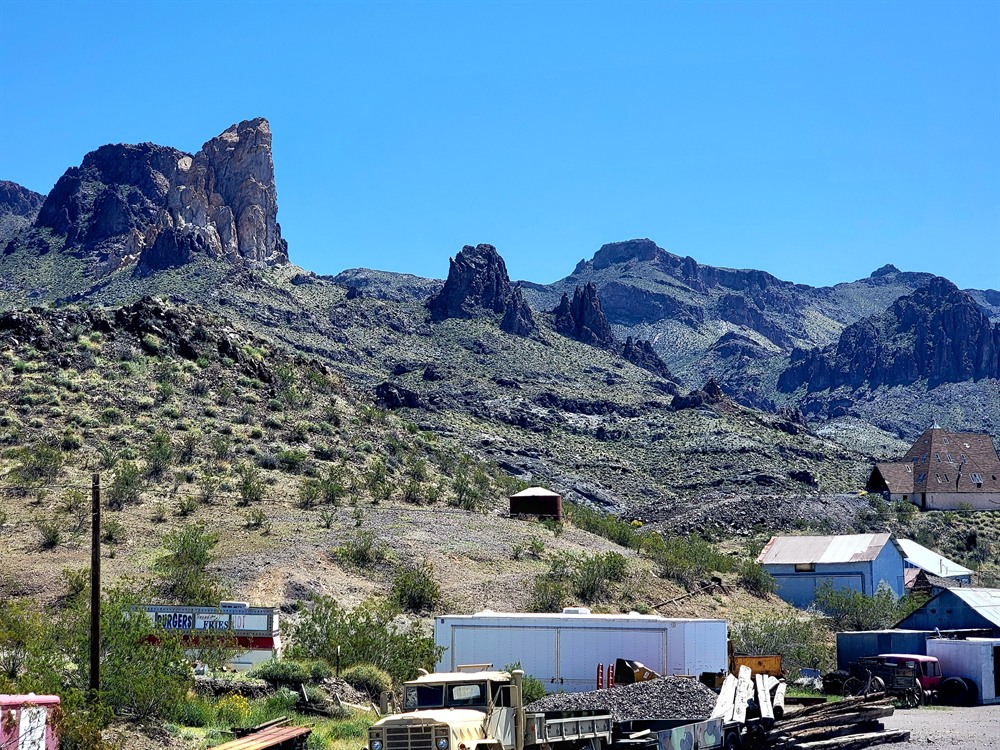
Oatman has no large city parks, but the surrounding Black Mountains offer rugged desert scenery for hiking and photography. Nearby outdoor areas include Lake Havasu and the Topock Gorge, the Colorado River at Bullhead City and Laughlin, and Hualapai Mountain Park near Kingman, which provides cooler hiking and camping at higher elevations. Lake Mead National Recreation Area is also within a reasonable drive.
Seasons and Weather
Oatman sits at about 2,700 feet in the Mojave Desert and has hot summers, with daytime highs often above 100°F (38°C) from June through September, and a summer monsoon that can bring brief thunderstorms in July and August. Winters are mild and sunny, with daytime highs in the 50s and 60s°F (10 to 20°C) and cool nights, and snow is rare. Spring and fall are the most comfortable seasons for visiting, and the cooler months from October through April are the busiest.
This article uses material from the Wikipedia articles and official tourism pages for the Oatman, Arizona, the Arizona Office of Tourism, the National Park Service Route 66 materials, the Oatman Hotel and Gold Road Mine websites, and the National Weather Service, along with regional tourism and travel guides, which are released under the Creative Commons Attribution-Share-Alike License 3.0.