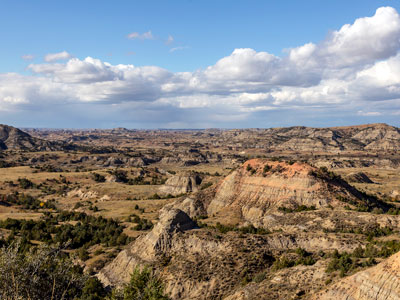

North Dakota Travel Guide
Roam Theodore Roosevelt National Park's badlands, explore Fargo's charm, and discover North Dakota's vast prairies and frontier history.
Places to See in North Dakota
NPS/Mark Hoffman, Public domain, via Wikimedia Commons; Image Size Adjusted

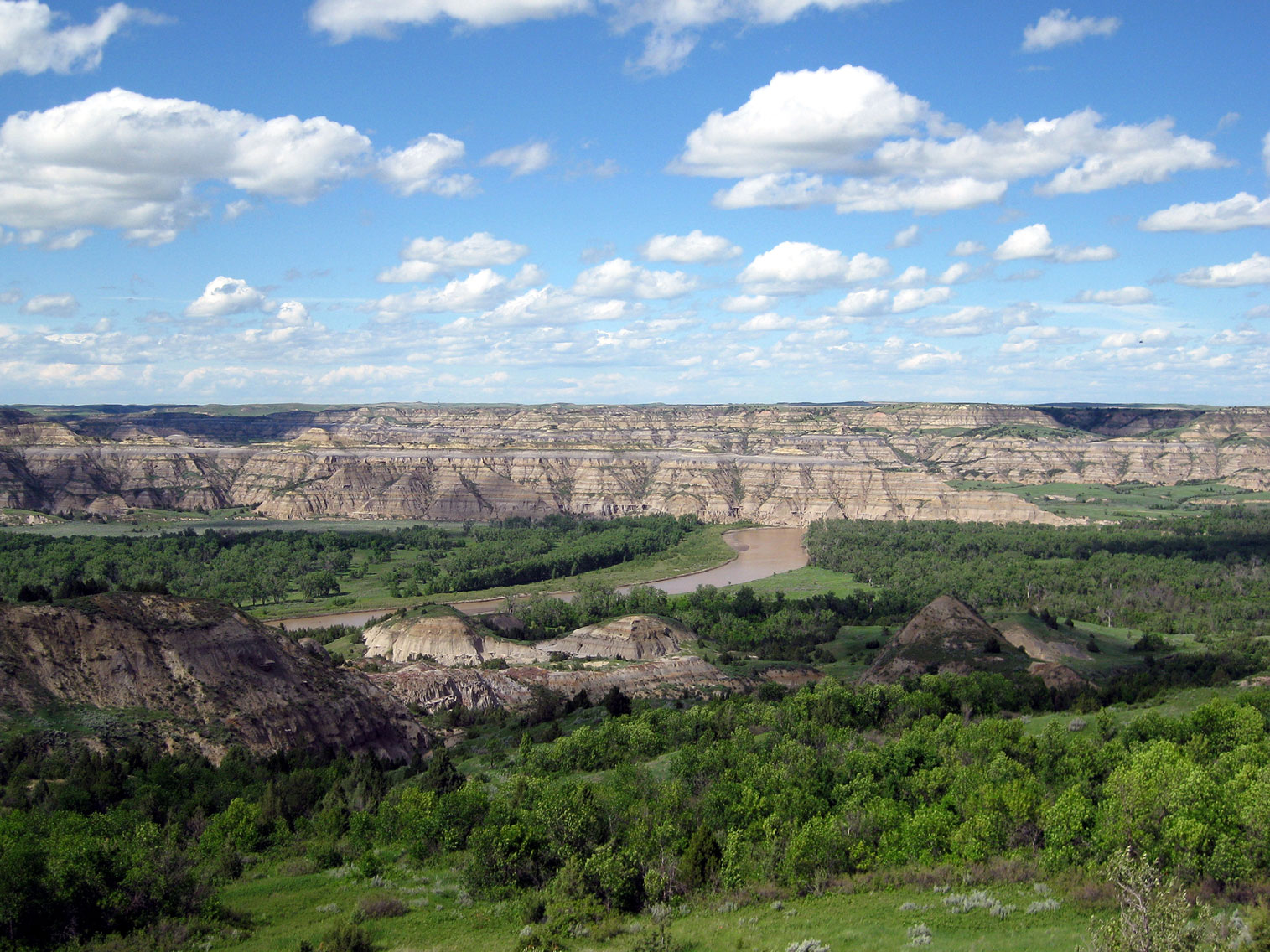
Theodore Roosevelt National Park
National park honoring U.S. President Theodore Roosevelt comprises three geographically separated areas of badlands in western North Dakota
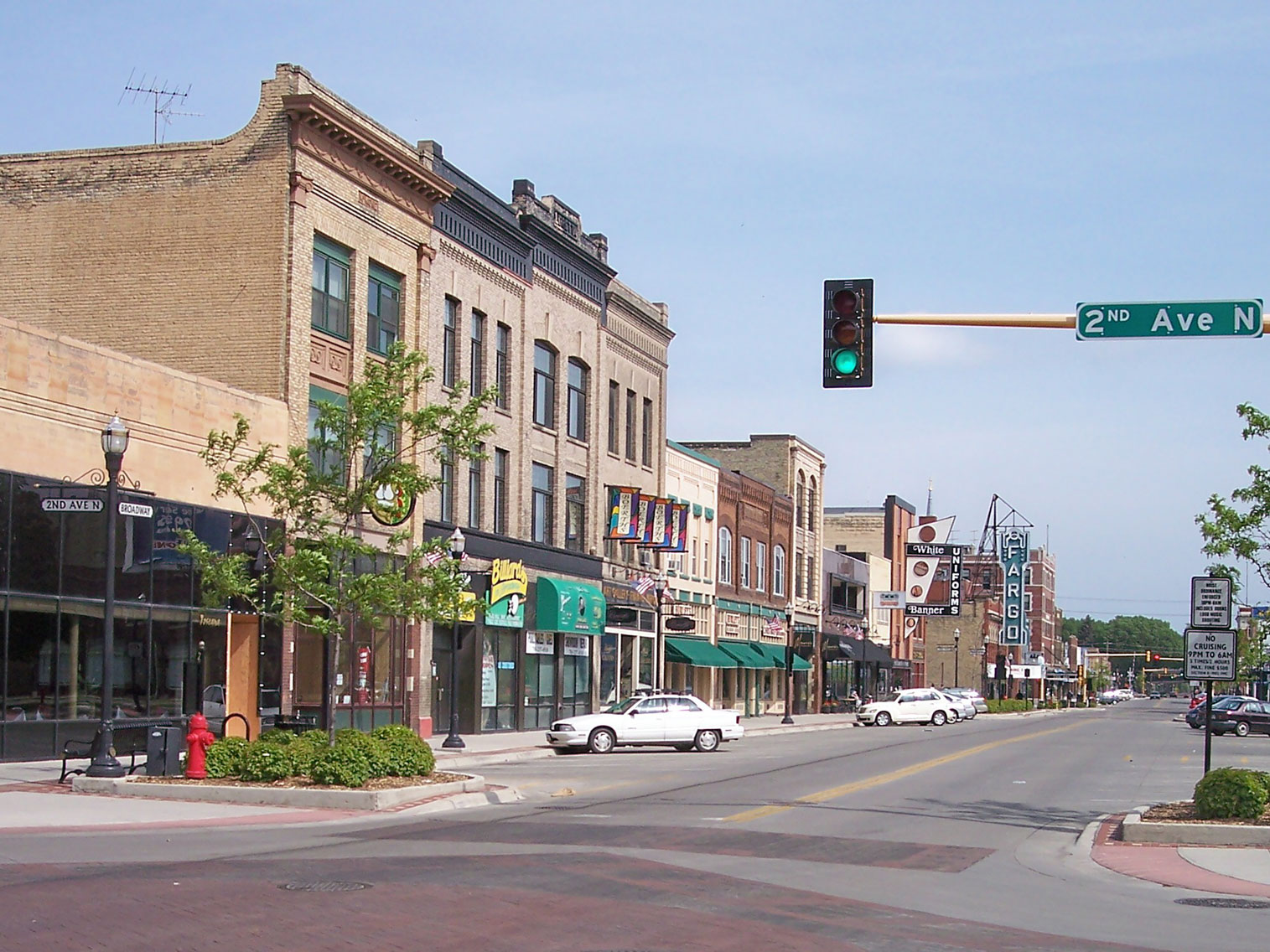
Tim Kiser (w:User:Malepheasant), CC BY-SA 2.5, via Wikimedia Commons; Image Size Adjusted

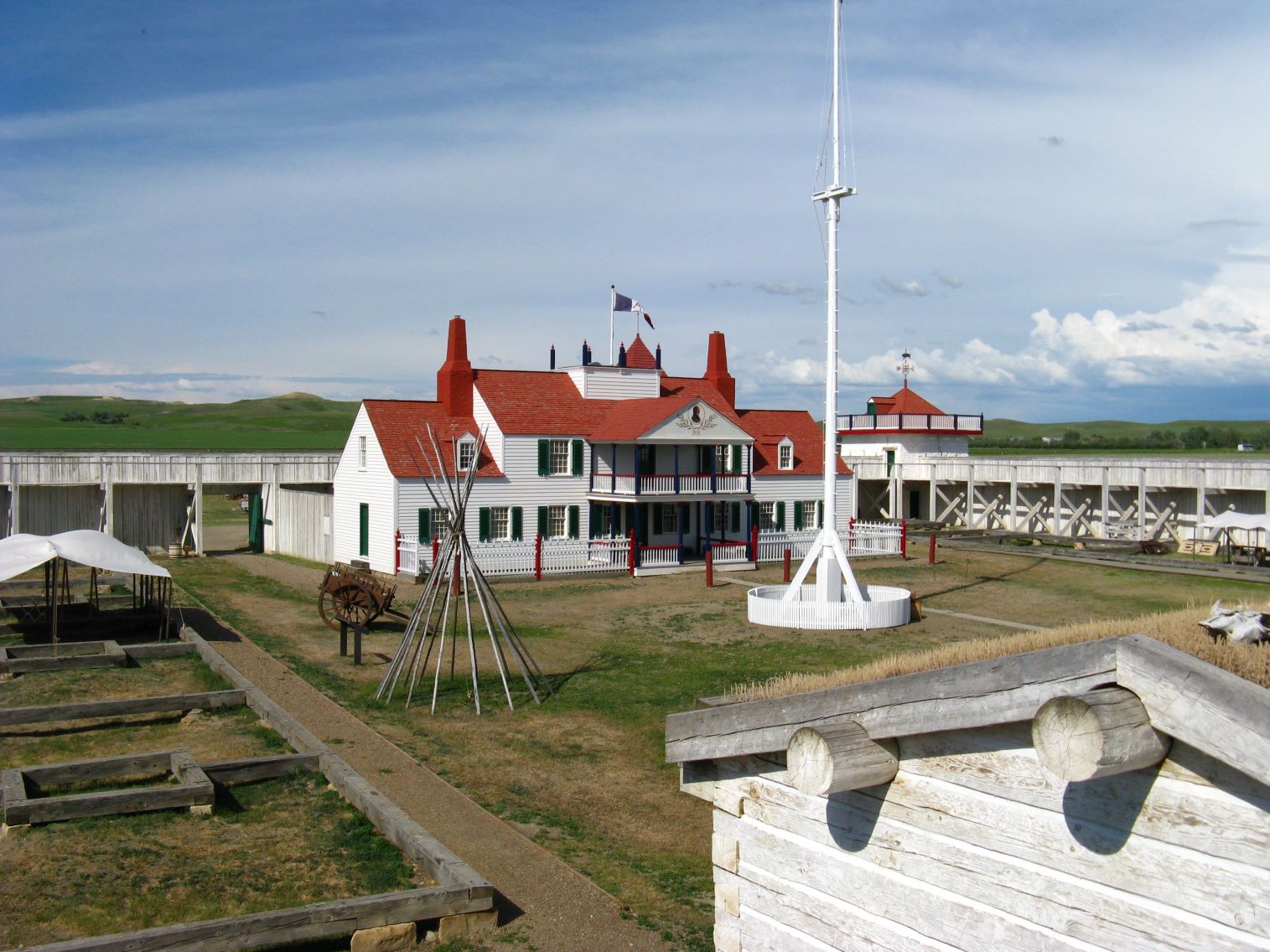
Tim Kiser (w:User:Malepheasant), CC BY-SA 2.5, via Wikimedia Commons; Image Size Adjusted
National Protected Areas
Bjr97543 at English Wikipedia, Public domain, via Wikimedia Commons; Image Size Adjusted

Landmarks and Landscapes
- Enchanted HighwayRating:
- Frontier Village JamestownRating:
- Missouri-Yellowstone Confluence Interpretive CenterRating:
- Scandinavian Heritage AssociationRating:
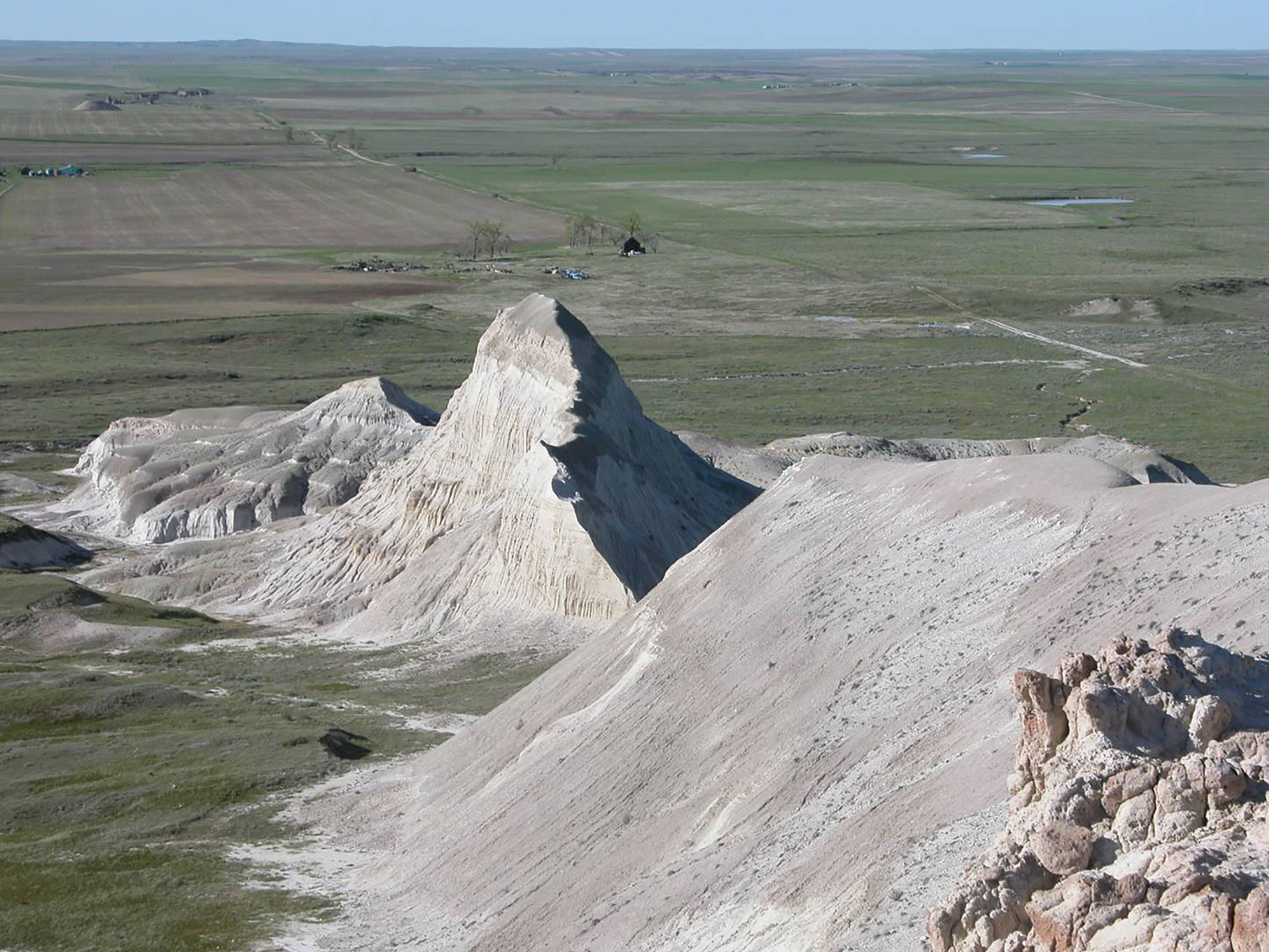
- White ButteRating:
- World's Largest BuffaloRating:
Bjr97543 at English Wikipedia, Public domain, via Wikimedia Commons; Image Size Adjusted
State Parks
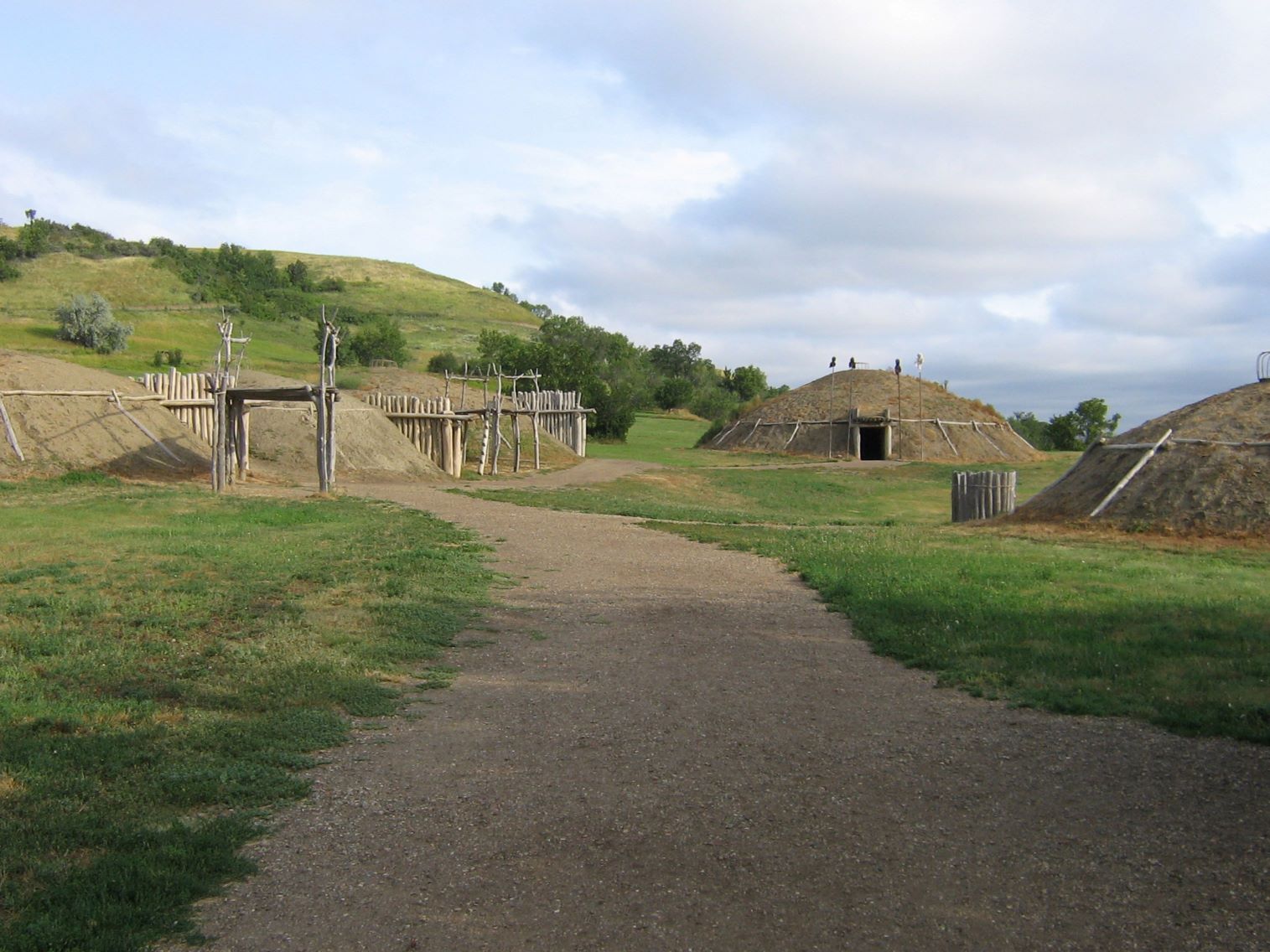
- Fort Abraham Lincoln State ParkRating:
- Fort Buford State Historic SiteRating:
- Fort Dilts State Historic SiteRating:
- Fort Mandan State Historic SiteRating:
Overview
North Dakota sits at the geographic center of North America, a quiet, sparsely populated state of about 780,000 people where big skies, open prairie, and a strong sense of frontier history define the travel experience. The capital is Bismarck and the largest city is Fargo, though roughly half of residents live in rural areas, and visitors often find uncrowded trails, empty scenic drives, and small towns with museums devoted to local heritage. The state takes its name from the Dakota and Lakota Sioux, whose name for themselves is commonly translated as "friends" or "allies."
Most travelers come for the rugged badlands and wildlife of Theodore Roosevelt National Park, where bison, wild horses, prairie dogs, and elk roam within sight of the road. Others follow the Lewis & Clark Trail along the Missouri River, explore Northern Plains Native American heritage and fur-trade sites, hike or mountain bike the 144-mile Maah Daah Hey Trail, fish and boat on Lake Sakakawea, hunt waterfowl and pheasant, or enjoy the arts, breweries, and festivals of Fargo and the western town of Medora. Quirky roadside attractions such as the Enchanted Highway and the World's Largest Buffalo add to the state's charm.
North Dakota lies in the Great Plains and is divided into three broad regions. The flat, fertile Red River Valley in the east is the bed of ancient glacial Lake Agassiz and holds some of the richest farmland in the world; Devils Lake, the state's largest natural lake, is found here as well. The central Drift Prairie is a rolling landscape of glacial hills, wetlands, and small lakes, and it is a vital nesting area for waterfowl. West of the Missouri River, the Missouri Plateau rises into hilly plains and the colorful Badlands carved by the Little Missouri River. The state's high point, White Butte, stands at 3,506 feet (1,069 m), and the Missouri River, dammed at Garrison Dam, forms Lake Sakakawea, the third largest artificial lake in the United States.
The region has been home to Native American peoples for thousands of years, including the Mandan, Hidatsa, and Arikara, who farmed in earth-lodge villages along the Missouri River, as well as the Assiniboine, Ojibwe, Cree, and several Sioux groups. French-Canadian fur traders arrived in the 18th century, and the Lewis and Clark expedition spent the winter of 1804–05 near the Mandan and Hidatsa villages, where they met Sakakawea. The Dakota Territory was organized in 1861, and the Homestead Act of 1862 and the arrival of the railroads in the 1870s and 1880s drew waves of settlers, many from Norway, Germany, and Ukraine. North Dakota became the 39th state on November 2, 1889, alongside South Dakota. Agriculture remained its economic backbone, and since the 2000s oil production from the Bakken formation in the northwest has driven rapid growth.
North Dakota's national park sites preserve its natural and cultural heritage. Theodore Roosevelt National Park protects three units of badlands—the South Unit near Medora, the North Unit, and the Elkhorn Ranch Unit—where the future president ranched in the 1880s and developed his conservation ethic. Fort Union Trading Post National Historic Site, on the Montana border, is a reconstruction of the most important fur-trading post on the upper Missouri River, and Knife River Indian Villages National Historic Site preserves the remains of Hidatsa and Mandan earth-lodge villages. The Lewis and Clark National Historic Trail and the North Country National Scenic Trail also cross the state.
Several state-run parks and historic sites are among the best experiences in the state. Fort Abraham Lincoln State Park near Mandan features reconstructed On-A-Slant Mandan Indian Village and the cavalry post from which George Armstrong Custer departed for the Little Bighorn in 1876. Fort Mandan is a replica of the winter quarters of the Corps of Discovery, and Fort Buford is the site where Sioux leader Sitting Bull surrendered in 1881. Fort Dilts preserves a frontier-era stockade, and other favorites include Lake Sakakawea State Park, Icelandic State Park, and the International Peace Garden on the Manitoba border.
Summer (June through August) is the most popular season, with warm days, long daylight, and festivals such as the Medora Musical and Fort Union Rendezvous; it is the best time for hiking, camping, boating, fishing, and cycling. Late spring and early fall are quieter and mild, with spring wildflowers and birdwatching, and September and October bringing fall color, bison activity in the national park, and hunting seasons for pheasant, waterfowl, and deer. Winter is long, cold, and windy, but it offers cross-country skiing, snowmobiling, ice fishing, and opportunities to see the northern lights under dark skies. Travelers should be prepared for sudden weather changes in any season.
This article uses material from the Wikipedia article "North Dakota" which is released under the Creative Commons Attribution-Share-Alike License 3.0. Additional sources: National Park Service, North Dakota Parks and Recreation Department, State Historical Society of North Dakota, and North Dakota Tourism.