-400.jpg)
.jpg)
Temple of The Church of Jesus Christ of Latter-day Saints is the centerpiece of the 10-acre (4.0 ha) Temple Square
General Information
Visitor Centers: Vary by season, typically 9:00 AM – 9:00 PM
Salt Lake Temple: Check churchofjesuschrist.org for current access and tour information following the renovation
Some events may require free or paid tickets
- Spring/Summer: Gardens and walking tours
- Fall: Colorful foliage and fewer crowds
- Winter: Holiday lights and festive atmosphere
How to Get There
From Salt Lake City: Head west on 400 S/University Blvd toward S Main St. Turn right at the 1st cross street onto W Temple. Turn right onto W North Temple.
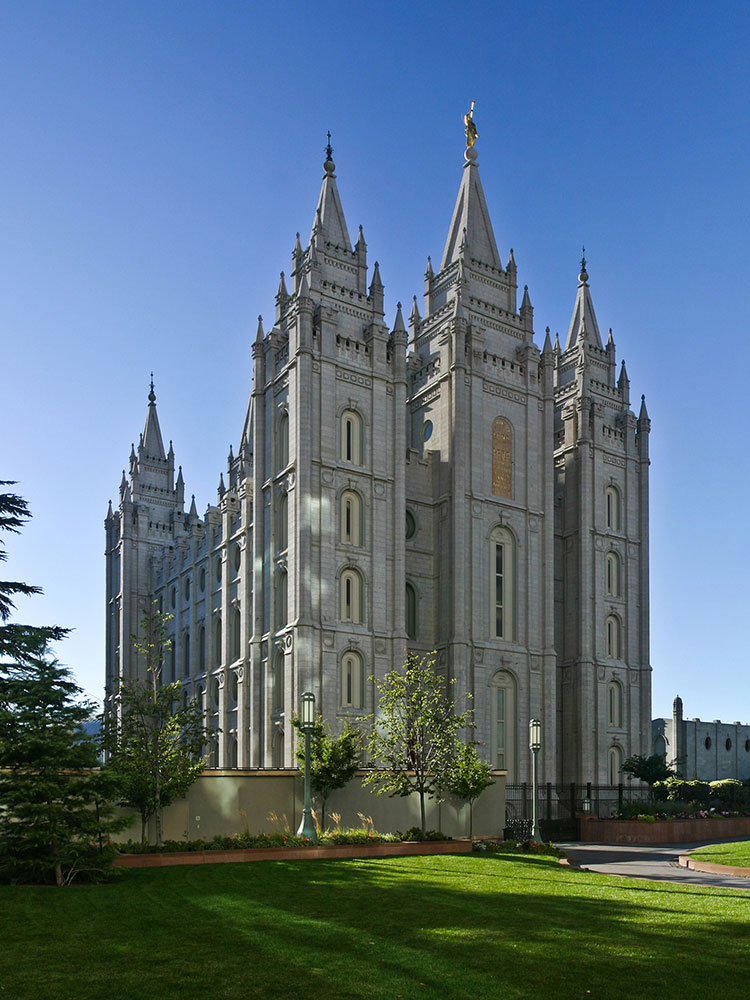
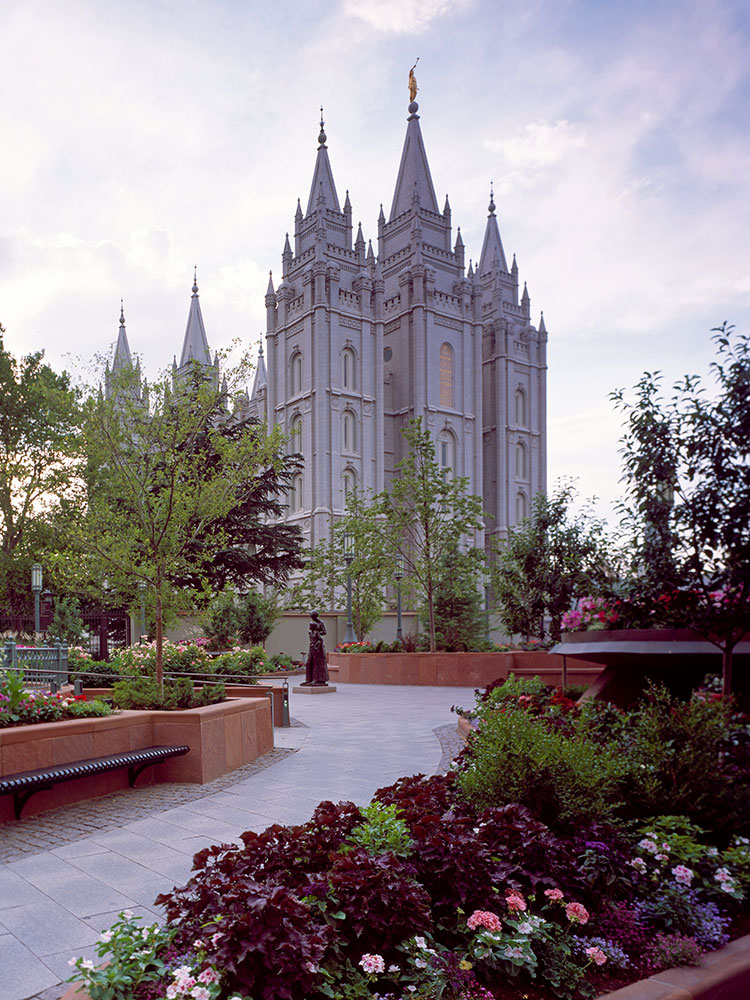
The Salt Lake Temple is a temple of The Church of Jesus Christ of Latter-day Saints on Temple Square in Salt Lake City, Utah. At 253,015 square feet (23,505.9 m2), it is the largest Latter-day Saint temple by floor area. Dedicated in 1893, it is the sixth temple completed by the church, requiring 40 years to complete, and the fourth temple built since the Mormon exodus from Nauvoo, Illinois, in 1846. On April 19, 2019, the church announced that the temple would close on December 29, 2019 for a general remodel and seismic renovations that are anticipated to take approximately four years.
Details
The Salt Lake Temple is the centerpiece of the 10-acre (4.0 ha) Temple Square in Salt Lake City, Utah. Like other Latter-day Saint temples, the church and its members consider it sacred and a temple recommend is required to enter, so there are no public tours inside the temple as there are for other adjacent buildings on Temple Square. In 1912, the first public photographs of the interior were published in the book The House of the Lord, by James E. Talmage. Since then, various photographs have been published, including by Life magazine in 1938. The temple grounds are open to the public and are a popular tourist attraction. Due to its location at church headquarters and its historical significance, Latter-day Saints from around the world patronize the temple.
Symbolism
The Salt Lake Temple incorporates many symbolic adornments including Masonic symbols. Symbolism is an important subject to members of the LDS Church. These symbols include the following:
Some the temple's exterior symbols
All-Seeing Eye - The center tower on each side has a depiction of the All-Seeing Eye of God representing how God sees all things.
Angel Statue - The golden Angel Moroni statue, by sculptor Cyrus E. Dallin, tops the capstone of the temple. It symbolizes the angel mentioned in Revelation 14:6 that will come to welcome in the Second Coming of Christ. Early architectural plans showed two horizontally flying angels and the earliest references to the Salt Lake Temple's angel were always Gabriel. The original blueprint drawings intended the angel to be wearing temple ceremonial clothing like the angel on the Nauvoo temple, but Paris-trained sculptor Dallin's 12.5-foot statue wears a crown instead of a temple cap that included a bright light which created a halo effect at night. As a result of an earthquake on March 18, 2020, the statue's trumpet broke.
Beehive - The beehive symbol (which appears on the Utah state seal) appears on external doors and doorknobs and symbolizes the thrift, industry, perseverance, and order of the Mormon people.
Big Dipper - On the west side of the temple the Big Dipper appears, which represents how the priesthood can help people find their way to heaven as the constellation helped travelers find the North Star. The uppermost stars on the temple's constellation align with the actual North Star.
Compass and Square - Early plan drawings of the temple show the Masonic arrangements of a compass and square placed around the second and fourth floor windows, but the plans were changed during construction. These symbols had appeared on the Nauvoo Temple weathervane.
Clasped Hands - Above each external door and doorknob appears the "hand clasp," which is a representation of covenants that are made within temples or brotherly love.
Clouds - On the east side of the temple are "clouds raining down" representing the way God has continued revelation and still speaks to man "like the rains out of Heaven" or alternatively a veil of ignorance or sin.
Earths - The Earth Stones in the lower buttresses have been interpreted as the gospel of Christ spreading over the whole Earth.
An original 1854 elevation plan showing the saturn stones, earth stone detail, Sun faces, and square and compass window accents. These elements were later discarded.
Saturns - Early drawings and a written description by Angell showed Saturnstones along the top tier of the temple, though the design was changed years later.
Spires - The six spires of the temple represent the power of the priesthood. The three spires on the east side are a little higher than those on the west: they represent the Melchizedek, or "higher priesthood", and the Aaronic, or "preparatory priesthood" respectively. The three spires on the east side represent the church's First Presidency and the twelve smaller spires on those three represent the Twelve Apostles.
Sun, Moon, and Stars - Around the temple there are several carved stones depicting the Sun, Moon, and stars which correspond respectively to the celestial, terrestrial, and telestial kingdoms of glory in the afterlife. The sunstones have also been interpreted to represent God, the moonstones in different phases as representing different phases of life, and the starstones representing Jesus Christ. These symbols were drawn from the three lesser lights symbols in the Freemasonry practiced by many early church leaders in Nauvoo. Additionally, five-pointed stars have traditionally represented the five wounds of Christ (hands, feet, and side) and the five-pointed star with an elongated downward ray found on several LDS temples has been interpreted to represent Christ coming to Earth.
This article uses material from the Wikipedia article "Salt Lake Temple", which is released under the Creative Commons Attribution-Share-Alike License 3.0


_c-1000.jpg)
_c.JPG)