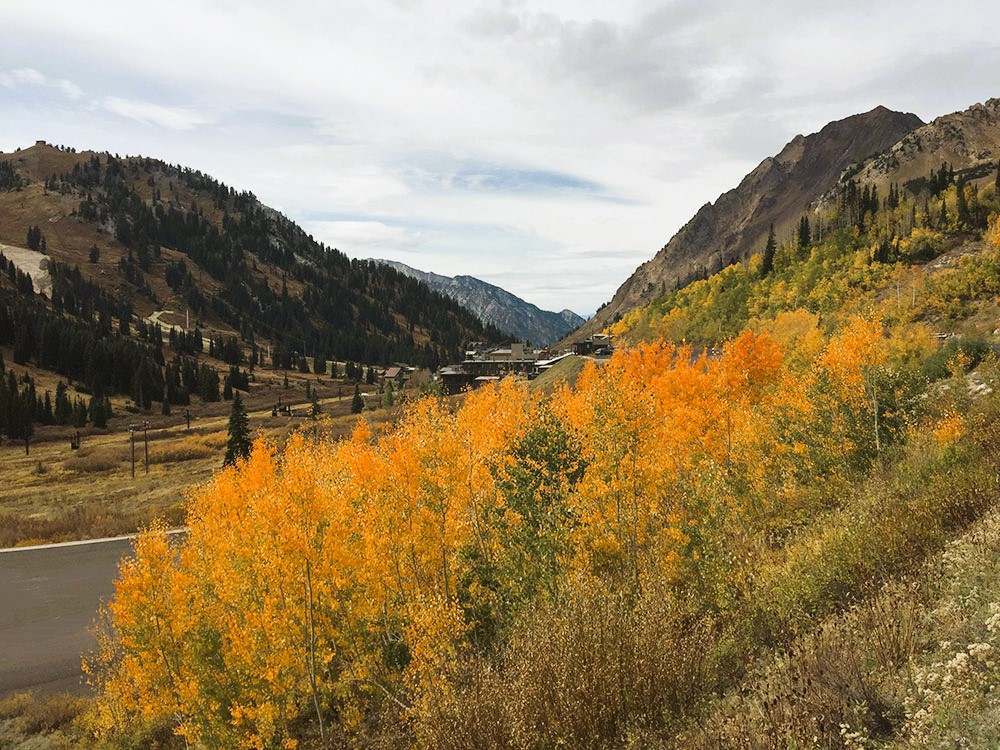
Canyon providing hiking, camping, fishing, mountain biking, rock climbing, Bouldering, skiing, snowboarding, and backcountry use and two resorts, Alta and Snowbird, providing both summer and winter recreational opportunities
General Information
Access may be restricted during winter storms or avalanche control periods
Fees may apply for specific activities (e.g., ski resorts, guided tours, or parking at trailheads)
Salt Lake City, UT (20 mi)
- Spring: Melting snow and early wildflowers
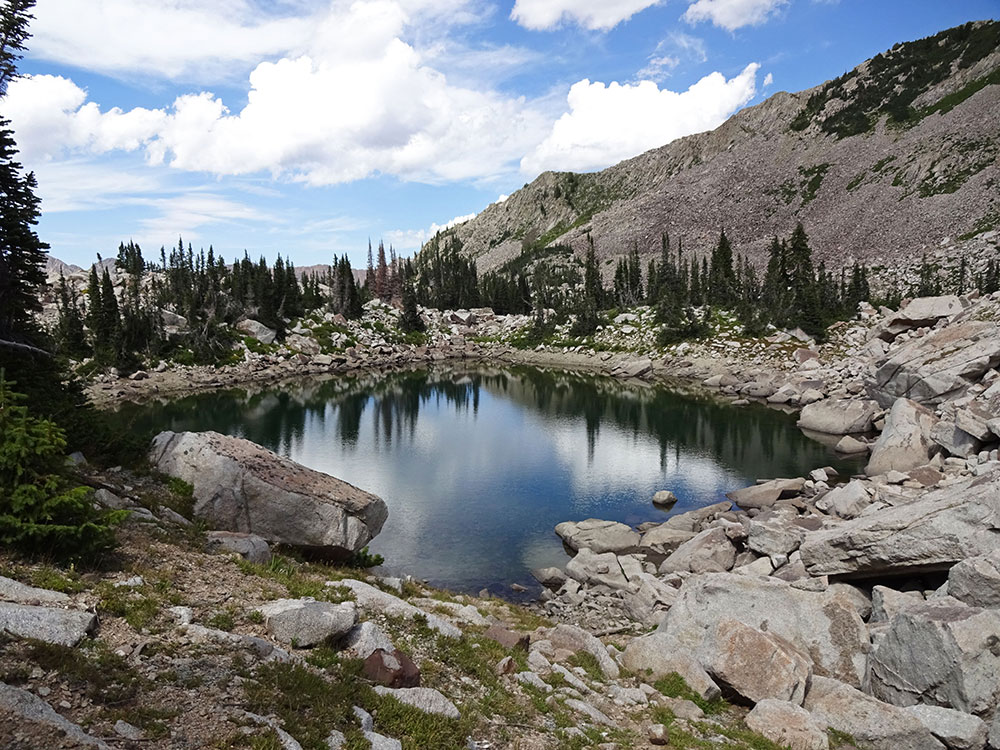
- Summer: Hiking, climbing, and scenic drives
- Fall: Vibrant foliage and crisp air
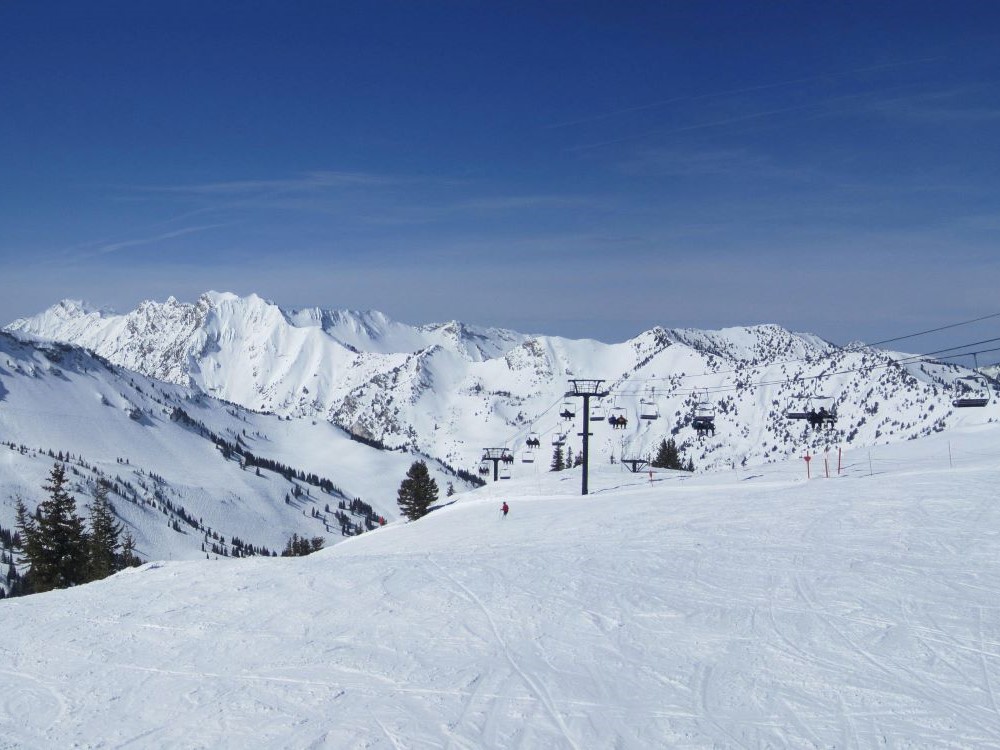
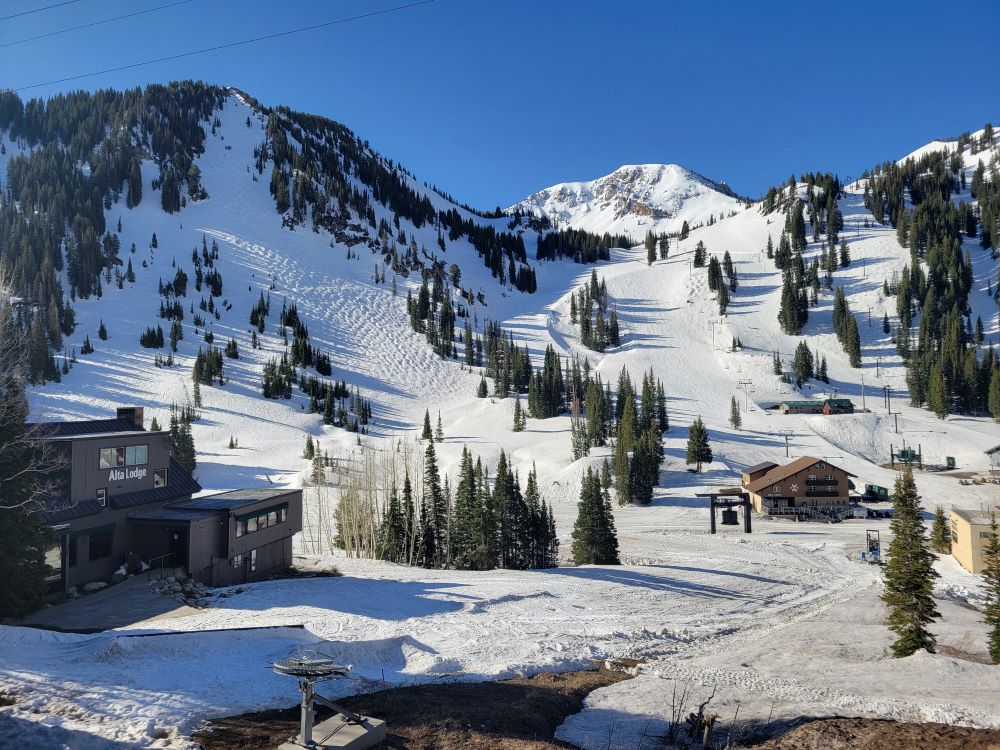
- Winter: Skiing and snowboarding at Alta and Snowbird resorts
How to Get There
From Salt Lake City: Get on I-15 S/I-80 E from 500 S/Cesar E. Chavez Blvd. Follow I-15 S and I-215 E/Belt Route to UT-190 E/6200 S/Big Cottonwood Rd. Take exit 6 from I-215 E/Belt Route. Continue on UT-190 E. Take Wasatch Blvd E to UT-210 N.
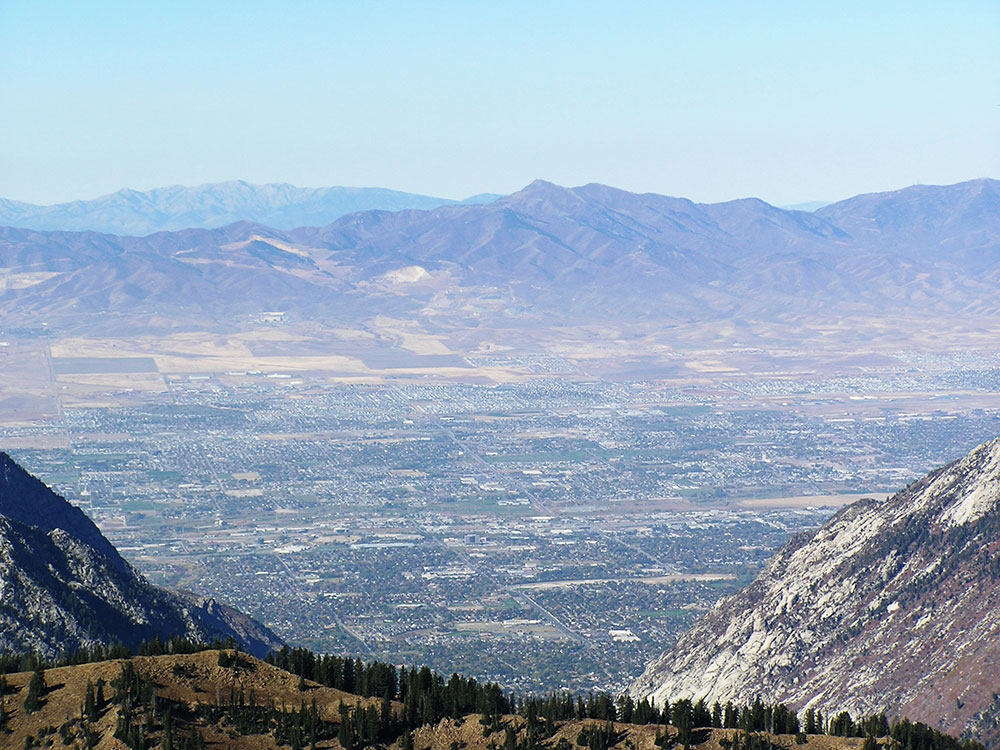
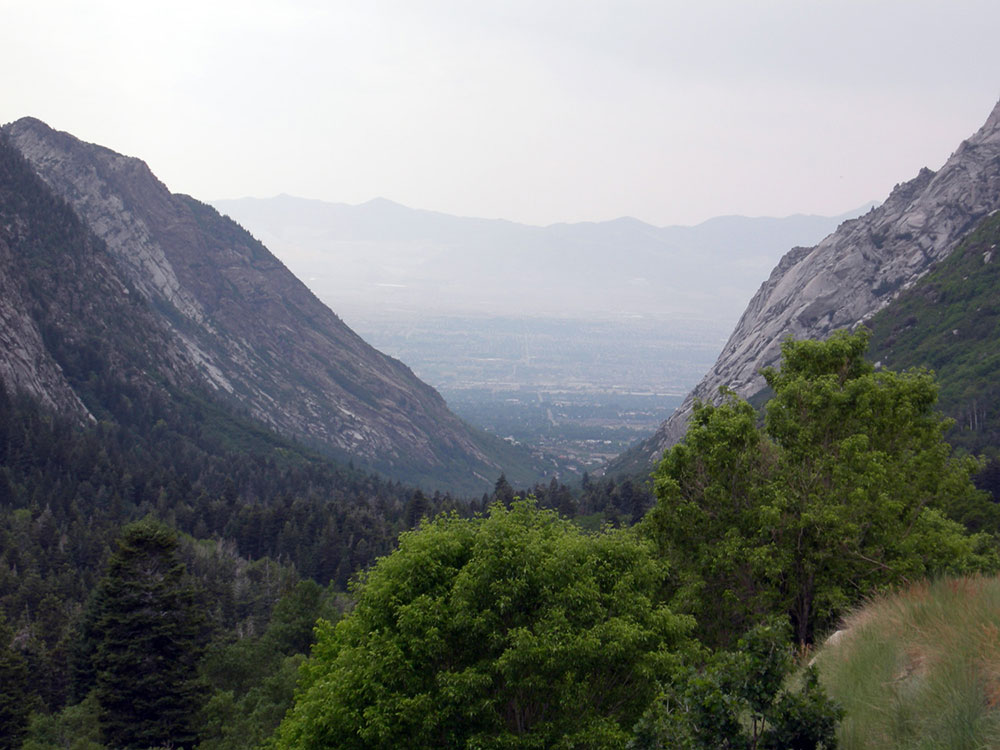
Little Cottonwood Canyon lies within the Wasatch-Cache National Forest along the eastern side of the Salt Lake Valley, roughly 15 miles from Salt Lake City, Utah. The canyon is part of Granite, a CDP and "Community Council" designated by Salt Lake County. The canyon is a glacial trough ("U" shaped canyon), carved by an alpine glacier during the last ice age, 15,000 to 25,000 years ago. A number of rare and endemic plant species are found in the canyon's Albion Basin. Mountain goats inhabit the surrounding mountains.
The Salt Lake Temple of the LDS Church was built of blocks of quartz monzonite, granite, and granodiorite which Latter Day Saint pioneers quarried from the Little Cottonwood Stock near the mouth of the canyon.
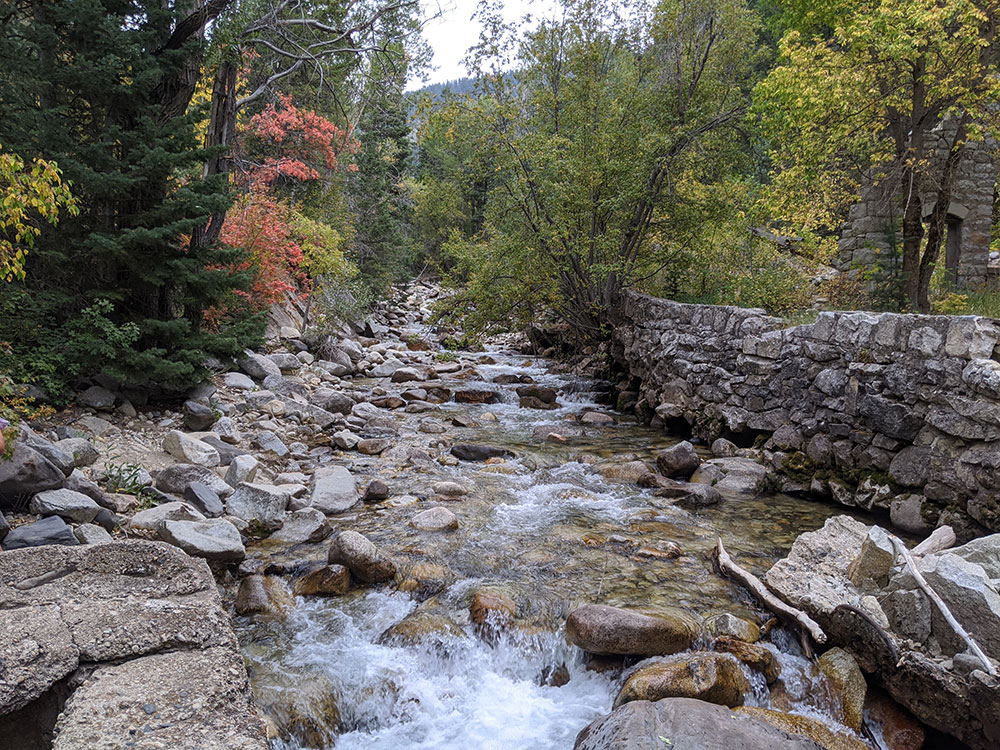
State Route 210 is the primary access road to the canyon, running from the canyon mouth up to Alta. Little Cottonwood Creek runs down the length of the canyon, beginning at Cecret Lake at Alta and flowing westward.
Recreational activities
Recreational activities in Little Cottonwood Canyon include hiking, camping, fishing, mountain biking, rock climbing, Bouldering, skiing, snowboarding, and backcountry use. There are two resorts in the canyon, Alta and Snowbird, providing both summer and winter recreational opportunities. The Utah Native Plant Society often conducts wildflower walks at Albion Basin and in other locations in the canyon. The road is approximately 8.3 miles from the base of the canyon to the top with an average grade of 9.2%, making it a popular road cycling challenge.
Skiing and snowboarding
Little Cottonwood Canyon is home to two ski areas, Snowbird and Alta. Both areas are well known for the amount of snow they receive each year with Alta averaging around 550 inches per year. The canyon is also well known for its backcountry skiing access, with over 300 named backcountry runs including one of the most prominent peaks in the canyon, Mount Superior.
Rock climbing
The lower third of the canyon is strewn with quartz monzonite, granite, and granodiorite outcroppings, mostly consisting of smooth steep faces, some up to several hundred feet high. Local climbers informally refer to the rock as granite, which is a close relative to quartz monzonite.
This article uses material from the Wikipedia article "Big Cottonwood Canyon", which is released under the Creative Commons Attribution-Share-Alike License 3.0