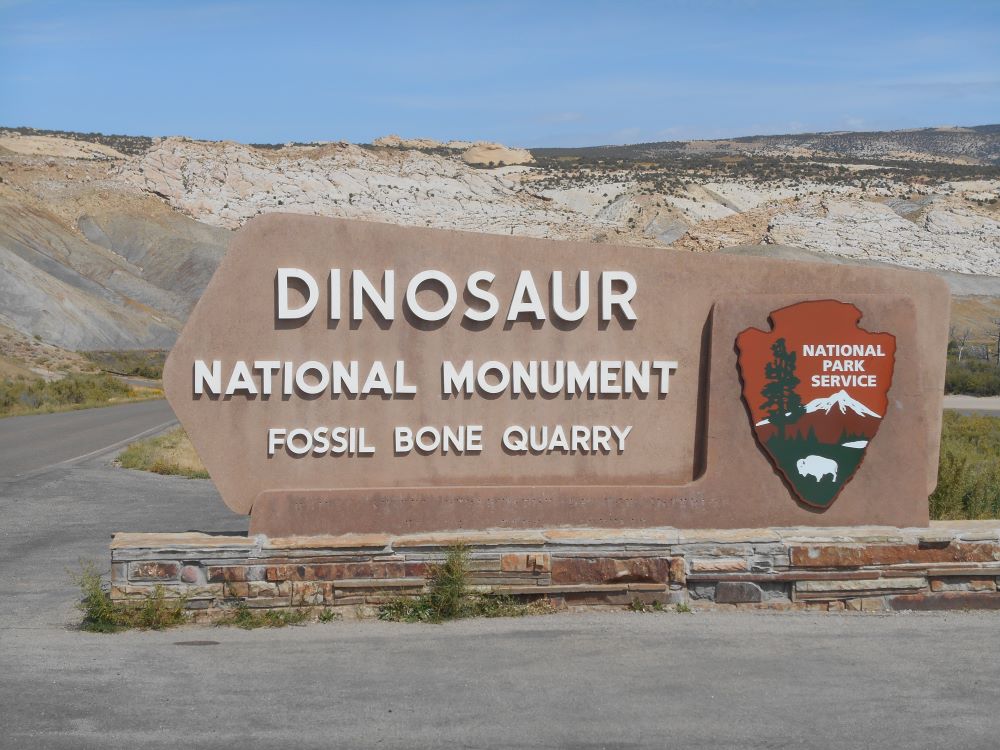
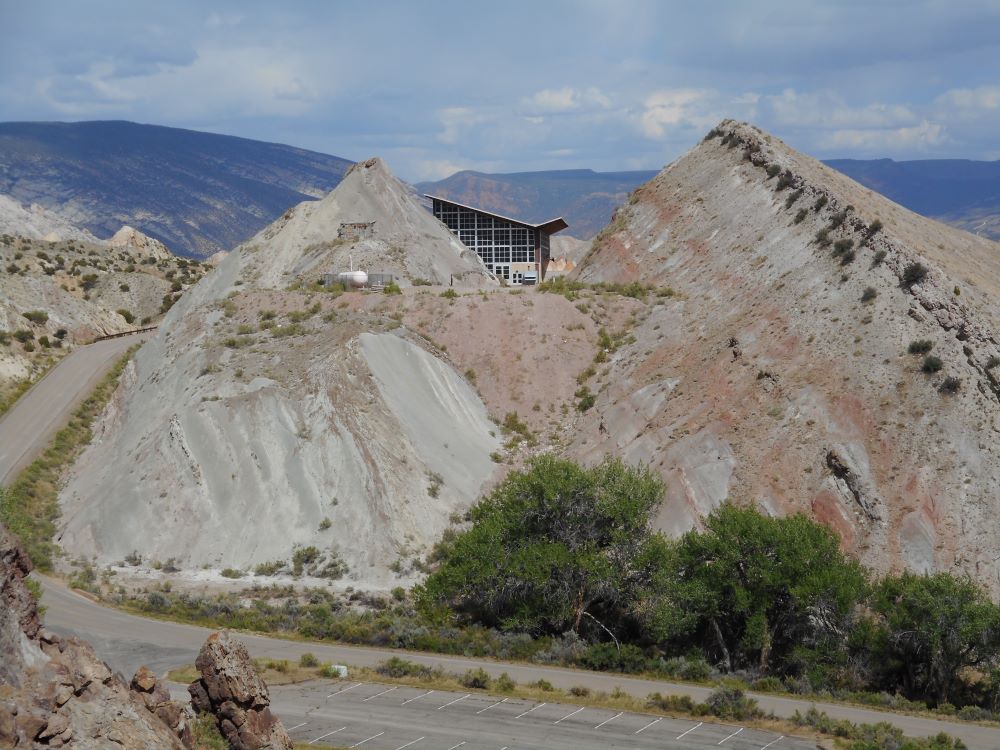
Expansive protected area featuring fossil beds, ancient petroglyphs, rugged canyons, and scenic rivers ideal for hiking, rafting, and exploration.
General Information
Quarry Exhibit Hall: Summer 8am–5:30pm, Winter 9am–5pm
Canyon Visitor Center: Summer 9am–5pm, Fall 9:30am–4:30pm
Closed Thanksgiving, Christmas, and New Year’s Day
Walk-in visitors: $15
Motorcyclists: $20
Annual Monument Pass: $45
How to Get There
From Vernal, UT (20 mi): Take US-40 E toward Dinosaur, CO, and follow signs to the Quarry Visitor Center entrance.
Overview
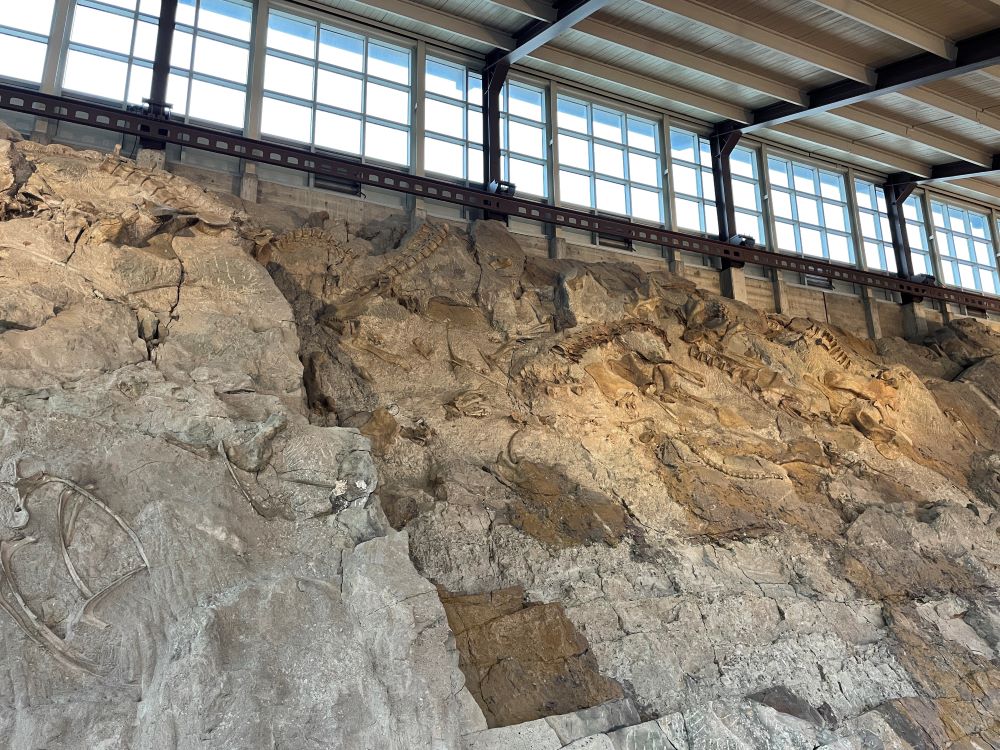
The Dinosaur National Monument spans over 210,000 acres across the rugged borderlands of Colorado and Utah, offering a rare convergence of paleontology, geology, and human history. The monument’s crown jewel is the Quarry Exhibit Hall, where more than 1,500 dinosaur fossils remain embedded in a cliff face, allowing visitors to see and even touch the bones of creatures that roamed the Earth 149 million years ago. Beyond the fossils, the monument preserves ancient petroglyphs and pictographs left by the Fremont people, offering a glimpse into a civilization that thrived here over a thousand years ago.
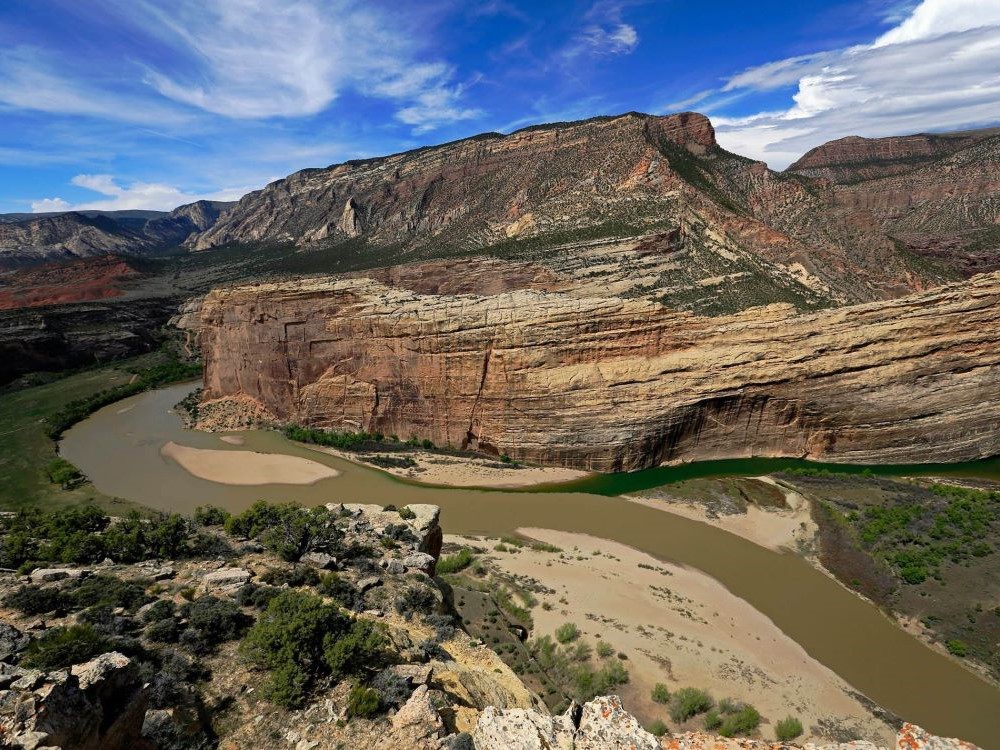
Visitors can explore a diverse landscape of deep canyons, high desert plateaus, and two wild rivers—the Green and Yampa—that carve through the monument’s heart. Hiking trails like the Fossil Discovery Trail and Harpers Corner Trail provide access to scenic overlooks and geological wonders, while whitewater rafting offers a thrilling way to experience the monument’s remote beauty. With its blend of scientific significance and natural splendor, Dinosaur National Monument is a destination that invites both reflection and adventure.
Things to Do
Walk Among Fossils and Wild Canyons in One of America's Most Unique National Monuments
Dinosaur National Monument spans the border of northwestern Colorado and northeastern Utah, preserving more than 210,000 acres of rugged canyon country, mountain landscapes, prehistoric fossils, and wild rivers. Established in 1915, the monument is world-famous for its exceptionally preserved dinosaur fossils, while also offering spectacular scenery, archaeological sites, wildlife viewing, rafting adventures, and hiking opportunities.
Visit the Quarry Exhibit Hall
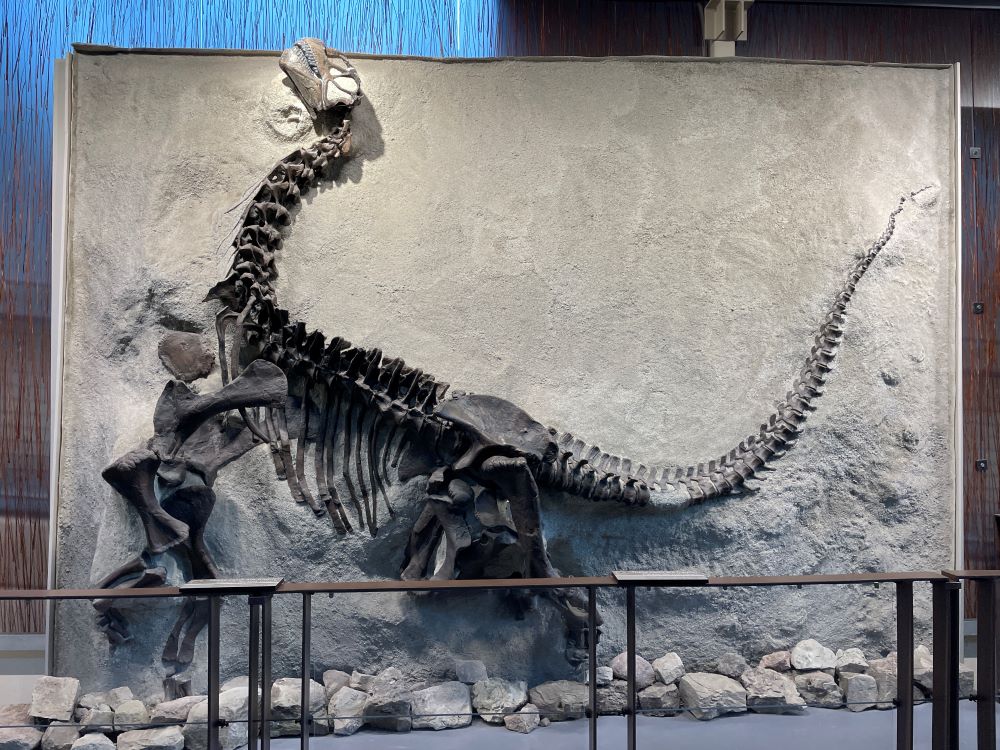
The monument's most famous attraction is the Quarry Exhibit Hall, where visitors can see more than 1,500 dinosaur fossils exposed in a cliff face just as they were discovered. The fossil wall contains remains of numerous Jurassic-period dinosaurs, including Allosaurus, Apatosaurus, Camarasaurus, Diplodocus, and Stegosaurus. Visitors can view and even touch some fossils while learning about the region's rich paleontological history.
Explore the Green and Yampa Rivers
Dinosaur National Monument contains the confluence of the Green and Yampa Rivers, which have carved dramatic canyons through layers of ancient rock. The monument is one of the premier rafting destinations in the United States, offering everything from scenic float trips to challenging whitewater adventures through Gates of Lodore, Whirlpool Canyon, and Split Mountain Canyon.
Discover Ancient Indigenous History
The monument contains numerous archaeological sites, including Fremont petroglyphs, pictographs, and habitation areas dating back more than 1,000 years. Visitors can view remarkable rock art panels that provide insight into the cultures that lived in the area long before European settlement.
Enjoy Scenic Drives and Wildlife Viewing
The monument's scenic roads provide access to overlooks, canyons, rock formations, and wildlife habitats. Visitors may observe mule deer, elk, bighorn sheep, coyotes, beavers, golden eagles, peregrine falcons, and numerous other species throughout the year.
Top Trails
Fossil Discovery Trail
Length: Approximately 1.2 miles one way
Elevation Gain: Moderate
Difficulty: Moderate
This interpretive trail connects the Quarry Visitor Center and Quarry Exhibit Hall. Along the route, visitors encounter fossils still embedded in rock layers and learn about the geological processes that preserved them.
Sound of Silence Trail
Length: Approximately 3.2 miles loop
Elevation Gain: Moderate
Difficulty: Moderate
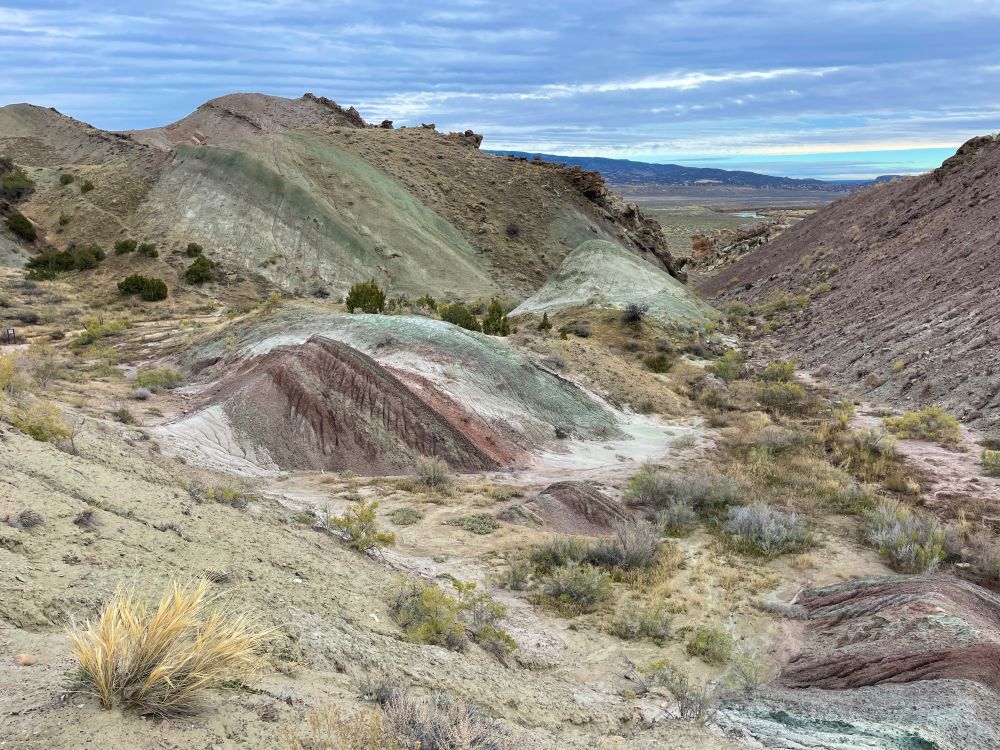
One of the monument's most popular hikes, this trail traverses colorful desert terrain and offers sweeping views of canyons, mesas, and distant mountain ranges. It provides an excellent introduction to the monument's dramatic landscape.
Harpers Corner Trail
Length: Approximately 2 miles round trip
Elevation Gain: Minimal
Difficulty: Easy
This scenic trail follows a ridge to one of the monument's premier overlooks. Visitors are rewarded with breathtaking views of the confluence region where the Green and Yampa Rivers cut through deep canyon systems.
River Trail
Length: Approximately 2 miles round trip
Elevation Gain: Minimal
Difficulty: Easy
Following the Green River near the Quarry area, this trail provides opportunities for birdwatching, wildlife observation, and viewing the river corridor that has shaped much of the monument's landscape.
Sources: National Park Service official Dinosaur National Monument information, including details on the Quarry Exhibit Hall, dinosaur fossils, Green and Yampa Rivers, scenic drives, archaeological resources, hiking trails, and recreational opportunities. https://www.nps.gov/dino
Additional information verified through National Park Service visitor resources covering the Fossil Discovery Trail, Sound of Silence Trail, Harpers Corner, rafting opportunities, Fremont rock art, and wildlife viewing throughout Dinosaur National Monument.
This article uses material from the Wikipedia articles and official tourism pages for the Dinosaur National Monument, which are released under the Creative Commons Attribution-ShareAlike 3.0 Unported License.