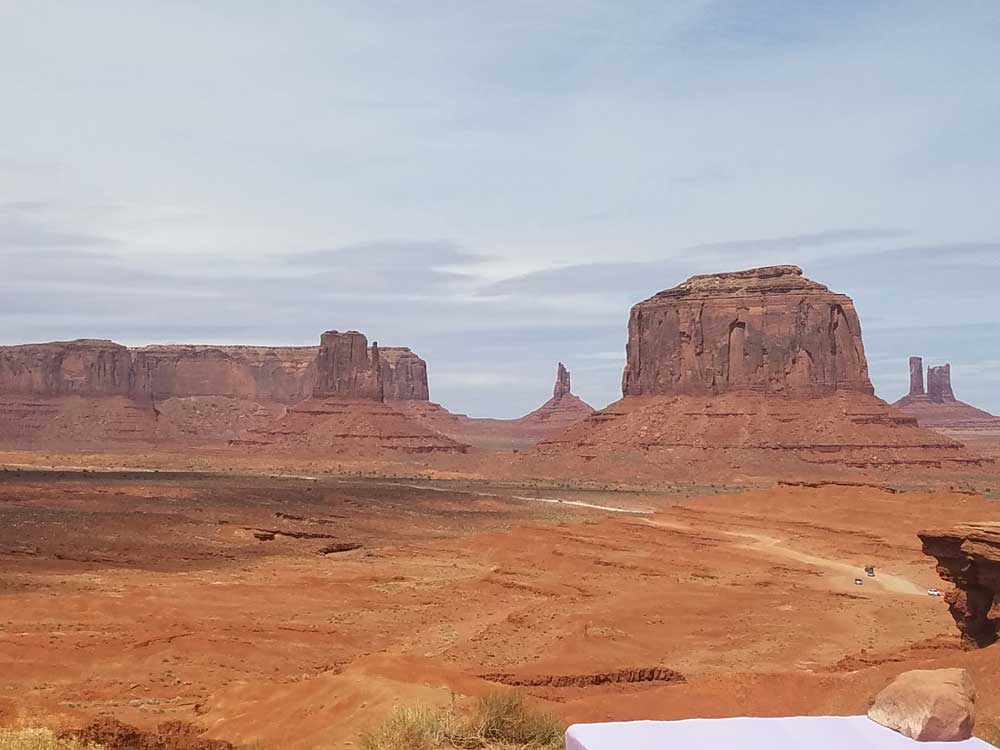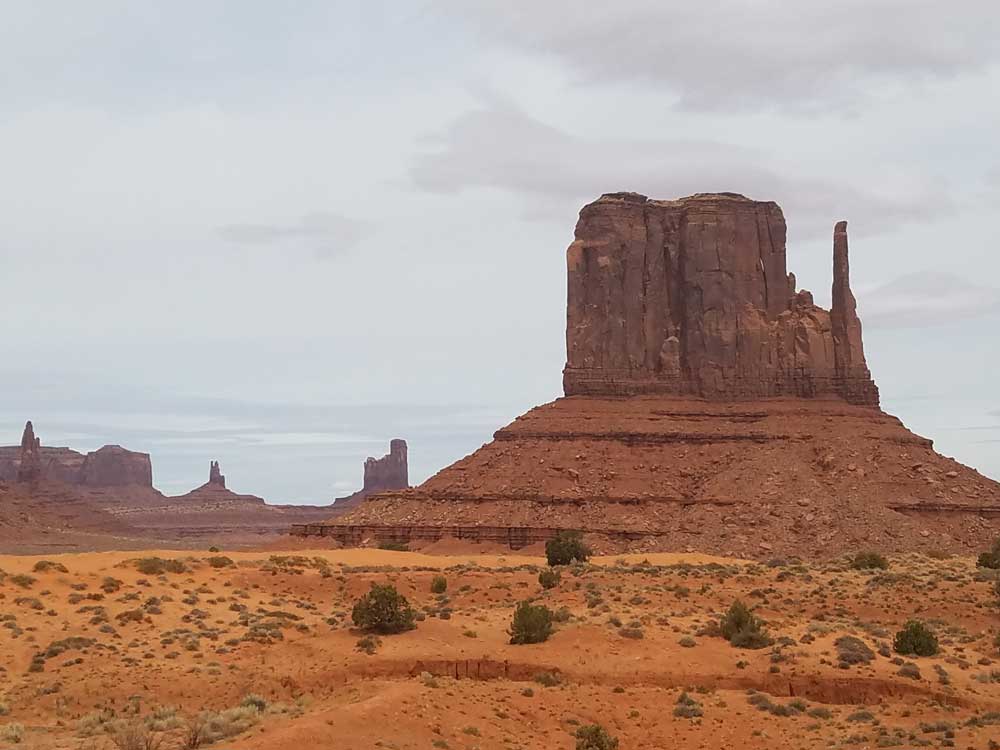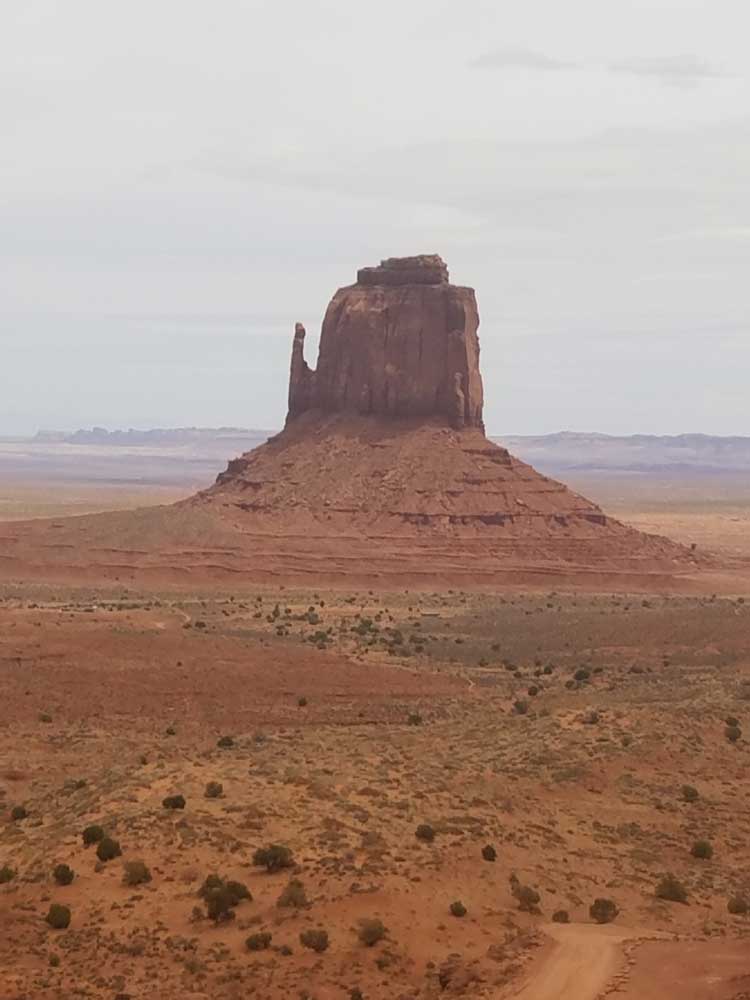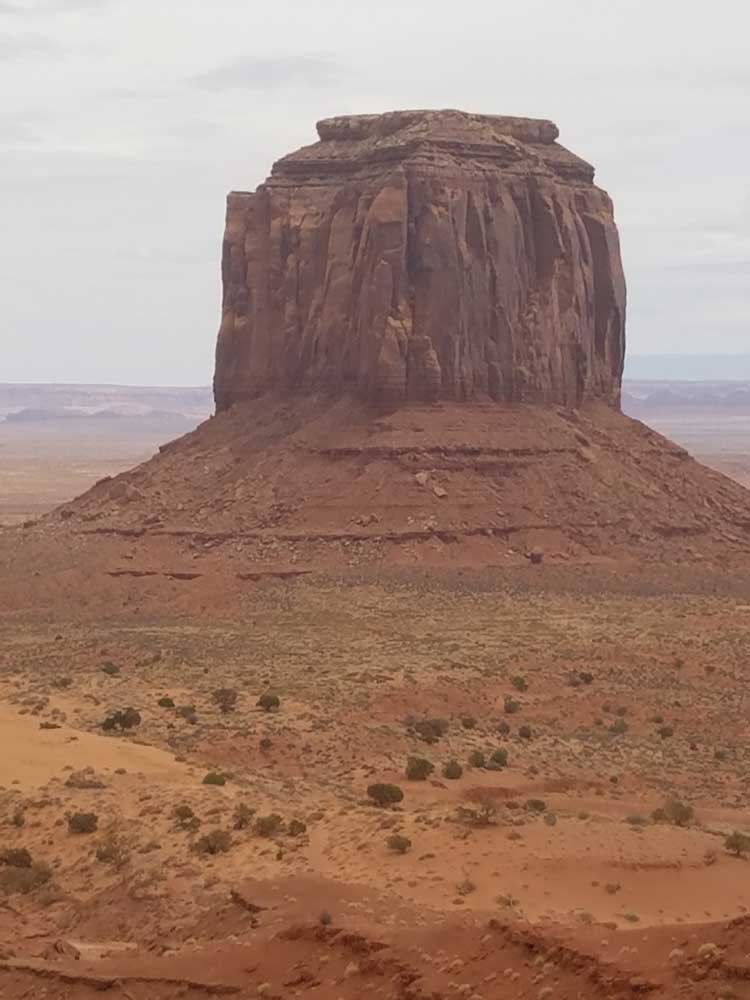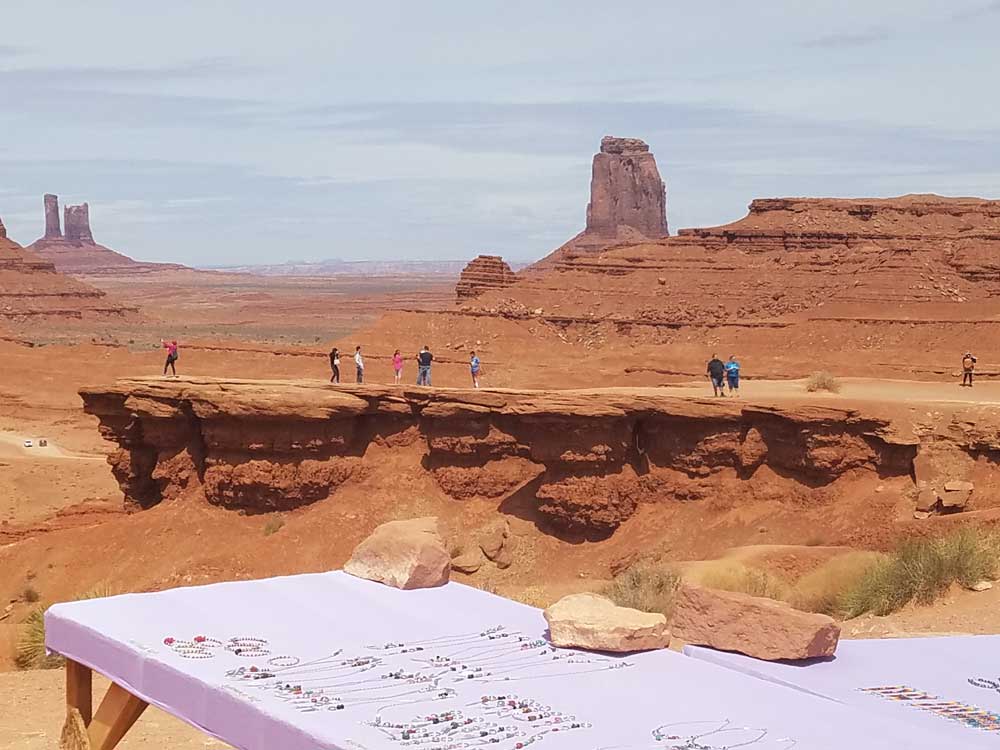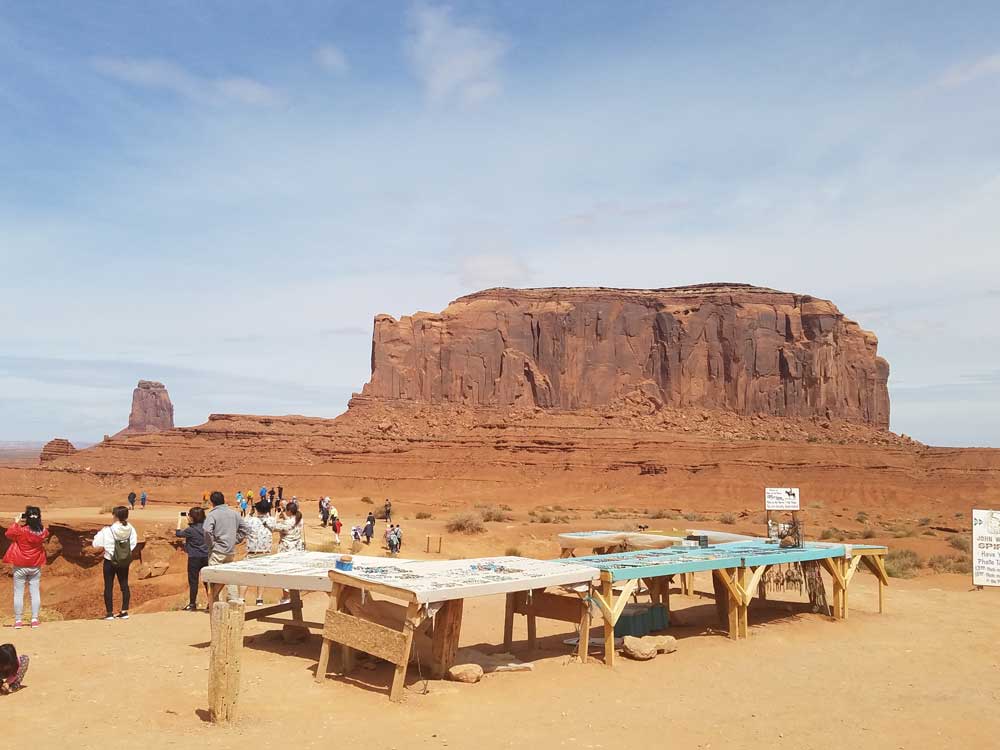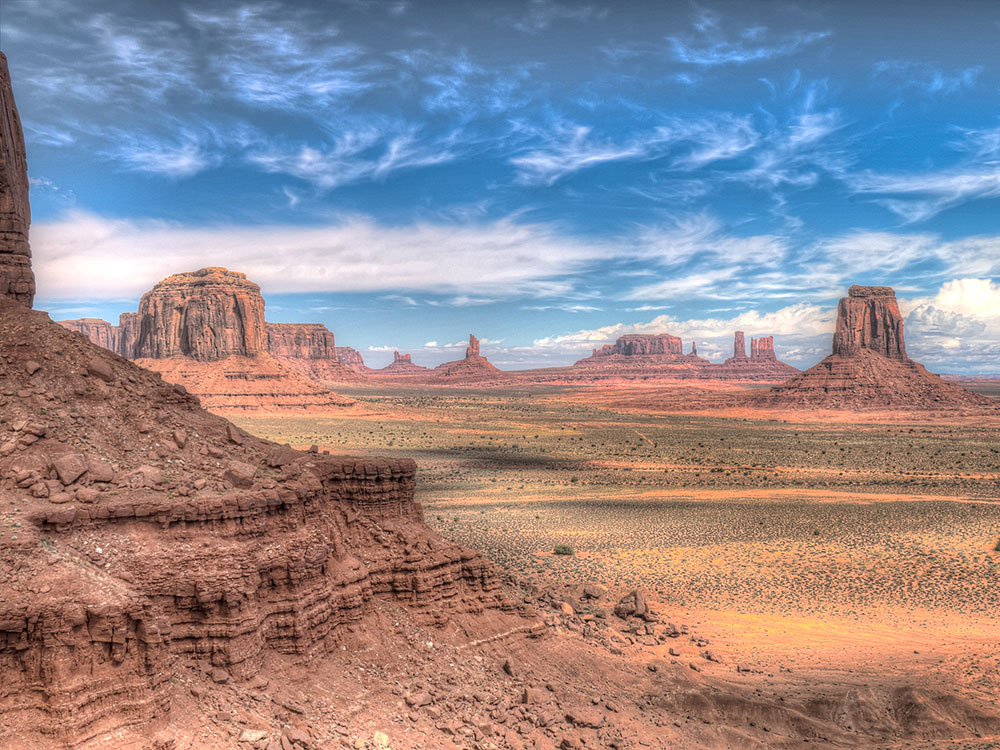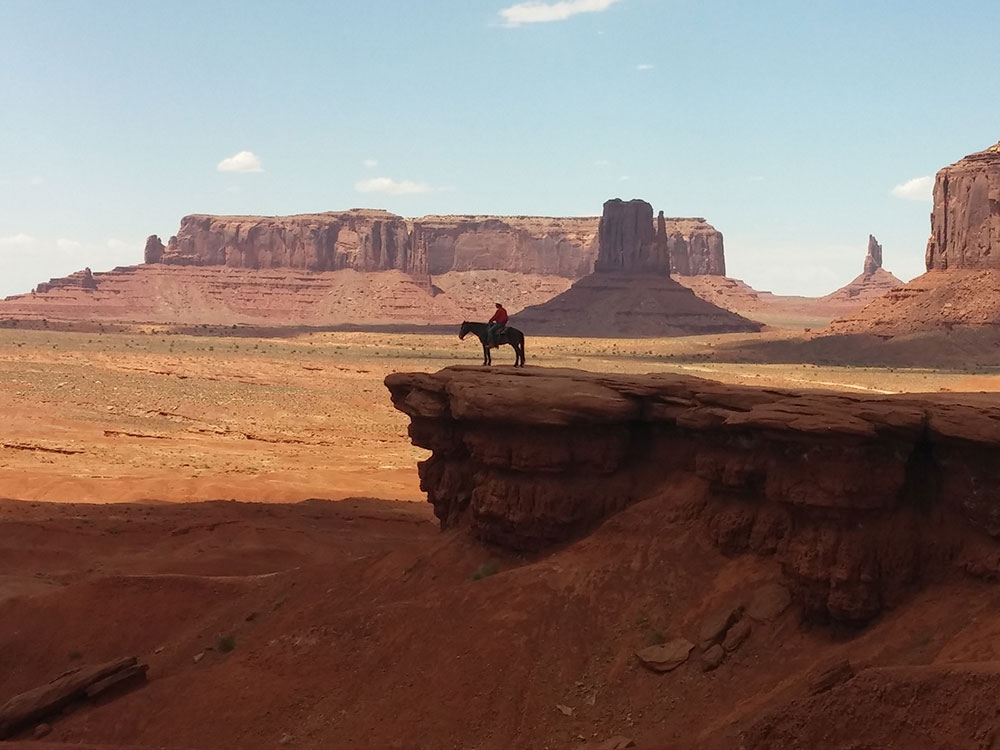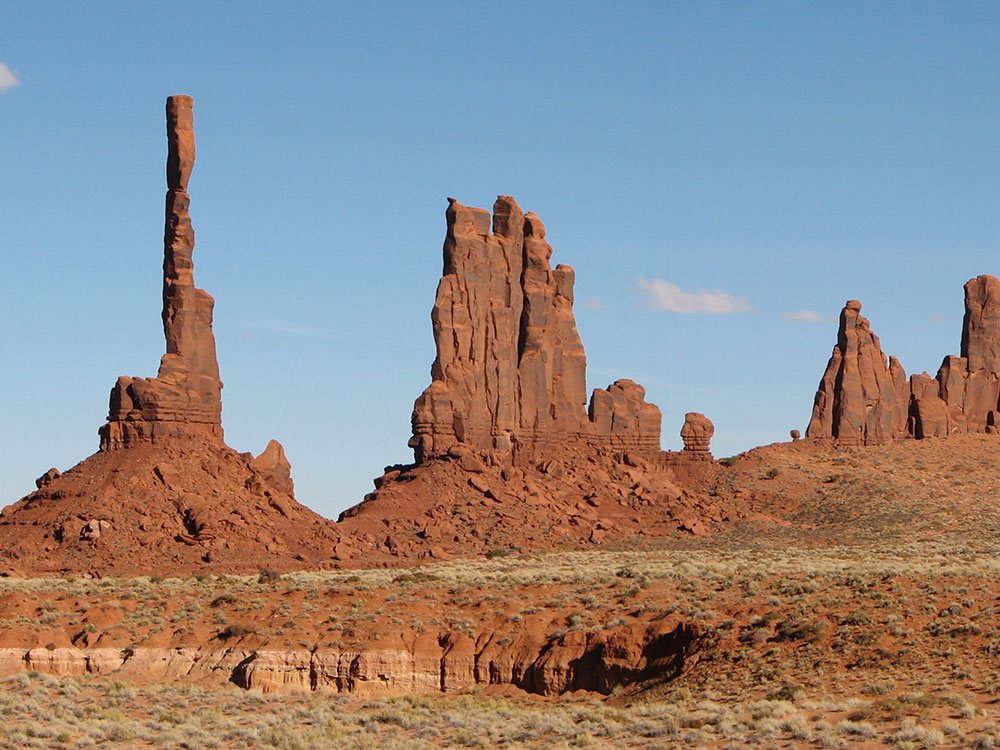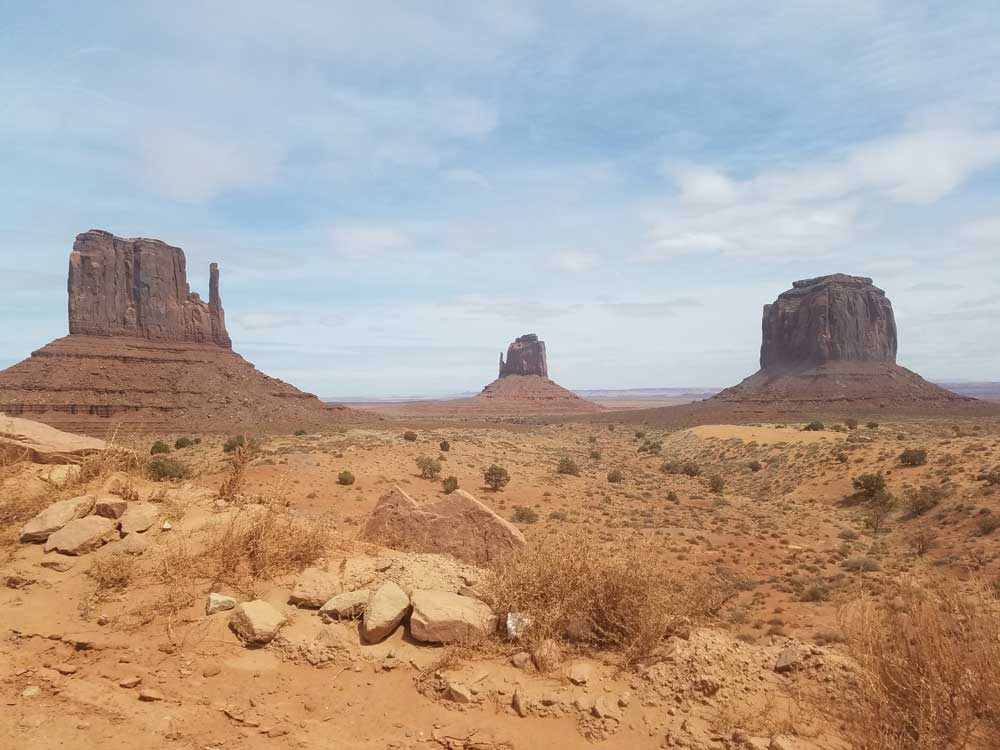
Vast desert landscape defined by towering sandstone buttes, mesas, and expansive open plains shaped by erosion over millions of years into iconic natural formations.
General Information
- Hours:
-
Visitor Center (May 1 – Sept 30): 6:00am – 8:00pm daily
Visitor Center (Oct 1 – Apr 30): 8:00am – 5:00pm daily
Scenic Drive Summer: 7:00am – 7:00pm (last entry 4:30pm)
Scenic Drive Winter: 8:00am – 5:00pm (last entry 2:30pm) - Fees:
-
General Admission: $8.00 per person
Vehicle Entry (up to 4 people): $20.00
Additional persons: $8.00 each
National Park Passes are not accepted - Pet Policy:
-
Pets are allowed on Wildcat Trail and Valley Drive
Must be leashed at all times
Not permitted inside the visitor center - Closest cities with hotels:
-
Kayenta, AZ (22 mi)
Mexican Hat, UT (25 mi)
Page, AZ (121 mi) - Seasons:
-
Best times to visit: April–May and September–October for mild weather and fewer crowds
Summer (June–August) is hottest and busiest
Winter (November–March) is quiet and scenic with occasional snow - Location:
- Monument Valley Navajo Tribal Park, Oljato-Monument Valley, UT 84536
- Website:
- navajonationparks.org
How to Get There
From Page, AZ (151mi) Follow AZ-98 E to US-160 E in Navajo County. Take US-163 N to UT-261 N in San Juan County. Drive to UT-316 W
Overview
Monument Valley (Tsé Bii’ Ndzisgaii, “valley of the rocks”) on the Arizona–Utah state line is the iconic image of the American West: a cluster of vast red sandstone buttes rising up to 1,000 feet from the desert floor. It is located within the Navajo Nation and reached via U.S. Highway 163, with the Navajo Tribal Park serving as the main visitor destination. The buttes’ vivid red comes from iron oxide, and famous formations include the “Eye of the Sun.”
Director John Ford used Monument Valley for many of his best-known Westerns, and it has appeared in film, television and advertising ever since the 1930s. Parts of the valley, such as Mystery Valley and Hunts Mesa, are accessible only by guided tour. Forrest Gump Point, where Forrest ends his run in the 1994 film, is on U.S. 163, about 13 miles outside the park.
History
The Navajo have lived in Monument Valley for generations, and in the 1920s Harry and Leone Goulding opened a trading post that would help introduce the valley to Hollywood. Director John Ford filmed Stagecoach here in 1939, followed by many other Westerns, and the buttes became a symbol of the American West. The Navajo Nation established the tribal park in 1958.
Things to Do
Drive the Valley Drive
The 17-mile dirt loop passes the Mittens, Merrick Butte, John Ford's Point and other famous formations; a high-clearance vehicle is helpful.
Watch the Sunrise
Sunrise behind the Mittens is one of the classic sights of the Southwest.
Take a Guided Tour
Navajo guides lead tours to areas closed to private vehicles, such as Mystery Valley and Hunts Mesa.
Stay at The View Hotel
The Navajo-owned hotel and campground overlook the valley, as does Goulding's Lodge nearby.
Top Trails
Wildcat Trail
Length: Approximately 3.2 miles loop
Elevation Gain: Approximately 400 feet
Difficulty: Moderate
The only self-guided hiking trail in the park starts near The View Hotel, descends to the valley floor and loops around the West Mitten Butte. There is little shade, so start early and carry plenty of water. Other hikes in the valley require a Navajo guide.
This article uses material from the Wikipedia article "Monument Valley", which is released under the Creative Commons Attribution-Share-Alike License 3.0