Archaeological site of the first permanent English settlement in North America featuring excavation areas, historic foundations, museums, monuments, and preserved colonial landscapes.
General Information
- Hours:
- Daily: 9:00am to 5:00pm
Entrance Gate: 8:45am to 4:30pm
Closed Thanksgiving Day, Christmas Day, and New Year's Day - Fees:
- Adults (16+): $30 combined admission
Children 6-15: $5
Children 5 and under: Free - Pet Policy:
- Pets are welcome on a leash and are allowed throughout the historic site and Island Loop Drive but are not permitted in visitor centers or museums
- Closest cities with hotels:
- Williamsburg (8 mi)
- Seasons:
- All year
- Location:
- 1368 Colonial Parkway, Jamestown, VA 23081
- Website:
- historicjamestowne.org
How to Get There
From Williamsburg (8 mi): Take Colonial Parkway southwest toward Jamestown and continue to the Historic Jamestowne entrance at the end of the island causeway.
Overview
Historic Jamestowne on Jamestown Island in the James River is the site of the 1607 James Fort and the 17th-century town that became the first permanent English settlement in North America. It is run jointly by the National Park Service (as part of Colonial National Historical Park) and Preservation Virginia, and it sits next to the living-history Jamestown Settlement.
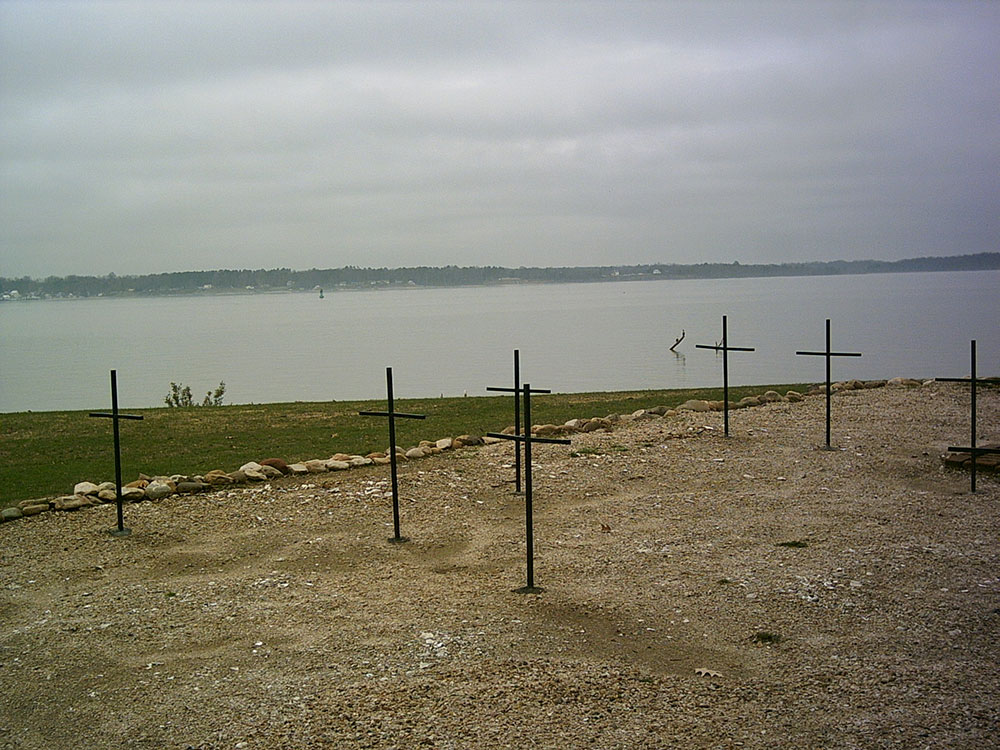
The colonists landed on May 13, 1607, and nearly perished in the "starving time" of 1609-1610, when only about 60 survived. Jamestown was Virginia's capital until it burned in 1698 and the government moved to Williamsburg in 1699. The fort site was thought lost to river erosion until archaeologists discovered it in 1996, and excavations continue.
What to See
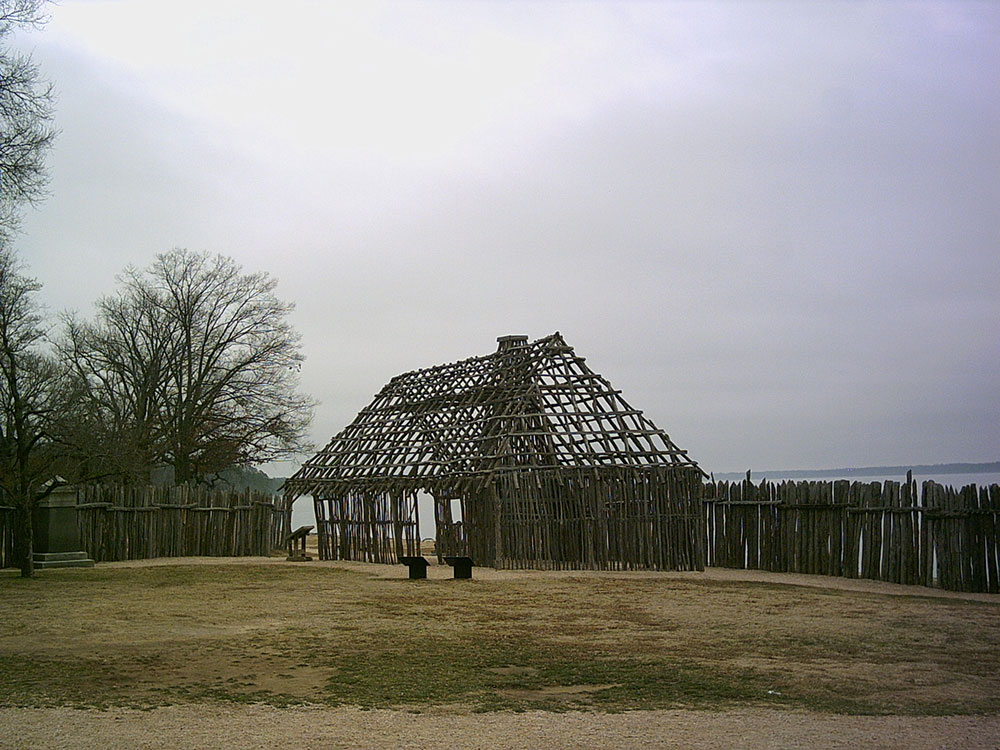
- Old Town: ruins within the original James Fort, the restored Jamestown Church (rebuilt around a 17th-century tower), and the Statehouse ruins
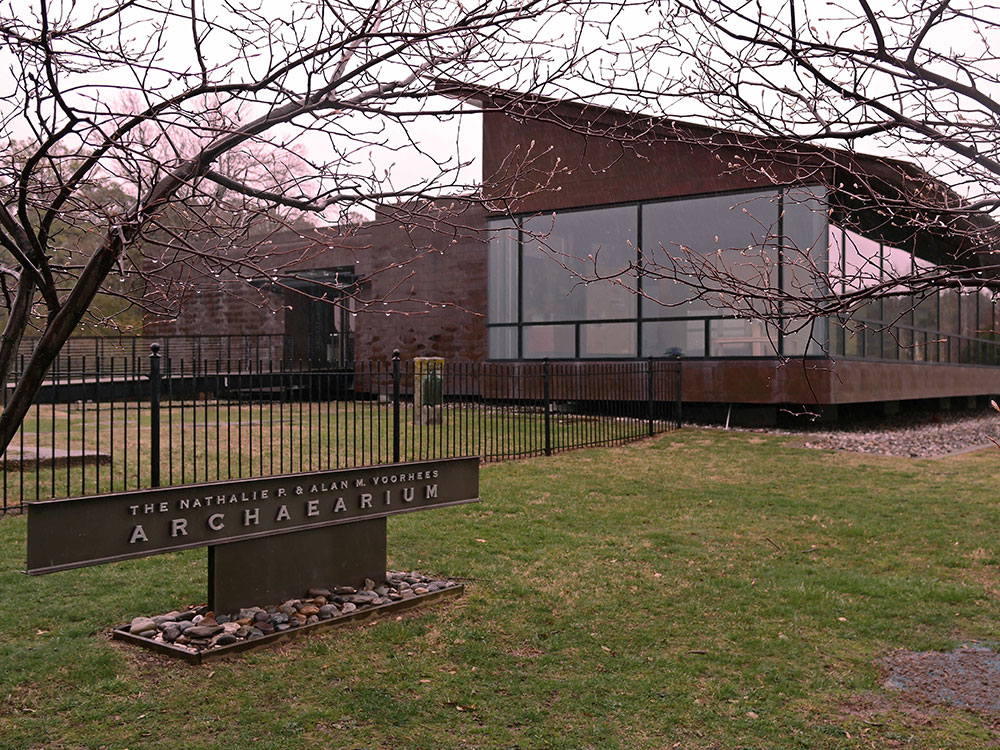
- Voorhees Archaearium: a museum of excavated artifacts from the fort, built over the last Statehouse's remains
- New Town: Ambler Mansion ruins, a rowhouse, and Governor Harvey House
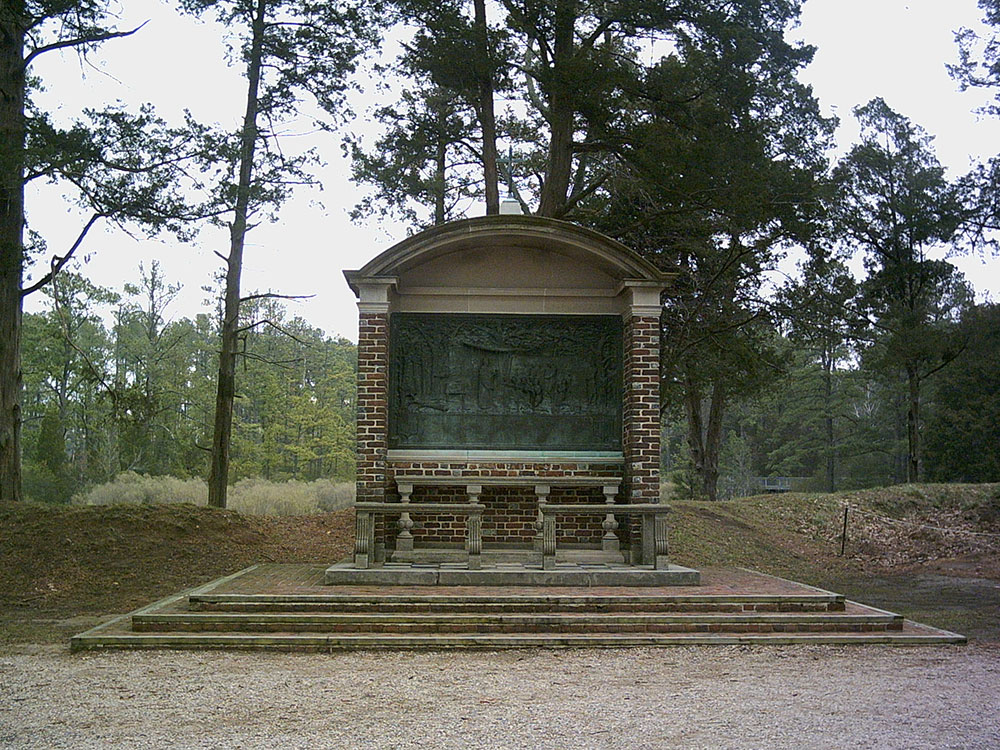
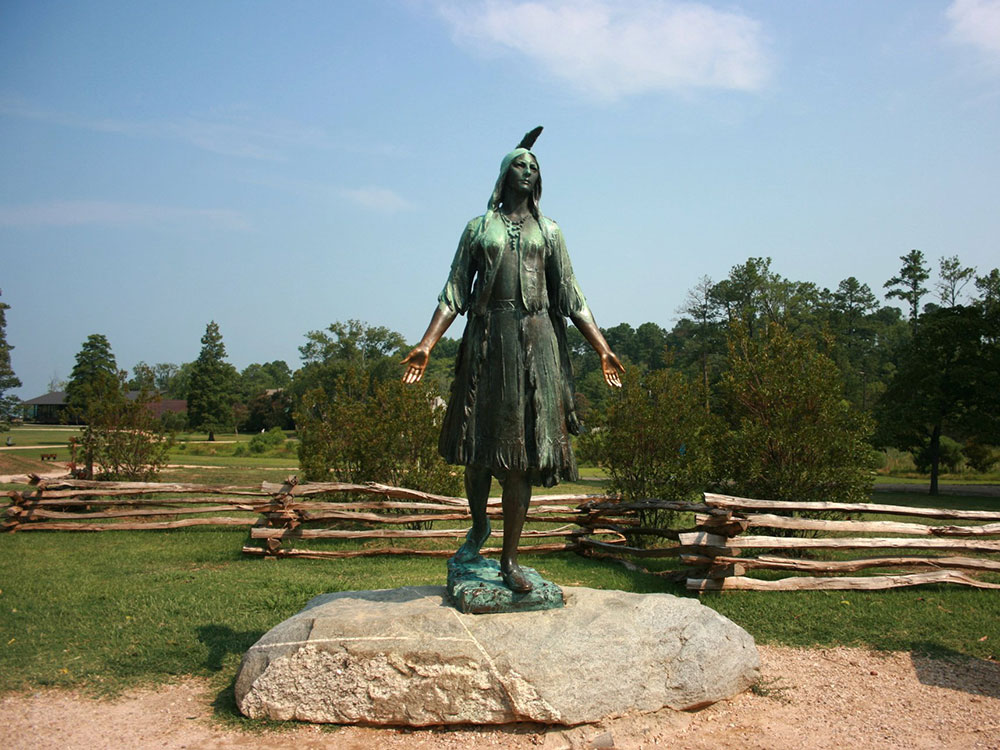
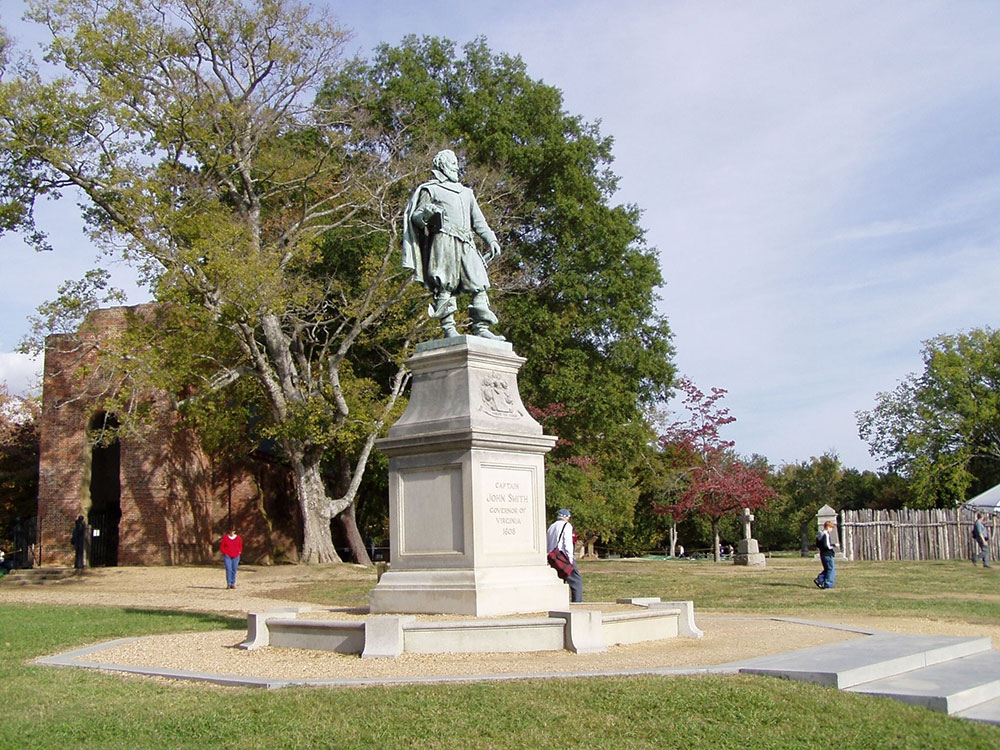
- Monuments and statues: the 103-foot Tercentenary Monument, and bronze statues of John Smith and Pocahontas
- Active archaeology that you can often watch
This article uses material from the Wikipedia article "Historic Jamestown", which is released under the Creative Commons Attribution-Share-Alike License 3.0