Columbia Travel Guide
Columbia, the capital city of South Carolina, is a vibrant and culturally rich destination that offers a blend of history, art, and southern charm. The city boasts a thriving arts scene, with numerous galleries, theaters, and live music venues that showcase local talent. Visitors can explore the historic downtown area, which is home to beautiful architecture, boutique shops, and a variety of dining options that highlight the flavors of southern cuisine. Columbia also offers an array of outdoor activities, including parks, gardens, and nearby lakes for boating and fishing.
Places to See in Columbia

Columbia Canal and Riverfront Park
Scenic urban park featuring a historic canal, riverside trails, and green spaces ideal for walking, jogging, and community events.
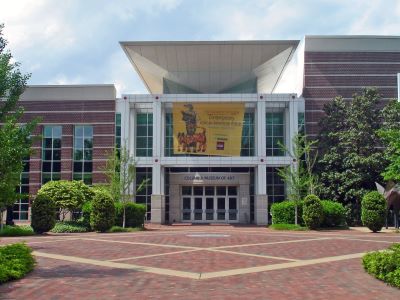
Columbia Museum of Art
Multilevel art institution featuring rotating exhibitions, a permanent collection of European and American works, and interactive educational programs.
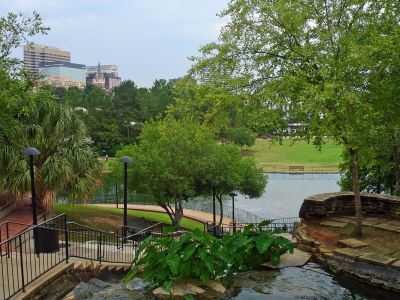
DXR, CC BY-SA 4.0, via Wikimedia Commons; Image Size Adjusted

Finlay Park
Urban green space featuring cascading fountains, walking paths, open lawns, playgrounds, and event spaces designed for recreation, relaxation, and community gatherings.
Five Points
Eclectic district offering boutique shopping, diverse dining, public art, and year-round community events in a walkable urban setting.
Governors Mansion
Historic executive residence offering guided tours and public garden access, showcasing South Carolina’s political heritage and architectural elegance.
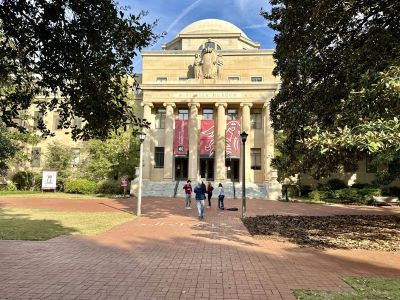
Chris Pruitt, CC BY-SA 3.0, via Wikimedia Commons; Image Size Adjusted

McKissick Museum
Academic museum featuring exhibitions in natural sciences, Southern culture, and decorative arts with a focus on regional heritage and research.
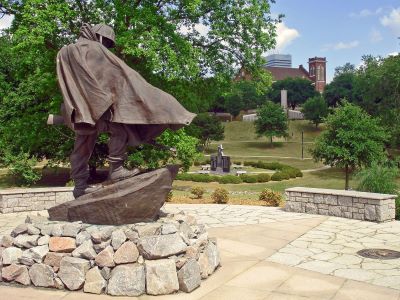
Memorial Park
Landscaped green space featuring walking paths, shaded lawns, historical monuments, and reflective memorials honoring military service and sacrifice.
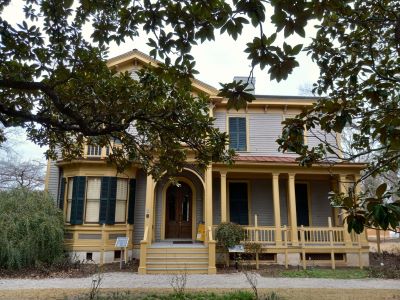
Warren LeMay from Covington, KY, United States, CC0, via Wikimedia Commons; Image Size Adjusted

Museum of the Reconstruction Era
Historic residence transformed into a museum exploring the political, social, and cultural shifts during the post-Civil War Reconstruction period.
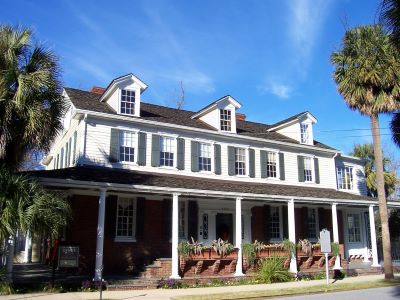
The ed17, CC BY-SA 4.0, via Wikimedia Commons; Image Size Adjusted

Seibels House
Historic antebellum residence showcasing preserved period architecture, original furnishings, and cultural heritage from the early 19th century.
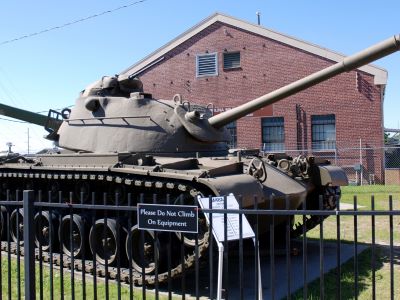
South Carolina Military Museum
State-operated museum showcasing South Carolina’s military history through artifacts, uniforms, vehicles, and interactive exhibits.
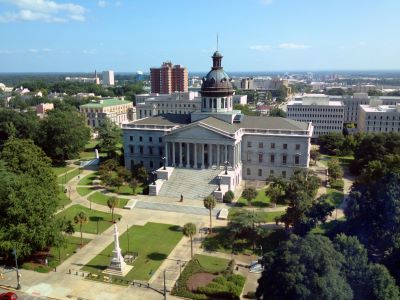
Warren LeMay from Covington, KY, United States, CC0, via Wikimedia Commons; Image Size Adjusted

South Carolina State House
Architecturally significant government building housing the state legislature and executive offices, offering public tours and historical exhibits.
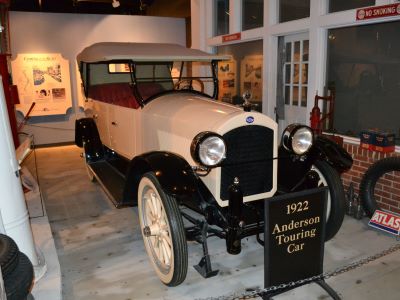
South Carolina State Museum
Expansive museum housed in a historic textile mill featuring four floors of exhibits on science, history, art, and technology, plus a planetarium and 4D theater.
Overview
Columbia is the capital and second-largest city of South Carolina, in the center of the state at the confluence of the Saluda and Broad Rivers, which form the Congaree. It is the home of the University of South Carolina and the Gamecocks, the Riverbanks Zoo and Garden, and the South Carolina State House. The city is a center for government, education, and healthcare, with a lively downtown, a river corridor, and an active arts scene, and is nicknamed "Famously Hot" for its summer climate.
Visitors come to Columbia for the State House, the Columbia Museum of Art, and the South Carolina State Museum. They also come for the Riverbanks Zoo, the shops and restaurants of Five Points, the Columbia Canal and Riverfront Park, and nearby Congaree National Park, and for Gamecocks football on Saturdays.
History
Columbia was founded in 1786 as a planned capital in the center of the state, replacing Charleston, which was too far from the interior, and it was named for Columbia, a poetic name for the United States. It grew as a center for cotton and for the University of South Carolina, founded in 1801. In 1861, the Ordinance of Secession was signed in Charleston after being debated in Columbia, and in February 1865, General William T. Sherman's troops burned much of the city, with fires destroying the downtown. The city rebuilt, and the State House, which was damaged by shelling, is marked with bronze stars where cannon shells struck. In the twentieth century, Columbia developed as a center for government and the military, with Fort Jackson, the largest U.S. Army basic training post, nearby.
Sightseeing and Popular Landmarks
The South Carolina State House, completed in 1907, has bronze stars on its walls that mark where Union shells struck, and the grounds have monuments and statues. The Governor's Mansion and the Seibels House are historic buildings, and Five Points is a lively district of shops, restaurants, and bars near the university. Finlay Park is a downtown park, and the Columbia Canal and Riverfront Park has a historic canal and a trail along the river.
Culture and Museums
The Columbia Museum of Art has a collection of European and American art and a Renaissance collection, and the South Carolina State Museum is in a former textile mill and has exhibits on art, history, and science. The McKissick Museum at the University of South Carolina focuses on Southern folk art, and the Reconstruction Era museum at the Woodrow Wilson Family Home tells the story of the period. The South Carolina Military Museum and the Columbia Marionette Theatre are other attractions.
Parks
Riverbanks Zoo and Garden has more than 2,000 animals and a botanical garden on the Saluda River, and Memorial Park honors veterans. The Three Rivers Greenway is a trail along the rivers, and the Congaree River is popular for kayaking and tubing. Congaree National Park, about 20 miles southeast, protects the largest old-growth bottomland hardwood forest in the Southeast, with a boardwalk and canoe trails, and it is a spot to see synchronous fireflies in late spring.
Seasons and Weather
Columbia has a humid subtropical climate. Summers are very hot and humid, with highs in the mid 90s°F, and winters are mild, with highs in the 50s°F and almost no snow. Spring and fall are the most pleasant seasons, and thunderstorms are common in summer. Hurricanes and tropical storms occasionally bring heavy rain, as in October 2015.
This article uses material from Wikipedia as well as information from official tourism and institutional sources. Key references include Experience Columbia SC, South Carolina State Museum, Columbia Museum of Art, Riverbanks Zoo and Garden, National Park Service Congaree National Park, Discover South Carolina, and National Weather Service Columbia. Wikipedia material is from the article "Columbia, South Carolina", and is available under the Creative Commons Attribution-Share-Alike License 3.0.