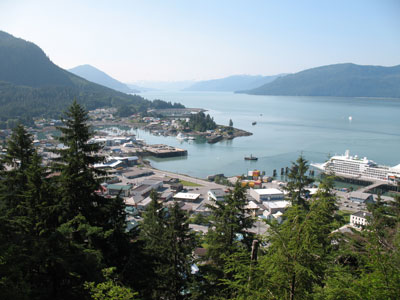

Remote island community offering a blend of rich Tlingit heritage, gold rush history, and access to pristine wilderness, glaciers, and abundant wildlife.
General Information
- Hours:
- Open year-round; businesses, tours, and attractions operate seasonally with peak activity in summer
- Fees:
- Free to visit; individual tours, museums, and excursions have separate fees
- Pet Policy:
- Pets are generally allowed in outdoor public areas on leash; restrictions vary by businesses and accommodations
- Closest cities with hotels:
- Wrangell
- Seasons:
- Best visited May through September for full access to tours, wildlife viewing, and outdoor activities; accessible year-round
- Location:
- Wrangell, AK 99929
- Website:
- travelwrangell.com
How to Get There
From Wrangell Airport (3 mi): Take Airport Rd into town or use local shuttle/taxi services to reach the downtown harbor area.
Overview
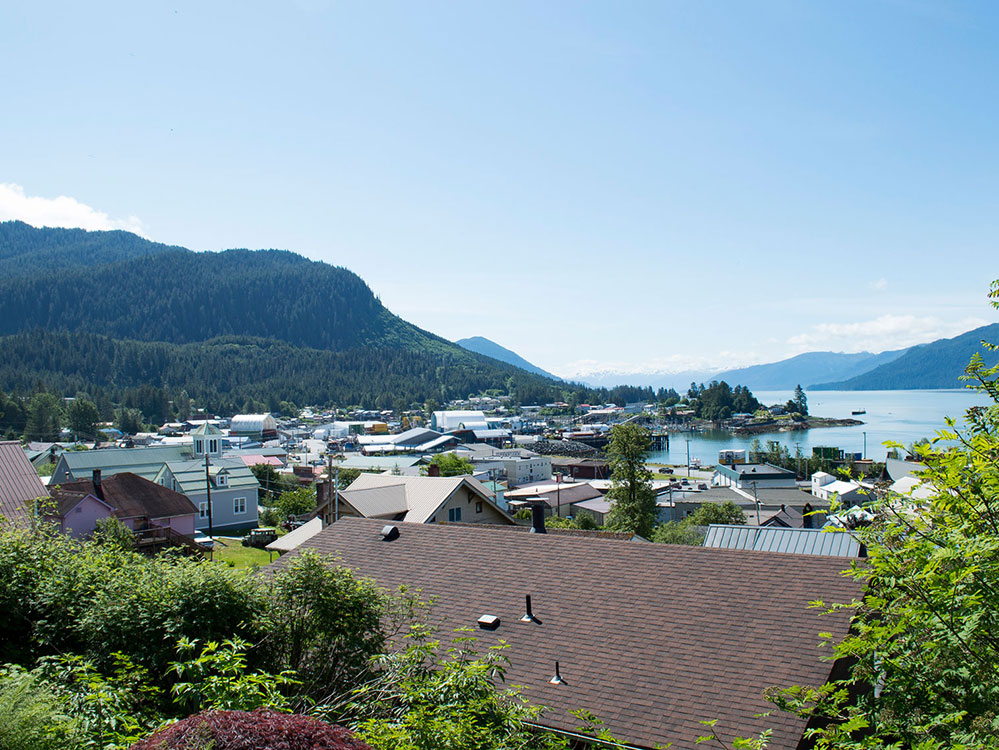
Wrangell is a small, remote town on Wrangell Island in Southeast Alaska, at the mouth of the Stikine River, and it is the only city in Alaska to have been governed under four nations: the Tlingit, Russia, Britain, and the United States. The town has a quiet, authentic character, with a fishing and timber economy, few cruise ships, and a rich Native heritage that includes ancient petroglyphs. It is the gateway to the Stikine River, the fastest free-flowing navigable river in North America, and to the Anan bear observatory.
Visitors come to Wrangell for Petroglyph Beach State Historic Park, for the Chief Shakes Tribal House, and for jet boat tours up the Stikine River. They also come for the LeConte Glacier, for bear viewing at Anan Creek, and for fishing and hiking.
History
The Tlingit Stikine people lived at the mouth of the river for thousands of years, and Chief Shakes was a powerful leader of the Stikine. In 1834, the Russian-American Company built Redoubt St. Dionysius on the site, and in 1840 the British Hudson's Bay Company leased it, renaming it Fort Stikine, and the United States took over in 1867 after the Alaska Purchase. Wrangell was a base for gold rushes up the Stikine River in the 1860s, 1870s, and 1890s, a rowdy supply town. It later became a center for fishing and timber, and today is known for its small-town atmosphere.
Sightseeing and Popular Landmarks
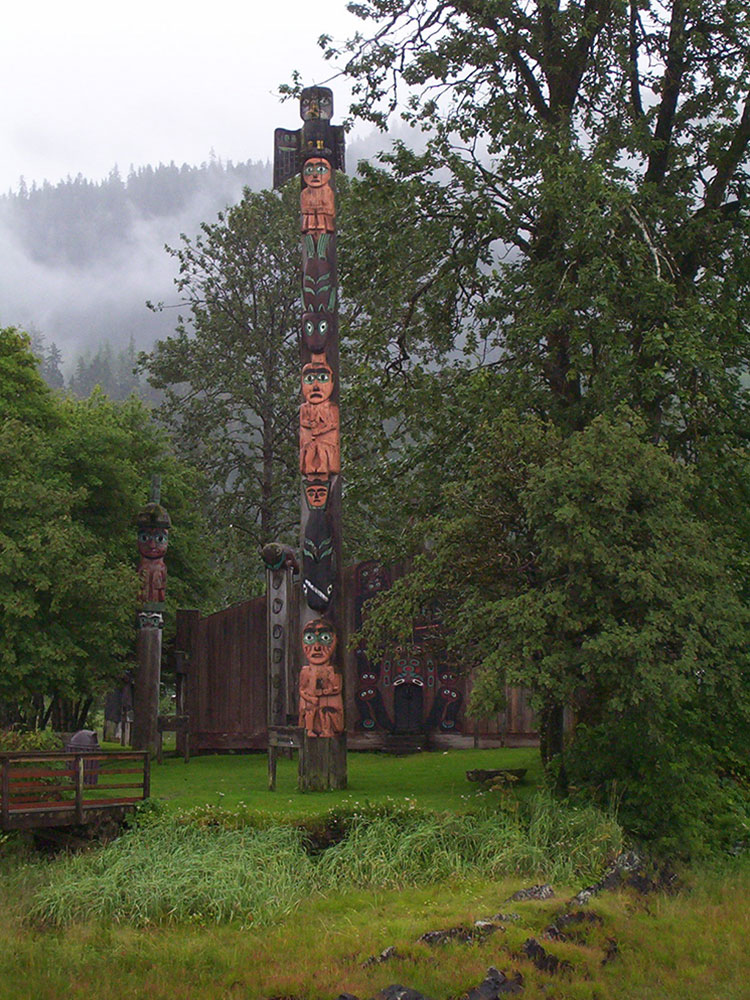
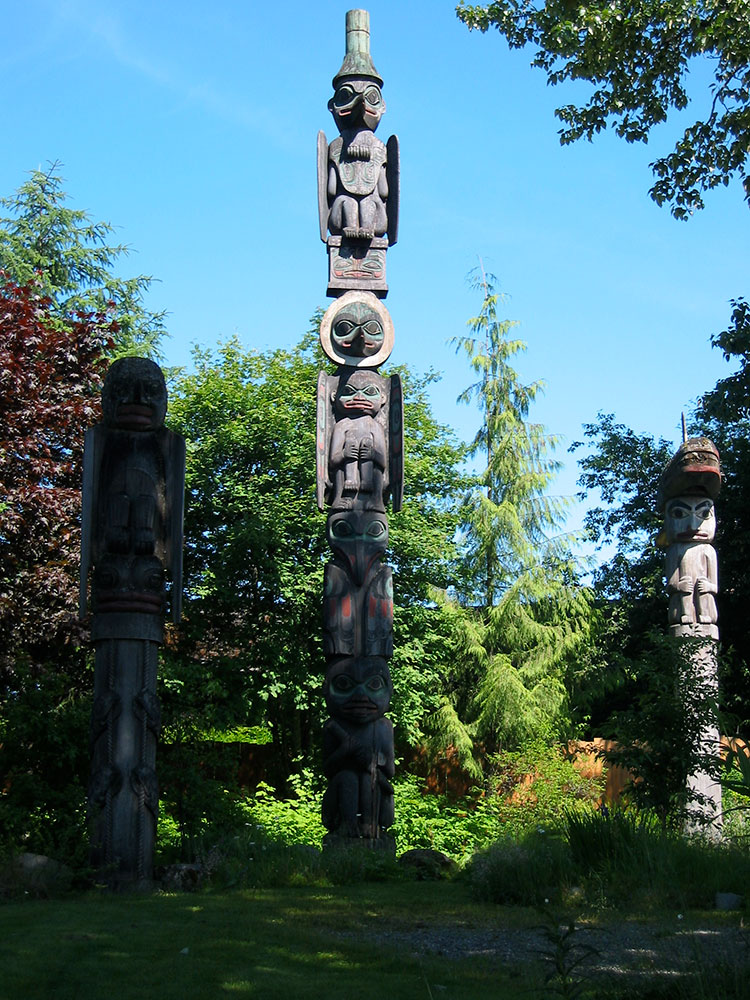
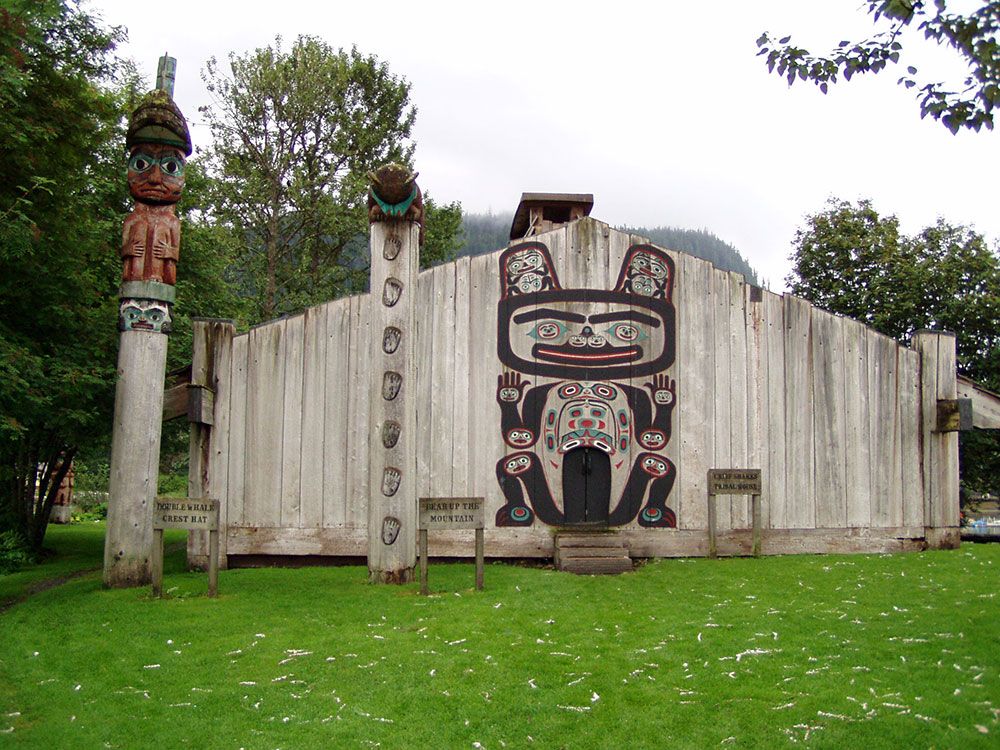
Petroglyph Beach has more than 40 ancient rock carvings of spirals, faces, and animals, which visitors can see on boulders at low tide, and the Chief Shakes Tribal House on a small island in the harbor is a replica of the clan house of the Stikine leader, with totem poles. The Wrangell Museum has exhibits on the town's history, and Fort Wrangell, the site of the Russian redoubt, is now a memorial. The Stikine River delta, with eagles and seals, is a short boat ride from town.
Culture and Museums
The Wrangell Museum has Native artifacts, gold rush items, and a collection about the Stikine River, and the Tlingit culture is celebrated at the Chief Shakes Tribal House and the Kiksadi Totem Park. The town hosts the Garnet Festival and the Fourth of July celebration with a logging show, and the Stikine River Birding Festival in the spring. Garnet Ledge, east of town, is one of only two places in the world where garnets are mined for the public.
Parks
The Stikine River, which flows from British Columbia, offers jet boat tours into the Stikine-LeConte Wilderness, with hot springs and views of glaciers. LeConte Glacier, the southernmost tidewater glacier in the Northern Hemisphere, can be reached by boat, and Anan Wildlife Observatory, a 30-minute boat ride, is one of the best places to watch black and brown bears catching salmon in July and August. Rainbow Falls trail is a short hike, and Mount Dewey has a trail with views of the town.
Seasons and Weather
Wrangell has a temperate rainforest climate. Summers are mild, with highs in the 60s°F, and winters are cool, with highs in the 30s and 40s°F and about 60 inches of snow, and rain falls about 80 inches a year. The best time to visit is from May to September, and bear viewing is best in July and August.
This article uses material from Wikipedia as well as information from official tourism and institutional sources. Key references include Visit Wrangell, Wrangell Museum, Tongass National Forest, Travel Alaska, and National Weather Service Juneau. Wikipedia material is from the article "Wrangell, Alaska", and is available under the Creative Commons Attribution-Share-Alike License 3.0.
Featured Locations and Trails
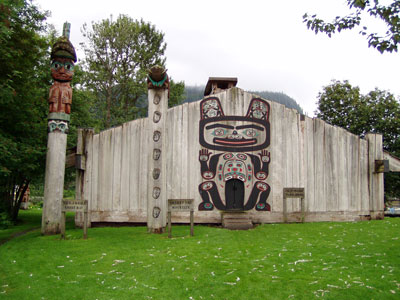
gillfoto, CC BY-SA 4.0, via Wikimedia Commons; Image Size Adjusted

Chief Shakes Historic Site
Historic Tlingit cultural site featuring a reconstructed clan house and totem poles that preserve and interpret Indigenous heritage.
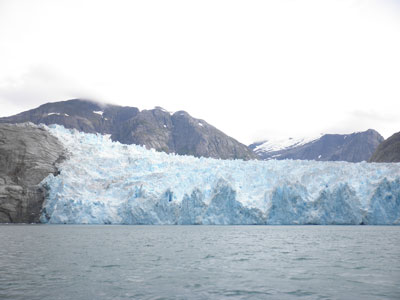
Gomada, CC BY-SA 3.0, via Wikimedia Commons; Image Size Adjusted

LeConte Glacier
Active tidewater glacier with towering blue ice cliffs that regularly calve into a fjord filled with drifting icebergs and abundant marine wildlife.
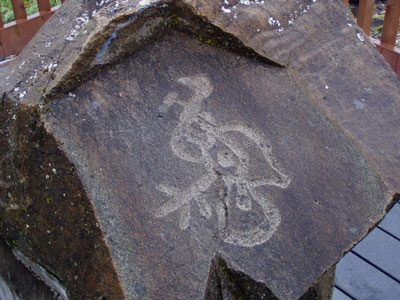
gillfoto, CC BY-SA 4.0, via Wikimedia Commons; Image Size Adjusted

Petroglyph Beach State Historic Park
Coastal historic site featuring ancient rock carvings etched into shoreline boulders, offering insight into early Indigenous culture and artistic expression.
Ethan Reitz, CC BY 2.0, via Wikimedia Commons; Image Size Adjusted

Stikine River
Wild and scenic river corridor featuring glacier-fed waters, dramatic canyon walls, abundant wildlife, Native Alaskan heritage, and opportunities for sightseeing, boating, fishing, and wilderness exploration.