
Coastal historic site featuring ancient rock carvings etched into shoreline boulders, offering insight into early Indigenous culture and artistic expression.
General Information
- Hours:
- Open daily year-round for day use; best visibility of petroglyphs occurs at low tide
- Fees:
- Free admission
- Pet Policy:
- Pets are allowed in outdoor areas
- Closest cities with hotels:
- Wrangell
- Seasons:
- All year; best visited late spring through early fall and during low tide for optimal viewing
- Location:
- Grave St, Wrangell, AK 99929
- Website:
- dnr.alaska.gov
How to Get There
From Wrangell (1 mi): Drive or walk north from downtown along Evergreen Ave, turn onto 5th Ave, and continue to the parking area at the park entrance.
Overview
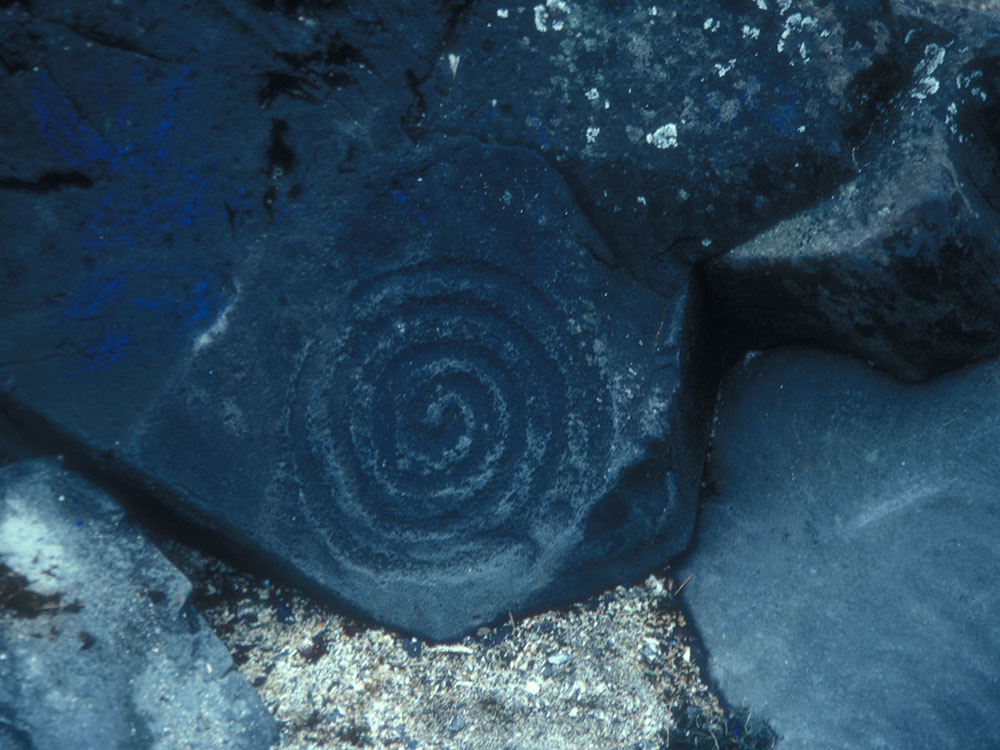
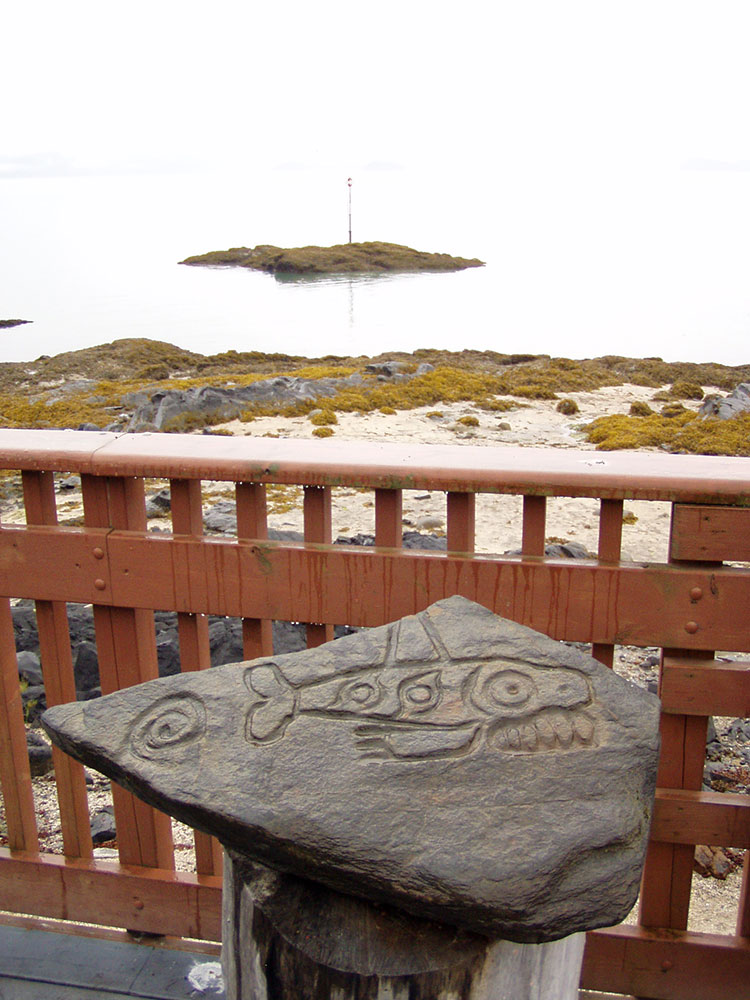
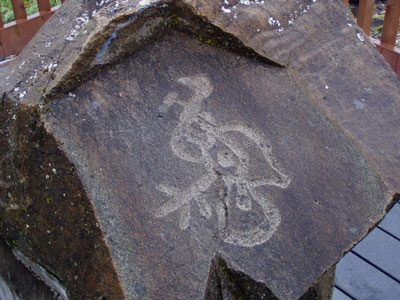
Petroglyph Beach State Historic Park in Wrangell has the highest concentration of Native American petroglyphs in Southeast Alaska. At least 40 carved images, thought to be made by Tlingit people, appear on boulders and bedrock on the shoreline just below and above the high tide line. The designs depict whales, salmon, faces and spirals, and the site is about 8,000 years old. It became a state historic park in 2000 and is one of the most interesting cultural sites in the region. Visitors come to search for the carvings on the beach, take rubbings of replicas and learn about early Indigenous art.
Access
The park is about a mile north of downtown Wrangell, a small island town in Southeast Alaska reached only by air or water. Alaska Airlines flies jets into Wrangell, and the Alaska Marine Highway ferry stops here as well. From town, visitors can walk, bike or drive to the beach on Evergreen Road, where a boardwalk leads to the shore. Cruise ships and small-ship tours occasionally call at Wrangell.
Seasons
The park is open year-round for day use, and the petroglyphs are most visible at low tide, when many of the carved boulders are exposed. Late spring through early fall offers the best weather, long days and tide-table-friendly visits. Winter is wet and gray, though visiting at low tide is still possible. Check the tide chart, and watch for slippery rocks and rising water.
Things to Do
Search for the Petroglyphs
Carvings of whales, faces and spirals appear on the beach boulders at low tide.
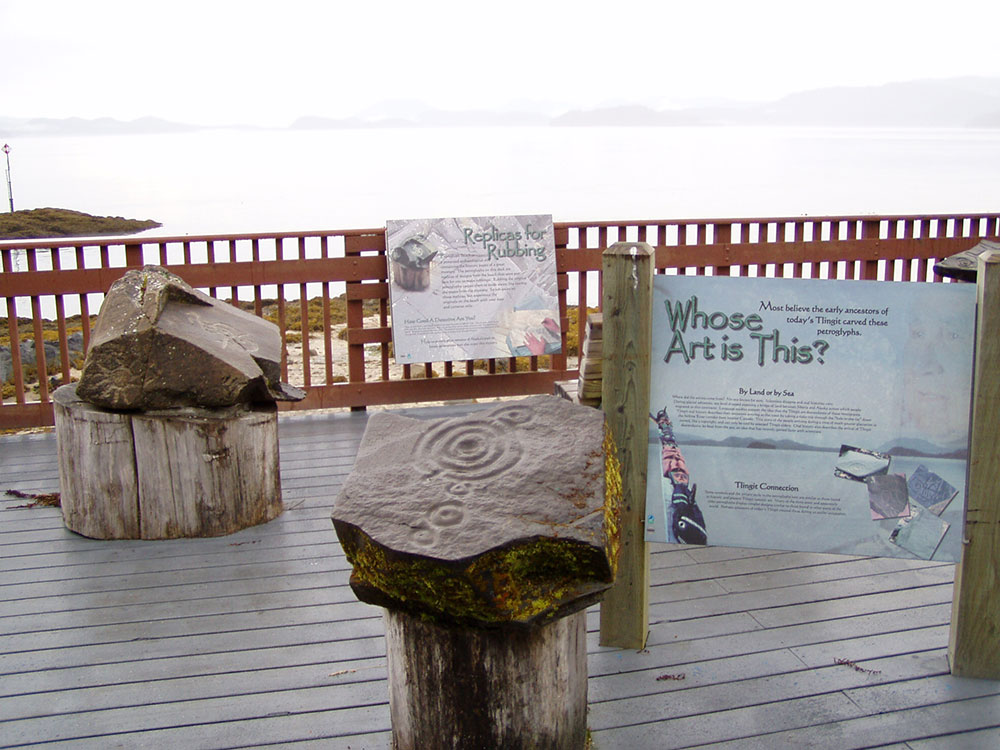
Make a Rubbing From a Replica
Replicas on the viewing platform allow visitors to take rubbings without touching the originals.
Learn About Tlingit Culture
Signs describe the carvers, the rock and the significance of the images.
Beachcomb and Watch for Wildlife
Bald eagles, seals and seabirds are frequently seen from the shore.
Visit Chief Shakes Island
The Tribal House in Wrangell's harbor shows Tlingit art and history.
Top Trails
Petroglyph Beach Boardwalk
Length: Approximately 0.25 miles round trip
Elevation Gain: Minimal
Difficulty: Easy
A short boardwalk and stairs lead from the road to the beach, with a viewing platform and a place to see replicas.
Rainbow Falls Trail
Length: Approximately 1.4 miles round trip
Elevation Gain: Approximately 500 feet
Difficulty: Moderate
This forested trail near Wrangell climbs on boardwalks and steps to a waterfall and a view of the Zimovia Strait.
Visitor Centers
The park has no staffed visitor center. Signs and a viewing platform provide basic information, and the Wrangell Visitor Center in town offers maps, tide charts and details on other sites. The Wrangell Museum can add background on local history.
Camping and Lodging
There is no camping or lodging at the park. Wrangell has a few hotels, inns and bed-and-breakfasts in town, including the Stikine Inn, and the city's Shoemaker Bay Recreation Area has campsites and an RV park. Larger lodging options are in Petersburg and Ketchikan, reached by ferry or flight.
This article uses material from the Wikipedia articles and official tourism pages for Petroglyph Beach State Historic Park, which are released under the Creative Commons Attribution-Share-Alike License 3.0. Additional information from Alaska Division of Parks and Outdoor Recreation.